Rus-A-Pei
The Rus-A-Pei is a meticulously developed designer breed, emerging from the deliberate combination of the ancient Chinese Shar-Pei, historically recognized for its role as a guardian and protector, and the spirited Parson or Jack Russell Terrier, celebrated for its determination as a fox hunter. This breed is marked by its lively disposition and independent nature, along with a keen intelligence that can occasionally manifest as stubbornness. Consequently, it is recommended that Rus-A-Pei owners who are inexperienced in training consider enrolling their dogs in obedience classes and seeking advice from experienced trainers. Although training these dogs may present some challenges, their high level of intelligence means that, with the right mix of exercise, attention, and mental stimulation, they can grow into loyal, charming, and well-behaved companions.
Breed Origin
The Rus-A-Pei is not a separate breed but a term used to describe a designer dog created through the deliberate crossbreeding of the Shar-Pei and the Parsons Jack Russell Terrier. The Shar-Pei, recognized for its strength and assertiveness as a farm protector, has a history rooted in dog fighting. This breed originated around 2,000 years ago in Southern China, where it functioned as a versatile farm dog, guarding homes and livestock while also hunting wild boar. Its loose skin and natural aggression made it well-suited for the fighting ring until Western breeds like Bulldogs and Bull Terriers were introduced to China. As breeders began to favor these newer fighting dogs, the Shar-Pei population drastically declined, leading to its near extinction in the 1940s and 50s due to famine, concerns over biological warfare, and government policies that severely impacted many Chinese breeds. However, a pivotal moment came in May 1971 when the magazine DOGS featured what was believed to be “possibly the last surviving specimen of the breed.” This article inspired Shar-Pei enthusiasts in Hong Kong to work towards revitalizing the breed, resulting in many being exported to the United States to ensure their survival. On the other hand, the Parsons “Jack” Russell Terrier is a more contemporary breed, named after its creator, John Russell, a parson often referred to as Jack. In 1819, he became enamored with a small, mostly white dog he saw with a milkman and quickly bought her, naming her “Trump.” As an avid fox hunter and breeder of foxhounds, Russell envisioned Trump as the foundation for a breed of dogs that were compact enough to chase foxes underground while being agile enough to follow them above ground. The Parson Russell Terrier is recognized by both the American and United Kennel Clubs and is commonly known as the Jack Russell Terrier. It’s important to note that there are also Jack Russell Terrier clubs in both countries that follow a different standard, which is not currently recognized as an official breed by the kennel clubs. This alternative standard leads to a less uniform dog, often displaying variations in temperament and health issues. Typically, these dogs have longer backs and shorter legs compared to the Parsons Russell Terrier, influenced by their Dachshund and Corgi ancestry.
Breed Appearance
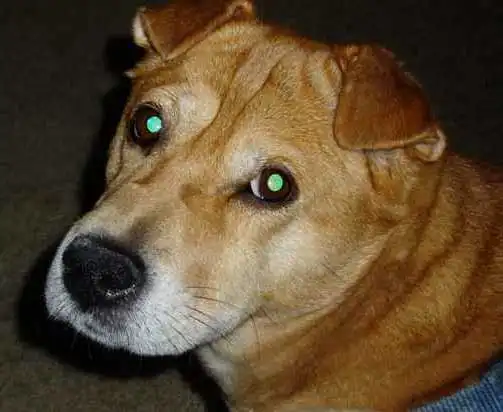
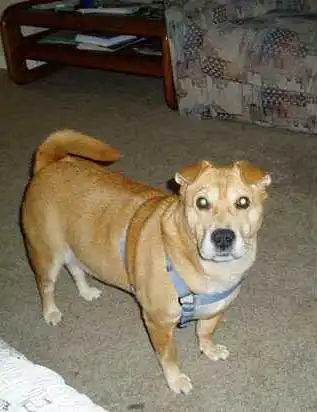
While some dogs may inherit the larger size of the Chinese Shar-Pei or the smaller build of the Russell Terrier, most Rus-A Peis generally weigh between 30 to 40 pounds when fully grown. The physical traits of this mixed breed can vary widely, reflecting the unique characteristics of its parent breeds. Those that take after the Shar-Pei often have a stockier physique, characterized by a broader, flatter head and a wide, deep muzzle. On the other hand, dogs that show more terrier influence typically possess a more rounded and proportionate head shape, along with a narrower, square muzzle compared to the Shar-Pei. Their eyes are dark and almond-shaped, usually bordered by dark rims, and their triangular ears can either fold forward toward the eyebrows or lie flat against the sides of their heads when at ease. However, these ears may also stand upright or partially erect when the dog is alert.


Care Routine
The grooming requirements for Rus-A-Pei dogs are generally quite manageable. Bathing should only be done when absolutely necessary, and it’s important to thoroughly dry the dog afterward, particularly if it has the distinctive wrinkles typical of the Chinese Shar-Pei, as moisture can lead to the growth of mold and mildew. Most Rus-A-Peis have short, soft coats that may be single or double-layered, although some might exhibit the wiry fur characteristic of the broken-coated Russell Terrier. Weekly brushing is sufficient for all coat types, but those with a wiry coat may require stripping once or twice a year to maintain the desired texture. Furthermore, regular dental and nail care is a vital part of their grooming regimen.
Behavior & Temperament
The Parsons “Jack” Russell is well-known for its vibrant energy and spirited demeanor, often teetering on the edge of hyperactivity. Like many terrier breeds, it has a pronounced prey drive. However, when this breed is mixed with the more tranquil and disciplined Chinese Shar-Pei, the resulting hybrid may exhibit reduced energy levels and a somewhat diminished prey drive, while still retaining a manageable intensity. This combination can show signs of aggression towards other dogs and is unlikely to shy away from confrontations, regardless of the size of the opponent, which may render it less suitable for households with multiple dogs. Furthermore, these dogs are generally quite independent and may occasionally display dominant traits, making early training and socialization vital for developing a well-adjusted and polite companion. It’s also important to remember that this breed is highly intelligent; without sufficient mental engagement, they might engage in destructive or compulsive behaviors.


Play & Exercise
Parsons and Jack Russell Terriers, regardless of their specific breed standards, are known for their high energy levels and strong prey drive. In contrast, the Rus-A-Pei, a mix that includes the Chinese Shar-Pei, has lower activity requirements and is less likely to exhibit hyperactive behavior compared to its terrier relatives. Generally, this mixed breed needs around an hour of vigorous exercise daily, which can be achieved through activities such as long walks, playing fetch, engaging in flyball, or participating in agility training. While these dogs are small enough to adapt to apartment living, their inquisitive and lively disposition makes them more suited to a larger home with a yard where they can roam and play freely.
Things to Know
Cups Per Day
1.0 Cups
Daily Activity
60 Minutes
Average Lifespan
12 Years
Origin
Unknown
Type
Crossbreeds
Size
Medium
Origin Country
Unknown
Brush Frequency
Weekly
Coat Texture
Straight
Ancestors
Jack Russell Terrier
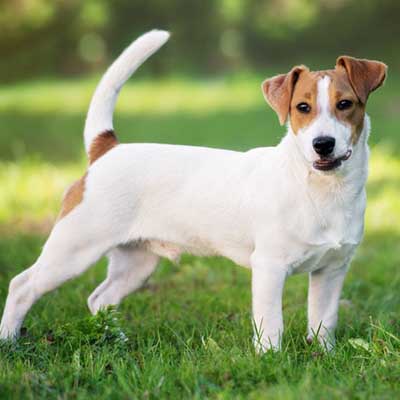
The Jack Russell Terrier is a breed that has gained fame through popular television series like Frasier and Wishbone. Many fans have fallen in love with the quirky and endearing personalities of characters like Eddie from Frasier and Wishbone. However, the reality of owning a Jack Russell Terrier is quite different from what is depicted on screen. The dogs featured in these shows are supported by professional trainers and are given specific tasks to perform. In contrast, a real Jack Russell Terrier thrives on interaction and will actively seek out ways to entertain itself if its owner is busy. This breed is known for its high energy levels, relishing activities such as running, digging, and engaging in playful mischief. With the right training and an appropriate outlet for their considerable energy, they can make wonderful and loving companions.
Read more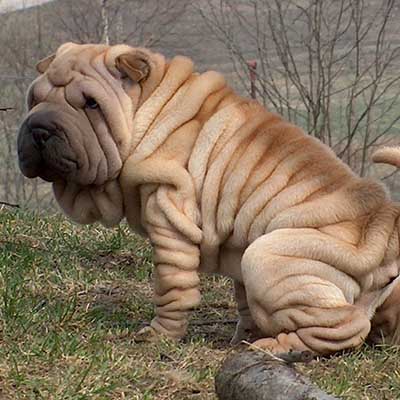
Chinese Shar-Pei
The Chinese Shar-Pei is a large dog breed distinguished by its unique wrinkled head and face. Typically, these dogs weigh around fifty pounds and stand about eighteen inches tall. There is a belief that the Chinese Shar-Pei shares a lineage with the Chow-Chow, as both breeds feature a blue-black tongue, which often causes confusion between them. Traditionally, the Chinese Shar-Pei was a multifunctional farm dog in China, employed for various tasks such as hunting, tracking, herding, and protecting livestock. Unfortunately, some people misused the breed for dogfighting, as its distinctive wrinkled skin and coarse fur were thought to hinder opponents' grip. The breed came perilously close to extinction during the Communist Revolution, but a businessman from Hong Kong played a vital role in reviving interest in the Shar-Pei among American dog lovers. In 1992, the American Kennel Club officially recognized the Chinese Shar-Pei, and it has since gained popularity as one of the favored dog breeds in the United States.
Read moreRegister
Your kids have been begging for a pet forever, and you've recently decided that it's time for your family to get a new addition -- a dog! While everyone is excited for the new arrival, you're wondering if you need to have a dog license. How much does it cost? Is it required? Where do you get one?
Member Clubs

PETINNATE
Other
Height & Weight
Weight
35 lbs (16 kg)Male: 35 lbs (16 kg) , Female: 35 lbs (16 kg)
Height
16 inches (41 sm)Male: 16 inches (41 sm) , Female: 16 inches (41 sm)
6 Months
26 lbs ( m 26 lbs, f 26 lbs )
14 inches ( m 14 inches, f 14 inches )
12 Months
35 lbs ( m 35 lbs, f 35 lbs )
16 inches ( m 16 inches, f 16 inches )
18 Months
35 lbs ( m 35 lbs, f 35 lbs )
16 inches ( m 16 inches, f 16 inches )
Eye Colors
Brown

Nose Colors
Black
Brown
Coat Colors
Sable
Red
Isabella
Fawn
Cream
Blue
Brown
White