Chow Pei
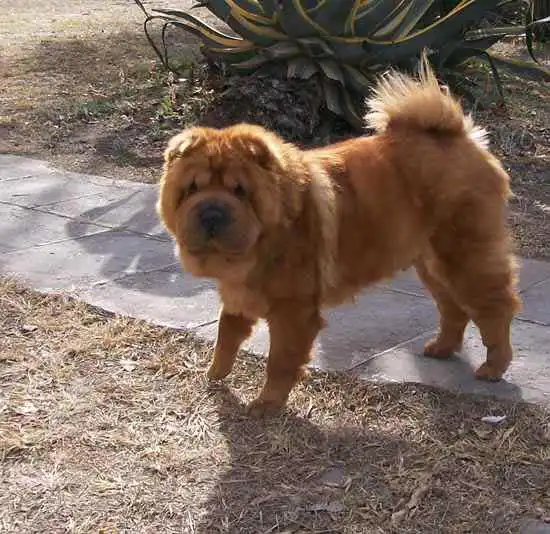
The Chow Pei is a hybrid dog resulting from the crossbreeding of a Chow Chow and a Chinese Shar Pei. While both parent breeds originate from China, this particular mix is believed to have developed in the United States, although the precise timeline remains uncertain. The Chow Pei was likely bred to serve as a versatile working dog, adept at tasks like farming and hunting, reflecting the traits of its Chow Chow ancestry. This hybrid combines the hunting instincts of the Chow Chow with the protective nature of the Shar Pei, making it a capable guardian for families. Characterized by the temperaments of its parent breeds, the Chow Pei tends to be wary and reserved around unfamiliar people, yet it is deeply affectionate and loyal to its family. Although this breed may not naturally interact well with children, early socialization can enhance these relationships. Typically, a Chow Pei is a medium to large-sized dog, weighing between 40 and 60 pounds and standing 15 to 20 inches tall, with loose skin or wrinkles primarily around the neck area. Its head bears resemblance to that of the Shar Pei, while its ears are more akin to those of the Chow Chow. The coat can vary in length, being either long or short, but is generally thick, straight, and soft. As an energetic breed, the Chow Pei needs regular exercise to keep its weight in check. Grooming requirements will depend on the influence of the Chow Chow parent, with brushing needed anywhere from once a week to several times a week to manage moderate shedding from both breeds.
Breed Origin
The exact origins and timeline of the Chow Pei hybrid are somewhat ambiguous, although it is generally believed to have originated in the United States. This hybrid was created by crossing the Chow Chow with the Chinese Shar Pei, with the goal of producing a versatile working dog. The Chow Chow has a rich history, potentially dating back to 150 B.C., and was introduced to the U.S. in 1890, gaining official recognition from the American Kennel Club in 1903. Likewise, the Shar Pei has ancient roots, with its image found on pottery that is thought to be from 206 B.C. Originally, the Shar Pei was utilized for various tasks, such as herding, guarding property, and controlling pests. It received recognition from the American Kennel Club in 1992. The Chow Pei effectively combines the Chow Chow's remarkable hunting and working skills with the Shar Pei's strong protective instincts, fulfilling its intended role. This hybrid inherits a blend of characteristics from both breeds, resulting in a dog that is alert, loving, protective, and intelligent. To ensure positive interactions with children and other pets, early socialization is essential, as the Chow Pei tends to form close bonds with one or two family members. The Chow Pei is recognized by both the Designer Breed Registry and the International Designer Canine Registry.
Breed Appearance
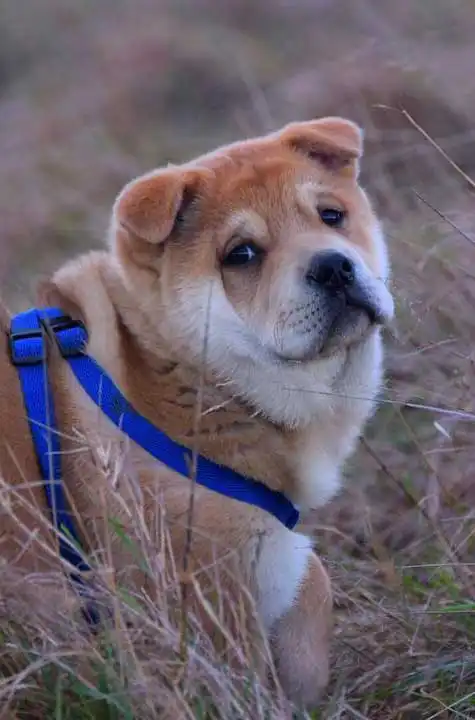
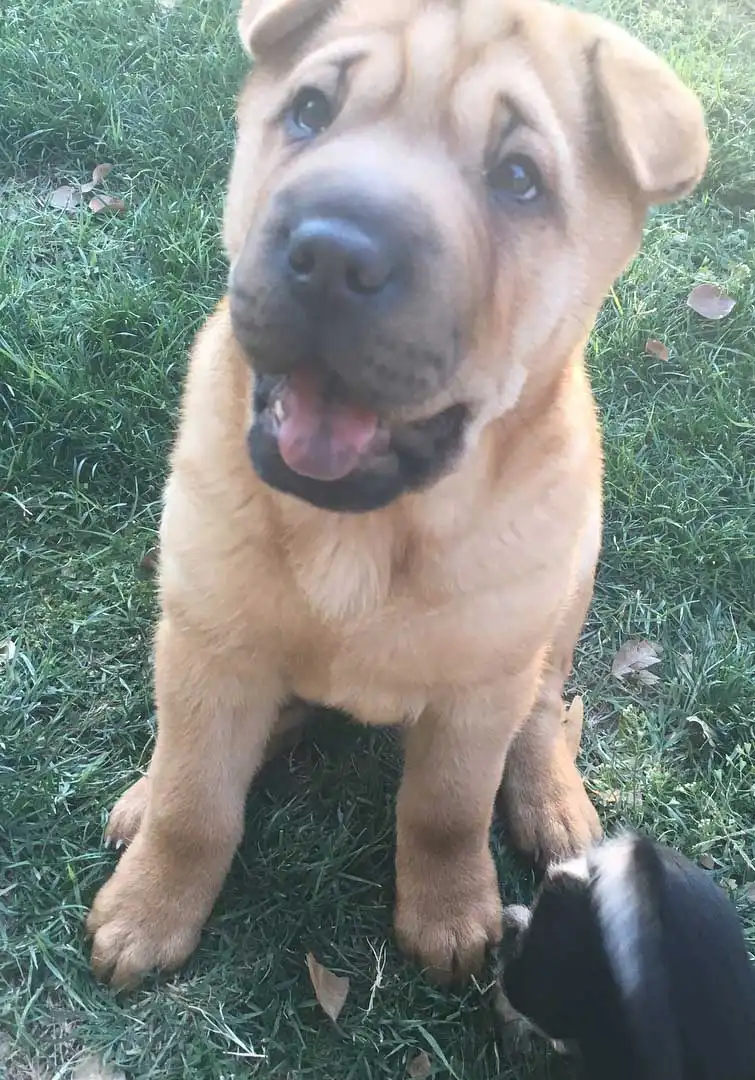
The Chow Pei usually reaches a height of 15 to 20 inches and weighs between 40 to 60 pounds when fully matured. As a hybrid breed, it can inherit characteristics from either or both of its parent breeds, the Chow Chow and the Chinese Shar Pei. Generally, Chow Peis display loose or wrinkled skin around their heads and necks, resembling the physical structure of a Chow Chow. Their ears also bear a resemblance to those of the Chow Chow. The coat can vary in length but is typically soft and thick. Chow Peis are available in a range of colors, such as black, brown, a combination of black and brown, dark brown, chocolate, white, sable, albino, or brindle. For example, a Chow Pei might showcase a brown head, a black face, and a white body with brown spots, illustrating the diverse color combinations possible. Their facial features usually reflect those of a Shar Pei, set upon the body of a Chow Chow.

Care Routine
Your Chow Pei will generally require a moderate level of grooming. Their coat, which is typically soft and thick, comes in both long and short lengths, and should be brushed several times a week to remove loose hair and debris, keeping it clean and healthy. During shedding seasons, you may need to increase the frequency of brushing. Bathing should occur about once a month, unless your dog’s outdoor activities necessitate more frequent washes. This regular bathing helps reduce the common “doggy” odor that often comes with pet ownership. The ears of a Chow Pei are similar to those of the Chow Chow and should be checked regularly for cleanliness and signs of infection. If your Chow Pei has inherited the folded ears from its Shar Pei ancestry, you will need to be particularly attentive. Additionally, it’s important to regularly care for your pet’s toenails, teeth, and eyes to ensure their overall health and well-being.
Behavior & Temperament
The temperament of your Chow Pei may exhibit characteristics inherited from either or both of its parent breeds, the Chow Chow and the Chinese Shar Pei. Many Chow Pei owners describe these dogs as alert, loving, affectionate, protective, and intelligent. However, your Chow Pei might not naturally get along with children or strangers. To foster a more sociable demeanor, it’s crucial to introduce him to kids and unfamiliar faces as early as possible. While he may feel more comfortable around other pets in the home than with young children, early socialization will also facilitate his interaction with other animals. Despite being intelligent, training your Chow Pei may not be a simple task, as both parent breeds are known for their independence. This process will require considerable patience and commitment. As a moderately active hybrid, your Chow Pei needs a fair amount of exercise to maintain good health. Typically, this breed is not prone to excessive barking; they usually only alert you when they feel threatened or uneasy. However, they do have a natural curiosity and may wander off to investigate interesting scents in their environment, so it’s wise to keep him on a leash when outside. Your Chow Pei is generally capable of being alone for extended periods, making him a good fit for owners who work outside the home. Nonetheless, he will likely prefer the companionship of those he has bonded with.


Play & Exercise
The Chow Pei is a lively breed that requires several daily walks to stay healthy and content. Although he can adjust to apartment or condo living, it is crucial for his owner to provide ample physical and mental stimulation. Activities that engage both his body and mind are particularly beneficial, as they cater to his athletic abilities and keen intelligence. Regular walks, games like fetch and frisbee, along with obedience training, are excellent ways to keep him in shape. Ideally, he flourishes in a fenced yard where he can run and explore at his leisure. This breed is adaptable to both urban and rural settings, whether in an apartment, condo, or house. The most suitable climate for a Chow Pei largely depends on the coat traits inherited from his parent breeds; the Chow Chow's fur is better suited for cooler climates, while the Shar Pei's coat is more appropriate for warmer weather.
Things to Know
Cups Per Day
3.0 Cups
Daily Activity
90 Minutes
Average Lifespan
13 Years
Origin
Unknown
Type
Crossbreeds
Size
Medium
Origin Country
United States
Brush Frequency
Weekly
Coat Texture
Straight
Ancestors
Chow Chow
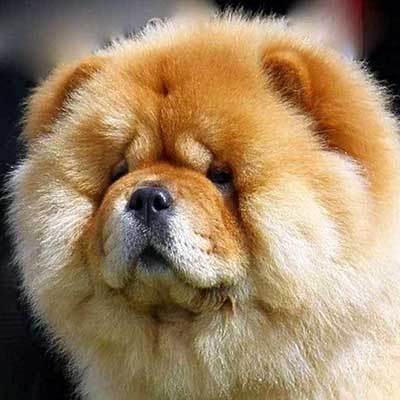
One of the most notable features of the Chow Chow is its distinctive blue-black tongue. This breed is also recognized for its unique, stilted walking style and the lion-like "mane" that frames its neck. As a member of the Spitz family, the Chow Chow is thought to have originated in the cold northern regions of China. Throughout history, it has fulfilled various roles such as hunting, herding, pulling carts, and guarding homes. This medium-sized dog is characterized by its broad head and deep muzzle, along with small, triangular ears that perch on its double-coated neck. Chows are available in a range of colors, including red, black, blue, cinnamon, and cream.
Read more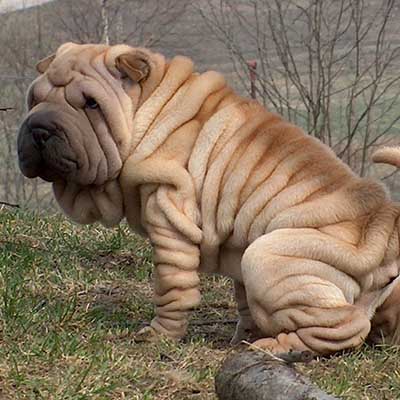
Chinese Shar-Pei
The Chinese Shar-Pei is a large dog breed distinguished by its unique wrinkled head and face. Typically, these dogs weigh around fifty pounds and stand about eighteen inches tall. There is a belief that the Chinese Shar-Pei shares a lineage with the Chow-Chow, as both breeds feature a blue-black tongue, which often causes confusion between them. Traditionally, the Chinese Shar-Pei was a multifunctional farm dog in China, employed for various tasks such as hunting, tracking, herding, and protecting livestock. Unfortunately, some people misused the breed for dogfighting, as its distinctive wrinkled skin and coarse fur were thought to hinder opponents' grip. The breed came perilously close to extinction during the Communist Revolution, but a businessman from Hong Kong played a vital role in reviving interest in the Shar-Pei among American dog lovers. In 1992, the American Kennel Club officially recognized the Chinese Shar-Pei, and it has since gained popularity as one of the favored dog breeds in the United States.
Read moreRegister
Your kids have been begging for a pet forever, and you've recently decided that it's time for your family to get a new addition -- a dog! While everyone is excited for the new arrival, you're wondering if you need to have a dog license. How much does it cost? Is it required? Where do you get one?
Member Clubs

PETINNATE
Other
Height & Weight
Weight
50 lbs (23 kg)Male: 50 lbs (23 kg) , Female: 50 lbs (23 kg)
Height
16 inches (41 sm)Male: 17 inches (43 sm) , Female: 15 inches (38 sm)
Eye Colors
Brown

Nose Colors
Black
Brown
Coat Colors
Black
Brown
White
Sable
Brindle