Wirehaired Pointing Griffondor
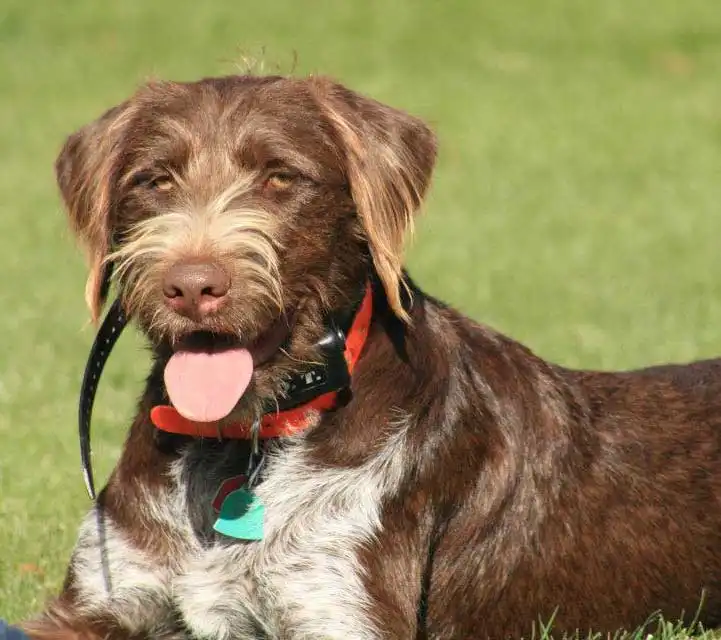
The Wirehaired Pointing Griffon is a mixed breed that emerges from the combination of two sporting dogs: the Labrador Retriever and the Wirehaired Pointing Griffon. This unique mix has produced a versatile dog celebrated for its friendly demeanor and sociable character, along with a strong passion for hunting. Typically, these dogs stand about two feet tall and weigh around 70 pounds, boasting excellent temperaments that make them ideal companions for families, including those with young children. They are not only eager to please but also relatively easy to train, exhibiting a vibrant and lively personality. Given their size and energetic nature, they flourish in larger homes with plenty of space for both indoor and outdoor activities. Nevertheless, they can also adjust to smaller living situations, as long as they receive adequate attention and exercise.
Breed Origin
Information specifically about the Wirehaired Pointing Griffon is somewhat scarce, yet its parent breeds are well-recognized in their native regions. The Labrador Retriever stands out as one of the most cherished dog breeds worldwide, largely due to its adaptability and amiable nature. This breed's ancestry can be traced back to the St. John's Dog, which originated in Newfoundland, Canada, where British, Portuguese, and Irish fishermen engaged in trade as early as the 16th century. These dogs were initially bred for their love of water, featuring waterproof coats that remain advantageous today. In the early 19th century, they accompanied fishermen to England, where they were named "Labrador" by the third Earl of Malmesbury, a nod to the Labrador Sea, their area of development. Over time, Labradors have evolved into beloved family pets while also being highly regarded as working dogs in various roles, including police, military, and service positions, thanks to their intelligence and remarkable obedience. In a similar vein, the Wirehaired Pointing Griffon was also bred as a hunting dog with a passion for water. Its origins date back to around 500 BC, but the modern iteration of the breed is primarily credited to Eduard Korthals, a Dutch banker and cattle rancher who aimed to develop a sturdy dog capable of hunting, tracking, and pointing across various landscapes. Despite his efforts to promote the breed throughout Europe, it has never gained widespread popularity, even in modern times. Nevertheless, Wirehaired Pointing Griffons are still valued as exceptional sporting dogs and devoted companions.
Breed Appearance
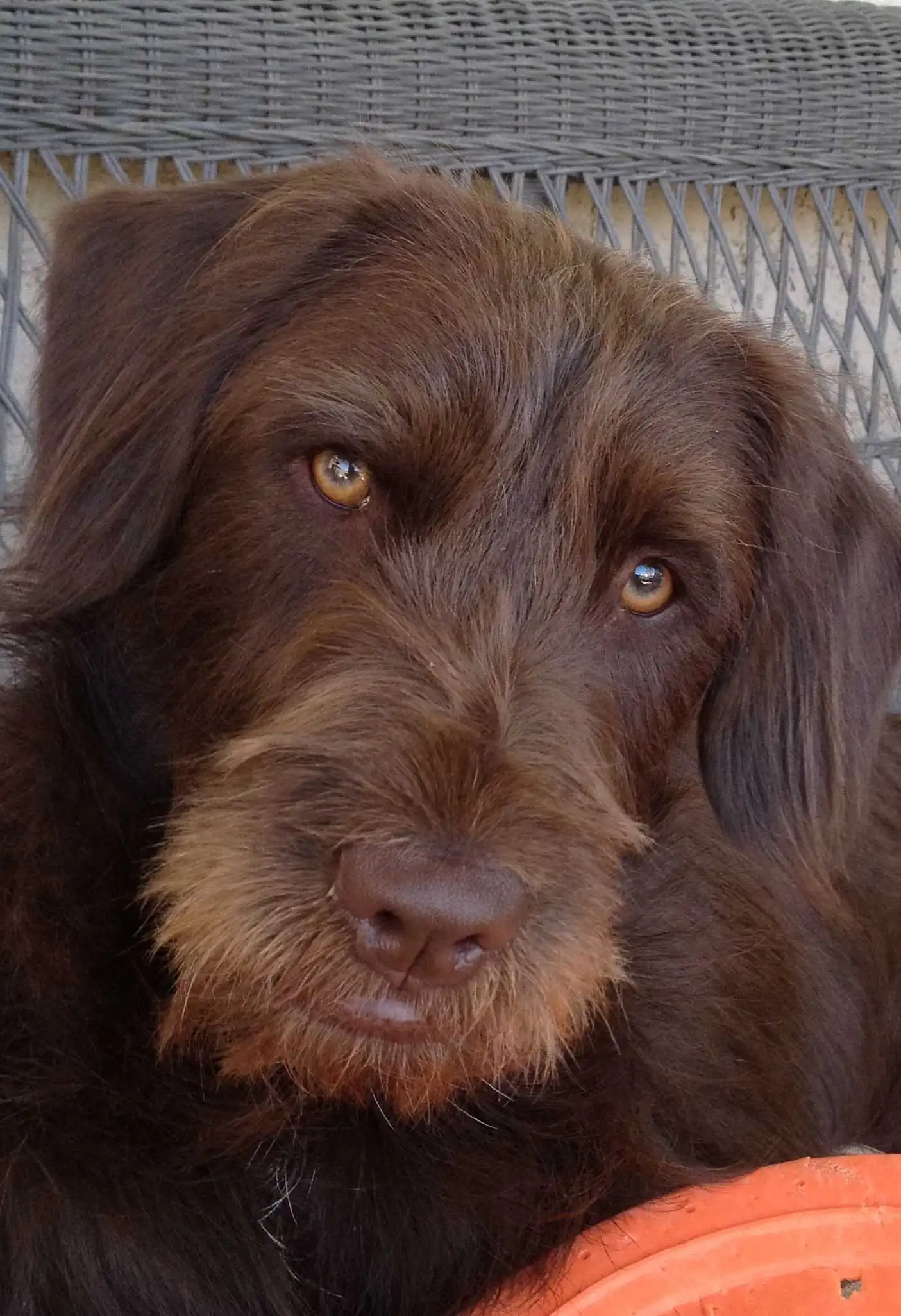
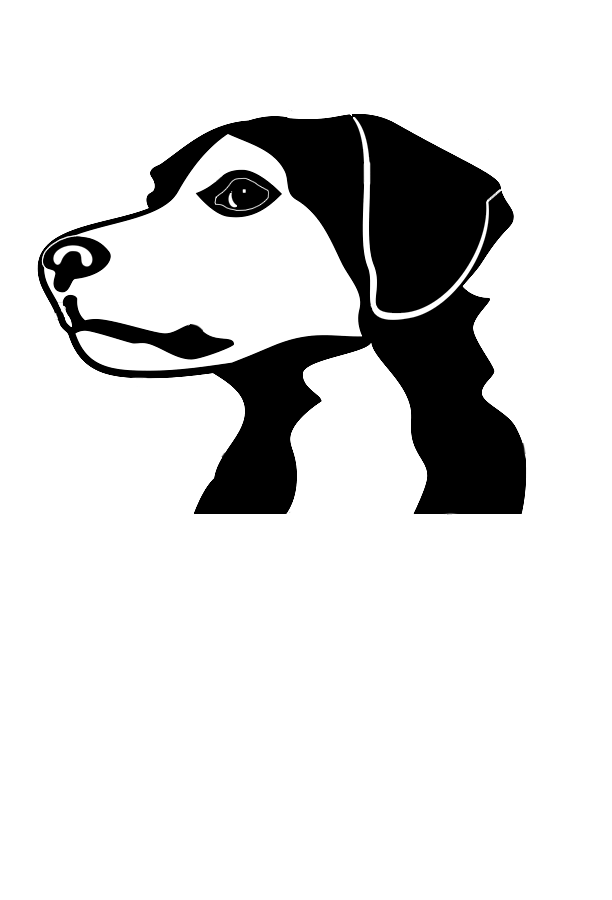
Wirehaired Pointing Griffons are medium-sized dogs, generally reaching a height of around 22 inches and weighing approximately 70 pounds. They possess a medium-length outer coat along with a dense, waterproof undercoat. With their strong and athletic physique, these dogs exemplify the traits of a sporting breed, particularly excelling in swimming, aided by their large, webbed feet. Their heads have a somewhat square shape, featuring a medium-length muzzle and floppy ears, often highlighted by prominent mustaches and eyebrows. Their tails are typically medium in length and taper to improve their swimming capabilities, although some owners choose to crop them to about half their original size. The breed's coat comes in various colors, such as black, white, brown, and cream, usually showcasing at least two distinct layers: a longer top coat and a shorter undercoat, which contributes to their distinctive, slightly tousled look.

Care Routine
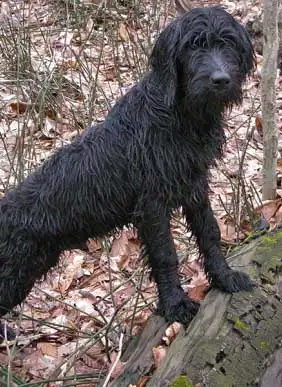
Caring for this breed primarily revolves around consistent brushing. Although both parent breeds shed only during specific seasons, their double coats require weekly grooming to maintain their best appearance. While Wirehaired Pointing Griffondors might occasionally look a bit unkempt, they are generally quite tidy and usually only need a bath every few months or after they’ve rolled in something undesirable, which is typical for dogs that love off-leash escapades. Another important aspect of their care is ear maintenance; the moisture that can build up in their folded ears may foster bacterial growth, so regular checks are essential. Thankfully, their nails tend to remain naturally short, and the sound of them clicking on hard surfaces serves as a helpful cue for when it’s time for a trim. Given the substantial amount of food these dogs eat, owners should also incorporate weekly tooth brushing with dog-specific toothpaste into their routine. With their loving disposition and need for companionship, caring for this breed can be a simple and even enjoyable task for both the dog and its owner.
Behavior & Temperament
Wirehaired Pointing Griffons, drawing from their Labrador ancestry, are celebrated for their easygoing nature and affectionate behavior. These dogs exhibit loyalty, intelligence, and obedience, making them exceptionally trainable, even for complex commands. Their cheerful temperament, energetic personality, and playful attitude render them excellent family pets, as they generally coexist harmoniously with adults, children, other dogs, and various animals, often requiring little socialization. Breeders have observed that they can develop what is known as a "soft mouth," enabling them to carry objects delicately without harming the game they retrieve, their toys, or their companions. However, this gentle trait does not appear at birth; as puppies, they may exhibit biting and chewing tendencies if not properly trained. Given their high energy, they can become restless, noisy, or mischievous without adequate exercise.
Play & Exercise
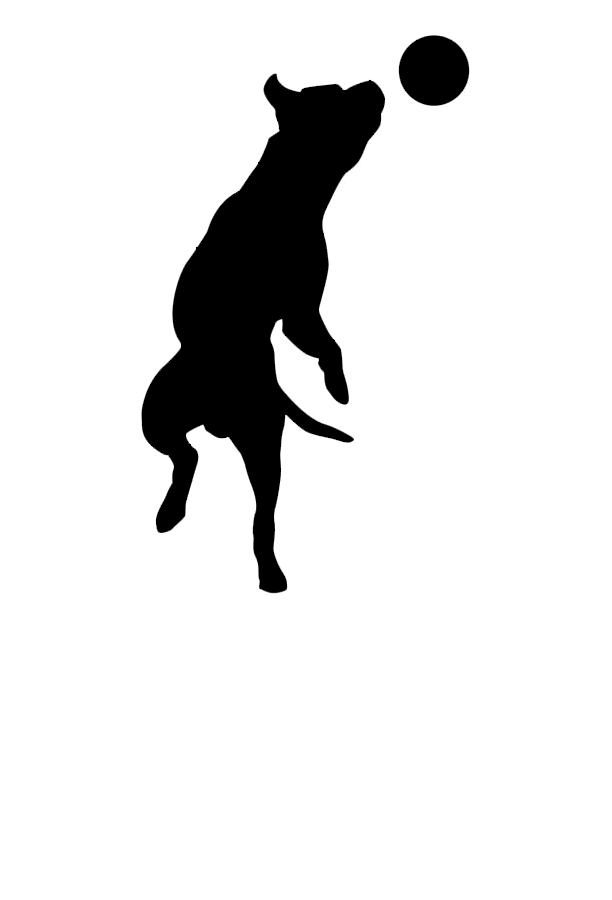
Wirehaired Pointing Griffons are energetic dogs that inherit their lively nature from both parents, necessitating plenty of room to run and play. This can be achieved through a large, enclosed yard, visits to a dog park, or activities like biking or jogging alongside their owners. They typically require about 60 to 90 minutes of exercise daily, which translates to roughly 15 miles of walking or running each week. To keep them mentally engaged and physically active, incorporating training sessions, interactive games, and daily chores—such as retrieving the mail or taking out the trash—can be very beneficial. Games like fetch, which allow them to sprint over expansive areas, are especially advantageous. Although these dogs are smart and may show a hint of independence, they flourish with regular social interaction. If left alone, even in a large space, they may become bored and engage in mischievous or destructive behaviors. Consequently, they are ideally suited for families with sufficient space and the ability to provide them with ample attention.
Things to Know
Cups Per Day
2.5 Cups
Daily Activity
90 Minutes
Average Lifespan
13 Years
Origin
Unknown
Type
Crossbreeds
Size
Large
Origin Country
Unknown
Brush Frequency
Weekly
Coat Texture
Wiry
Register
Your kids have been begging for a pet forever, and you've recently decided that it's time for your family to get a new addition -- a dog! While everyone is excited for the new arrival, you're wondering if you need to have a dog license. How much does it cost? Is it required? Where do you get one?
Member Clubs

PETINNATE
Other
Height & Weight
Weight
63 lbs (29 kg)Male: 65 lbs (29 kg) , Female: 60 lbs (27 kg)
Height
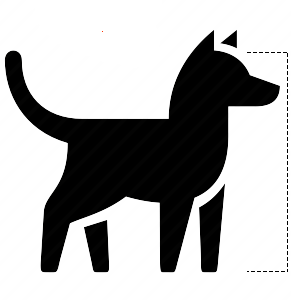
22 inches (56 sm)Male: 23 inches (58 sm) , Female: 22 inches (56 sm)
6 Months
43 lbs ( m 43 lbs, f 43 lbs )
15 inches ( m 15 inches, f 15 inches )
12 Months
51 lbs ( m 51 lbs, f 51 lbs )
18 inches ( m 18 inches, f 18 inches )
18 Months
60 lbs ( m 60 lbs, f 60 lbs )
21 inches ( m 21 inches, f 21 inches )
Eye Colors
Hazel
Brown
Amber
Nose Colors
Black
Brown
Coat Colors
Gray
White
Cream
Brown
Black