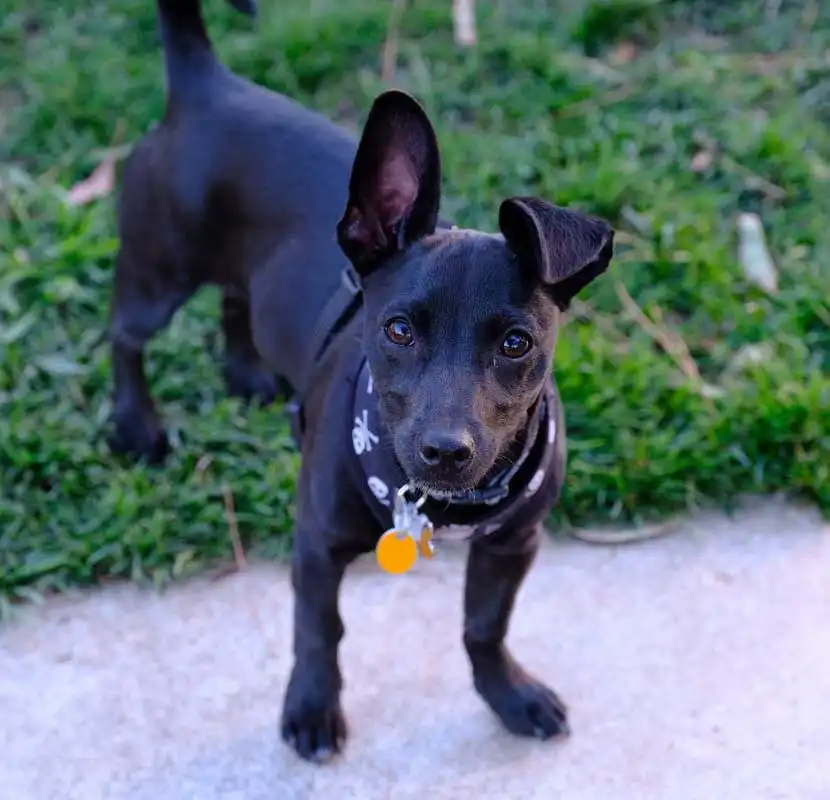
Labrahuahua
Chihuahuador
A female Labrador Retriever and a male Chihuahua come together to create the unique Labrahuahua. This hybrid breed generally falls within the medium size range and displays physical features and facial traits that reflect both of its parent breeds. Renowned for their loyalty and intelligence, Labrahuahuas tend to form strong bonds with people of all ages. To keep them content, it’s crucial to offer plenty of exercise and affection, which allows them to adapt well to different living environments. These dogs are wonderful companions, require minimal upkeep, and can be expected to enhance your life for about 10 to 15 years.
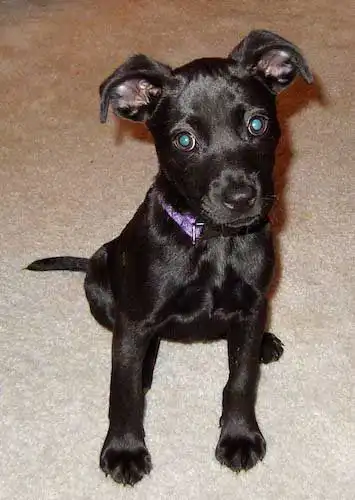
Breed Origin
The Labrahuahua is a relatively recent hybrid dog breed, created by crossing a Labrador Retriever with a Chihuahua. This distinctive designer breed emerges from the notable size difference between its parent breeds, which makes natural breeding unfeasible. Consequently, artificial insemination is employed, where the sperm from a male Chihuahua is introduced into a female Labrador Retriever. A female Chihuahua cannot safely carry puppies from a Labrador Retriever due to the risks associated with the size of the resulting offspring. The Labrador Retriever, historically known as the St. John’s Dog, has evolved into one of the most beloved dog breeds in the United States. These dogs originated in Newfoundland, where they were initially bred to aid fishermen by retrieving fish and pulling in nets. By the 1800s, English ships began bringing these dogs back from Labrador, leading to their interbreeding with various Retrievers, Setters, and Spaniels, which enhanced their hunting skills. In contrast, the Chihuahua is recognized as the smallest dog breed in the world and one of the oldest breeds in the Americas, originating from Mexico, named after the state of Chihuahua. The specific breeds that contributed to the Chihuahua's ancestry remain unclear, although some theories suggest a connection to the Fennec Fox. In the late 19th century, these tiny dogs were introduced to Europe, where they quickly became fashionable among the elite and were often found in wealthy households. Furthermore, the Chihuahua held a revered position in the cultures of Pre-Columbian Indian societies.
Breed Appearance
Due to the notable size disparity between Chihuahuas and Labrador Retrievers, their mixed-breed puppies can vary widely in size. Generally, these dogs tend to be of medium stature with athletic builds. They typically have sturdy legs and broad chests, along with long tails and muzzles that are narrower than their heads. Their eyes are round, and their ears may either stand upright in a triangular shape or have overlapping tips. In most designer breeds, the offspring usually inherit the facial features of one parent while taking on the body structure of the other. For the Labrahuahua, some puppies might showcase a Labrador's physique paired with a Chihuahua's facial traits, while others could present the reverse combination. To gain a clearer picture of what this hybrid breed might look like, it’s beneficial to explore the characteristics of both parent breeds, keeping in mind that each designer dog will possess its own unique appearance.


Care Routine
The grooming needs of designer dogs, such as the Labrahuahua, primarily hinge on the type of coat they inherit from their parent breeds. Given that both the Labrador Retriever and Chihuahua have moderate shedding tendencies, it’s likely that the Labrahuahua will share similar shedding traits. A short coat will demand less upkeep than a longer one. Regular brushing and occasional baths are crucial for their overall care. Furthermore, to prevent ear infections, it’s important to clean their ears weekly. Maintaining dental health is also vital; while brushing their teeth two to three times a week is advisable, daily brushing is optimal for preventing bad breath. Lastly, like all dog breeds, the Labrahuahua will require nail trimming once or twice a month, depending on their activity level and the natural wear of their nails.
Behavior & Temperament
The Labrahuahua is a sociable and well-behaved breed that flourishes in communal environments and generally feels at ease around unfamiliar faces. They enjoy spending time with their families, whether it’s joining you for a run or snuggling up during quiet moments. Known for their lively and playful disposition, these dogs make wonderful companions for energetic children. Drawing on their Labrador Retriever heritage, they are usually straightforward to train, though their Chihuahua background may introduce a hint of stubbornness. As with any dog, it’s vital to prioritize early training and socialization. Introducing your Labrahuahua puppy to a diverse range of people and animals will help them develop into confident, well-mannered pets who are comfortable with strangers. Moreover, it’s important to establish yourself as the authority figure during training, ensuring your dog recognizes the significance of respect and obedience.


Play & Exercise
These lively dogs need regular exercise, preferably in the form of long walks or runs. They thrive on playtime with their owners, especially enjoying games like fetch and frisbee to burn off energy. Depending on the specific requirements of each dog, they should engage in physical activity for about 20 to 60 minutes daily. Moreover, it's essential to challenge their minds as well as their bodies, considering their high intelligence.
Things to Know
Cups Per Day
2.5 Cups
Daily Activity
60 Minutes
Average Lifespan
13 Years
Origin
Unknown
Type
Crossbreeds
Size
Medium
Origin Country
Unknown
Brush Frequency
Weekly
Coat Texture
Wiry
Ancestors
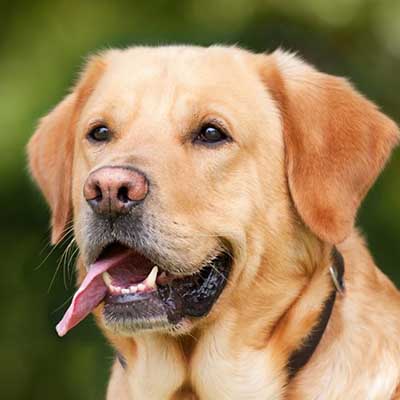
Labrador Retriever
The Labrador Retriever, originally referred to as the St. John’s Water Dog, derives its name from the capital of Newfoundland, situated on Canada’s northeastern Atlantic coast. In this area, these reliable dogs played a crucial role for local fishermen, helping to haul in their nets from the icy waters and retrieving any fish that escaped. Their gentle nature quickly endeared them to families, making Labradors popular household pets. Although many contemporary Labradors enjoy a relaxed home life rather than engaging in labor, they excel as therapy dogs, bringing happiness to the elderly and patients in medical facilities. Furthermore, they are outstanding guide dogs for those with visual impairments and serve as assistance dogs for individuals with disabilities. This breed remains active in various professional capacities, including search and rescue missions and supporting hunters in retrieving game. With their keen sense of smell, Labradors can be trained for numerous tasks, though this training demands significant patience. However, they are not ideal for guarding roles; their friendly demeanor often leads them to welcome intruders rather than deter them, sometimes guiding them to the household’s valuables. Ultimately, Labradors are celebrated for their loyalty and are known for their calm and patient temperament.
Read more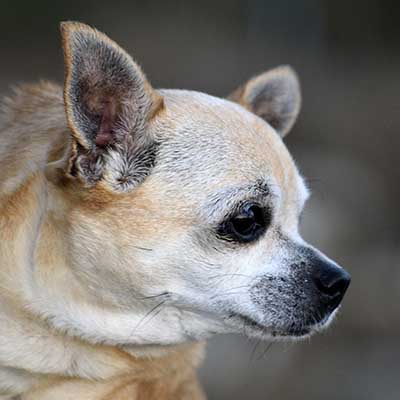
Chihuahua
The Chihuahua, celebrated as the tiniest dog breed in the world, takes its name from the Mexican state of Chihuahua. Both legends and archaeological findings indicate that these dogs originated in Mexico, with toy-like figures resembling Chihuahuas unearthed from Mexico to El Salvador, dating back to approximately 100 AD. Chihuahuas can have either long or short coats and are divided into two main head shapes: “apple heads,” which have rounder skulls, closely spaced eyes, and shorter legs, and “deer heads,” characterized by flatter skulls, wider-set eyes, larger ears, and longer legs. At present, apple-headed Chihuahuas are more popular among dog lovers. They come in a wide array of colors and patterns, but in this breed, the color does not influence the dog's personality. While Chihuahuas are primarily companions, they can take on a guarding role if not properly trained, exhibiting protective behaviors. Known for their spirited nature, loyalty, and protectiveness, Chihuahuas can be quick to react, making them less ideal for families with young children. They often form strong bonds with a single owner, showing a preference for that individual over others in the home, and they typically enjoy the company of fellow Chihuahuas more than that of other dog breeds.
Read moreRegister
Your kids have been begging for a pet forever, and you've recently decided that it's time for your family to get a new addition -- a dog! While everyone is excited for the new arrival, you're wondering if you need to have a dog license. How much does it cost? Is it required? Where do you get one?
Member Clubs

PETINNATE
Other
Height & Weight
Weight
37 lbs (17 kg)Male: 37 lbs (17 kg) , Female: 37 lbs (17 kg)
Height
7 inches (18 sm)Male: 7 inches (18 sm) , Female: 7 inches (18 sm)
6 Months
18 lbs ( m 18 lbs, f 18 lbs )
8 inches ( m 8 inches, f 8 inches )
12 Months
23 lbs ( m 23 lbs, f 23 lbs )
10 inches ( m 10 inches, f 10 inches )
18 Months
31 lbs ( m 31 lbs, f 31 lbs )
14 inches ( m 14 inches, f 14 inches )
Eye Colors
Hazel

Brown
Nose Colors
Black
Brown
Isabella
Coat Colors
Black

Brown

White

Fawn