Corgidor
Although the Corgidor is not formally acknowledged as a separate breed, it is a beloved mix that combines the popular Welsh Corgi with the Labrador Retriever. This hybrid has likely been around for a considerable period, probably resulting from accidental crossbreeding between the two parent breeds. Unfortunately, a detailed history of the Corgidor is hard to come by. Breeders strive to capture the Welsh Corgi's loyalty and protective nature, alongside the Labrador's gentle temperament, intelligence, and even disposition in their Corgidor puppies.
Breed Origin
The Corgidor, a charming blend of the Welsh Corgi and the Labrador Retriever, is officially acknowledged by the Dog Registry of America. This hybrid not only acts as a watchful protector but also as a loving family companion, making it an ideal pet. However, information on the Corgidor is somewhat scarce, so potential owners should delve into the traits and health issues associated with both parent breeds to better understand what to expect. The Welsh Corgi actually consists of two separate breeds: the Pembroke Welsh Corgi and the Cardigan Welsh Corgi. Although they share a common ancestry, they exhibit differences in both temperament and physical characteristics. The Cardigan Welsh Corgi is typically taller and more exuberant, while the Pembroke is smaller and generally quieter. Both breeds are skilled herders, adept at managing sheep and even larger cattle, thanks to their low height, which enables them to effectively direct livestock. These dogs have a rich history, first documented during the Viking era, and eventually made their way to North America, where the American Kennel Club recognized them in 1925. By 1934, the breeds were officially classified into Cardigan and Pembroke. In contrast, the Labrador Retriever, a breed renowned for its popularity, originated in Canada to assist fishermen. Interestingly, this breed faced a significant decline in the 1880s when female Labradors were culled from litters due to high taxation in Canada. Fortunately, by that time, Labradors had already been introduced to England and America, where they began to be celebrated as exceptional hunting partners and retrievers. With their friendly and laid-back demeanor, Labradors have long been a preferred choice for families in the US, Canada, and England.
Breed Appearance
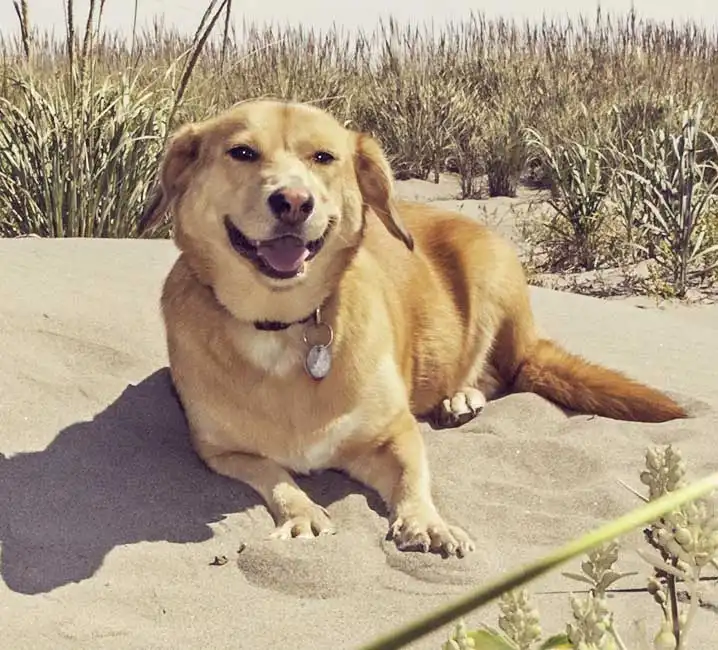
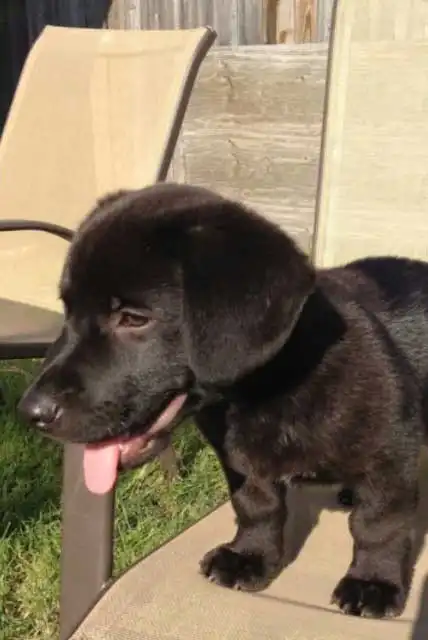
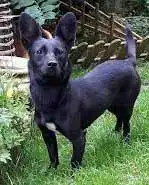
The Corgidor is a mixed breed that results from crossing a Welsh Corgi with a Labrador Retriever. While it generally resembles a Labrador in appearance, it inherits the Corgi's distinctive shorter legs. The coat of a Corgidor often features a two-tone pattern, typically showcasing a white chest and underbelly, though it can also come in a solid color. This breed has a square-shaped head, complemented by almond-shaped eyes and a long muzzle. Its ears, which are smaller than those of a Labrador, are set high on the head and hang down. The Corgidor's body is proportionally shorter in length compared to its height, a characteristic passed down from the Welsh Corgi. Nevertheless, this breed is sturdy and well-built, with its size and weight largely influenced by which parent breed it resembles more closely.

Care Routine
Due to the heritage of the Corgidor, this mixed breed is known for shedding significantly. Its dense fur tends to hold onto dead and loose hairs, making weekly brushing essential for maintenance. Grooming sessions also provide a perfect chance to check the Corgidor’s ears. It's advisable to use a veterinarian-recommended cleaning solution to remove any dirt, wax, or debris, which can help avert ear infections. Furthermore, consistent dental hygiene is vital to prevent gum disease and tooth decay. The Corgidor's sturdy toenails grow rapidly; if they don’t naturally wear down from walking on hard surfaces, they should be trimmed every two to three weeks to avoid splitting and overgrowth.
Behavior & Temperament
Corgidors are renowned for their strong loyalty and affection towards their families. They make excellent watchdogs, barking to alert their owners to any potential threats. This hybrid breed is particularly great with children, showcasing exceptional patience, love, and a protective instinct for kids of all ages. The Labrador ancestry lends a friendly demeanor towards strangers, while the Welsh Corgi background ensures that Corgidors remain alert and protective. Both parent breeds are recognized for their intelligence and ease of training. Although Corgidors are eager to please, the Corgi's occasional stubbornness can create training challenges, especially if a solid bond hasn’t been formed. Thus, it’s vital to cultivate a strong relationship with your Corgidor and ensure they are well-socialized with other dogs, people, and various environments. Both parent breeds contribute to the Corgidor's high energy levels, but the Labrador's stamina and intensity needs are greater than those of the Welsh Corgi. To maintain your Corgidor's health and well-being, daily exercise is crucial for managing their energy.


Play & Exercise
The Corgidor is an energetic blend of two active breeds that require regular physical activity to stay happy and healthy. Ideally, they should have access to a secure yard or a dog park where they can run freely and enjoy games like fetch. Engaging them in interactive, task-oriented activities not only stimulates their minds but also helps prevent any destructive behaviors that might develop when they are left alone. Playing fetch with a tennis ball is an excellent way to provide them with exercise, but it’s crucial to interact with your Corgidor with enthusiasm, as they are attuned to human emotions and thrive under the care of a positive, energetic owner. This breed is versatile and can adapt to different climates; however, they tend to struggle more in hot weather and are more susceptible to overheating than some other breeds. It’s essential to ensure your dog has constant access to fresh water and shade, especially during the summer. With sufficient exercise, Corgidors can adapt to living in smaller spaces, particularly if they take after the Welsh Corgi. Nevertheless, they truly flourish in environments with backyards or in rural areas that accommodate their high energy levels.
Things to Know
Cups Per Day
3.0 Cups
Daily Activity
120 Minutes
Average Lifespan
12 Years
Origin
Unknown
Type
Crossbreeds
Size
Medium
Origin Country
United States
Brush Frequency
Weekly
Coat Texture
Straight
Register
Your kids have been begging for a pet forever, and you've recently decided that it's time for your family to get a new addition -- a dog! While everyone is excited for the new arrival, you're wondering if you need to have a dog license. How much does it cost? Is it required? Where do you get one?
Member Clubs

PETINNATE
Other
Height & Weight
Weight
46 lbs (21 kg)Male: 48 lbs (22 kg) , Female: 45 lbs (20 kg)
Height
16 inches (41 sm)Male: 17 inches (43 sm) , Female: 15 inches (38 sm)
Eye Colors
Brown

Nose Colors
Black
Coat Colors
Black
Brown
Red
Fawn