Doberdor
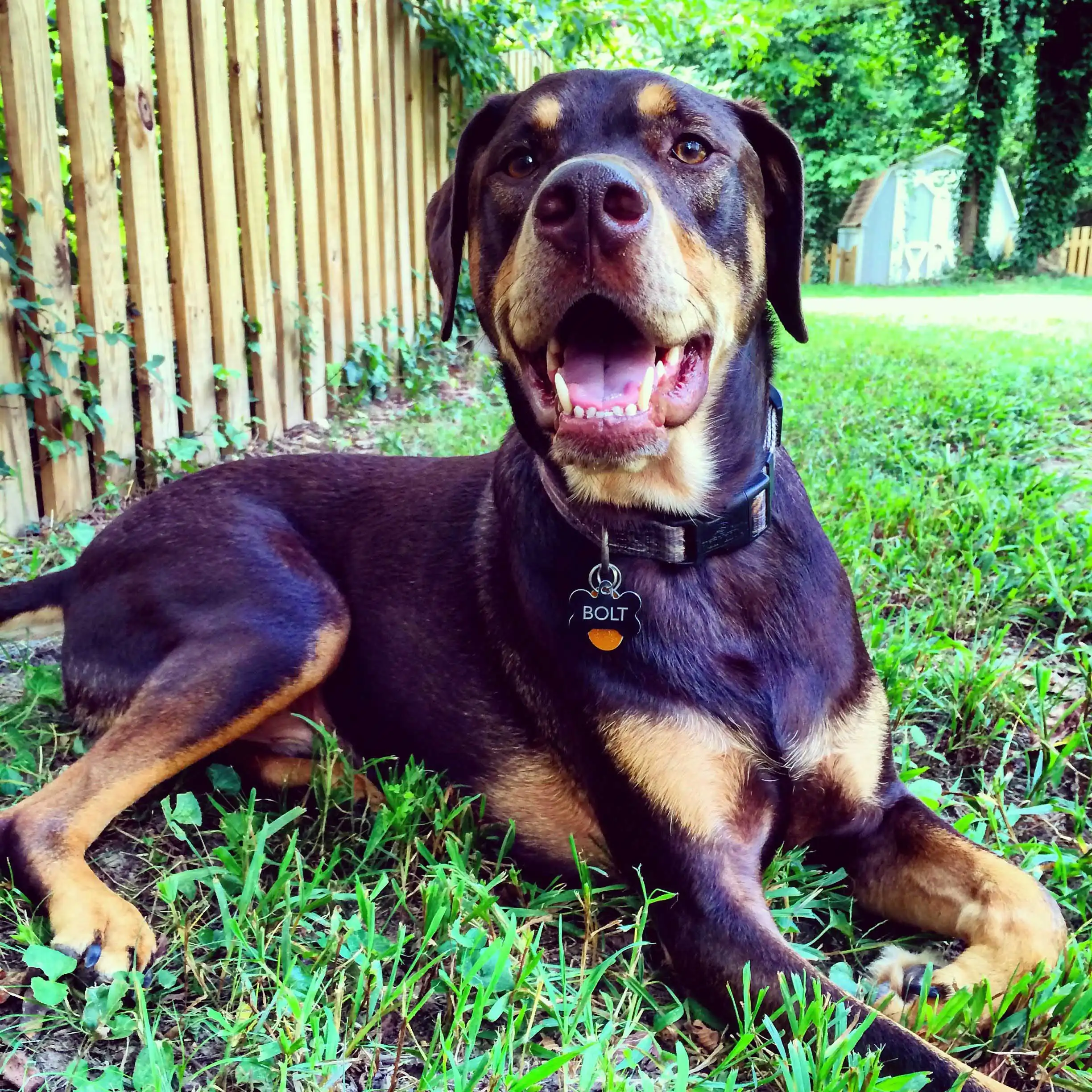
The Doberdor, a carefully bred hybrid of the Doberman Pinscher and the Labrador Retriever, showcases traits like courage, loyalty, and a protective nature, which makes it a wonderful choice for families. Generally, these sizable dogs exhibit a strong and graceful build, particularly when they take after the Doberman side. With their abundant energy, Doberdors flourish in homes that promote an active way of life.
Breed Origin
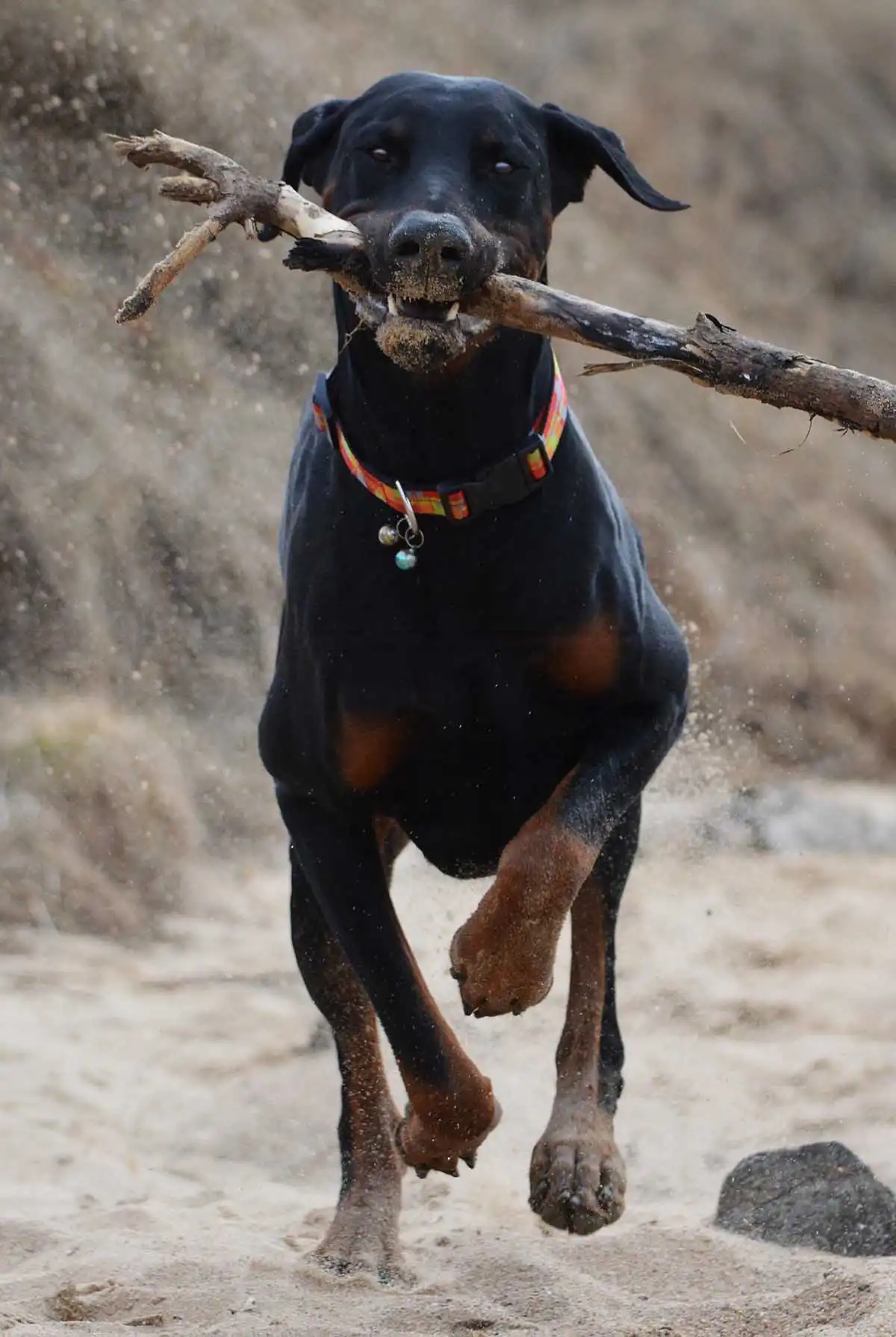
The Doberman is a robust and intelligent breed that originated in the 1800s in Apolda, Germany. Developed by Karl Dobermann, a tax collector, this breed emerged from a mix of various dogs available at his kennel, including the Rottweiler and the German Pinscher, ultimately resulting in the Doberman Pinscher. Initially bred for the purpose of guarding homes and individuals, the Doberman has since become a preferred choice for roles in law enforcement and military service. A poignant tribute to these dogs can be found in Guam's war dog cemetery, where a life-sized bronze statue titled "Always Faithful" commemorates their dedication and service. On the other hand, the Labrador Retriever is an energetic and cheerful breed that was initially developed for hunting, tracking, and retrieving waterfowl. Hailing from Newfoundland, Canada, in the 17th century, these dogs were commonly known as “water-dogs” due to their love for swimming and fetching. Today, they rank among the most popular breeds for guide dogs and search-and-rescue missions, having been officially recognized by the American Kennel Club since 1917.
Breed Appearance
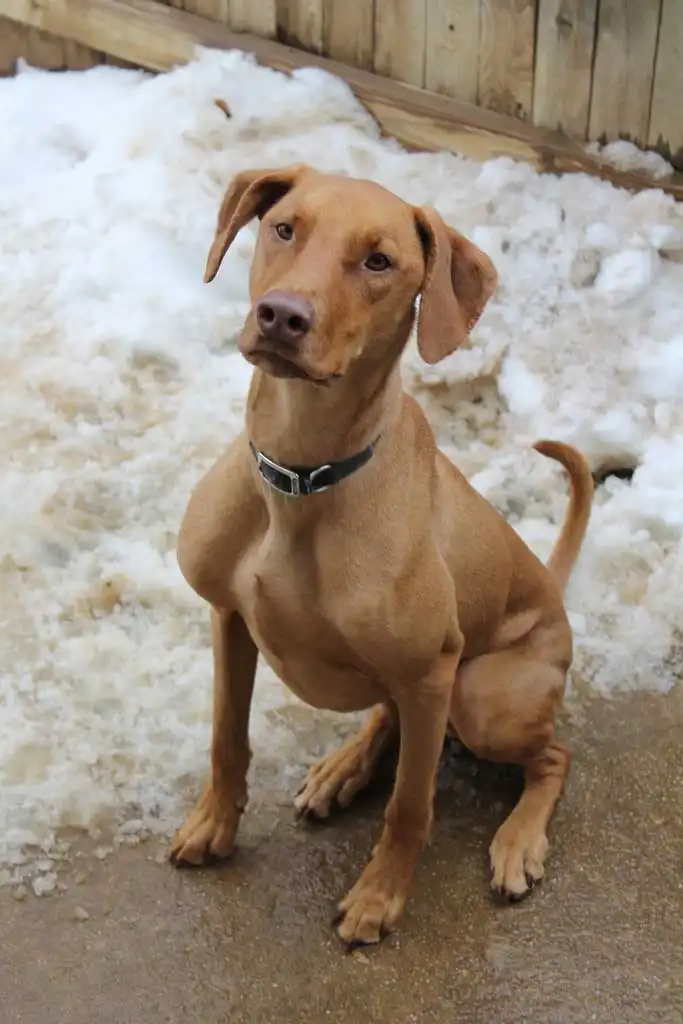
The Doberdor is a hybrid breed that typically reaches a height of 25 to 28 inches. Its coat colors are reminiscent of its Doberman lineage, showcasing hues like black, blue, red, and fawn, often highlighted by striking rust markings on the chest, muzzle, neck, above the eyes, paws, and tail tip. The breed usually sports a short coat that varies from smooth to dense, with some resembling the thicker texture of a Labrador's fur, and certain coats may even possess water-resistant qualities inherited from Labs. Doberdors typically have floppy, pendant-shaped ears and a short, broad muzzle, paired with keen brown eyes. Their tails are long, thick, and strong, although some owners opt to crop them, a practice that is generally discouraged. Overall, the Doberdor is a powerful and muscular breed celebrated for its strength.

Care Routine
If your Doberdor resembles its Doberman ancestry with a sleek, short coat, you’ll find that grooming requires minimal effort, as Dobermans are known for their low shedding. Conversely, if your Doberdor inherits the denser fur from its Labrador parent, you can expect more shedding. Moreover, if it exhibits more Labrador characteristics, regular baths may be necessary due to their propensity for oily skin; aim to bathe your Doberdor several times a month. Weekly brushing is also important, and you can choose between a pin brush or a slicker brush, both of which work well. As with any dog, routine dental care, nail trimming, and ear cleaning should be conducted every 4 to 6 weeks to help prevent potential health problems.
Behavior & Temperament
Like their parent breed, the Doberman, Doberdors typically inherit a strong protective instinct, making them outstanding guard dogs known for their unwavering loyalty to their families. These dogs are not only intelligent but also playful, thriving on social interactions and enjoying playtime with both their owners and fellow canines. While they are highly intelligent, they may display stubbornness if not adequately trained, which is why they are best suited for experienced dog owners. However, for those who are willing to dedicate time and patience to consistent obedience training, owning a Doberdor can be a fulfilling experience. This hybrid breed is particularly well-suited for families, especially those with children and other pets, but it is crucial to emphasize socialization and training to nurture their friendly disposition.


Play & Exercise
The Doberdor is an energetic mix that requires at least two to three long walks daily. These dogs flourish in homes with large backyards, where they have plenty of space to run and stay active. They are not well-suited for apartment living or busy urban settings, nor do they fit well in fast-paced households. Doberdors love playing fetch and retrieving toys, and they are always enthusiastic about swimming and running, reflecting the playful spirit commonly found in Labradors.
Things to Know
Cups Per Day
3.0 Cups
Daily Activity
75 Minutes
Average Lifespan
12 Years
Origin
2000's
Type
Crossbreeds
Size
Large
Origin Country
North America’s
Brush Frequency
Weekly
Coat Texture
Straight
Register
Your kids have been begging for a pet forever, and you've recently decided that it's time for your family to get a new addition -- a dog! While everyone is excited for the new arrival, you're wondering if you need to have a dog license. How much does it cost? Is it required? Where do you get one?
Member Clubs

PETINNATE
Other
Height & Weight
Weight
79 lbs (36 kg)Male: 85 lbs (39 kg) , Female: 73 lbs (33 kg)
Height
26 inches (66 sm)Male: 27 inches (69 sm) , Female: 26 inches (66 sm)
Eye Colors
Brown

Nose Colors
Black
Brown
Coat Colors
Brown
Black
Blue
Red
Fawn