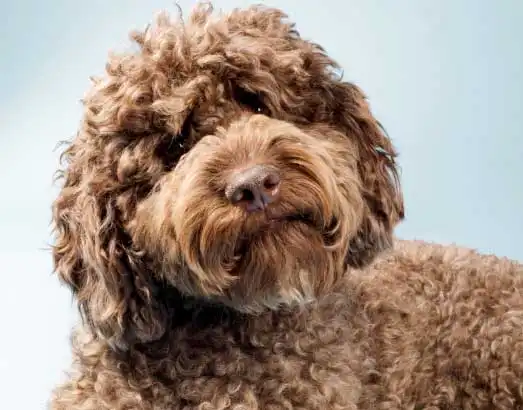
Labradoodle
The Labradoodle is a hybrid breed created by crossing a Labrador Retriever with a Poodle. This designer dog has become increasingly popular, prompting focused breeding initiatives for this specific mix. Labradoodles are known for their loving and playful demeanor, making them excellent companions for older children. However, their energetic nature might not be ideal for families with younger kids. One of their attractive features is their low shedding, which makes them hypoallergenic. They generally interact well with other dogs, but it’s crucial for them to have a safe, enclosed yard to burn off their excess energy.
Breed Origin
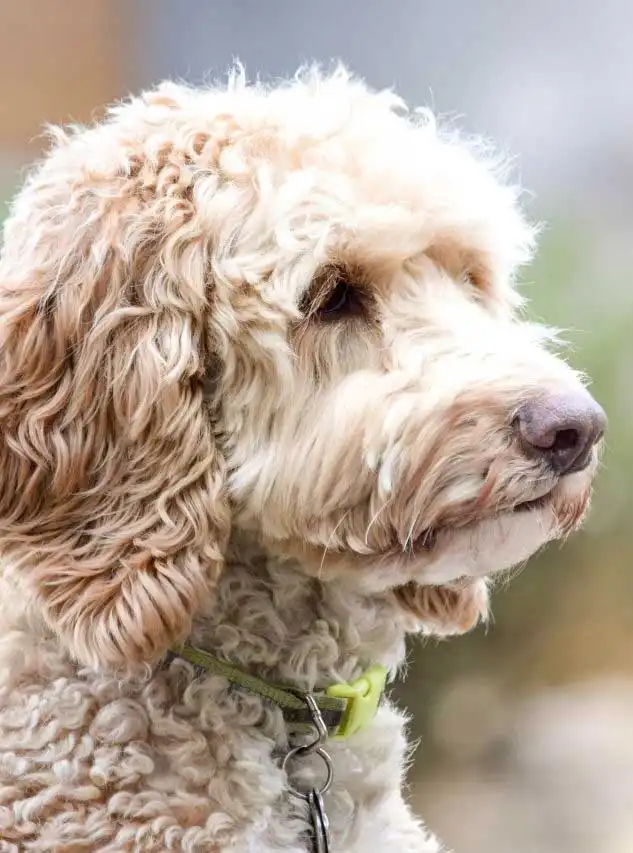
The Labradoodle is a relatively new breed in the canine world. It was developed in 1989 by Wally Conron, who was in charge of the breeding program at the Royal Guide Dogs Association of Australia. Conron successfully created this hybrid by crossing a Labrador Retriever with a Poodle. The first of these hybrids, named Sultan, was specifically bred to be hypoallergenic, which was one of the main objectives of the program. Sultan not only embodied the intelligence and temperament of both parent breeds but also excelled as a guide dog. His service to a woman in Hawaii underscored the potential of this new hybrid. Today, Labradoodles are among the most popular "doodle" breeds. While they are not yet officially recognized by the American Kennel Club, there are ongoing efforts to classify them as a distinct breed rather than just a designer dog. However, they have received acknowledgment from both the Australian Labradoodle Association and the International Australian Labradoodle Association.
Breed Appearance
The Labradoodle is a medium-sized dog, usually weighing up to 65 pounds and reaching a height of about two feet at the shoulder. Its coat typically measures between four to six inches long, primarily straight but occasionally featuring loose curls; however, it should not appear overly thick or fluffy. Labradoodles are available in a wide array of colors, such as gold, apricot, caramel, chalk, black, red, café, cream, silver, chocolate, parchment, and blue. They can also showcase a parti-coat pattern, which may include brindles, phantom markings, patches, or sable shades. A distinctive trait of this breed is its floppy ears.

Care Routine
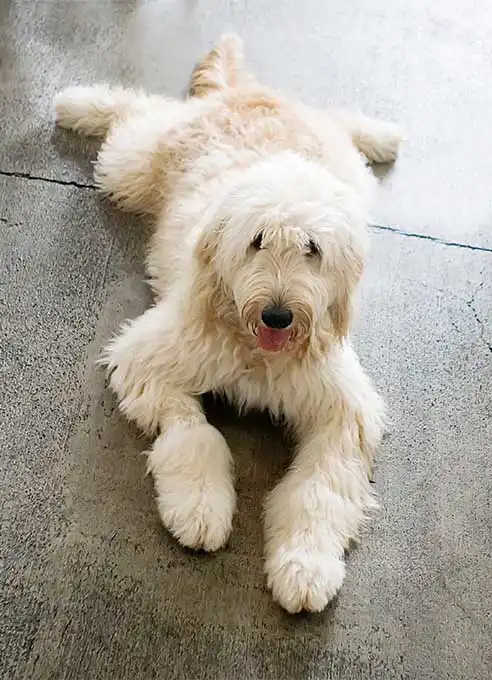
It's essential to keep in mind that Labradoodles are considered hypoallergenic. Although they have longer fur, their grooming needs are relatively low. The type of coat can differ, but it will always consist of a single layer. Their fur may be hair, similar to that of shedding breeds and often less desirable; wool, which is thick and resembles lamb's wool, typically non-shedding and odor-free; or fleece, which has a smooth texture akin to Angora goat hair and can be straight or wavy. The grooming requirements will depend on the specific coat type your Labradoodle has. Generally, brushing should be done once or twice a week, while clipping may be needed every six to eight weeks. Baths should only be administered as necessary. Nail trimming should occur every two to four weeks, particularly if you hear the sound of nails clicking on hard surfaces. To ensure good oral health and prevent bad breath, it's advisable to brush their teeth three times a week, or daily if you want to avoid dental issues.
Behavior & Temperament
The Labradoodle is a joyful, smart, and affectionate breed. While they typically get along well with children of all ages, parents of younger kids should note that Labradoodles can sometimes be overly exuberant, which might lead to them unintentionally knocking over smaller children. This behavior is not meant to be harmful, as Labradoodles are inherently friendly and loving towards everyone. To promote appropriate interactions with children, obedience training can be quite helpful. Generally, Labradoodles are easygoing and non-aggressive, known for their welcoming nature and often greeting strangers with excitement. Early socialization plays a crucial role in teaching your Labradoodle the expected behaviors in different situations.


Play & Exercise
The Labradoodle is characterized by its energetic nature, necessitating at least thirty minutes of daily exercise. To properly harness this energy, it’s advisable to provide him with around an hour of physical activity each day. Insufficient exercise can lead to destructive behaviors as he seeks outlets for his enthusiasm. A fenced yard can serve as a fantastic area for him to play and burn off energy. Nevertheless, it’s crucial for him to reside indoors with his family, as he does not do well when left outside by himself. Moreover, he should not be kept in a crate for long durations.
Things to Know
Cups Per Day
2.0 Cups
Daily Activity
60 Minutes
Average Lifespan
13 Years
Origin
1989
Type
Crossbreeds
Size
Medium
Origin Country
Australia
Brush Frequency
Weekly
Coat Texture
Wavy
Register
Your kids have been begging for a pet forever, and you've recently decided that it's time for your family to get a new addition -- a dog! While everyone is excited for the new arrival, you're wondering if you need to have a dog license. How much does it cost? Is it required? Where do you get one?
Member Clubs

PETINNATE
Other
Height & Weight
Weight
55 lbs (25 kg)Male: 63 lbs (29 kg) , Female: 48 lbs (22 kg)
Height
23 inches (58 sm)Male: 23 inches (58 sm) , Female: 22 inches (56 sm)
6 Months
15 lbs ( m 15 lbs, f 15 lbs )
11 inches ( m 11 inches, f 11 inches )
12 Months
22 lbs ( m 22 lbs, f 22 lbs )
13 inches ( m 13 inches, f 13 inches )
18 Months
42 lbs ( m 42 lbs, f 42 lbs )
20 inches ( m 20 inches, f 20 inches )
Eye Colors
Hazel

Nose Colors
Black
Brown
Coat Colors
Black

Red
Cream
Silver

Brindle
Characteristics
Mixes
Double Doodle
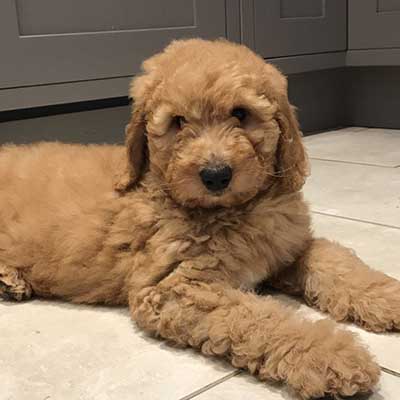
The Double Doodle is a mixed breed that results from crossing a Goldendoodle with a Labradoodle. Both parent breeds are typically medium to large and are known for their low-shedding coats, so it’s likely that your Double Doodle will inherit these characteristics. This breed may also possess a range of appealing traits from its ancestry, such as high energy, a friendly personality, and intelligence. The coat of a Double Doodle can come in various textures, including straight, wavy, or curly. To keep their coat healthy, regular grooming through combing and brushing is important. While Double Doodles are wonderful companions for families, their medium to large size means they should be supervised around young children. They are loving and gentle but can be quite energetic, which might lead to them accidentally knocking over a small child during play. A Double Doodle flourishes in a home with a fenced yard, where it has plenty of room to run, play, and explore. This breed is officially recognized by the Dog Registry of America.
Read more