Double Doodle
North America Retriever, Golden Labradoodle, Double Doodlepoo
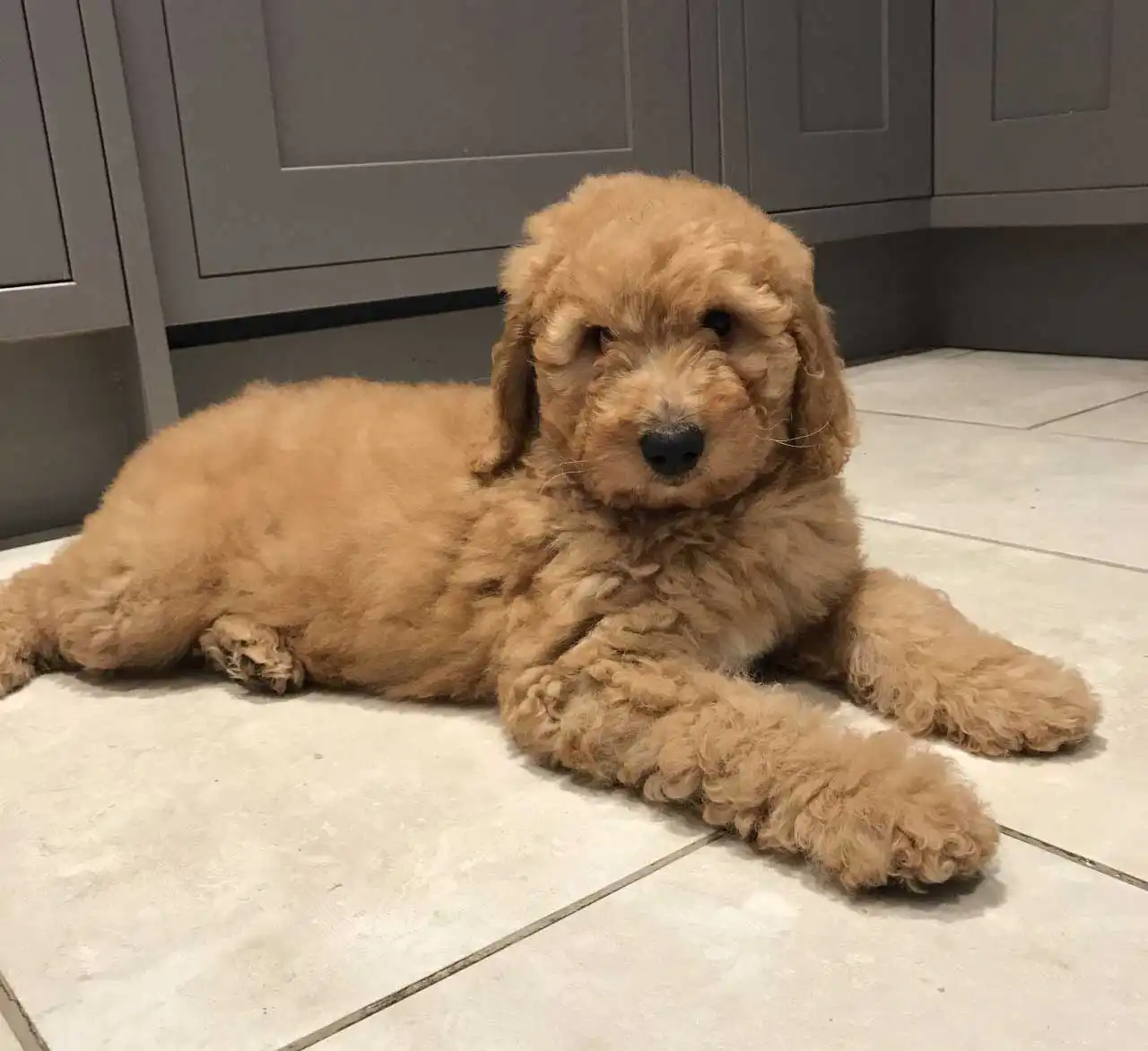
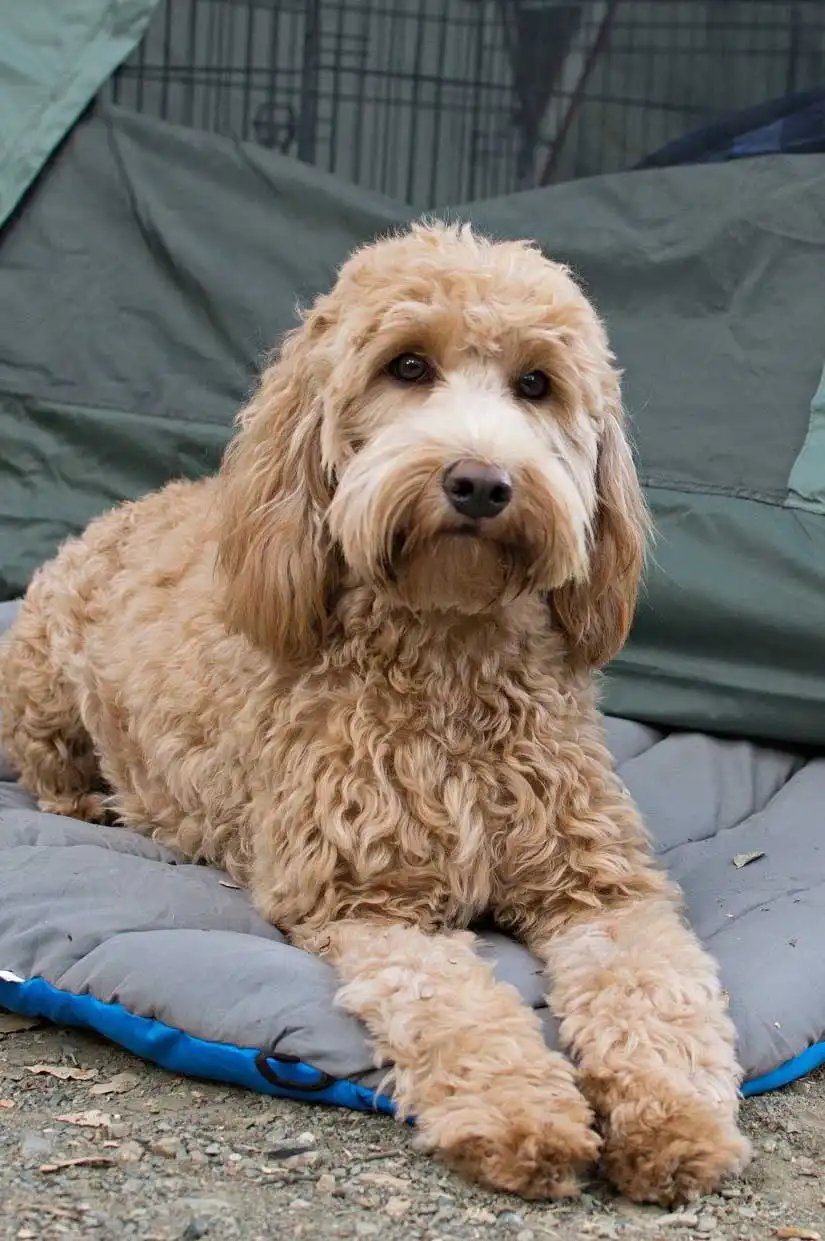
The Double Doodle is a mixed breed that results from crossing a Goldendoodle with a Labradoodle. Both parent breeds are typically medium to large and are known for their low-shedding coats, so it’s likely that your Double Doodle will inherit these characteristics. This breed may also possess a range of appealing traits from its ancestry, such as high energy, a friendly personality, and intelligence. The coat of a Double Doodle can come in various textures, including straight, wavy, or curly. To keep their coat healthy, regular grooming through combing and brushing is important. While Double Doodles are wonderful companions for families, their medium to large size means they should be supervised around young children. They are loving and gentle but can be quite energetic, which might lead to them accidentally knocking over a small child during play. A Double Doodle flourishes in a home with a fenced yard, where it has plenty of room to run, play, and explore. This breed is officially recognized by the Dog Registry of America.
Breed Origin
The Double Doodle, a modern hybrid breed, lacks extensive historical records. Therefore, we will delve into the backgrounds of its parent breeds: the Goldendoodle and the Labradoodle. The Goldendoodle is a cross between a Golden Retriever and a Poodle, which gained traction in the 1990s with the goal of producing hypoallergenic guide dogs. In a similar vein, the Labradoodle is a blend of a Labrador Retriever and a Poodle, first created by Australian Wally Conrad at the Royal Guide Dog Association in 1989. Looking into the ancestry of the Double Doodle's parent breeds, the Golden Retriever was developed in Scotland in the mid-19th century. This breed resulted from a mix of Water Spaniels and existing Yellow Retrievers, specifically bred to retrieve game from both land and water. The Golden Retriever made its debut in the United States in the early 1900s and received official recognition from The American Kennel Club in 1925. Today, Golden Retrievers fulfill various roles, including hunting, assisting individuals with disabilities, participating in search-and-rescue missions, and tracking. They consistently rank among the top ten most popular breeds, holding the third spot as of 2016. The Poodle, initially bred as a water retriever, is believed to have originated from the French Barbet and the Hungarian Water Hound, although some accounts point to a German water breed as its ancestor. By the 18th century, Poodles had become quite popular in Spain and were favored companions of Louis XVI in France during the late 1700s. Recognized as France’s national breed, Poodles are available in three sizes: Toy, Miniature, and Standard. They are considered the second most intelligent dog breed, following the Border Collie. Poodles have won "Best in Show" at the Westminster Kennel Club Dog Show in both 1991 and 2002, as well as at the World Dog Show in 2007 and 2010. Regarding the Labrador Retriever, some researchers trace its roots back to Portugal, where it was brought to Newfoundland by Portuguese fishermen. The name "Labrador" means "laborer" in Portuguese. In the 19th century, English aristocrats began importing these dogs from Newfoundland for hunting, initially calling them St. John's dogs. The Kennel Club of England recognized the Labrador Retriever as a separate breed in 1903, and it was registered with the American Kennel Club in 1917. Today, Labrador Retrievers are beloved family pets and serve in various roles, including as guide dogs for the visually impaired, service animals, therapy dogs, and in detection and search-and-rescue operations.
Breed Appearance
The Double Doodle is a hybrid breed that merges characteristics from its parent breeds: the Golden Retriever, Poodle, and Labrador Retriever. Generally categorized as a medium to large dog, this breed typically weighs between 50 and 80 pounds. Double Doodles can have a variety of coat types, including long, wavy, wiry, or curly, and their colors may range from cream, gold, black, brown, and tan to white. They usually have long tails, dark, expressive eyes, a black nose, and long, floppy ears, all of which enhance their endearing and loving nature. Interestingly, the appearance of Double Doodles can vary widely, even among siblings. One thing is for sure: your Double Doodle will be a delightful companion.


Care Routine
The Double Doodle is a breed known for its low-shedding coat and minimal grooming needs. To keep their fur in optimal condition, it’s advisable to brush them weekly, and occasional visits to a professional groomer can help maintain a neat look. Bathing your Double Doodle every few weeks with a gentle dog shampoo is recommended, as human shampoos can be too harsh and may lead to dry skin. Regularly inspecting their long, floppy ears is also important; they should be cleaned weekly and thoroughly dried after baths or swimming to prevent ear infections. To combat tartar buildup and gum disease, it’s essential to brush their teeth once a week. Nail trimming should be done monthly unless they naturally wear down. As with all dogs, scheduling an annual wellness check with the veterinarian is vital for ensuring your Double Doodle remains healthy and content.
Behavior & Temperament
The Double Doodle inherits a blend of characteristics from the Golden Retriever, Poodle, and Labrador Retriever, resulting in a dog that is not only intelligent and affectionate but also a wonderful companion for families. Renowned for their trainability, these dogs excel in obedience trials and various physical pursuits. They thrive on being included in their owners' activities, making them perfect partners for biking, jogging, hiking, and swimming. Generally friendly with other dogs, Double Doodles enjoy their time at dog parks. A well-socialized Double Doodle is typically welcoming to both new people and other dogs. While they are great with children, their medium to large size means that supervision is necessary around small kids, as they might accidentally knock them over. This breed is full of energy and requires ample attention, flourishing through interaction and an active lifestyle.


Play & Exercise
The Double Doodle is a lively breed that flourishes with plenty of activity. To ensure his happiness, he needs long daily walks, engaging play that challenges his mind, and tasks that stimulate his intelligence. Ideal activities include fetch, agility training, swimming, and jogging. This hybrid breed is not well-suited for apartment living, as his energetic disposition requires ample space to run and play. A home with a fenced yard would create an ideal setting for him to explore and satisfy his natural instincts. Double Doodles thrive in moderate temperatures and can struggle in extreme cold. During the winter months, it's wise to shorten his walks, and he may benefit from wearing a warm coat.
Things to Know
Cups Per Day
3.0 Cups
Daily Activity
60 Minutes
Average Lifespan
14 Years
Origin
Unknown
Type
Crossbreeds
Size
Large
Origin Country
United States
Brush Frequency
Weekly
Coat Texture
Wiry
Register
Your kids have been begging for a pet forever, and you've recently decided that it's time for your family to get a new addition -- a dog! While everyone is excited for the new arrival, you're wondering if you need to have a dog license. How much does it cost? Is it required? Where do you get one?
Member Clubs

PETINNATE
Other
Height & Weight
Weight
65 lbs (29 kg)Male: 65 lbs (29 kg) , Female: 65 lbs (29 kg)
Height
25 inches (64 sm)Male: 25 inches (64 sm) , Female: 25 inches (64 sm)
Eye Colors
Brown

Nose Colors
Black
Coat Colors
Cream
Black
Brown
White