New Labralound
Labrafoundland, Newfador
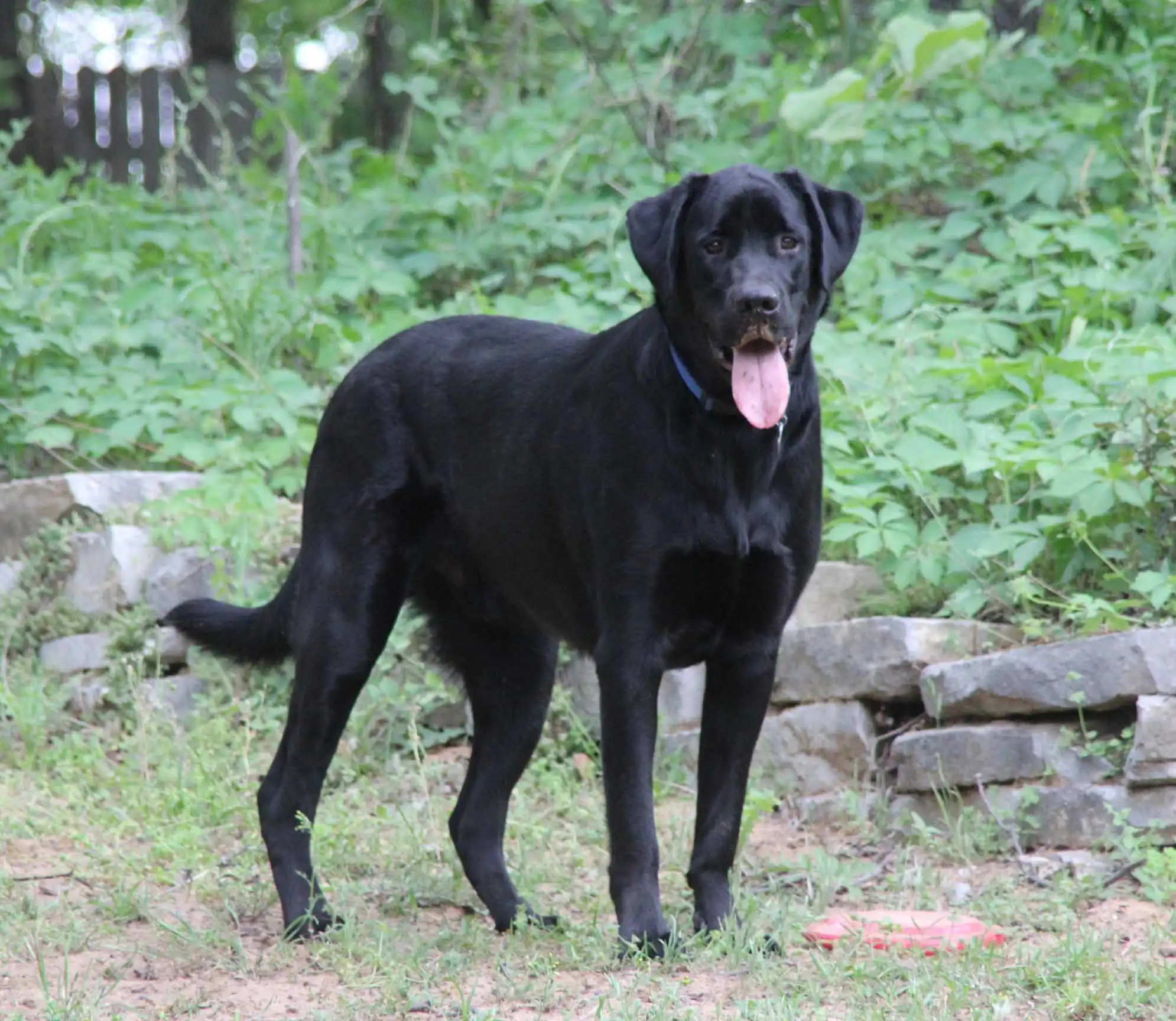
The New Labralound is a hybrid breed resulting from the combination of the Labrador Retriever and the Newfoundland. Both of these parent breeds are large, usually weighing around 100 pounds. Typically, these dogs reach a height of about 26 inches and possess a medium to long coat that is often dense, with textures that can be wavy or straight. Renowned for their friendly disposition, New Labralounds are wonderful family companions, displaying deep affection for children of all ages. They are also known for their patience and gentleness with other animals, including cats and small pets like rabbits, although they may have a natural instinct to retrieve them in certain situations.
Breed Origin
The New Labralound is a hybrid breed that requires an appreciation of its parent breeds: the Labrador Retriever and the Newfoundland. The Labrador Retriever originated in Canada during the 1800s, initially referred to as Saint John’s Water Dog, named after Newfoundland's capital. This impressive, large dog aided fishermen by retrieving fish that slipped from their nets, which is how it earned the name "Retriever." The term "Labrador" comes from the Labrador Sea. Historical accounts suggest that these dogs were brought to England in the early 1800s, with the Earl of Malmesbury being the first documented owner to acknowledge their exceptional hunting and retrieving abilities. Unfortunately, the breed nearly faced extinction in the 1880s due to Newfoundland regulations limiting dog ownership to one per household. However, the Malmesbury family and other breeders were instrumental in their conservation. The American Kennel Club officially recognized the breed in 1917, and it remains the most popular dog breed in the United States. In a similar vein, the Newfoundland breed also originates from Canada and is thought to have been introduced by European fishermen. There are several theories about its ancestry; some suggest it is related to the Great Pyrenees, while others believe it descends from the French Hound, with many agreeing on its connection to the Tibetan Mastiff. Historical records trace the Newfoundland back to the 1700s, where it was employed by fishermen to retrieve fish from their nets. Notably, in 1919, Newfoundlands were credited with rescuing around 20 people from a shipwreck by towing their lifeboat to safety. The American Kennel Club recognized the Newfoundland breed in 1886, and it currently ranks as the 35th most popular dog breed in the United States.
Breed Appearance
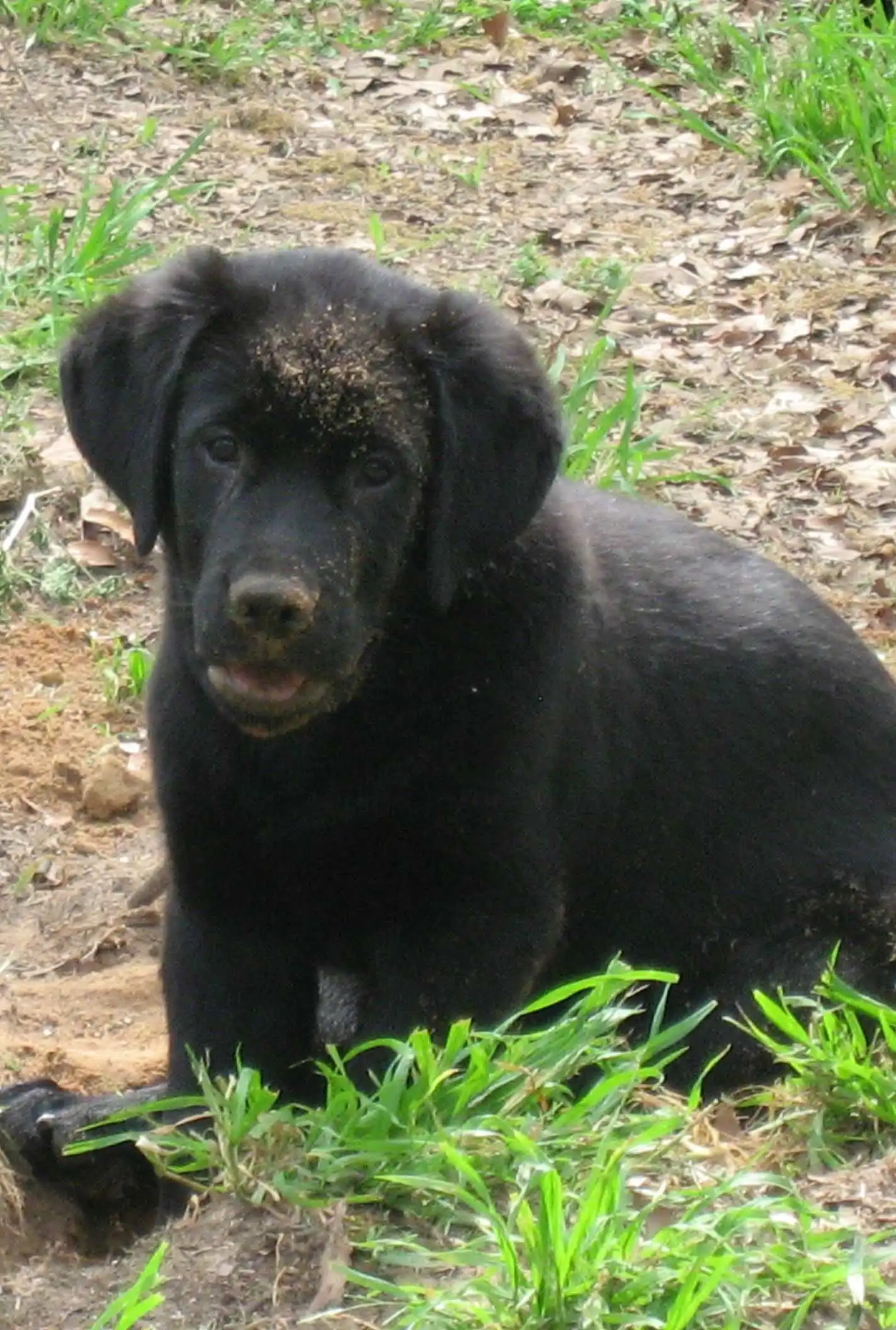
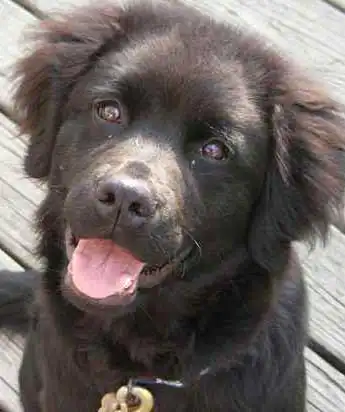
The New Labralound is a gentle giant, easily recognized by its inquisitive small brown eyes and a prominent black, leathery nose that sits atop a broad, tapered muzzle. This breed boasts floppy, furry ears, a well-defined forehead, and long, robust legs, all enhanced by a lengthy, feathered tail that typically hangs down unless it’s wagging, which it does often. Its coat is thick and water-resistant, featuring textures that range from straight to slightly wavy, with lengths varying from medium to long, while always retaining a soft and fluffy texture. Common color variations for this breed include combinations such as black and white, solid black, brown and white, solid brown, cream, fawn and brown, fawn and white, solid fawn, brindle, sable, and pied.

Care Routine
Your new Labralound needs to be groomed five to six times a week with a pin brush and a metal comb. During shedding season, it's crucial to use a deshedding tool, as they tend to lose a lot of fur during this time. For ear care, gently clean their ears with a damp cotton ball once a week, and check for any signs of ear mites, wax accumulation, or redness and irritation. Nail trimming should be done as needed, usually about once a month. Furthermore, it's essential to brush your dog's teeth using a soft toothbrush and toothpaste formulated for dogs to help prevent cavities and other dental problems.
Behavior & Temperament
This breed is well-known for its amiable temperament, a trait that can be traced back to its ancestry. Often considered among the best family pets, they display a kind and loving demeanor towards both children and other animals, showing little to no aggression and are generally straightforward to train. Nonetheless, it is crucial to keep them on a leash when outside a secure area, as they may instinctively pursue squirrels, rabbits, and other wildlife. They thrive on social interaction and playtime with other dogs, making them ideal companions for dog parks or any setting where they can meet fellow pups.


Play & Exercise
The New Labralound flourishes with consistent physical activity, which is essential for their well-being and joy. A lack of adequate exercise can lead to weight gain in these dogs. Ideally, they should partake in vigorous activities for a minimum of one to one and a half hours daily. They enjoy outdoor excursions and have a strong instinct to pursue local wildlife, so be prepared for that when you take them to the park. Their preferred activities include swimming, agility training, hiking, long walks, running, playing fetch, and any other pursuits that keep them engaged. Failing to provide enough exercise can result in behavioral issues, such as excessive barking and destructive chewing.
Things to Know
Cups Per Day
3.5 Cups
Daily Activity
90 Minutes
Average Lifespan
10 Years
Origin
2000s
Type
Crossbreeds
Size
Large
Origin Country
United States
Brush Frequency
Daily
Coat Texture
Straight
Register
Your kids have been begging for a pet forever, and you've recently decided that it's time for your family to get a new addition -- a dog! While everyone is excited for the new arrival, you're wondering if you need to have a dog license. How much does it cost? Is it required? Where do you get one?
Member Clubs

PETINNATE
Other
Height & Weight
Weight
91 lbs (41 kg)Male: 98 lbs (44 kg) , Female: 85 lbs (39 kg)
Height
26 inches (66 sm)Male: 27 inches (69 sm) , Female: 25 inches (64 sm)
6 Months
47 lbs ( m 47 lbs, f 47 lbs )
23 inches ( m 23 inches, f 23 inches )
12 Months
67 lbs ( m 67 lbs, f 67 lbs )
24 inches ( m 24 inches, f 24 inches )
18 Months
85 lbs ( m 85 lbs, f 85 lbs )
25 inches ( m 25 inches, f 25 inches )
Eye Colors
Brown
Nose Colors
Black
Coat Colors
Black
Brown
Cream
Fawn
Pied
Sable
Brindle