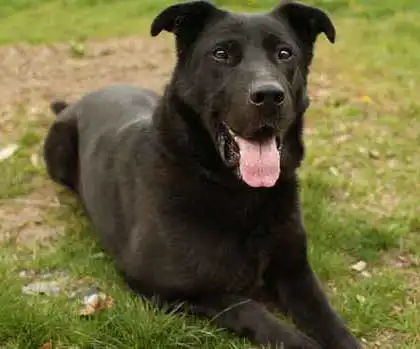
German Sheprador
Labrashepherd
The German Sheprador is a mixed breed resulting from the combination of a German Shepherd and a Labrador Retriever. This sizable dog is not only an alert guardian but also a loving companion. Although he sheds a moderate amount and requires consistent grooming, his coat is generally short, resembling that of the Labrador, although he might also have a double coat inherited from his German Shepherd ancestry. Renowned for his ability to learn quickly, he is especially great with kids, displaying both loyalty and a protective instinct. His substantial stature often acts as a strong deterrent against potential intruders.
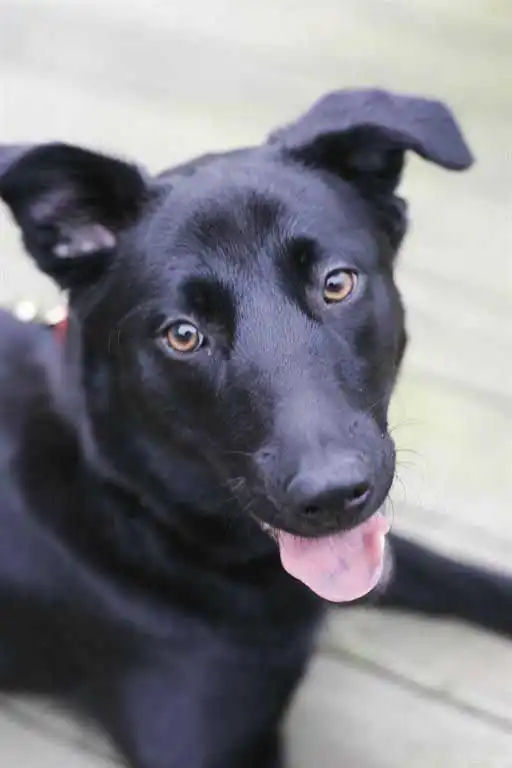
Breed Origin
Details regarding the German Sheprador breed are somewhat scarce, but by exploring its parent breeds, we can better understand what to expect from this hybrid. The Labrador Retriever originates from Newfoundland, located on Canada’s eastern coast. Initially referred to as St. John’s dog, after the capital of Newfoundland, this breed assisted fishermen in the 1700s. It has long been linked to labor, retrieving fish that fell from hooks and pulling in lines. The St. John’s dog is believed to be a mix of the Newfoundland dog and smaller local water breeds. English sportsmen imported several Labs to serve as retrievers during hunting expeditions. In 1830, the third Earl of Malmesbury brought a group of St. John’s dogs to England, coining the term “Labrador Retrievers.” Today, the Labrador is the most popular dog breed in the United States. However, in the 1880s, the breed faced a significant decline. The Malmesbury family and other dedicated enthusiasts worked tirelessly to revive it, leading to its resurgence in England. The American Kennel Club officially recognized the Labrador Retriever in 1917. Presently, Labs are not only beloved by hunters but also play vital roles in search and rescue, therapy, and drug detection. Conversely, the German Shepherd is a relatively new breed, established in 1899 when Captain Max von Stephanitz aimed to create a unique breed from various sheepherding dogs throughout Germany. He studied British breeding techniques and traveled across Germany to observe dogs at exhibitions. In 1899, he found what he considered the perfect dog, notable for its wolf-like appearance. He quickly acquired this dog and began breeding it with sheepherding breeds. Despite the decline of sheepherding in Germany, Stephanitz remained committed, introducing the breed into police and military roles. Eventually, the German government adopted the breed for military use. During World War II, some Allied soldiers obtained German Shepherd puppies, which helped introduce the breed to America.
Breed Appearance
The German Sheprador is a mixed breed that emerges from the combination of a Labrador Retriever and a German Shepherd. While detailed information about the German Sheprador is somewhat scarce, we can glean valuable insights by looking at its parent breeds. The Labrador Retriever is known for its double coat, which consists of a short, dense, and straight outer layer paired with a soft, weather-resistant undercoat—perfect for retrieving game from aquatic environments. Labradors are available in various colors, including chocolate, black, and yellow, with shades like polar white and fox red among the yellow variants. Conversely, the German Shepherd boasts a wide array of colors, with the iconic black and tan combination being the most well-known. However, they can also be found in solid black, black and cream, blue, gray, liver, sable, and white. It's important to mention that while white German Shepherds are not officially recognized by the AKC, some breeders do pursue this particular coloration. Regarding the German Sheprador, it is expected to inherit a thick, straight coat, although it remains unclear if it will have the water-resistant properties of its Labrador lineage. Typically, this breed will display an alert expression in its brown eyes and possess a long muzzle.
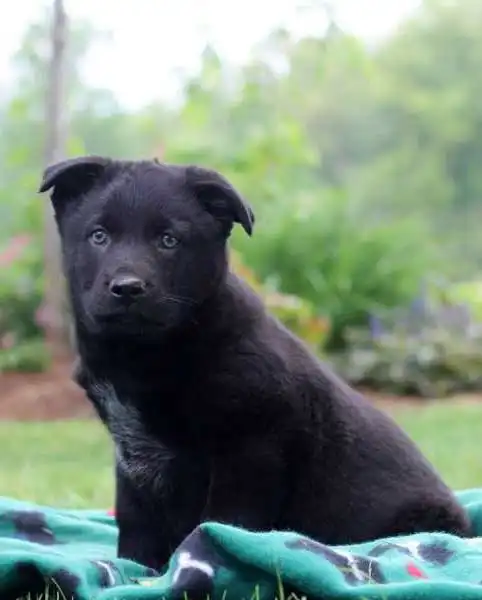

Care Routine
Information about the German Sheprador is somewhat scarce, but we can glean valuable insights into the care this hybrid requires by looking at its parent breeds. The Labrador Retriever has a double coat made up of a short, thick, and straight outer layer paired with a soft, weather-resistant undercoat. While Labs do shed, their grooming needs are relatively straightforward; a daily brushing with a soft bristle brush is typically adequate. Some experts recommend vacuuming the surrounding area afterward as well. Bathing should be done roughly every two months, although more frequent baths may be necessary if your Lab enjoys rolling in mud or other messy substances. Regular ear cleaning is essential; use a damp cotton ball to gently wipe the insides of the ears and check for any signs of odor or redness, which could indicate an infection, as their floppy ears are prone to such issues. Conversely, the German Shepherd usually has a medium-length double coat that protects its skin from harsh weather and repels dirt. While some German Shepherds may have longer hair, most feature a medium-length coat that can sometimes feel coarse. This breed tends to shed year-round, with two major shedding seasons each year. To manage this, brush your German Shepherd two to three times a week with a smooth bristle brush, and only bathe them when necessary, as they are generally clean and often odorless. Additionally, take advantage of the German Shepherd's natural chewing instinct by providing dental chews to support oral hygiene alongside regular brushing. In summary, your German Sheprador will thrive with daily brushing to keep its coat in excellent condition.
Behavior & Temperament
While information on the German Sheprador is somewhat scarce, looking into its parent breeds can shed light on the anticipated traits of this hybrid. The Labrador Retriever is renowned for its friendly disposition, marked by an outgoing personality, a strong eagerness to please, and a sociable nature. This breed thrives in the company of both humans and other animals and is recognized for its high trainability. Labradors are lively and need regular physical exercise and mental stimulation to flourish. On the other hand, the German Shepherd often carries a reputation for aggression, which is largely undeserved. This breed is highly alert and tends to be wary of strangers, making it an exceptional watchdog. Although it may take a while for a German Shepherd to become comfortable with new individuals, their loyalty is unwavering once a connection is established. They are intelligent and respond well to training, but they do not fare well in isolation. These dogs flourish on companionship and are deeply committed to their families. Without adequate interaction, they may engage in excessive barking or destructive behaviors out of boredom. Early socialization is essential for German Shepherds. Your German Sheprador is expected to be a loving and sensitive companion, ready to protect its family and engage in various activities.


Play & Exercise
The German Sheprador is a lively breed that needs ample exercise to maintain a healthy weight. Without enough physical activity, this dog may easily become overweight. To promote his well-being and good behavior, it's best for him to have a large yard where he can run and play at his leisure. He would also enjoy joining you for leisurely walks. A dog park serves as a fantastic option for the German Sheprador, providing opportunities for socialization and playtime with other dogs. Consistent exercise is crucial not just for his physical fitness but also to avoid behavioral problems such as excessive chewing or barking.
Things to Know
Cups Per Day
3.0 Cups
Daily Activity
60 Minutes
Average Lifespan
10 Years
Origin
Unknown
Type
Crossbreeds
Size
Large
Origin Country
United States
Brush Frequency
Daily
Coat Texture
Straight
Register
Your kids have been begging for a pet forever, and you've recently decided that it's time for your family to get a new addition -- a dog! While everyone is excited for the new arrival, you're wondering if you need to have a dog license. How much does it cost? Is it required? Where do you get one?
Member Clubs

PETINNATE
Other
Height & Weight
Weight
85 lbs (39 kg)Male: 90 lbs (41 kg) , Female: 80 lbs (36 kg)
Height
23 inches (58 sm)Male: 23 inches (58 sm) , Female: 23 inches (58 sm)
Eye Colors
Brown
Nose Colors
Black
Coat Colors
Black
White
Red
Cream
Blue
Gray
White