Sheprador
Aussie Sheprador, Australian Sheprador, Aussiedor
The Sheprador is a mixed breed that emerges from the combination of an Australian Shepherd and a Labrador Retriever. Both parent breeds are medium to large, so Shepradors typically weigh around 60 pounds, fitting comfortably within that size range. Renowned for their friendly nature, Shepradors are wonderful family companions, thriving in environments with children and other pets, while also being capable guard dogs. Their high intelligence facilitates straightforward training, allowing them to master a range of commands and tasks. This breed sports a medium-length, thick coat that needs to be brushed several times a week to reduce tangles and shedding. Furthermore, Shepradors are generally robust and can enjoy a lifespan of about 14 years.
Breed Origin
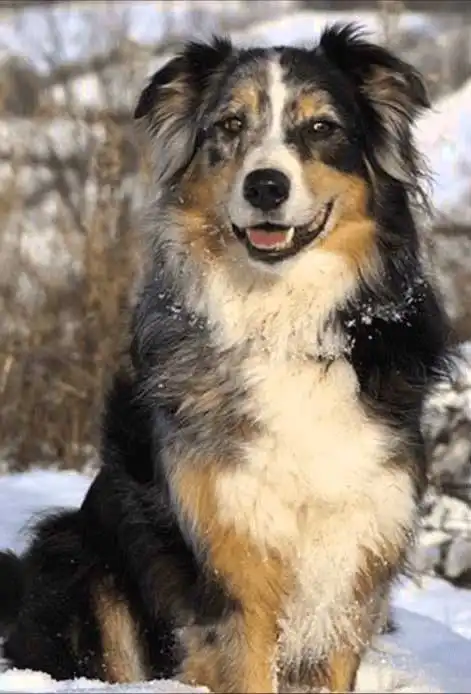
The Sheprador is a modern designer hybrid that does not have a well-defined historical lineage, which necessitates an examination of its parent breeds: the Australian Shepherd and the Labrador Retriever. The Australian Shepherd was created in the United States in the 1800s, with its ancestry linked to the Basque Shepherd, primarily serving as a herding dog. Its name is thought to have originated from the dogs that Basque immigrants brought from Australia. Known for their outstanding herding abilities, these dogs were adept at managing both cattle and sheep. In addition to herding, they have been employed in various roles, including search and rescue, therapy, drug detection, and as guide dogs. Their popularity surged in the 1950s, partly due to their appearances in films and rodeos as performing animals. The Australian Shepherd Club of America was founded in 1957, quickly becoming the largest breed registry in the nation. However, it wasn't until 1993 that the American Kennel Club formally recognized the breed. Conversely, the Labrador Retriever traces its origins back to the 18th century as the Saint John’s Water Dog in Newfoundland, Canada. Fishermen valued these dogs for their skills in helping to haul fishing nets and retrieve lost catches. The breed's name comes from the Labrador Sea, where it was first developed. In the 1820s, the Earl of Malmesbury brought Labradors to England, but a strict law banning the ownership of female Labradors nearly caused their extinction in Newfoundland. Despite this challenge, the breed thrived in England and gained popularity in the United States during the 1900s, where it has been the most favored dog breed since 1917.
Breed Appearance
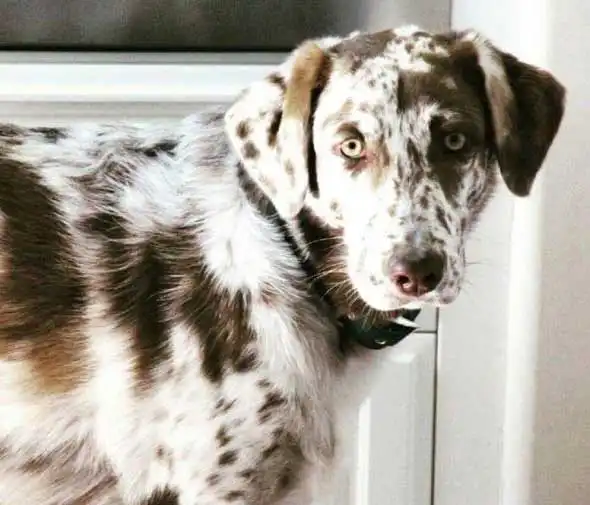
The Sheprador breed generally reaches a height of 22 to 26 inches and weighs between 40 and 80 pounds. They are known for their strong, muscular build, featuring a wide, squared head, a powerful jaw, and a prominent muzzle. Their eyes may be brown or blue, paired with a black nose and a sturdy neck. The coat is of medium length and density, providing some water resistance, and comes in various colors such as merle, brindle, speckled, pied, black, chocolate, tan, blue, red, white, or any mix of these hues. Shepradors have long legs and a medium-length tail, which is often seen wagging or curled over their back.

Care Routine
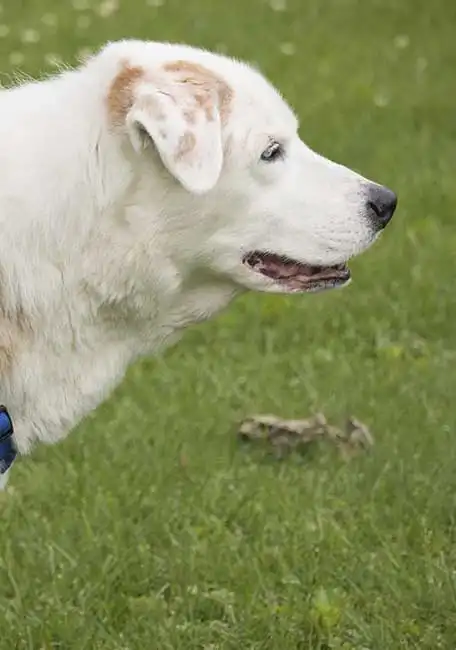
To ensure your Sheprador remains in top condition, it's important to brush their coat three to four times weekly with a high-quality comb and either a bristle or pin brush. Their dense fur is prone to matting, so having a dematting tool available can be beneficial. Regular shedding is typical, and consistent brushing will help reduce the amount of hair that collects on your furniture and clothing. Bathing should be reserved for when it's truly necessary, using a mild conditioning shampoo that your veterinarian recommends. Additionally, don’t forget to trim your dog's nails and clean their ears as required. Dental hygiene is also crucial; brushing your Sheprador's teeth several times a week can help prevent gum disease and tooth decay.
Behavior & Temperament
This breed is a fantastic option for families due to their loving nature towards both children and other pets. Their kind temperament, paired with a loyal and protective instinct, makes them exceptional companions. They are also highly alert and intelligent, which enables them to serve as effective watchdogs, prepared to safeguard their family from any potential dangers. Although they typically respond well to training and commands, it’s crucial to maintain consistent training; without it, they might try to herd kids or other animals. With proper training and socialization, a Sheprador can develop into a delightful friend and protector.
Play & Exercise
Like many larger dog breeds, your Sheprador flourishes in a spacious, securely fenced yard where she can play freely. However, if you can dedicate time to take her for a couple of walks daily, she will adjust well to that lifestyle. This breed needs around 60 to 90 minutes of vigorous exercise each day to stay healthy and prevent problems like obesity and boredom. A lack of physical activity can result in anxiety, aggression, and various behavioral issues. Your Sheprador may particularly enjoy engaging in activities such as agility training, navigating obstacle courses, playing flyball, catching frisbees, hunting, herding, swimming, or socializing with other dogs at the park.
Things to Know
Cups Per Day
2.5 Cups
Daily Activity
60 Minutes
Average Lifespan
13 Years
Origin
2000s
Type
Crossbreeds
Size
Large
Origin Country
United States
Brush Frequency
Daily
Coat Texture
Straight
Register
Your kids have been begging for a pet forever, and you've recently decided that it's time for your family to get a new addition -- a dog! While everyone is excited for the new arrival, you're wondering if you need to have a dog license. How much does it cost? Is it required? Where do you get one?
Member Clubs

PETINNATE
Other
Height & Weight
Weight
60 lbs (27 kg)Male: 65 lbs (29 kg) , Female: 55 lbs (25 kg)
Height
24 inches (61 sm)Male: 25 inches (64 sm) , Female: 24 inches (61 sm)
6 Months
30 lbs ( m 30 lbs, f 30 lbs )
22 inches ( m 22 inches, f 22 inches )
12 Months
45 lbs ( m 45 lbs, f 45 lbs )
23 inches ( m 23 inches, f 23 inches )
18 Months
65 lbs ( m 65 lbs, f 65 lbs )
24 inches ( m 24 inches, f 24 inches )
Eye Colors
Blue
Brown
Nose Colors
Black
Coat Colors
Black
Gray

Brown
Red
Cream
Fawn
Blue

Silver
White
Pied
Sable
Brindle