Labernese
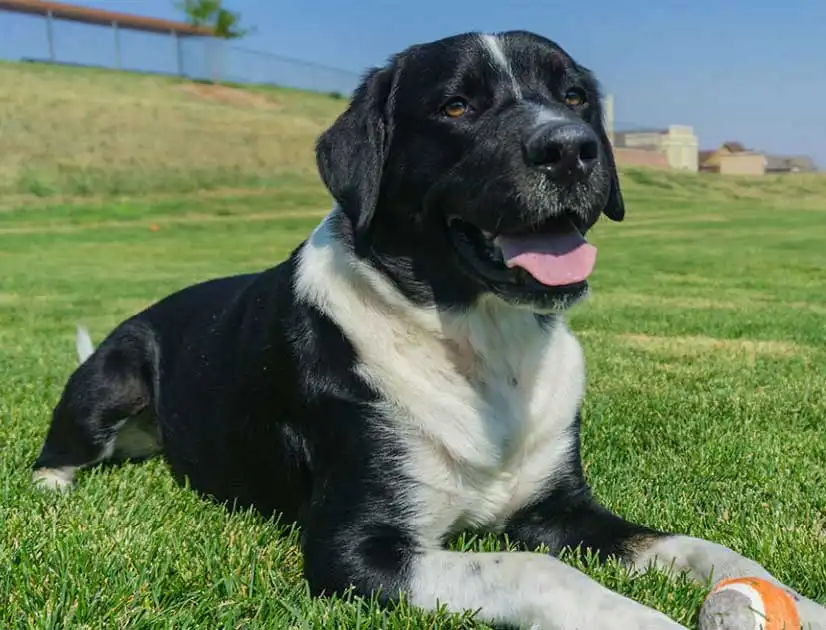
The Labernese is a mixed breed that results from the combination of a Labrador Retriever and a Bernese Mountain Dog. These large, friendly dogs flourish in family settings and struggle when left alone for long periods, often leading to separation anxiety and potentially destructive behavior. Renowned for their gentle temperament, calm disposition, and intelligence, Labernese dogs were initially bred to support individuals who are blind or disabled, making them wonderful family companions. They typically get along well with children and need regular physical activity to stay healthy and content. However, a notable downside of this breed is its relatively brief lifespan. Their coats come in common colors such as black, yellow, chocolate, and white, with patterns that can be solid, bi-colored, or tri-colored. The fur is thick, soft, long, and wavy.
Breed Origin
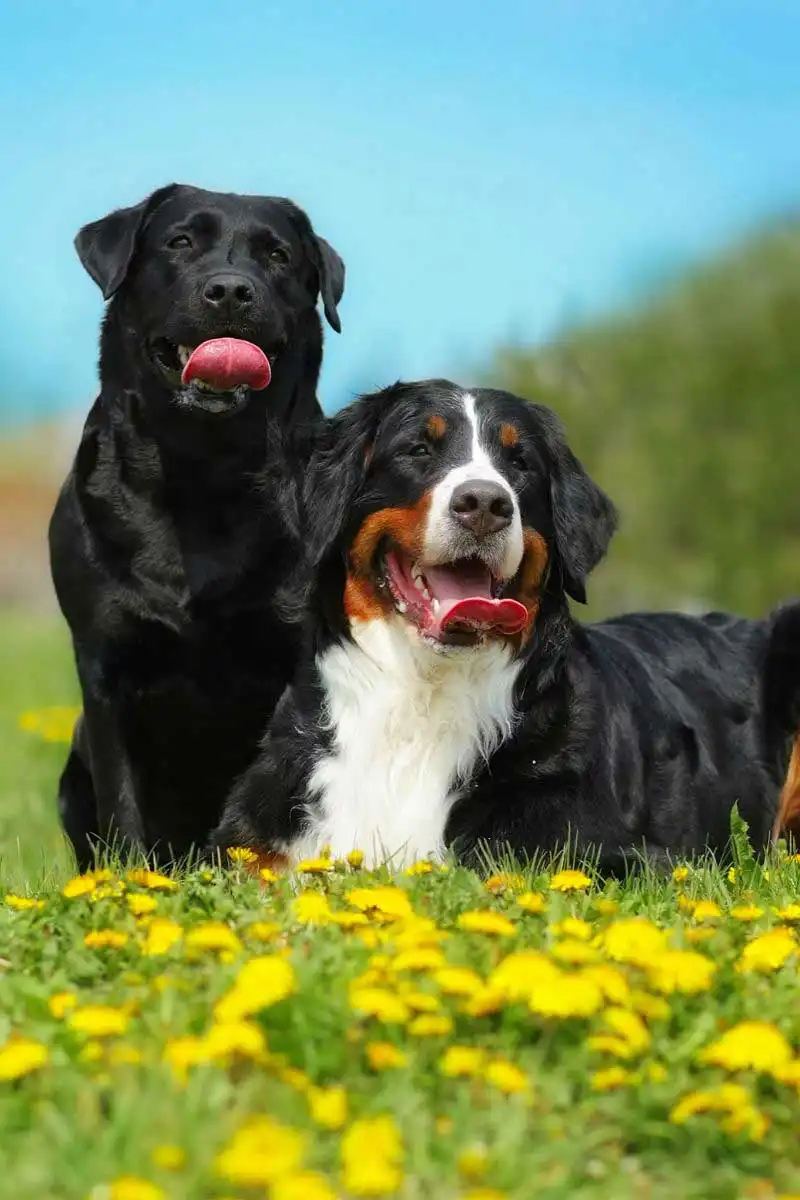
The Labernese is a mixed breed that emerges from the crossbreeding of a purebred Bernese Mountain Dog, a working breed native to the Swiss Alps, and a Labrador Retriever, which was originally developed by fishermen in Newfoundland for its work ethic. The aim of this hybridization was to merge the best characteristics of both breeds, creating an ideal companion for individuals with visual impairments or disabilities. The Mira Foundation spearheaded the breed's development in the 1990s and launched an official breeding program approximately a decade later. This foundation is named in honor of Mirabelle, one of the first guide dogs trained by its founder, Éric St-Pierre. They emphasize the importance of high-quality bloodlines and maintain strict breeding standards to ensure that their dogs have the right temperament for assisting those in need. Both parent breeds are renowned for their intelligence, gentleness, and patience, boasting a rich history as working dogs. The Labrador Retriever, once known as St. John's Dogs, is not only recognized as a guide dog but also plays crucial roles in narcotics detection and search and rescue missions. On the other hand, the Bernese Mountain Dog, affectionately called the Berner, has been used for over 2,000 years in the Swiss Alps for tasks such as guarding and herding cattle. Their ancestry likely traces back to the Molosser, a Mastiff-type dog brought by the Romans in the first century B.C. After World War I, Berners made their way to England and the United States. The Bernese Mountain Dog Club of America was founded in 1968, and the breed was officially recognized by the American Kennel Club in 1981. Both breeds are exceptional companions, thriving on human interaction, and they excel in various dog sports and competitions.
Breed Appearance
The Labernese is a mixed breed created by crossing a purebred Labrador Retriever with a Bernese Mountain Dog. Typically, these dogs are large to giant, weighing up to 110 pounds and averaging about 28 inches in height. Their coats can be found in a variety of colors, such as black, yellow, white, and chocolate, and they may display solid, bi-colored, or tri-colored patterns. The Labernese is characterized by its thick, shaggy, and soft double coat. Their dark, almond-shaped eyes reflect a friendly and intelligent expression. They have a straight muzzle and floppy ears that lie close to their head. With a sturdy build, strong legs, and deep chests, these dogs are both powerful and graceful.

Care Routine
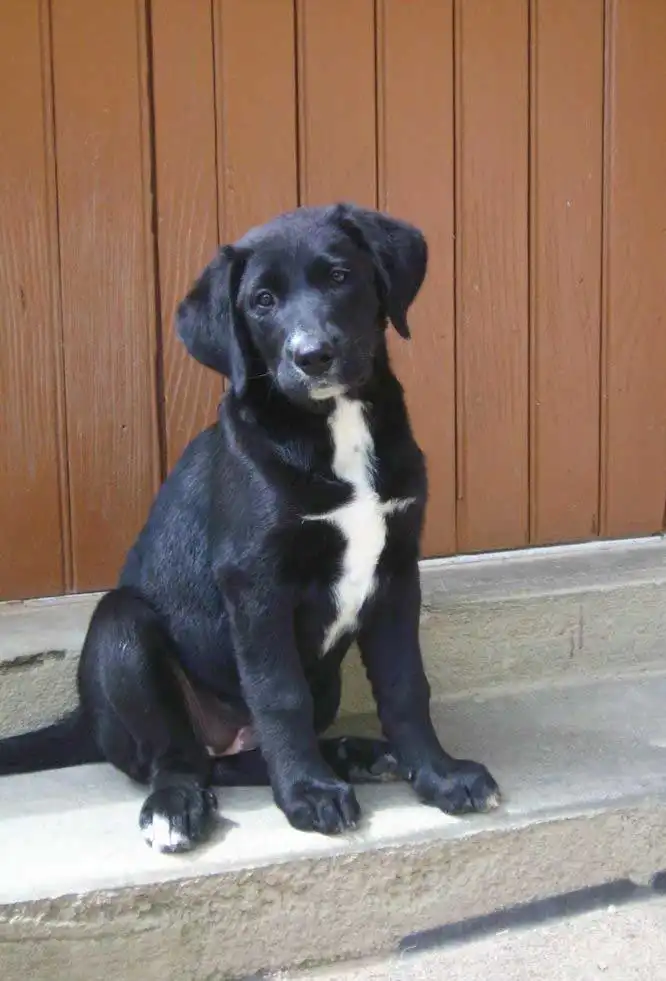
The Labernese breed is known for shedding quite a bit, making daily brushing a necessity to eliminate loose fur and prevent matting. They don’t require frequent baths; only wash them when they are especially dirty, as regular bathing can cause dry skin. When you do bathe them, it’s best to use a shampoo that is approved by a veterinarian and to rinse it out thoroughly. This breed is prone to ear infections, so it’s important to check their ears regularly, particularly after swimming. Although their active nature often keeps their nails naturally worn down, it’s a good idea to inspect them from time to time. Furthermore, starting a daily teeth brushing routine early on is essential for their dental health.
Behavior & Temperament
The Labernese is a sizable and gentle breed celebrated for its loving temperament, intelligence, and desire to please. These dogs flourish in social settings and may suffer from separation anxiety if left alone for long periods, potentially leading to destructive behaviors. Although they have a sturdy physique, they are quite energetic and need regular exercise to maintain their health and happiness. Known for their patience and friendly nature, Labernese make wonderful companions for children. However, due to their larger size, it’s essential to supervise interactions with small children and teach them how to engage respectfully. They also tend to get along well with other animals. While Labernese can act as effective watchdogs, alerting their owners to possible intruders, their friendly nature generally prevents them from being aggressive. This breed is relatively straightforward to train, responding best to positive reinforcement methods, making them a good choice for first-time dog owners, as long as they are provided with a firm and confident training approach.


Play & Exercise
The Labernese is an energetic breed that needs consistent physical activity, which can involve long walks and hikes. They love swimming, making trips to the beach a great choice, and they take great pleasure in playing with balls and frisbees. This breed shines in canine sports and often excels in obedience and agility training. Although they prefer cooler weather, it's crucial to avoid exercising them during the hottest times of the day. Given their size, Labernese dogs are not well-suited for apartment living; a home with a securely fenced yard is more appropriate. To keep them happy and healthy, they should engage in about an hour of exercise daily.
Things to Know
Cups Per Day
4.0 Cups
Daily Activity
60 Minutes
Average Lifespan
10 Years
Origin
1990s
Type
Crossbreeds
Size
Large
Origin Country
Canada
Brush Frequency
Daily
Coat Texture
Wavy
Register
Your kids have been begging for a pet forever, and you've recently decided that it's time for your family to get a new addition -- a dog! While everyone is excited for the new arrival, you're wondering if you need to have a dog license. How much does it cost? Is it required? Where do you get one?
Member Clubs

PETINNATE
Other
Height & Weight
Weight
86 lbs (39 kg)Male: 88 lbs (40 kg) , Female: 84 lbs (38 kg)
Height
26 inches (66 sm)Male: 27 inches (69 sm) , Female: 25 inches (64 sm)
6 Months
62 lbs ( m 62 lbs, f 62 lbs )
18 inches ( m 18 inches, f 18 inches )
12 Months
72 lbs ( m 72 lbs, f 72 lbs )
23 inches ( m 23 inches, f 23 inches )
18 Months
84 lbs ( m 84 lbs, f 84 lbs )
25 inches ( m 25 inches, f 25 inches )
Eye Colors
Brown

Nose Colors
Black