Rhodesian Labrador
The Rhodesian Labrador is a breed that stands out for its striking beauty, gentle demeanor, and affectionate nature, yet it also exhibits a determined and occasionally stubborn personality. These large, energetic dogs are incredibly loyal, forging deep bonds with their owners that result in a strong companionship. They revel in playtime and have a particular fondness for children, often outlasting even the most energetic youngsters in their games. Although they have a tall and slender build, Rhodesian Labradors are not suited for outdoor living; they prefer the comfort of being indoors, close to their families, sharing snacks, and engaging in playful antics. Their enthusiasm for food is well-known, so it's wise to be mindful of their clever begging strategies and those irresistible, pleading expressions. They can gain weight quickly and are prone to bloat, a serious health concern, making it essential to space their meals and limit treats. Training is crucial for this breed to help them realize their full potential. However, they can be quite stubborn; harsh discipline may lead them to become withdrawn and sulky. Positive reinforcement, through praise and encouragement, proves to be much more effective with these delightful dogs. While they are generally non-aggressive, they may show caution around unfamiliar people and can adopt a stance that seems threatening. In summary, the Rhodesian Labrador is a lively, playful, and affectionate breed with a hint of goofiness, making them a promising and devoted companion.
Breed Origin
The Rhodesian Labrador is a relatively recent hybrid breed, and its history is not thoroughly documented. To grasp its traits, we can look at its parent breeds. The Rhodesian Ridgeback originates from Zimbabwe, formerly known as Rhodesia, and was primarily developed as a working dog. Its functions included hunting and retrieving game, as well as protecting families and properties. The breed's lineage involves meticulous crossbreeding with ridgeback dogs brought by Boer settlers in the 16th century, along with local breeds such as the Khoikhoi, Mastiff, Deerhound, and Great Dane. In 1877, Reverend Helm introduced two Ridgebacks to Matabeleland, where hunters quickly recognized their prowess in hunting in packs. These dogs excelled at tracking and holding lions at bay until the hunters arrived, earning them the nickname African Lion Hound. Their strength and confidence made them dependable companions, and they were highly esteemed. The breed made its way to the United States in 1950 and received recognition from the American Kennel Club in 1955. Conversely, the Labrador Retriever is one of the most cherished breeds in the United States. Hailing from Newfoundland, these dogs aided fishermen by retrieving fish that slipped from nets or by plunging into frigid waters to assist in hauling in the nets. In the 1800s, they were transported to England by ship, where they were crossbred with Spaniels, Setters, and other Retrievers to enhance their hunting skills. This breeding effort proved highly effective, and the Labrador, affectionately referred to as the Lab, is renowned for its hunting and retrieving prowess. Labs are celebrated for their trainability and often serve as affectionate companions while also taking on various roles. They have been employed in drug detection, law enforcement, guiding the visually impaired, search and rescue missions, sledding, carting, and competitive obedience in dog shows. With their cheerful demeanor, Labs are frequently seen sporting broad smiles and tongues lolling out, embodying a joyful spirit.
Breed Appearance
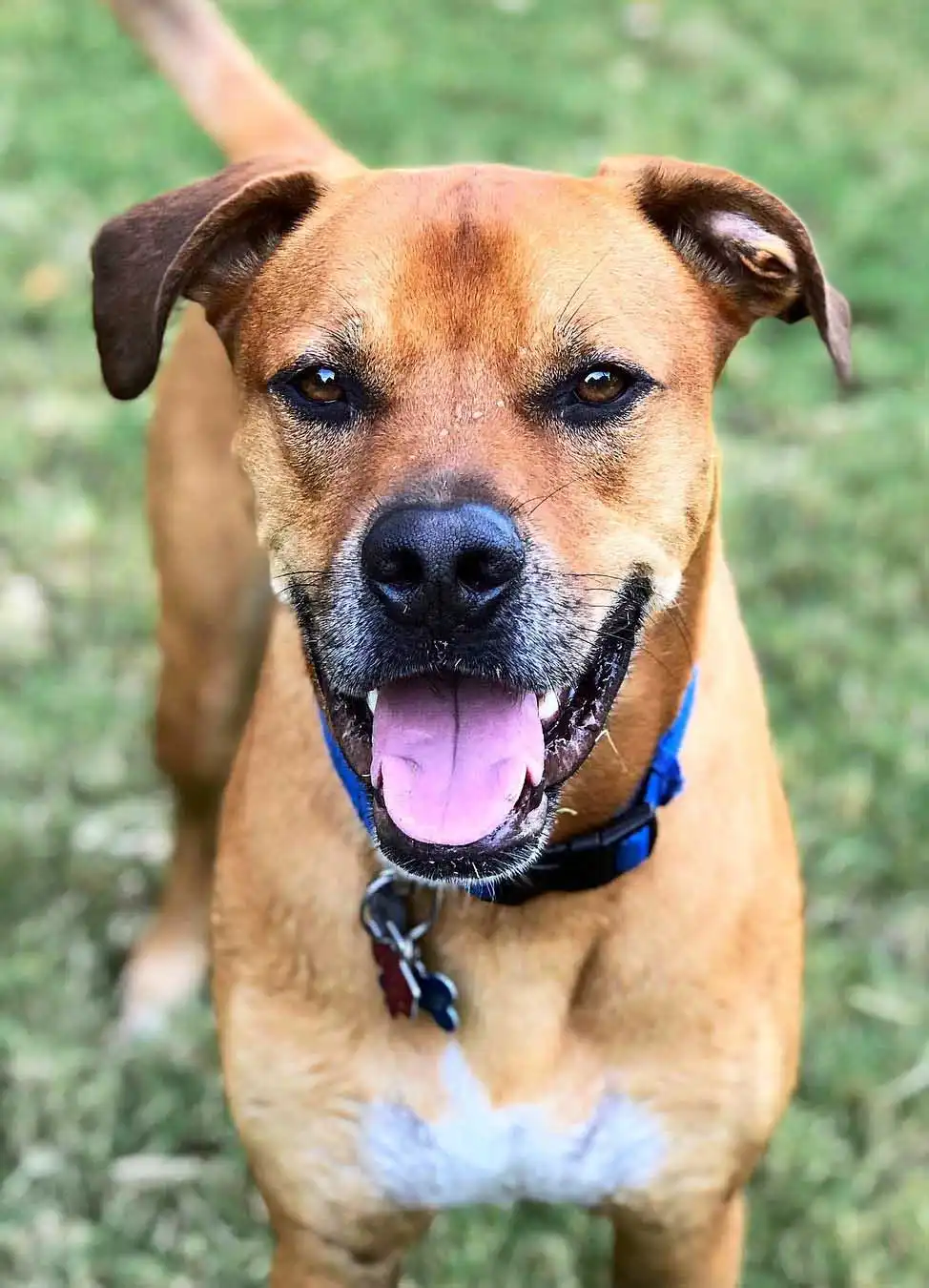
The Rhodesian Labrador captivates with its long legs and sleek, athletic physique. Its deep chest supports a strong neck that gracefully holds a refined head. The top of the head features a gentle curve, often marked by a subtle indentation between the eyes. The dog's bright, expressive eyes, which are round and come in shades of rich amber or dark brown, are framed by a dark rim, exuding curiosity and personality. The muzzle is elongated and tapered, ending in a black nose, with a dark area surrounding the mouth and teeth that meet in a neat scissors bite. The ears, set wide apart, almost frame the head; they typically stand slightly erect but may occasionally fold at the tips. This striking appearance is completed by a long tail and a poised stance, reflecting a dog that is both confident and highly aware of its surroundings.


Care Routine
This guide emphasizes the importance of low-maintenance care. Rhodesian Labradors shed moderately, and a weekly brushing with a stiff bristle brush will effectively eliminate loose hair while enhancing the luster of their sleek coat. Some individuals may inherit the Labrador's double coat, which may require more frequent grooming. Typically, professional grooming is not necessary unless you need help with nail trimming. Due to their floppy ears, these dogs are susceptible to ear infections, as the warm and moist environment can promote bacterial growth. It’s recommended to gently clean their ears weekly and dry them with a soft cloth. A foul odor from the ears may signal an infection. Bathing should be reserved for when they are especially dirty, and it’s crucial to use a gentle dog shampoo that is safe for their skin. After all this care, a thorough teeth brushing, combined with some loving cuddles and praise, will ensure your dog feels truly happy.
Behavior & Temperament
The Rhodesian Labrador is a charming mix of tranquility, self-assurance, and happiness, making it a distinctive canine friend. While they possess a strong inclination to please their owners, they can occasionally show a stubborn streak. Rather than responding negatively to this behavior, the best strategy is to offer plenty of praise and small, delicious treats when they exhibit good behavior. Establishing a firm leadership role is vital; without it, they may try to take charge themselves. A training approach that balances firmness with kindness is essential for this noble breed to flourish. These dogs adapt well to apartment living thanks to their calm and quiet demeanor indoors, but they do need daily walks to burn off energy. Generally, they are not overly vocal, but they will alert you to unfamiliar visitors. While they are not aggressive, they may adopt a defensive posture to ward off perceived threats. Additionally, they have a tendency to chase small animals or confront other dogs, so early training and comprehensive socialization during their puppy stage are crucial to manage these instincts. The Rhodesian Labrador has a robust appetite and can gain weight rapidly, which may lead to serious health concerns like bloat. To avoid this, it’s recommended to provide them with smaller, more frequent meals. These dogs make excellent companions for children, as they are playful, loving, and protective of their families. With their substantial size and even bigger hearts, Rhodesian Labradors truly embody the essence of gentle giants when it comes to their loved ones.


Play & Exercise
The Rhodesian Labrador is a lively breed that can surprisingly exhibit a calm and composed demeanor when indoors. They are not suited for solitary outdoor living; rather, they flourish in the company of their family and crave close connections. A daily walk will meet their exercise requirements, but it’s crucial to keep them on a leash, as their strong hunting instincts may prompt them to chase after low-flying birds or fast-moving small animals, often ignoring calls to return. These dogs are fantastic with children, relishing games and splashing around in water. Visiting a dog park can enhance their social skills and help them acclimate to other dogs, and they will joyfully engage with their peers once they feel at ease. The Rhodesian Labrador makes an ideal workout partner, eagerly accompanying you on runs or bike rides, simply content to be by your side. Afterward, they will happily curl up with the family for a peaceful nap to recharge.
Things to Know
Cups Per Day
2.5 Cups
Daily Activity
120 Minutes
Average Lifespan
11 Years
Origin
Unknown
Type
Crossbreeds
Size
Large
Origin Country
United States
Brush Frequency
Weekly
Coat Texture
Straight
Register
Your kids have been begging for a pet forever, and you've recently decided that it's time for your family to get a new addition -- a dog! While everyone is excited for the new arrival, you're wondering if you need to have a dog license. How much does it cost? Is it required? Where do you get one?
Member Clubs

PETINNATE
Other
Height & Weight
Weight
76 lbs (34 kg)Male: 78 lbs (35 kg) , Female: 74 lbs (34 kg)
Height
25 inches (64 sm)Male: 26 inches (66 sm) , Female: 24 inches (61 sm)
6 Months
19 lbs ( m 19 lbs, f 19 lbs )
13 inches ( m 13 inches, f 13 inches )
12 Months
36 lbs ( m 36 lbs, f 36 lbs )
17 inches ( m 17 inches, f 17 inches )
18 Months
74 lbs ( m 74 lbs, f 74 lbs )
23 inches ( m 23 inches, f 23 inches )
Eye Colors
Brown
Amber
Nose Colors
Black
Coat Colors
Fawn
Brown
Sable
Red
Black
Isabella