Pugador
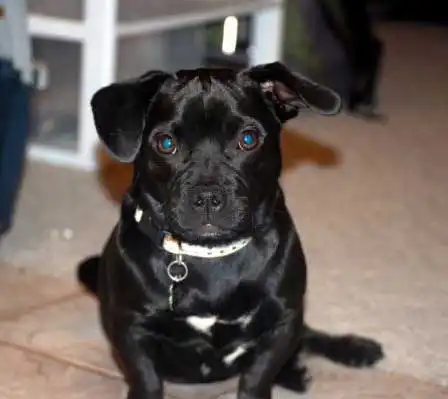
The Pugador is a hybrid breed that emerges from the combination of a Pug and a Labrador Retriever. While comprehensive details about this mix are scarce, we can deduce its characteristics by looking at the qualities of its parent breeds. Labrador Retrievers are renowned for their loyalty, affection, and well-rounded temperament, while Pugs are characterized by their calm nature and occasional stubbornness. Both breeds thrive on the companionship of their human families. In terms of size, Pugs are generally small, whereas Labradors can be medium to large. As a result, you can anticipate that a Pugador will weigh between 30 and 50 pounds and exhibit a mix of the personality traits inherited from both parent breeds.
Breed Origin
The Pugador is a relatively new hybrid breed, yet its parent breeds have rich and extensive histories. The Pug's roots can be traced back to China during the Han dynasty, which spanned from 206 B.C. to 200 A.D. There is evidence that dogs resembling the Pug existed in ancient Tibet and Japan. In the 1500s and 1600s, Dutch traders brought these dogs to Europe, where they became known as Mopshond and quickly gained favor among the aristocracy. By the 1800s, two main breeding lines had developed in England: the Morrisson line, derived from the royal dogs of Queen Charlotte, and another line established by Lord and Lady Willoughby de Eresby, which included dogs imported from Hungary and Russia. After the Civil War, the breed made its way to the United States and was officially recognized by the American Kennel Club in 1885. The Labrador, named after the capital of Newfoundland, was initially called the St. John’s Water Dog in the 1700s. During this time, it played a crucial role in assisting fishermen by retrieving fish that fell from their nets. The breed eventually adopted the name Labrador, which is derived from the Labrador Sea. Historical accounts suggest that the Labrador made its way to London in the 1820s, where it found one of its first owners in the second Earl of Malmesbury. The breed's rise in popularity can be attributed to its remarkable retrieving abilities while hunting with humans. However, in the 1880s, the Labrador faced a significant decline in numbers, leading the Malmesbury family and several English breeders to take measures to ensure its survival. The breed finally made its debut in the United States during the 1920s.
Breed Appearance
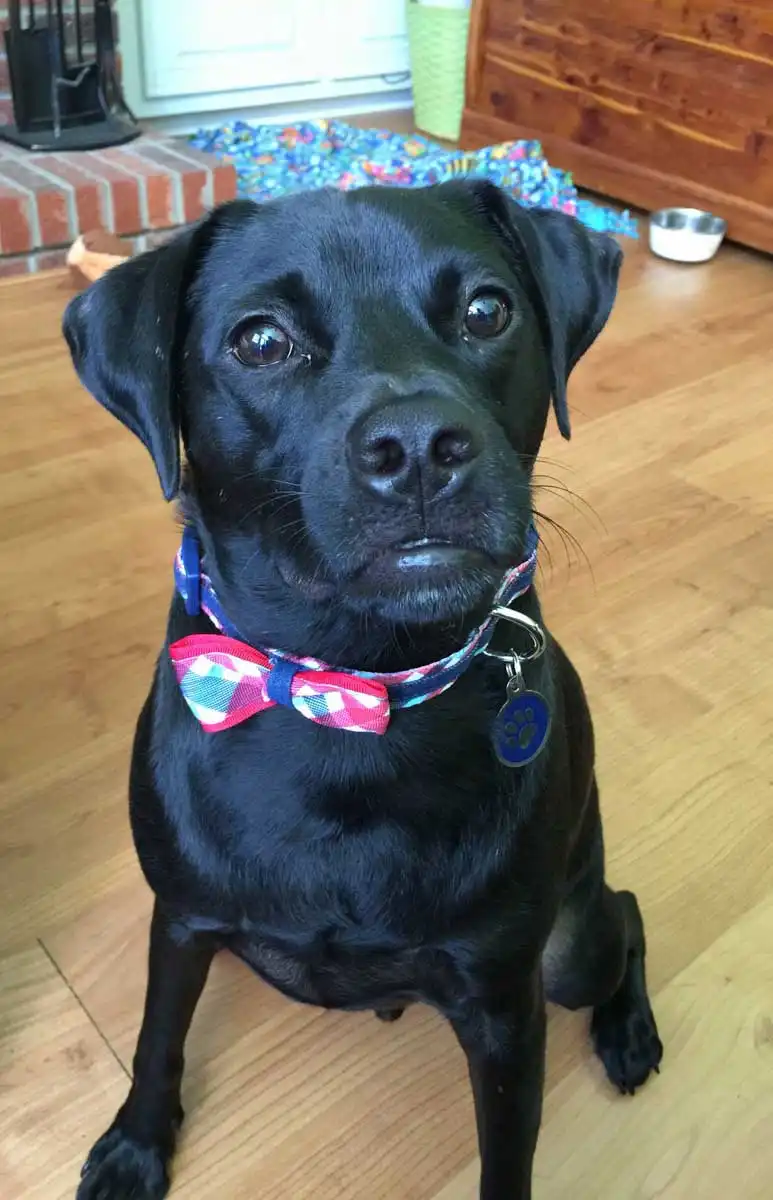
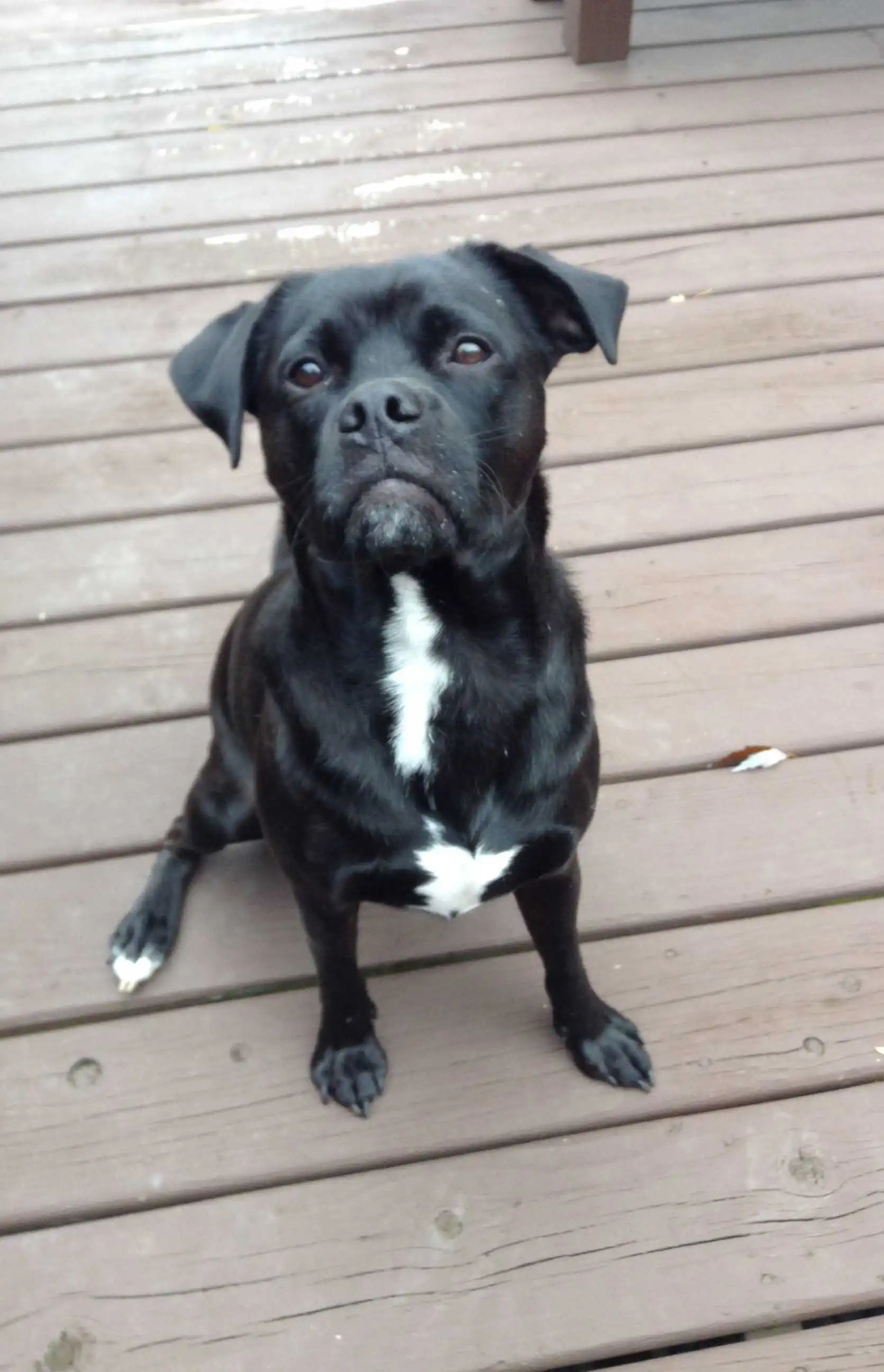
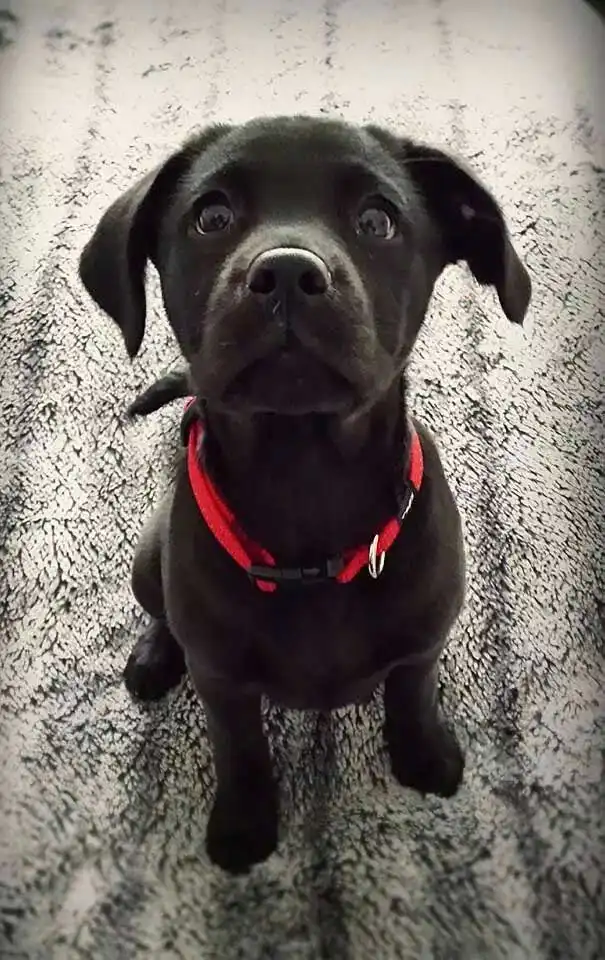
The Pugador, a crossbreed between the small Pug and the medium to large Labrador Retriever, can vary significantly in size. This hybrid typically boasts a thick coat, a trait inherited from the double-layered fur of its parent breeds, and is available in a variety of colors, including white, black, brown, and tan. The Pugador may exhibit a robust and compact body shape from the Pug, while also displaying the athletic physique typical of the Labrador. Often, this mix will have facial features that echo those of the Labrador, yet still show distinct Pug characteristics, such as large, expressive eyes and a slightly upturned snout. As with all hybrids, the Pugador embodies a combination of traits from both parent breeds, resulting in a distinctive and unique appearance.
Care Routine
The Pugador requires a moderate amount of care. Shedding can fluctuate, but given that Pugs are notorious for shedding quite a bit—particularly during the summer months—this trait may also be seen in the hybrid. To effectively manage shedding and ensure a healthy coat, daily brushing is recommended. Bathing your Pugador every one to two months is advisable, depending on the state of his coat and how dirty he tends to become. It's also important to check his ears weekly and trim his nails as necessary. If your dog has inherited facial wrinkles, keeping those folds clean and dry is crucial. Furthermore, maintaining regular dental hygiene is vital; aim to brush your Pugador's teeth several times a week to support long-term oral health.
Behavior & Temperament
While there isn't a wealth of information available about the temperament of the Pugador, you can glean valuable insights by looking at the characteristics of its parent breeds. Pugs are recognized for their strong desire to be near their owners, whereas Labrador Retrievers are renowned for their loyalty and warmth. This combination implies that a Pugador is probably a devoted companion, keen to be around its family. Although Labradors generally have a relaxed nature, Pugs can occasionally display a stubborn streak. Nonetheless, both breeds are known for their intelligence and sociability, suggesting that the hybrid is likely to interact well with other pets and people.


Play & Exercise
The Pugador will inherit the activity levels and energy characteristics of its parent breeds. Pugs tend to be relaxed indoors but still require some physical activity, which can include walks or outdoor play. It's important to note that Pugs should steer clear of vigorous exercise in hot and humid conditions. In contrast, Labradors are recognized for their high energy and need regular exercise, such as long walks, trips to the dog park, and outdoor playtime with their owners. A large, fenced yard would be perfect for a Pugador, providing space to explore and burn off energy. Depending on the traits it inherits, a Pugador is likely to have a moderate energy level and will need a balanced amount of daily activity to stay healthy and avoid issues related to boredom.
Things to Know
Cups Per Day
1.5 Cups
Daily Activity
50 Minutes
Average Lifespan
0 Years
Origin
Unknown
Type
Crossbreeds
Size
Medium
Origin Country
Unknown
Brush Frequency
Daily
Coat Texture
Straight
Register
Your kids have been begging for a pet forever, and you've recently decided that it's time for your family to get a new addition -- a dog! While everyone is excited for the new arrival, you're wondering if you need to have a dog license. How much does it cost? Is it required? Where do you get one?
Member Clubs

PETINNATE
Other
Height & Weight
Weight
38 lbs (17 kg)Male: 40 lbs (18 kg) , Female: 35 lbs (16 kg)
Height
17 inches (43 sm)Male: 18 inches (46 sm) , Female: 16 inches (41 sm)
6 Months
17 lbs ( m 17 lbs, f 17 lbs )
7 inches ( m 7 inches, f 7 inches )
12 Months
32 lbs ( m 32 lbs, f 32 lbs )
15 inches ( m 15 inches, f 15 inches )
18 Months
35 lbs ( m 35 lbs, f 35 lbs )
16 inches ( m 16 inches, f 16 inches )
Eye Colors
Hazel

Brown
Amber
Nose Colors
Black
Brown
Coat Colors
Black
White
Brown
Fawn