Leonberger
Gentle Lion, Gentle Giant, Leo
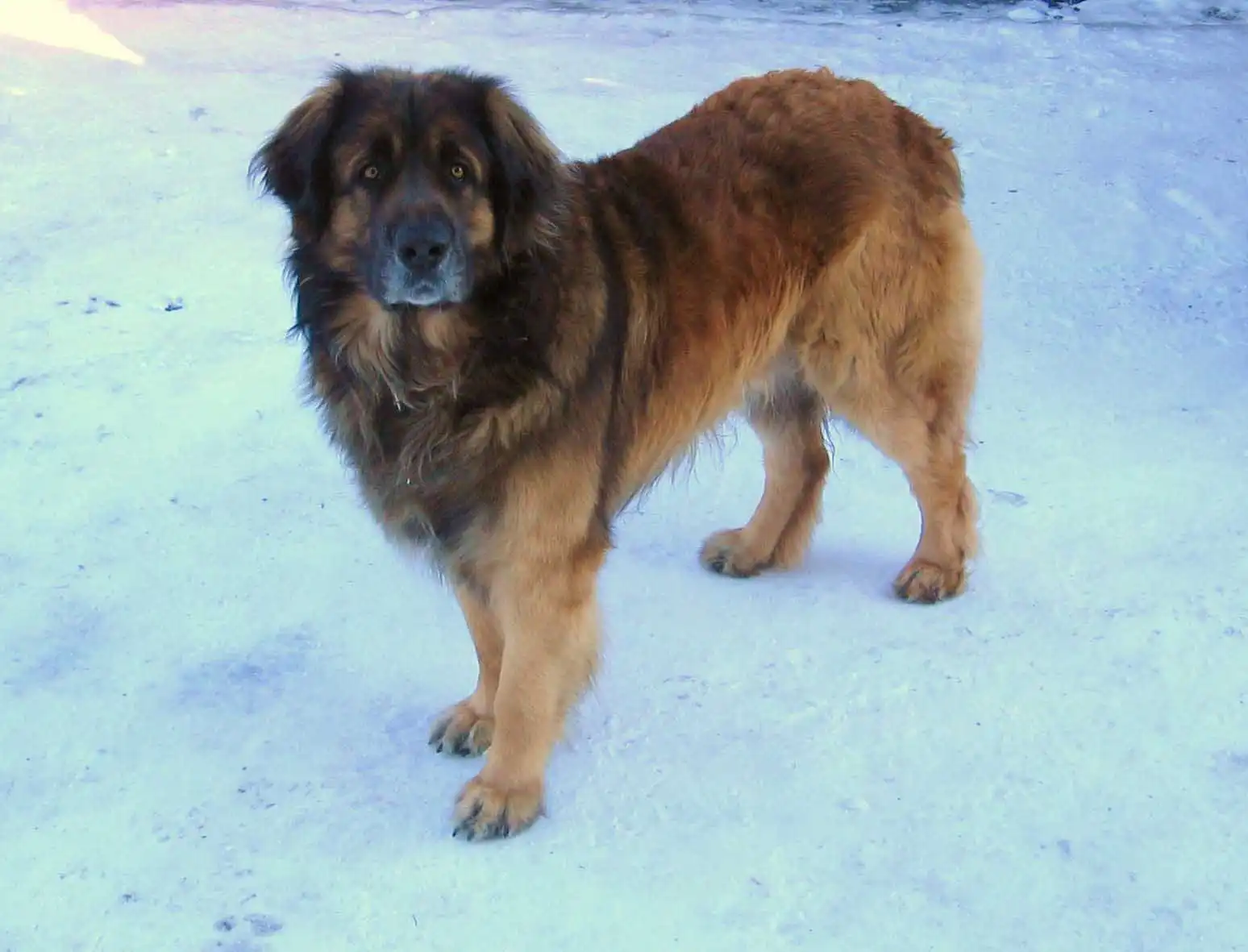
The Leonberger, a sizable molosser breed developed in Germany by Heinrich Essig, is endearingly known as the Gentle Lion. Their remarkable stature, tawny coat, and the prominent ruff that adorns the necks of males contribute to their lion-like appearance. Yet, it is their gentle and perceptive nature that truly reflects the "gentle" in their name, making them exceptional therapy dogs. Maintaining their long, dense fur requires regular grooming—ideally several times a week—to avoid tangles and matting. Additionally, it’s important to inspect their coats for fleas, ticks, burrs, or any concealed injuries. To ensure these dogs grow into beloved and well-adjusted family members, early training and socialization are vital.
Breed Origin
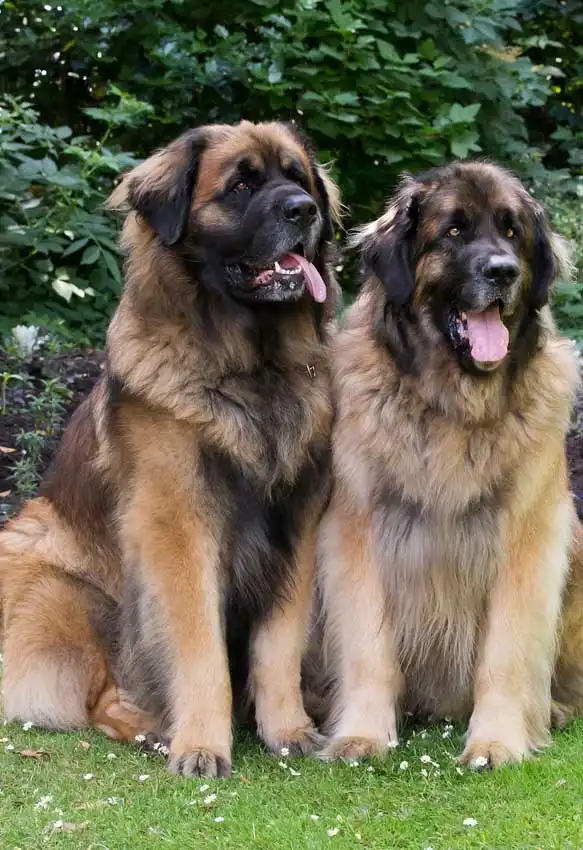
The Leonberger breed traces its roots back to the mid-19th century, initiated by Heinrich Essig, a businessman and politician from Leonberg in southern Germany. Although his documentation was somewhat inconsistent, Essig claimed to have incorporated the Pyrenean Mountain Dog, Long-haired St. Bernard, and Newfoundland into his breeding program. His initial goal was to create an all-white dog to satisfy public interest. However, after his passing in 1889, his nephew took over the breeding operations and introduced the now-iconic tawny coat with a black mask that defines Leonbergers today. This unique look, reminiscent of a lion, ties the breed to the town's emblem, which features a lion standing upright. In 1891, the first clubs dedicated to Leonbergers were formed, marking the beginning of a significant growth period for the breed. Unfortunately, World War I nearly brought it to the brink of extinction. The breed's survival is largely attributed to Karl Stadelmann and Otto Josenhans, who scoured Germany post-war and found only 25 surviving dogs, of which merely five were suitable for breeding. In 1922, a group of seven enthusiasts launched a breeding program, and within four years, they successfully produced 350 dogs. The Leonberger began to gain traction in the United States during the 1970s and 1980s, as several families imported the breed from Germany. The Leonberger Club of America was founded in 1985, and the breed was included in the AKC’s Foundation Stock Services program in 2003, ultimately receiving official recognition from the AKC in 2010.
Breed Appearance
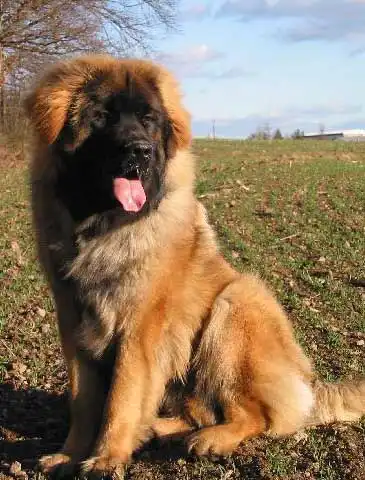
The Leonberger is a powerful and sturdy breed, generally weighing more than one hundred pounds. Its legs are straight and robust, culminating in compact, rounded feet with arched toes. The head is deep and somewhat rectangular; males display a notably strong and masculine look, while females have a gentler, more delicate appearance. Most Leonbergers possess dark brown eyes, although lighter hues can occasionally be seen, and their expression conveys a kind, friendly, and intelligent nature. The ears are medium-sized and triangular, resting flat against the head, and the tail hangs straight down when relaxed, reaching to the hock. Their coat features a soft, dense undercoat covered by a longer, coarser outer layer that is water-resistant. This breed is available in four colors: red, reddish-brown, sandy, and yellow, all adorned with a black facial mask. Moreover, male Leonbergers are notable for their thick mane, which enhances their resemblance to lions.
Care Routine
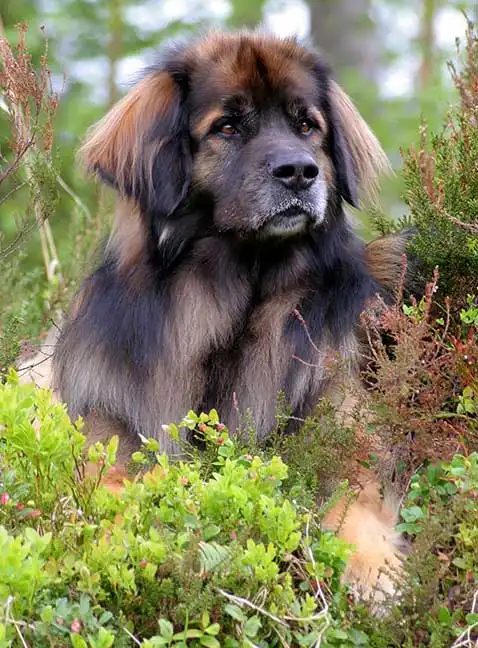
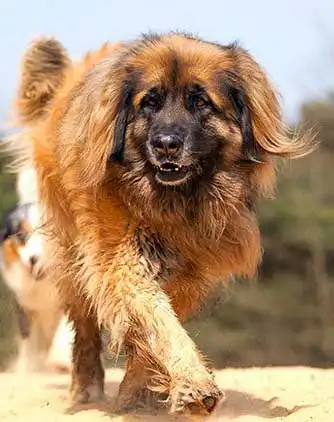
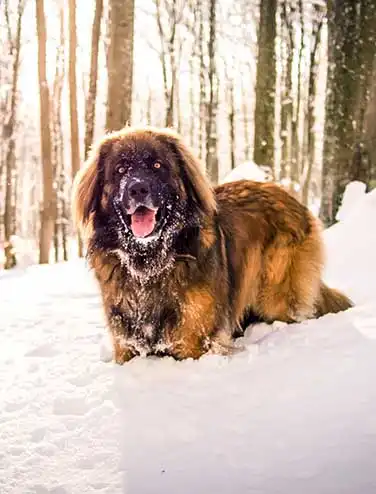
The Leonberger's luxurious long coat and thick undercoat require consistent grooming to prevent tangles and mats. Regular inspections for hidden fleas, ticks, or injuries beneath their fur are vital. Ideally, they should be brushed at least once or twice a week, with extra focus on the neck, chest, and rear areas. During seasonal transitions, shedding can increase dramatically, making daily brushing necessary. Bathing should be done every one to three months, depending on factors like the dog's activity level, the season, and the climate. Given their propensity to get muddy, it's wise to clean their legs and paws between baths. As a large breed, it's essential to provide a diet that supports gradual growth during their puppy phase. Leonbergers are quite energetic and require regular exercise to avoid becoming restless indoors. They have a range of exercise options to choose from. While they may not show as much enthusiasm for fetch as some other breeds, they excel in activities like swimming, water rescue, tracking, herding, carting, and agility training, in addition to enjoying leisurely walks. Due to their size and dense fur, Leonbergers are more prone to overheating than smaller breeds, so it's crucial to keep them cool during exercise.
Behavior & Temperament
Leonbergers are known for their calm and affectionate nature, making them cherished companions with a strong sense of loyalty. This breed is often selected for roles in therapy and water rescue, flourishing when integrated as an essential part of the family. In contrast to smaller dog breeds, Leonbergers tend to be more composed and display a gentle, loving attitude, particularly towards children. However, their significant strength requires vigilant supervision during interactions with toddlers and young children. They are highly trainable, and early training is important to address typical adolescent behavioral issues. Emphasizing safe leash manners and general obedience from a young age is vital. Furthermore, proper socialization is crucial; without it, these dogs may develop fearfulness or aggressive tendencies as they grow older.
Play & Exercise
Things to Know
Cups Per Day
4.5 Cups
Daily Activity
60 Minutes
Average Lifespan
7 Years
Origin
1800s
Type
Pure Breeds
Size
Giant
Origin Country
Germany
Brush Frequency
Weekly
Coat Texture
Straight
Register
Your kids have been begging for a pet forever, and you've recently decided that it's time for your family to get a new addition -- a dog! While everyone is excited for the new arrival, you're wondering if you need to have a dog license. How much does it cost? Is it required? Where do you get one?
Member Clubs

PETINNATE
Guardian Dog

AKC
Working Group

UKC
Guardian Dog
Height & Weight
Weight
131 lbs (59 kg)Male: 145 lbs (66 kg) , Female: 118 lbs (54 kg)
Height
29 inches (74 sm)Male: 30 inches (76 sm) , Female: 28 inches (71 sm)
6 Months
60 lbs ( m 60 lbs, f 60 lbs )
24 inches ( m 24 inches, f 24 inches )
12 Months
90 lbs ( m 90 lbs, f 90 lbs )
26 inches ( m 26 inches, f 26 inches )
18 Months
117 lbs ( m 117 lbs, f 117 lbs )
28 inches ( m 28 inches, f 28 inches )
Eye Colors
Brown

Nose Colors
Black
Coat Colors
Black
Gray
Brown
Red
Cream
Sable
Brindle