Affenpinscher
African Terriers, Ape Terriers, Affens, Monkey Dogs
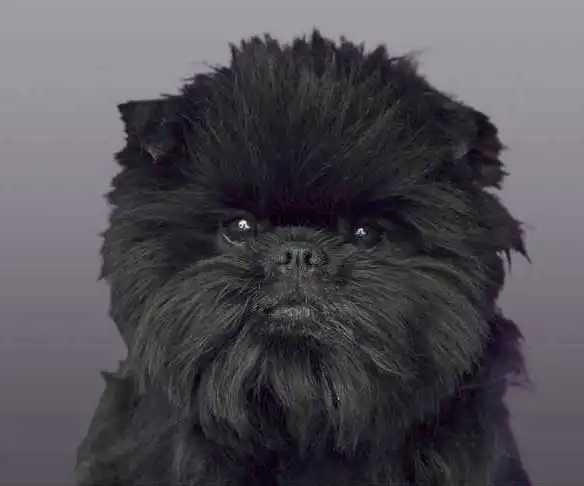
The Affenpinscher, commonly known as the "monkey dog," gets its name from a German term that reflects its playful appearance, particularly its resemblance to primates. Initially bred for hunting rats, these dogs were also referred to as ratters. The breed originated in Germany during the 17th and 18th centuries, evolving from various small terrier breeds. Their small stature and loving disposition made them popular as lapdogs among women, leading breeders to focus on creating even smaller versions. Typically, Affenpinschers reach a height of 9 to 11 inches and weigh about 9 pounds. They have medium-length, wiry fur that comes in several colors, including belge, tan, red, silver, gray, and black. Nowadays, this breed is relatively rare and not commonly found. It is recommended to keep Affenpinschers away from households with young children, as they generally dislike being squeezed or chased.
Breed Origin
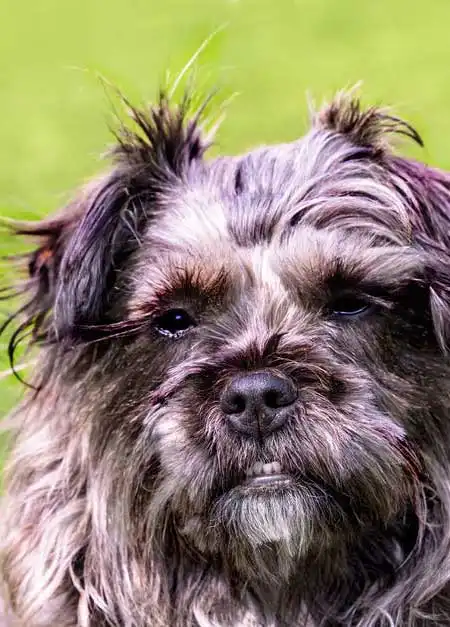
The Affenpinscher is a unique dog breed that is still quite rare in the United States. This breed traces its roots back to the 1600s, when its ancestors were larger, standing between 12 and 13 inches tall, and were primarily used for controlling rat and mouse populations in stables. Early breeders sought to create a smaller companion dog by crossing the Affenpinscher with various Schnauzer ratting breeds, as well as Silky Pinschers, smooth-haired German Pinschers, and Pugs. This selective breeding ultimately established the Affenpinscher as a forerunner to several terrier breeds, including the Miniature Schnauzer and Brussels Griffon. The introduction of the Affenpinscher to the United States can be credited to Mrs. Bessie Mally, who lived in Cicero, Illinois. The first Affenpinscher to be registered with the American Kennel Club (AKC) was Nolli v Anwander, a member of Mrs. Mally’s initial litter, who gained AKC recognition in 1936. Sadly, the breed nearly faced extinction after World War II, with the last litter born in June 1940. It wasn't until a decade later that revival efforts commenced, which included importing dogs from Germany that were descendants of Mrs. Mally’s original stock. According to the AKC, the Affenpinscher is not among the most favored breeds, currently ranking 149th in popularity. However, their lively and self-assured nature often captures the hearts of their owners almost immediately.
Breed Appearance
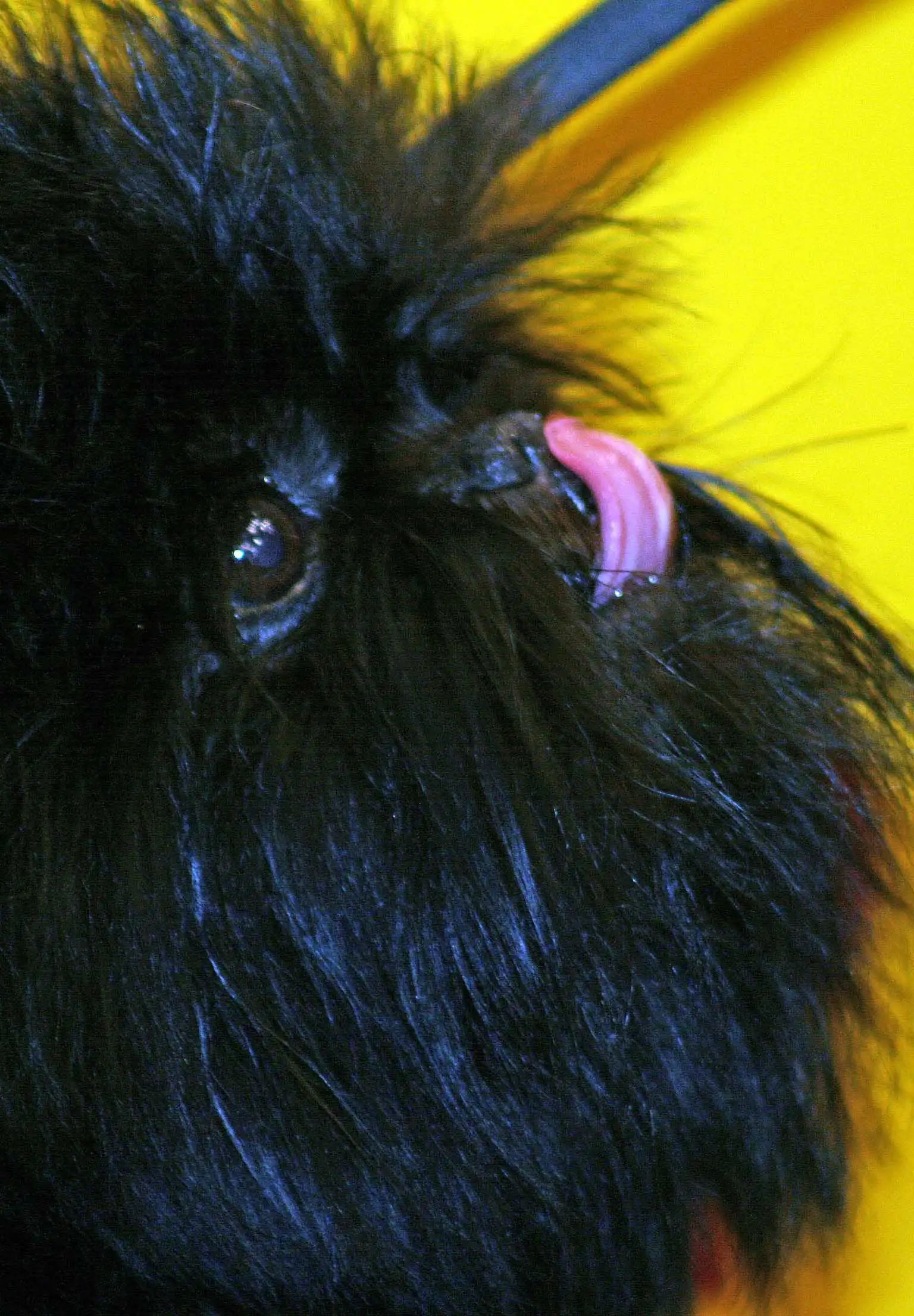
The Affenpinscher is a small, fluffy dog known for its unique long-haired mane that encircles its head, seamlessly merging with its shorter fur, which typically ranges from 1 to 2 inches in length. This longer hair, along with its beard, mustache, and eyebrows, gives it a resemblance to a monkey. With a height of about 9 to 11 inches, these robust little dogs have a square-shaped body, short legs, and a medium bone structure. Their ears are usually cropped to a pointed shape, standing upright and positioned high on the head. The tail, which is also set high, measures around 1 to 2 inches long if docked. The muzzle is short and narrow, featuring a blunt nose and a slightly undershot bite. The Affenpinscher has small, round feet with black nails and paw pads. Its eyes are strikingly dark, perfectly round, and framed by black rims, giving them a captivating appearance. Coat colors vary widely, including shades of tan, red, silver, gray, and black, with red tones sometimes showing hints of brown or orange. A black coat may also have a mix of white and silver hairs or a rusty undertone.

Care Routine
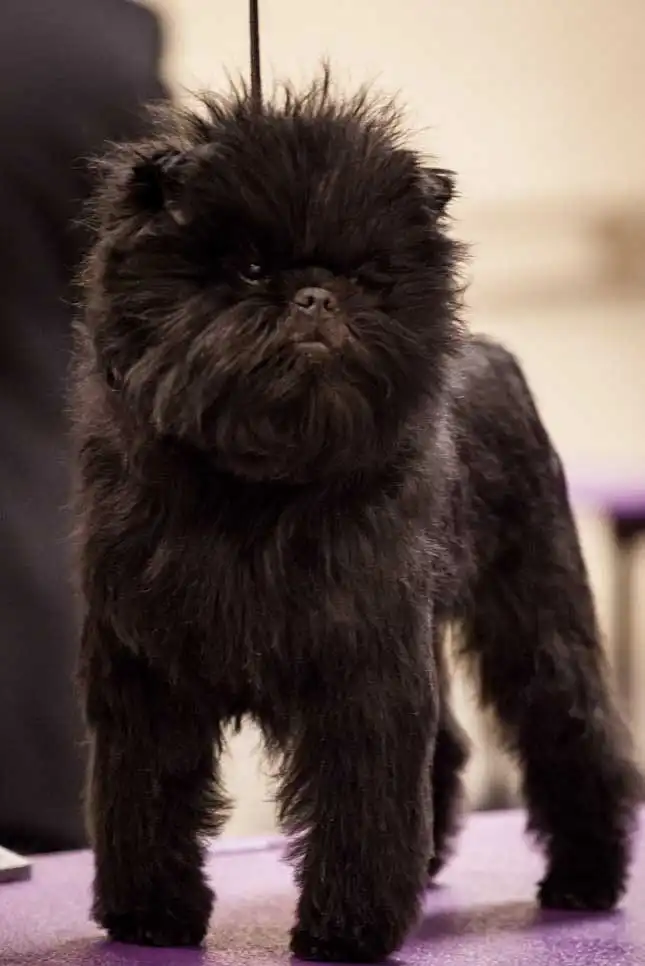
To keep an Affenpinscher's coat in top shape, it's important to brush her several times a week with a soft bristle brush and a metal comb. Start by brushing the sides in a downward direction, then move to the back, legs, and tail. Pay special attention to the beard and whiskers, using the metal comb to gently groom the cheeks. The hair on the top of the head should be brushed forward towards the nose. If you find any mats, carefully separate them with your fingers rather than using the comb. Trimming is typically needed only twice a year, but it's wise to trim the bangs as soon as they grow long enough to block her vision, either by cutting them or securing them with a barrette or clip. Regular nail trimming is essential to prevent cracking and overgrowth. During grooming, also check the ears for wax or dirt and clean them as necessary. Additionally, brushing her teeth regularly is vital for maintaining dental health. As a small breed, Affenpinschers adapt well to apartment living and can meet their exercise needs indoors, although they appreciate occasional walks. Make sure to provide high-quality dog food that is appropriate for her size and age.
Behavior & Temperament
Affenpinschers are typically friendly and affectionate, but they do not tolerate teasing well, which makes them less suitable for households with young children. If they are chased or handled roughly, they may become irritable. As instinctive hunters, these dogs should not be left alone with small pets like hamsters, guinea pigs, mice, ferrets, rabbits, or even cats. They often have a tendency to see themselves as larger than they actually are and may confront bigger dogs if they feel threatened. This characteristic contributes to their role as effective watchdogs, as they are fiercely protective of their families. Affenpinschers are known for their strong-willed and independent personalities, which can pose challenges during training; while they are intelligent, they can also be quite stubborn. Although they are generally quiet, they can become lively and may need some time to calm down. Their playful behavior can also bring endless joy and entertainment to you and your family.
Play & Exercise
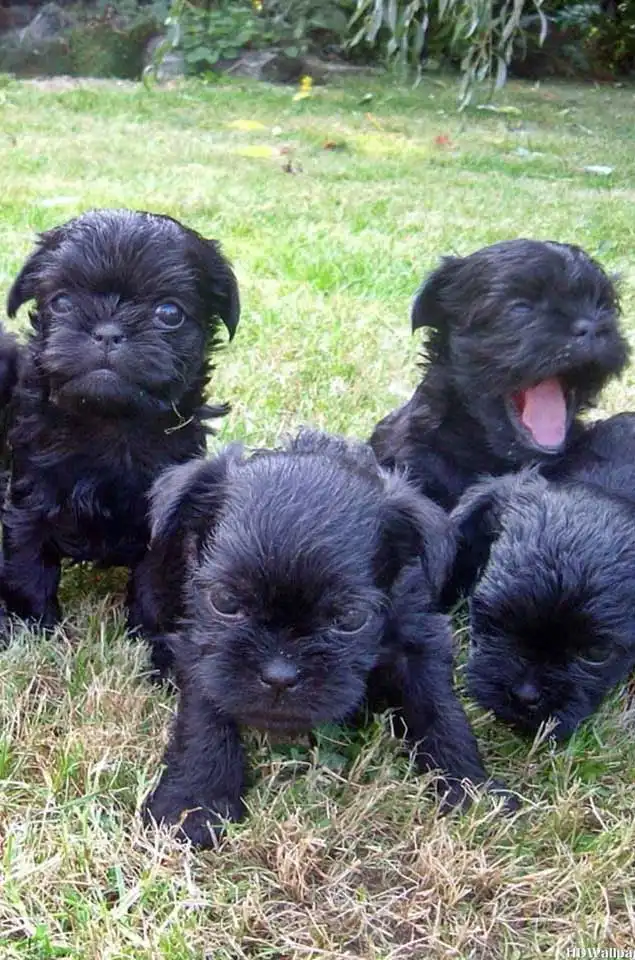
Embodying a lively personality and a love for exploration, the Affenpinscher eagerly embraces any opportunity for a walk. Whether enjoying a leisurely saunter or engaging in a spirited game of fetch, she flourishes with movement and delights in playing within a safe yard. Nonetheless, it's crucial to supervise her while she's outside; her hunting instincts are keen, and she may cleverly find a way to escape if she catches sight of something intriguing beyond the fence.
Things to Know
Cups Per Day
1.0 Cups
Daily Activity
60 Minutes
Average Lifespan
13 Years
Origin
1600s
Type
Pure Breeds
Size
Small
Origin Country
Germany
Brush Frequency
Weekly
Coat Texture
Straight
Register
Your kids have been begging for a pet forever, and you've recently decided that it's time for your family to get a new addition -- a dog! While everyone is excited for the new arrival, you're wondering if you need to have a dog license. How much does it cost? Is it required? Where do you get one?
Member Clubs

PETINNATE
Companion Dog

AKC
Toy Group

UKC
Companion Dog
Height & Weight
Weight
8 lbs (4 kg)Male: 8 lbs (4 kg) , Female: 8 lbs (4 kg)
Height
10 inches (25 sm)Male: 10 inches (25 sm) , Female: 11 inches (28 sm)
6 Months
4 lbs ( m 4 lbs, f 4 lbs )
8 inches ( m 8 inches, f 8 inches )
12 Months
6 lbs ( m 6 lbs, f 6 lbs )
9 inches ( m 9 inches, f 9 inches )
18 Months
8 lbs ( m 8 lbs, f 8 lbs )
10 inches ( m 10 inches, f 10 inches )
Eye Colors
Brown

Nose Colors
Black
Coat Colors
Black
Brown
Red
Fawn
Silver
Brindle
Characteristics
Mixes
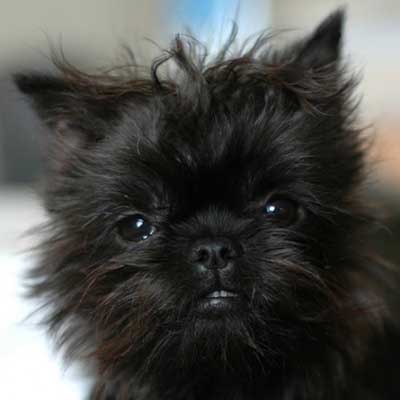
Affen Border Terrier
Affen Border Terriers are a small dog breed that emerges from the combination of the Affenpinscher and the Border Terrier. Renowned for their vibrant personalities, these dogs rank among the sturdier Terrier types and are often characterized as playful, clever, and loyal companions. Typically, they measure between 10 to 14 inches in height and possess short to medium-length, coarse, wiry coats, complemented by their unique “monkey-like” facial features. Although they require moderate upkeep, it is essential to provide them with adequate training and mental stimulation to prevent any behavioral issues.
Read more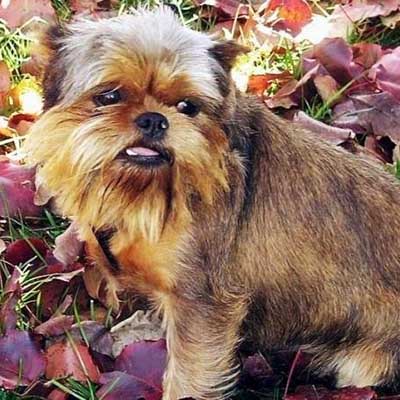
Affengriffon
The Affengriffon is a mixed breed resulting from the combination of the Affenpinscher and the Brussels Griffon. Classified as a toy breed, these small dogs are remarkably versatile, adapting well to various living environments, whether in spacious rural homes or snug urban apartments. However, their small stature may not be ideal for families with very young children. On the other hand, older children who know how to interact gently with pets can develop a strong bond with this breed. Furthermore, Affengriffons tend to get along well with other animals, particularly if they are introduced to them early on. This breed is also recognized for its minimal shedding, often being considered hypoallergenic.
Read more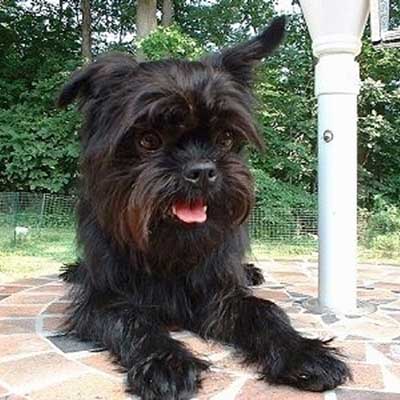
Affenshire
The Affenshire is a charming hybrid breed that results from the intentional crossing of the Affenpinscher and the Yorkshire Terrier. This delightful little dog is known for its vibrant personality and compact build. Both parent breeds are recognized for their hypoallergenic qualities, and their coats can range from sleek to fluffy, necessitating regular grooming several times a week. Affenshires are characterized by their curiosity, intelligence, and a hint of stubbornness. They are quick learners, enthusiastic about participating in activities, and respond positively to training. However, due to their small size, they may not be the ideal choice for families with young children. With proper socialization and a bit of patience, this lovable hybrid can make a fantastic addition to any household.
Read more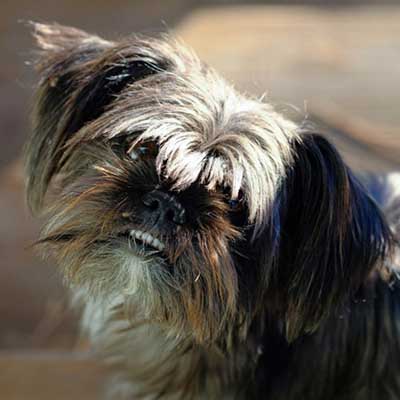
Affen Tzu
The Affen Tzu, an endearing mix of the Affenpinscher and the Shih Tzu, was created to merge the finest qualities of both breeds. This petite dog not only makes for a wonderful companion but also acts as a reliable watchdog. As a relatively recent breed, comprehensive information about the Affen Tzu is somewhat scarce. However, it is anticipated that this breed will inherit a combination of traits from its parentage, such as intelligence, sociability, and affection. Prospective owners should be ready for a considerable commitment to grooming and training, as these dogs may need significant attention. With appropriate socialization, patience, and dedication, the Affen Tzu can flourish as a cherished member of any household.
Read more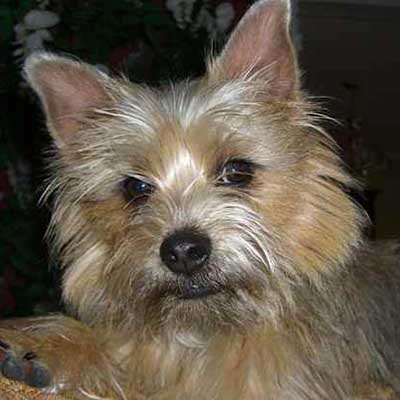
Affenwich
The Affenwich is a hybrid dog, often classified as a designer breed, resulting from the crossbreeding of an Affenpinscher and a Norwich Terrier. Both parent breeds are known for being hypoallergenic and have low-shedding fur, which necessitates regular grooming—preferably several times a week—to prevent matting. Monthly trimming and grooming are also recommended. This breed has a strong hunting instinct, which may make it less compatible with small pets such as gerbils, guinea pigs, or rabbits. The Affenwich is quite energetic and has a tendency to dig, so it’s wise to keep an eye on them when they’re outside. Engaging in outdoor activities with your Affenwich is beneficial, as they enjoy expressing themselves vocally and may bark if left alone for too long. With proper training and care, the Affenwich can become a cherished and joyful addition to your family.
Read more