Affengriffon
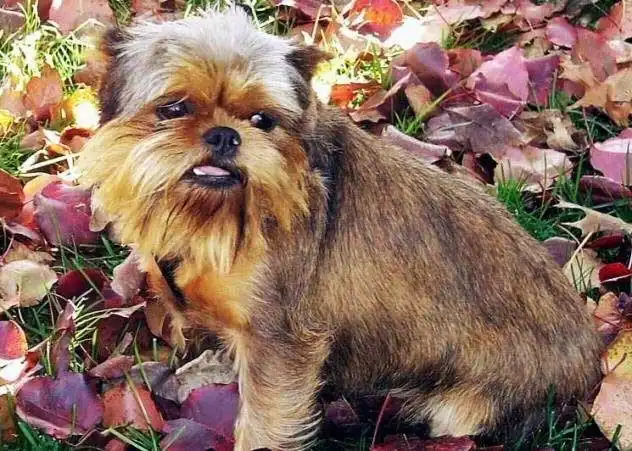
The Affengriffon is a mixed breed resulting from the combination of the Affenpinscher and the Brussels Griffon. Classified as a toy breed, these small dogs are remarkably versatile, adapting well to various living environments, whether in spacious rural homes or snug urban apartments. However, their small stature may not be ideal for families with very young children. On the other hand, older children who know how to interact gently with pets can develop a strong bond with this breed. Furthermore, Affengriffons tend to get along well with other animals, particularly if they are introduced to them early on. This breed is also recognized for its minimal shedding, often being considered hypoallergenic.
Breed Origin
The Affengriffon is a newly recognized dog breed that results from the crossbreeding of the Affenpinscher and the Brussels Griffon. The Affenpinscher, one of its parent breeds, originates from Germany. Although the precise timeline of its development is uncertain, historical accounts suggest that these dogs were originally bred for farm work and to catch rats. It wasn't until the 18th and 19th centuries that the Affenpinscher began to be appreciated as a beloved pet. Today, they are valued not only as affectionate companions but also for their retained hunting instincts, making them effective in controlling rodent populations and serving as vigilant watchdogs. On the other hand, the Brussels Griffon has its roots in Belgium, dating back to the 17th century, where it was used to hunt vermin in the stables of cab drivers. Over the years, this breed evolved into a favored companion among both the working class and the elite. The Brussels Griffon made its way to England in the late 1800s and later to North America, where it was officially recognized by the American Kennel Club in 1889. Despite experiencing varying levels of popularity, it remains a relatively rare breed today. Unfortunately, there is no record indicating when the first Affengriffons were born.
Breed Appearance
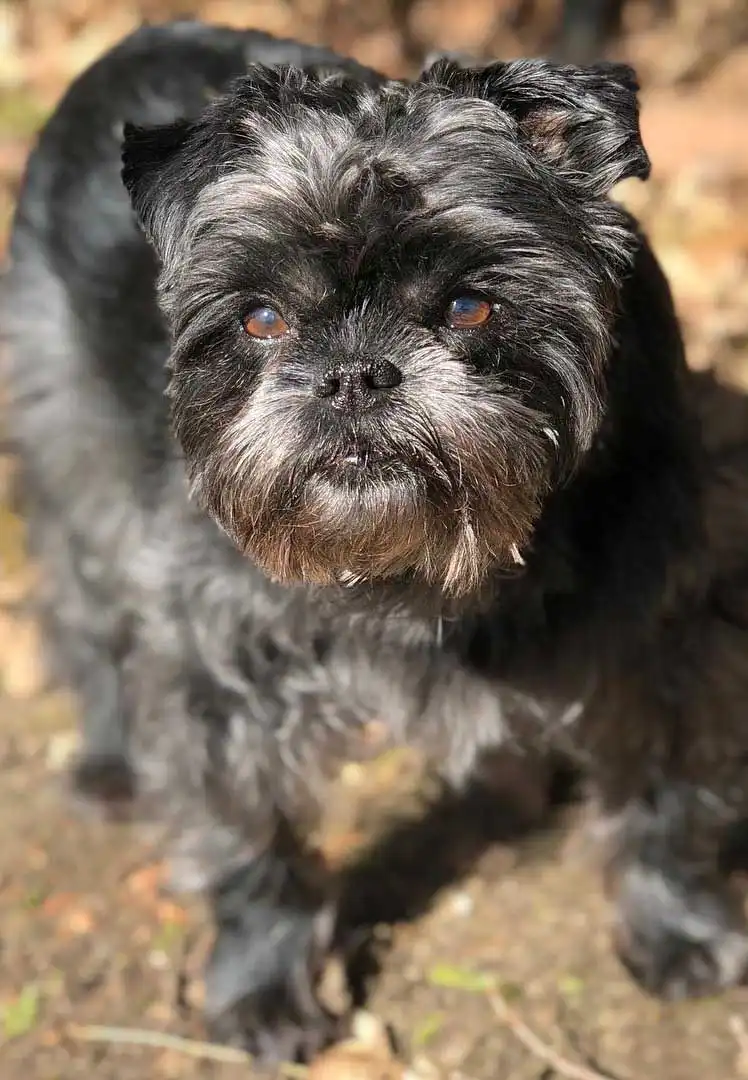
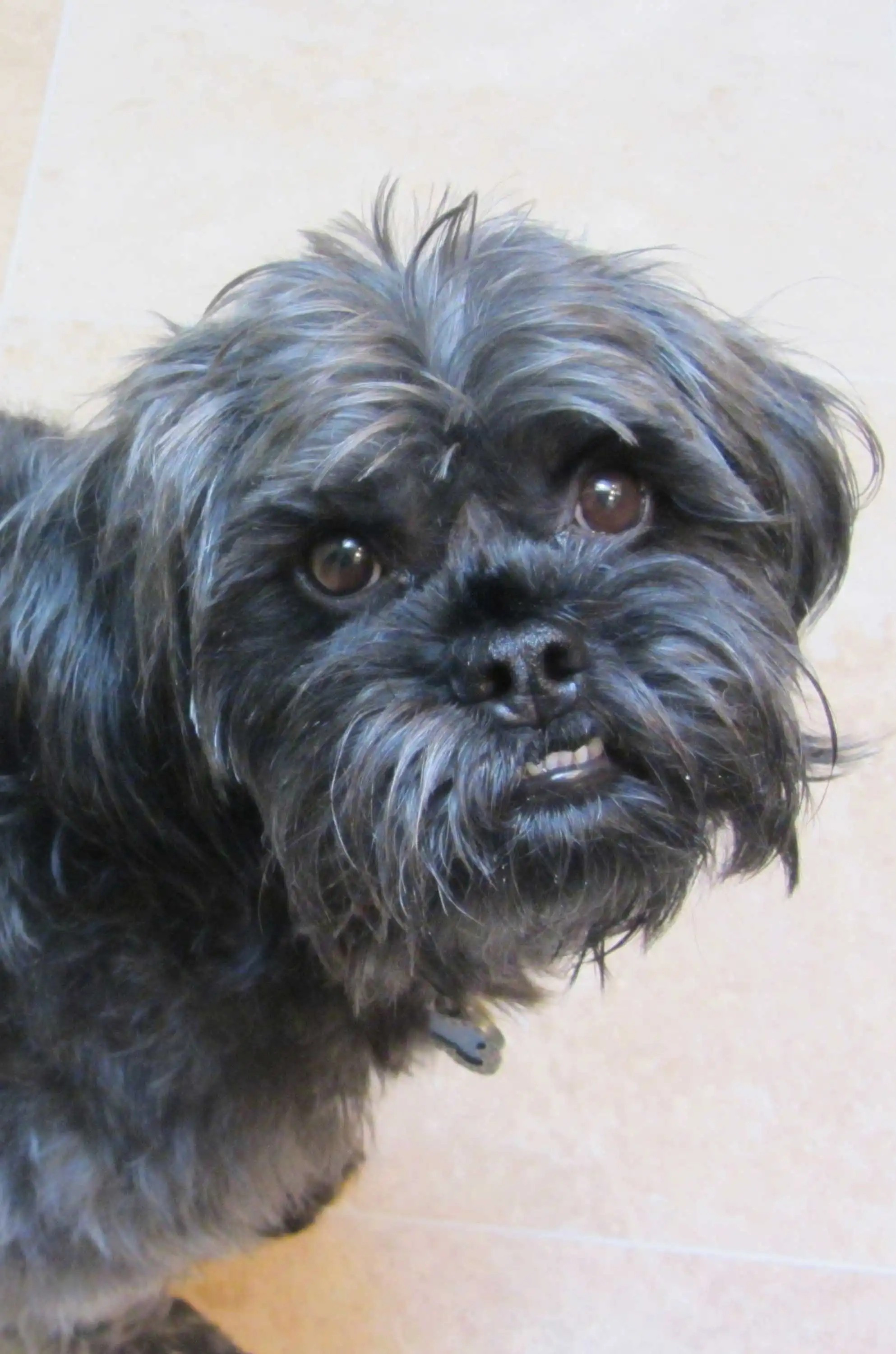
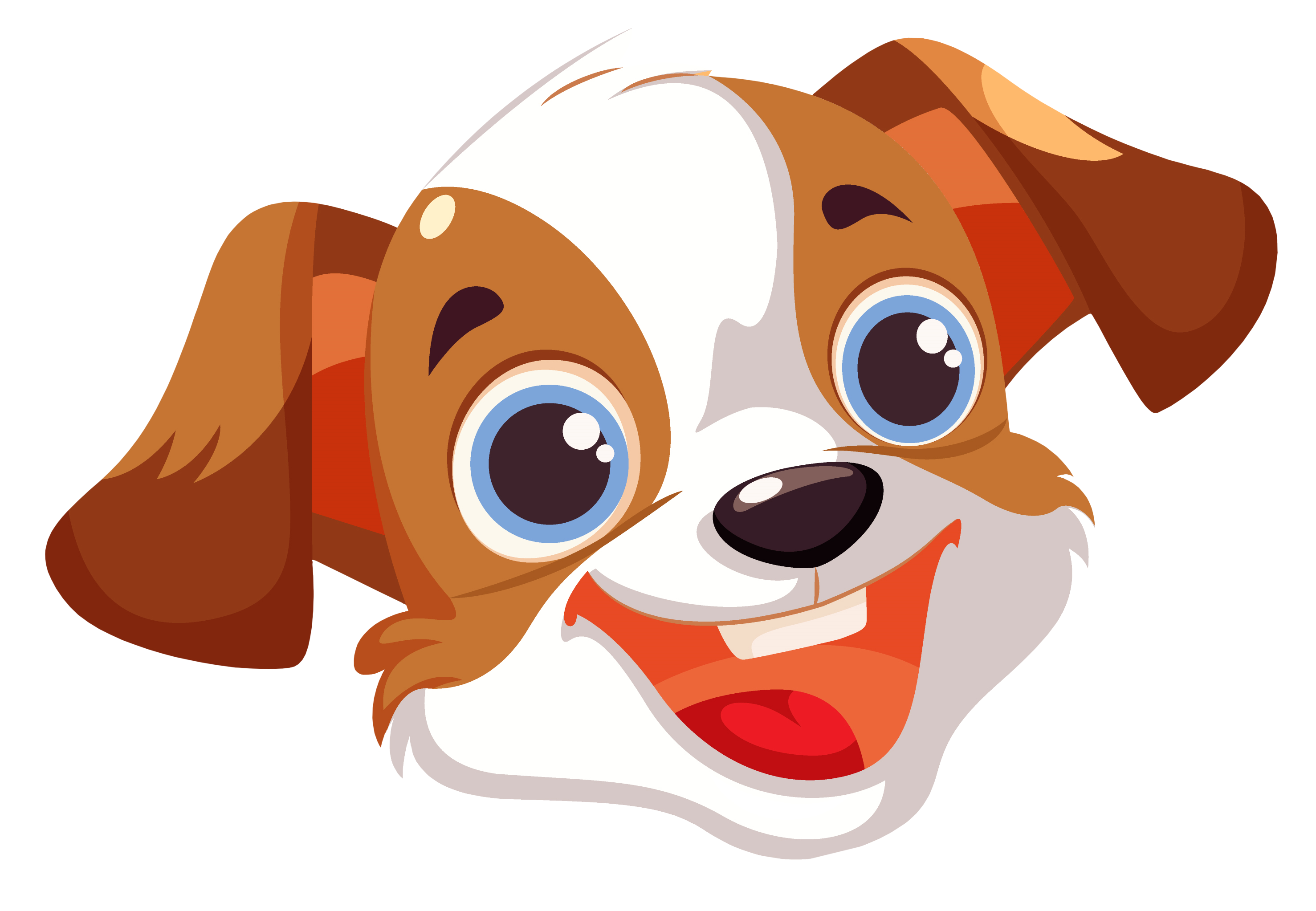
These charming little dogs, a blend of the Affenpinscher and the Brussels Griffon, display characteristics inherited from both breeds. They have large, expressive eyes set within round heads and boast somewhat stocky physiques. Their legs are short and straight, reflecting the traits of their parent breeds. Available in various colors, including black, silver, white, brown, tan, and red, these dogs sport dense, rough coats that have a wiry texture. Since both parent breeds are small and lively, starting grooming routines early can benefit both the pet and the owner. While the Affengriffon is known to need considerable grooming, with regular brushing and trimming, their wiry coats can be showcased beautifully, highlighting their delightful eyes.

Care Routine
These dogs need daily walks that are just the right length—not too short, but also not overly long. It's essential for them to have social interactions with their owners. Thanks to their small size, they adapt easily to apartment living. Both the Affenpinscher and Brussels Griffon require considerable grooming, and it is expected that the Affengriffon will have similar grooming needs. To prevent their long coats from matting and to control light shedding, weekly brushing is necessary. Additionally, like all dogs, this hybrid breed will require regular nail trimming. If their nails don’t naturally wear down, they should be clipped once or twice a month. Dental care is also vital; ideally, their teeth should be brushed at least once or twice a week, although daily brushing is recommended for the best results.
Behavior & Temperament
These hybrid dogs are friendly and intelligent companions that love to spend time with their owners, often displaying a lively and playful demeanor. Despite their small size, they possess a notable confidence rather than shyness. Their spirited nature requires plenty of mental and physical stimulation; without it, they may become restless and territorial. If left bored, they might develop unwanted behaviors like excessive barking, biting, or being overly possessive of their toys and food. While they usually get along well with other dogs, it's crucial to monitor their interactions with unfamiliar ones, as their stubbornness can sometimes lead them to confront larger dogs. Training these dogs can be somewhat challenging due to this trait, but with commitment, they can achieve obedience and even master tricks. They generally behave well around children, although their high energy might make them less ideal for families with very young kids. Additionally, they are not particularly suited for roles as guard dogs.


Play & Exercise
Although they are a mix of two small toy breeds, these dogs need plenty of exercise to stay healthy. Try to set aside at least 30 minutes daily for walks or energetic play, such as fetch, to keep them engaged. When visiting a dog park, it's crucial to keep a close eye on this lively little dog, as he may act as if he can take on anything. Both of the parent breeds are known for their agility, providing a great chance for you to enjoy a workout together while also deepening your connection.
Things to Know
Cups Per Day
1.0 Cups
Daily Activity
30 Minutes
Average Lifespan
13 Years
Origin
Unknown
Type
Crossbreeds
Size
Small
Origin Country
Unknown
Brush Frequency
Weekly
Coat Texture
Wiry
Register
Your kids have been begging for a pet forever, and you've recently decided that it's time for your family to get a new addition -- a dog! While everyone is excited for the new arrival, you're wondering if you need to have a dog license. How much does it cost? Is it required? Where do you get one?
Member Clubs

PETINNATE
Other
Height & Weight
Weight
10 lbs (5 kg)Male: 10 lbs (5 kg) , Female: 10 lbs (5 kg)
Height
9 inches (23 sm)Male: 9 inches (23 sm) , Female: 9 inches (23 sm)
6 Months
4 lbs ( m 4 lbs, f 4 lbs )
6 inches ( m 6 inches, f 6 inches )
12 Months
8 lbs ( m 8 lbs, f 8 lbs )
8 inches ( m 8 inches, f 8 inches )
18 Months
9 lbs ( m 9 lbs, f 9 lbs )
9 inches ( m 9 inches, f 9 inches )
Eye Colors
Brown
Nose Colors
Black
Coat Colors
White
Silver
Red
Gray
Black