Dog Breeds by Drooling Potential
Drooling Potential refers to how a dog typically behaves or responds in everyday situations. Individual dogs may vary based on training, environment, and genetics.
Drool-prone dogs may drape ropes of slobber on your arm and leave big, wet spots on your clothes when they come over to say hello. If you've got a laid-back attitude toward slobber, fine; but if you're a neatnik, you may want to choose a dog who rates low in the drool department.
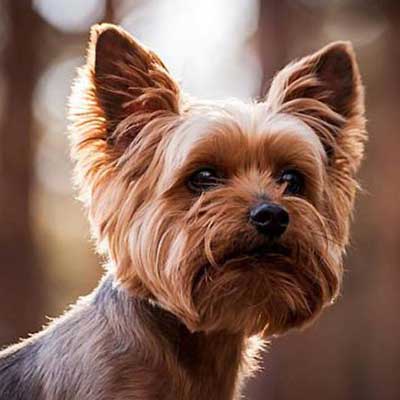
Yorkshire Terrier
The contemporary Yorkshire Terrier is a small breed primarily valued for companionship. In stark contrast, its forebears were much larger and were utilized for hunting small rodents and other vermin. It is thought that the Yorkshire Terrier emerged from a mix of several terrier breeds, with some contributions from the Maltese. Among these breeds are the Skye Terrier, Dandie Dinmont, Manchester Terrier, and the now-extinct Paisley or Clydesdale Terrier. Over the years, this brave little hunting dog evolved into a trendy pet, so petite that many women now carry them in handbags or under their arms. The American Kennel Club officially recognized the Yorkshire Terrier in 1885.
Read more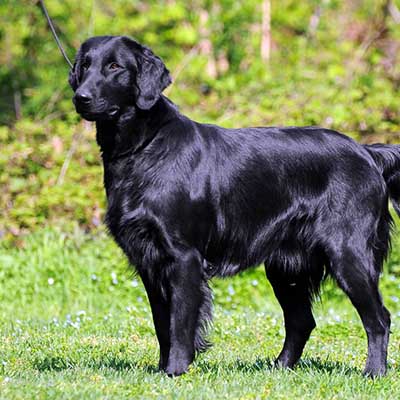
Flat Coated Retriever
The Flat-Coated Retriever is a remarkable breed, celebrated for its shiny black coat, although a deep liver hue can also be seen from time to time. This breed is categorized as large, standing up to 24.5 inches tall and weighing as much as 80 pounds. Hailing from England in the 1800s, these dogs were originally developed for retrieving waterfowl and serving as hunting companions. However, their popularity declined after World War I, especially as the Golden Retriever gained favor. Known for their playful nature, Flat-Coated Retrievers mature at a slower pace despite their considerable size. Nonetheless, this breed is charming and hardworking, sure to fill your life with joy and laughter.
Read more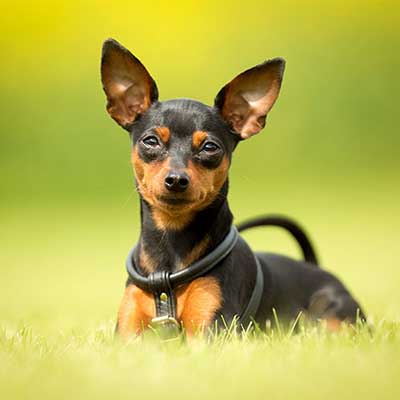
Miniature Pinscher
The Miniature Pinscher should not be mistaken for a diminutive version of the Doberman Pinscher; instead, it is more accurately described as a small-scale likeness of its larger relative. Interestingly, the Miniature Pinscher actually predates the Doberman. Often referred to as the Min Pin, this breed originates from the German Pinscher lineage and may also share ancestry with the Italian Greyhound and Dachshund. While the Miniature Pinscher has been officially recognized for over two centuries, the specifics of its ancestral background continue to spark discussion among enthusiasts. Nevertheless, this distinguished breed has been featured in Renaissance art, and artifacts from as far back as 2,000 years ago attest to its enduring existence.
Read more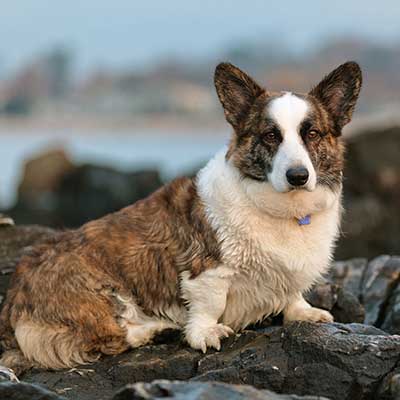
Cardigan Welsh Corgi
These delightful dogs are full of vitality and smarts, always ready to share their love. The Cardigan Welsh Corgi is related to the Dachshund, which likely explains their unique combination of long and short body features. Originally, they had floppy ears, but through selective breeding, they now typically have the upright ears that define the breed. While their initial purpose was to herd cattle, they have also become wonderful companions. With a vibrant personality packed into a compact size, the Cardigan is a playful and engaging pet. He thrives on interaction with his family and radiates happiness, making him a fantastic choice for homes with children. Originating from Wales, the Cardigan Welsh Corgi is endearingly known as the “yard-long dog” and was historically used for herding cattle, safeguarding farms, and controlling pests. Although he may occasionally exhibit herding behaviors, the Cardigan is now primarily recognized in dog shows and cherished as a family pet.
Read more
Greater Swiss Mountain Dog
The Greater Swiss Mountain Dog, commonly known as the Swissy, is a gentle and affectionate breed that delights in making its owners happy. Although they are intelligent and can sometimes be a bit headstrong, their steadfast loyalty more than makes up for these tendencies. Generally, they are calm around children, other animals, and friendly guests, but they also make excellent watchdogs thanks to their sharp awareness. Originating from Switzerland, this breed has a rich history that dates back nearly 2,000 years, making it one of the oldest dog breeds in the country. Originally developed for herding, guarding, and draft work, the Greater Swiss Mountain Dog has transformed into a versatile companion, thriving in various activities such as competitive obedience, carting, tracking, and protection.
Read more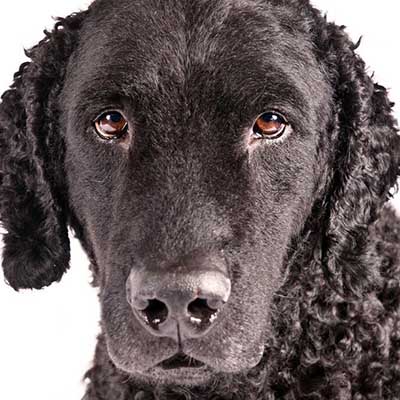
Curly-Coated Retriever
These affectionate and intelligent dogs have vibrant minds that require an active lifestyle to keep them content. They thrive best with owners who can involve them in various activities such as swimming, running, or hiking, along with other forms of physical exercise. Unlike some other Retrievers, they require more social interaction due to their inherent cautiousness around strangers. However, they are generally friendly and playful with other animals. Their cleverness can sometimes lead to playful antics, highlighting the necessity of effective obedience training. The Curly Coated Retriever, commonly known as the Curly or CCR, originated in the United Kingdom and has a history that spans roughly 300 years.
Read more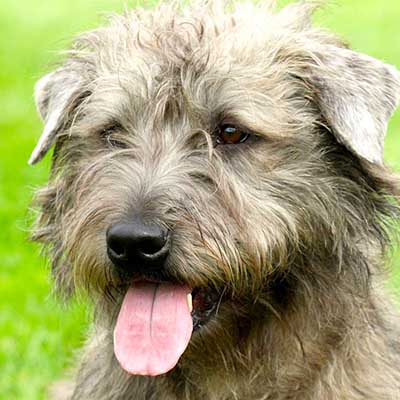
Glen of Imaal Terrier
The Glen of Imaal Terrier is frequently seen as a distinctively shaped small dog. With a sturdy physique and short legs, this breed usually reaches about 14 inches in height at the shoulder. Known for its lively personality, the Glen of Imaal Terrier is incredibly loving towards its family. Originally developed for hunting pests like vermin, badgers, and foxes, this breed has a natural tendency to dig and flourishes when given tasks to accomplish. While he makes a reliable watchdog, his bark can be surprisingly powerful for such a small dog. To manage his Terrier instincts and ensure a peaceful home environment, effective training is crucial.
Read more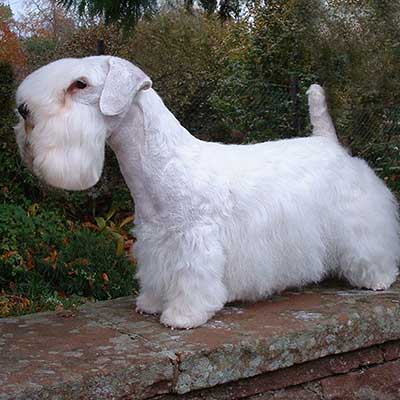
Sealyham Terrier
The Sealyham Terrier is a loyal, loving, and self-reliant breed. Originating from Wales, this small but determined dog was initially bred for hunting badgers, otters, and foxes. Although they are compact, Sealyhams can sometimes display a stubborn nature. In modern times, these dogs enjoy chasing birds, rabbits, and even other pets, such as cats and dogs. Their unique white coat was specifically developed to allow hunters to easily distinguish the dog from its prey. The American Kennel Club recognized the Sealyham Terrier in 1911. While it continues to be a popular choice in dog shows, it is regarded as a rare breed in the United States.
Read more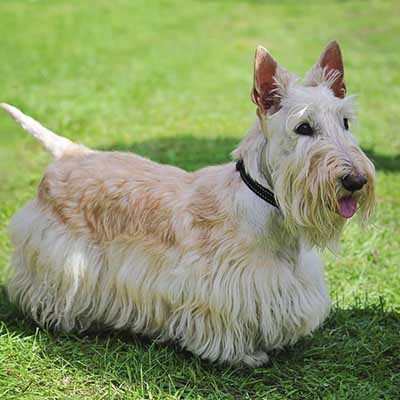
Scottish Terrier
The Scottish Terrier is a small yet spirited breed, celebrated for its lively character. In the 1700s, breeders started developing what we now know as the Scottish Terrier, originally calling it the Aberdeen Terrier after a town in Scotland. The breed was affectionately dubbed the “little diehard” by the fourth Earl of Dumbarton, a nickname that still resonates today. Though they are petite, these dogs are brimming with bravery and vitality. Initially bred to hunt rabbits, otters, foxes, and badgers, Scottish Terriers continue to excel as vigilant watchdogs and devoted companions.
Read more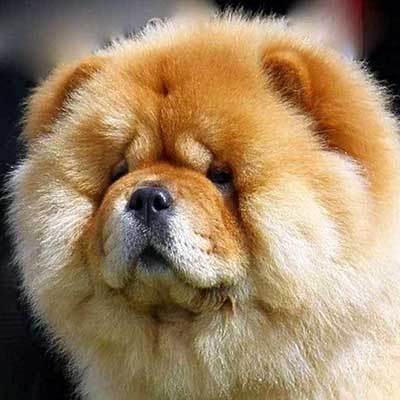
Chow Chow
One of the most notable features of the Chow Chow is its distinctive blue-black tongue. This breed is also recognized for its unique, stilted walking style and the lion-like "mane" that frames its neck. As a member of the Spitz family, the Chow Chow is thought to have originated in the cold northern regions of China. Throughout history, it has fulfilled various roles such as hunting, herding, pulling carts, and guarding homes. This medium-sized dog is characterized by its broad head and deep muzzle, along with small, triangular ears that perch on its double-coated neck. Chows are available in a range of colors, including red, black, blue, cinnamon, and cream.
Read more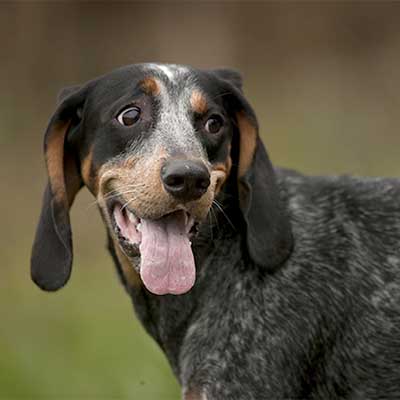
Bluetick Coonhound
The Bluetick Coonhound is a loyal and intelligent breed, renowned for its strong attachment to family members. While they can adapt to living indoors, it is crucial for their health to engage in regular physical activity. Ideally, they should have access to a securely fenced yard, as they are prone to wandering off in search of interesting scents. These dogs typically get along well with children, but they may be better suited for families with older kids due to their energetic and sometimes boisterous play style. When socialized properly from an early age, Bluetick Coonhounds exhibit a friendly and outgoing demeanor. In terms of their physical characteristics, they are both impressive and athletic, featuring a muscular yet streamlined physique that avoids any awkwardness. As skilled nocturnal hunters, they have keen eyesight and a strong dedication to tracking. However, they can be challenging for owners who are not committed to training; a lack of exercise may result in anxiety and destructive behaviors. This breed flourishes in spacious environments, such as large yards. It’s important to remember that, despite their friendly disposition towards people, they should not be trusted around cats or other small animals due to their inherent hunting instincts. Once fully trained, Bluetick Coonhounds are obedient and attentive to their owners.
Read more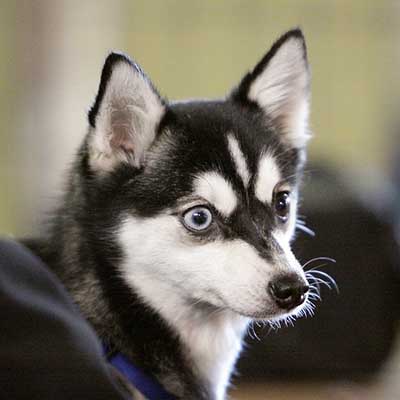
Alaskan Klee Kai
The Alaskan Klee Kai is a breed that emerged in the 1970s, created to be a smaller counterpart to the Alaskan Husky. These energetic, smart dogs are mainly bred for companionship rather than for labor. While they share a resemblance with their larger relatives, Alaskan Klee Kais can thrive in apartment settings, as long as they receive ample exercise and playtime. They might show signs of shyness or hesitation when encountering new people and communicate their emotions—be it fear, happiness, or sadness—through various vocal sounds.
Read more