Pekingese
Foo Dog, Lion Dog, Peking Palasthund, Peke, Sundog, Sleeve Dog, Pelchie
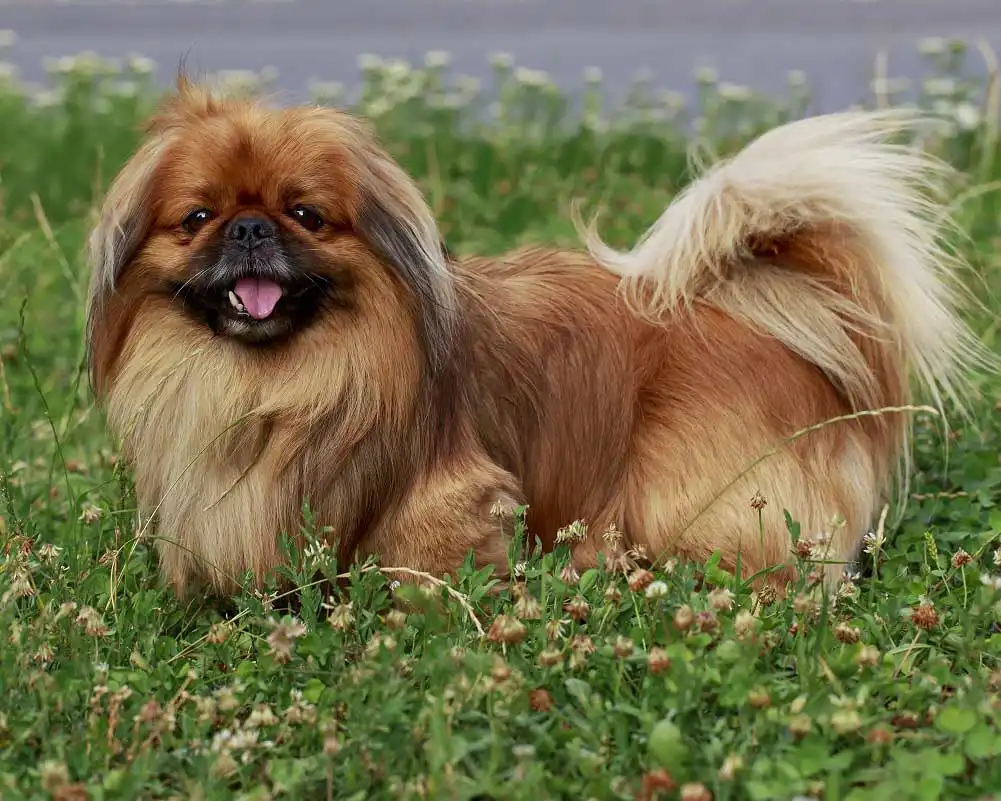
The Pekingese has a rich and esteemed history, having been celebrated as emblems of aristocracy in China. The breed's earliest records trace back to the 8th century during the T’ang Dynasty. Specifically bred to be companions, their name is derived from Peking, the former name of Beijing. These small, toy-sized dogs are known for their distinctive flat faces, lion-like manes, droopy ears, and a confident demeanor. According to Chinese mythology, the Pekingese is believed to be the offspring of a lion that fell in love with a marmoset. They come in a range of colors, including black, cream, fawn, gray, red, sable, and white.

Breed Origin
Legend has it that the Pekingese breed emerged from a whimsical romance between a lion and a marmoset. This enchanting story led to their nickname, "Lion dogs," owing to their likeness to the ancient Chinese guardian lions, known as Shishi or Pelchie dogs. It was believed that these dogs held mystical powers, capable of protecting palaces and temples. Exclusively owned by the elite, they were so revered that they had dedicated attendants, and the penalty for stealing one was death. Moreover, when a member of royalty passed away, their beloved dog would be put to sleep and buried alongside them, ensuring companionship in the afterlife. In the 8th century, Pekingese were held in the highest regard, remaining sheltered within palace walls until they were discovered during the Opium Wars in 1860. Five of these dogs were found during the invasion of the Imperial Summer Palace and brought to Britain, where one was gifted to Queen Victoria, who named him Looty, reflecting the circumstances of their acquisition. Upon their arrival in Britain, Pekingese quickly became fashionable, but their rarity meant they were only available to the wealthiest members of society. Historically, they were known as Sleeve Pekingese, as they were often carried in the ample sleeves of royal attire. The American Kennel Club recognized the breed around 1906, and today, it ranks as the 93rd most popular dog breed in the United States.
Breed Appearance
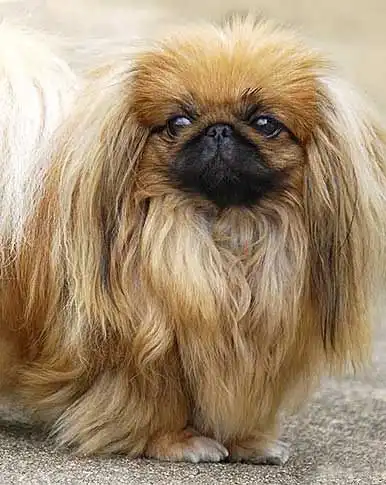
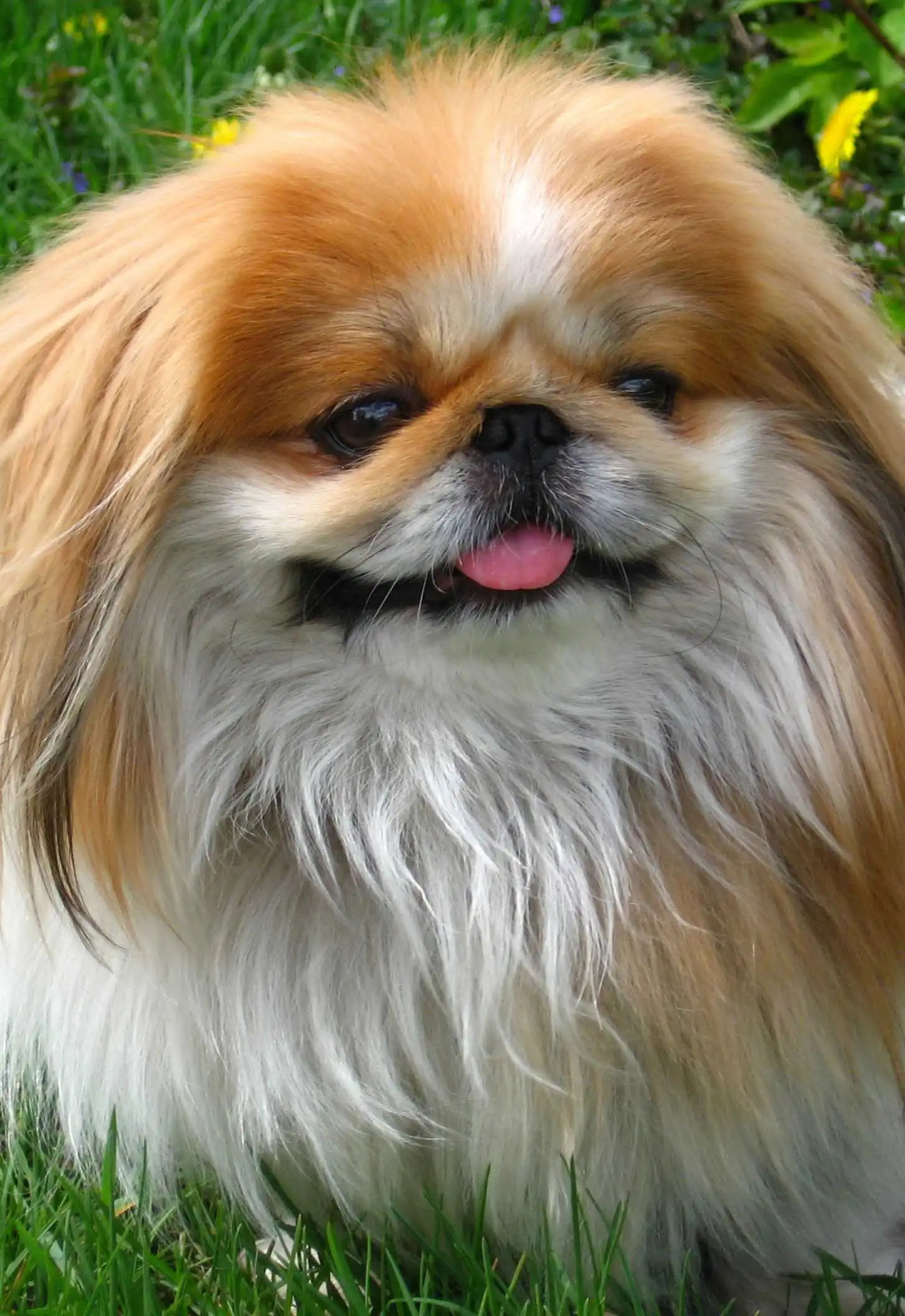
The Pekingese is known for its long, opulent coat, which comes in a wide range of colors such as white, red sable, solid red, gray, fawn sable, fawn, cream, black and tan, solid black, and biscuit. Their markings can vary, featuring a black muzzle with white highlights, a completely black muzzle, a black mask accented with white, or a black face adorned with white markings or accents. Often compared to miniature lions, these dogs possess a front-heavy physique, a unique rolling gait, and a lavish coat that includes a thick mane, a dense undercoat, and a coarse outer layer. Compact and well-balanced, the Pekingese displays a bold and independent personality. Typically, they weigh less than 14 pounds and stand around 8 inches tall. Their head is broad and substantial, characterized by a flat face, a black nose and lips, and dark, expressive eyes. The ears are heart-shaped and sit close to the head, often featuring feathering and fringing around the ears, chest, and underside. Due to their brachycephalic facial structure, they may be susceptible to certain health issues and respiratory difficulties.
Care Routine
The Pekingese breed demands considerable grooming, making daily brushing a necessity. To maintain their coat effectively, start by lightly misting it with conditioning spray or water before using a small bristle brush. This method minimizes hair breakage during the brushing process. It's crucial to brush all the way down to the skin to remove dead hair and prevent matting. For the fringed areas, a metal comb works best for detangling. Regularly trimming the hair on their feet can help prevent mats and keep debris from accumulating. It’s recommended to bathe your Pekingese at least twice a month with a conditioning shampoo suggested by your veterinarian. In between baths, a dry shampoo can help keep their coat clean and healthy. Additionally, check your dog's ears weekly for any wax, dirt, or debris buildup. Regular tooth brushing is also important, as Pekingese are prone to dental issues and bad breath. Finally, ensure they get plenty of exercise by taking them for daily walks to help manage their energy levels.
Behavior & Temperament
The Pekingese is a lively and confident breed, known for its remarkable bravery as it fearlessly stands up to much larger animals to protect its family. This courageous nature not only makes them excellent watchdogs but can also pose challenges due to their small size. They can be quite stubborn and may present difficulties in house training; however, using crate training and maintaining a consistent routine can facilitate their learning of proper behaviors. Pekingese typically enjoy the company of children, especially those older than five, but they do not appreciate being teased or suddenly awakened, often becoming quite vocal when left alone. With appropriate socialization during their early years, Pekingese can live peacefully with other dogs. Originally bred as companion animals, they thrive as lap dogs, and with some patience in training, a Pekingese can be a wonderful addition to any home.

Play & Exercise
Things to Know
Cups Per Day
1.0 Cups
Daily Activity
20 Minutes
Average Lifespan
14 Years
Origin
8th Century
Type
Pure Breeds
Size
Small
Origin Country
China
Brush Frequency
Weekly
Coat Texture
Straight
Register
Your kids have been begging for a pet forever, and you've recently decided that it's time for your family to get a new addition -- a dog! While everyone is excited for the new arrival, you're wondering if you need to have a dog license. How much does it cost? Is it required? Where do you get one?
Member Clubs

PETINNATE
Companion Dog

AKC
Toy Group

UKC
Companion Dog
Height & Weight
Weight
11 lbs (5 kg)Male: 11 lbs (5 kg) , Female: 10 lbs (5 kg)
Height
8 inches (20 sm)Male: 8 inches (20 sm) , Female: 8 inches (20 sm)
6 Months

3 lbs ( m 3 lbs, f 3 lbs )
3 inches ( m 3 inches, f 3 inches )
12 Months
4 lbs ( m 4 lbs, f 4 lbs )
5 inches ( m 5 inches, f 5 inches )
18 Months
6 lbs ( m 6 lbs, f 6 lbs )
6 inches ( m 6 inches, f 6 inches )
Eye Colors
Brown

Nose Colors
Black
Coat Colors
Black

Fawn

Cream

Brindle

Gray

Characteristics
Mixes
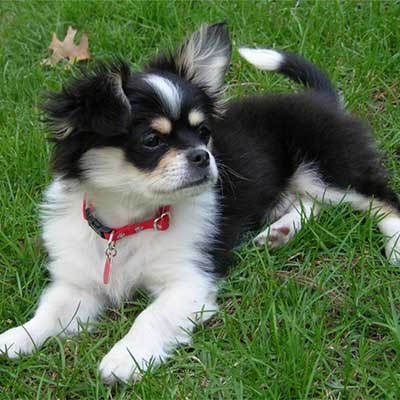
Cheeks
The Cheeks is a designer breed intentionally developed by combining two historic companion dog breeds: the Chihuahua from Mexico and the Pekingese from China. This unique mix results in a loyal and affectionate pet that is easy to care for and requires minimal space. Typically, they are calm and only need a few short walks each day to remain happy and healthy, making them an ideal option for people with limited mobility or those living in smaller homes. However, they might not be the best fit for those looking for an energetic running companion or for families with very young children.
Read more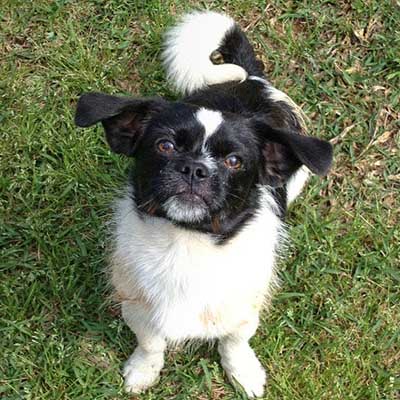
Mini Foxingese
The Mini Foxingese is an endearing hybrid that combines the Toy Fox Terrier and the Pekingese, classified as a toy breed with a lifespan of approximately 13 to 15 years. Weighing between 6 and 10 pounds and standing 7 to 10 inches tall, this relatively recent and distinctive breed has not yet received full recognition from the American Kennel Club. Nevertheless, the Mini Foxingese has swiftly established itself as a vigilant and dignified companion. Its elegant, prancing gait and lustrous coat emphasize the breed's noble nature. Like its parent breeds, the Mini Foxingese thrives on human companionship and often develops a strong attachment to one particular individual in its household.
Read more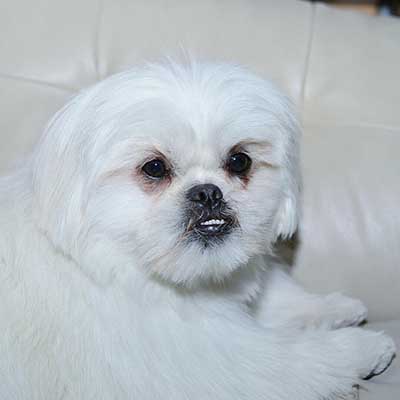
Peke-A-Tese
The Peke-A-Tese is an endearing and self-assured hybrid breed that combines the esteemed traits of two ancient lineages: the Maltese and the Pekingese. Typically weighing between 6 and 11 pounds and standing 8 to 11 inches tall, this delightful companion is generally straightforward to train and care for. While it loves being the center of attention, it can be wary of strangers and prefers to stay close to its owner. Although the American Kennel Club does not officially recognize the Peke-A-Tese, its popularity has surged in the United States, earning it a special place in the hearts of many. Nonetheless, it's important to note that variations in both temperament and appearance may still be present within the breed.
Read more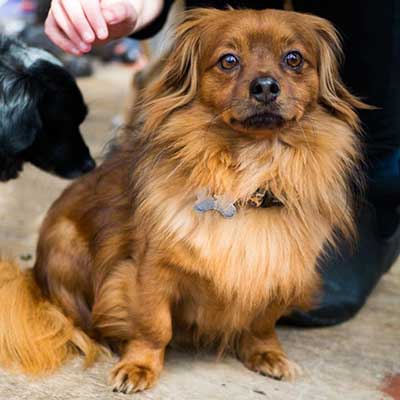
Pekehund
Pekehunds are a delightful and curious hybrid breed, created by crossing a Dachshund—commonly known as a “Doxie”—with a Pekingese. This unique combination brings together a variety of traits from both breeds, especially regarding their energy levels. Furthermore, qualities such as loyalty, intelligence, and a strong attachment to humans are heightened in these dogs. The size and appearance of Pekehunds can differ widely, depending on the type of Dachshund parent—be it standard, miniature, smooth-haired, long-haired, or wire-haired. Generally, these dogs weigh between 10 and 22 pounds and reach a height of about 7 to 9 inches. Although they possess an endearing personality, Pekehunds are not as common as other Pekingese-Dachshund mixes and have not yet received official recognition from the American Kennel Association.
Read more