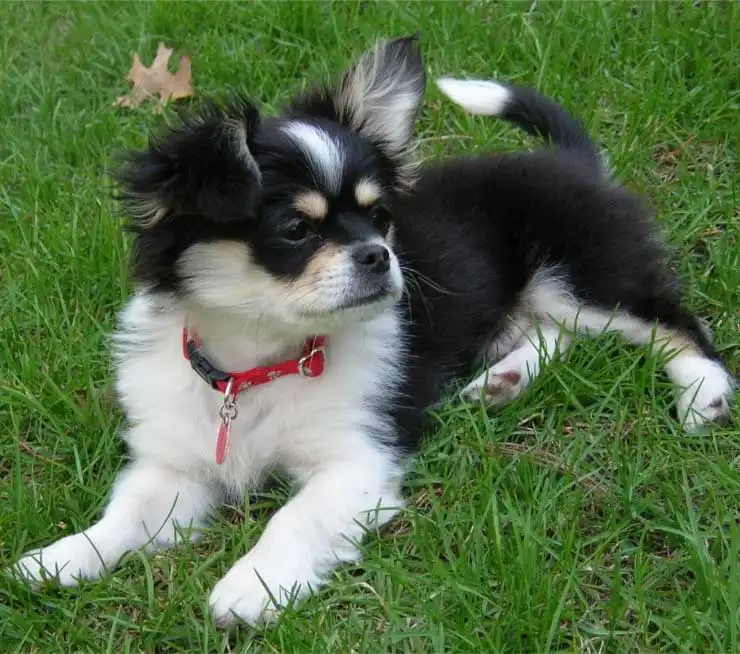
Cheeks
Pekachi, Pee-Chi, Pekachu, Pikachu
The Cheeks is a designer breed intentionally developed by combining two historic companion dog breeds: the Chihuahua from Mexico and the Pekingese from China. This unique mix results in a loyal and affectionate pet that is easy to care for and requires minimal space. Typically, they are calm and only need a few short walks each day to remain happy and healthy, making them an ideal option for people with limited mobility or those living in smaller homes. However, they might not be the best fit for those looking for an energetic running companion or for families with very young children.

Breed Origin
The Cheeks is a charming combination of two beloved small companion breeds. The Pekingese, an ancient breed with roots in China, was originally developed as a companion for royalty, with its history tracing back to before 700 BC, though much of it is steeped in legend. One such tale claims that the breed originated from a pairing between a marmoset and a lovesick lion, a notion that is quite unlikely. Nevertheless, genetic analysis indicates that this dog, known in China as Fu-Lin or Lion Dog, is more closely related to wolves than many other breeds. These lively little dogs were often presented as gifts to distinguished guests, quickly becoming popular in both the United States and Europe, where the American Kennel Club officially recognized them in 1906. After the fall of the Qing Dynasty in the early 1900s, many royal dogs faced tragic fates, but those given to foreign dignitaries played a crucial role in saving the breed from extinction. By 1948, the United Kennel Club also acknowledged the Pekingese. In a similar vein, the history of the modern Chihuahua is equally intriguing. DNA research indicates that Chihuahuas are descendants of an ancient native breed called the Techichi. These dogs were highly valued by the Aztec civilization for centuries, serving as both companions and sacrificial offerings in religious rituals. The first recognizable Chihuahuas appeared in Mexico in the mid-1800s, although they did not have an official name at that time and were often identified by their region of origin. Merchants from Chihuahua began selling these delightful little dogs to international travelers. The American Kennel Club recognized the first Chihuahuas in 1904, with only thirty registered by 1913. Today, Chihuahuas are the 30th most popular breed in the United States, boasting over 40,000 registrations with the AKC in 2012, and they enjoy widespread popularity in various countries, including the UK, the Philippines, and Australia.
Breed Appearance
The two breeds that were combined to develop this dog are both under a foot in height and generally weigh about as much as a honeydew melon. As a result, the Cheeks is a small dog, typically standing under twelve inches tall and weighing less than ten pounds. This hybrid may inherit the Chihuahua's rounded head or the Pekingese's broad, flat skull. Its muzzle is short and can either be wide like that of the Pekingese or more slender and tapered like the Chihuahua's. Cheeks have dark, round eyes that are prominent but not bulging, and their ears are positioned high on the head. These ears can be heart-shaped or triangular and may stand upright or fold forward or to the sides. While some Cheeks may have a single-layer coat, they usually possess a double coat featuring a dense undercoat topped with longer, sturdier fur that can vary in texture from coarse to soft, depending on which parent breed they resemble. Many Cheeks also exhibit feathering around their ears, paws, and tails.


Care Routine
Taking care of this little dog is relatively easy. They require bathing only a few times annually since frequent washing can strip away the natural oils that keep their fur glossy and healthy. It's beneficial to brush them regularly to help spread these oils evenly and control their ongoing shedding. Their coat usually reflects traits from both parent breeds, and if it is long or features feathering, it will need extra brushing to avoid tangles and mats. Furthermore, due to their small mouths, this breed is prone to dental problems, making it crucial to prioritize good dental care.
Behavior & Temperament
The Cheeks breed is known for its sociable, playful, and outgoing nature when surrounded by family, though they may display shyness in the presence of strangers. These dogs generally do not experience separation anxiety; instead, they enjoy being lap dogs and appreciate the warmth of being near their owners. They typically get along well with other dogs and are less inclined than some breeds to chase after smaller animals. However, their small size makes them somewhat fragile, so it's important to supervise their interactions with young children and larger pets. They tend to be more patient with older kids and can handle some roughness, but they might nip if not treated with care. To prevent issues like excessive shyness, small dog syndrome, or aggression, proper socialization is crucial for this hybrid breed. Additionally, early training is vital, as they can be a bit stubborn, and postponing this training can make their education more challenging.


Play & Exercise
Both the Chihuahua and the Pekingese have relatively low exercise requirements, typically fulfilled by a few short walks each day and some lively indoor play to keep them happy and active. These breeds often enjoy agility training and games of fetch; however, because of their distinctive mouth shapes, they tend to favor stick-shaped toys rather than balls. Moreover, these dogs are more susceptible to extreme weather conditions, so it’s wise to restrict their outdoor activities during very hot or cold temperatures. Their generally calm nature and minimal exercise needs make them ideal for apartment living, but due to their small stature, they should never be left unsupervised outside, even in a fenced yard.
Things to Know
Cups Per Day
0.0 Cups
Daily Activity
0 Minutes
Average Lifespan
12 Years
Origin
Unknown
Type
Crossbreeds
Size
Not Set
Origin Country
Unknown
Brush Frequency
Daily
Coat Texture
Straight
Register
Your kids have been begging for a pet forever, and you've recently decided that it's time for your family to get a new addition -- a dog! While everyone is excited for the new arrival, you're wondering if you need to have a dog license. How much does it cost? Is it required? Where do you get one?
Member Clubs

PETINNATE
Other
Height & Weight
Weight
6 lbs (3 kg)Male: 6 lbs (3 kg) , Female: 6 lbs (3 kg)
Height
11 inches (28 sm)Male: 11 inches (28 sm) , Female: 11 inches (28 sm)