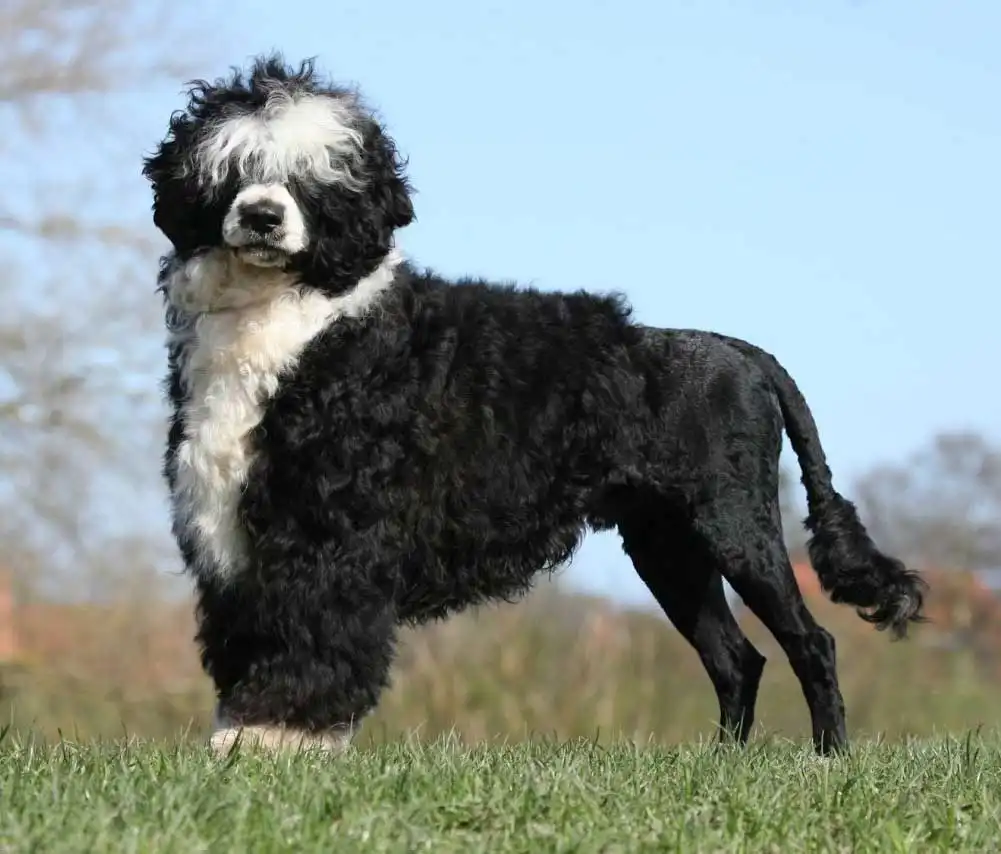
Portuguese Water Dog
Portie, PWD, Cao de Agua, Water Dog
The Portuguese Water Dog traces its lineage back to approximately 700 B.C., originally bred to aid fishermen in various tasks related to water. This historical background accounts for their strong affinity for swimming and aquatic activities. Known for their affectionate nature and family-oriented temperament, these dogs are friendly companions for both children and other pets. They are easily recognizable by their unique curly or wavy coats and webbed feet, which make them ideally suited for aquatic life. With their high energy levels and intelligence, Portuguese Water Dogs shine in numerous canine sports, such as tracking, agility, obedience, and trick performance. However, their keen intellect can sometimes lead them to try to outsmart their owners. With proper training and socialization, these dogs can develop good manners and adapt well to various environments.
Breed Origin
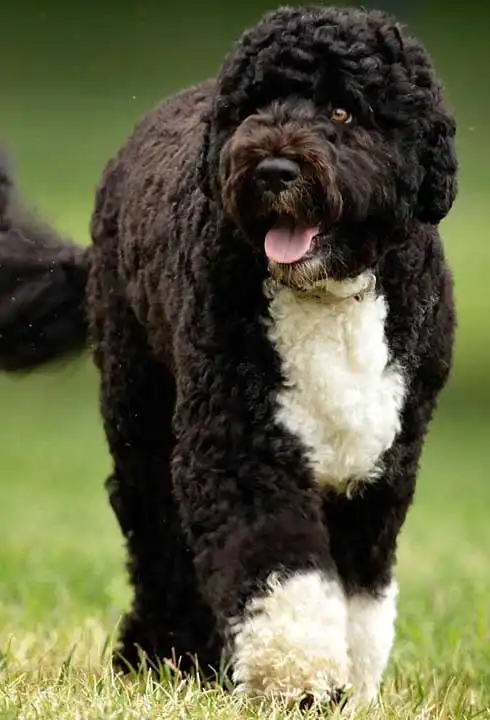
The Portuguese Water Dog is a true reflection of its name. Originating from Portugal, these extraordinary dogs were initially bred to support fishermen along the Atlantic coast and in the fishing regions near Newfoundland. Their tasks included delivering messages between boats, herding fish into nets, and retrieving items that had fallen into the water. Known by several names, including the Portuguese Fishing Dog and Cao de Agua in their homeland—which translates to "dog of the water"—this breed is thought to be related to the Poodle, another breed developed for water retrieval, though in Germany. Despite their remarkable abilities, Portuguese Water Dogs faced the risk of extinction in the early 20th century as the fishing industry modernized, leading to the replacement of these dogs with machinery. Thankfully, the breed's survival can be credited to Vasco Bensaude, a dedicated advocate who worked tirelessly to preserve it. Breed enthusiasts began to establish standards and formed a club, which facilitated their entry into dog shows. Fast forward a few decades, and the Portuguese Water Dog has become increasingly popular in both England and the United States. The American Kennel Club officially recognized the breed in 1983, although the Portuguese Water Dog Club of America was founded earlier, in 1972.
Breed Appearance
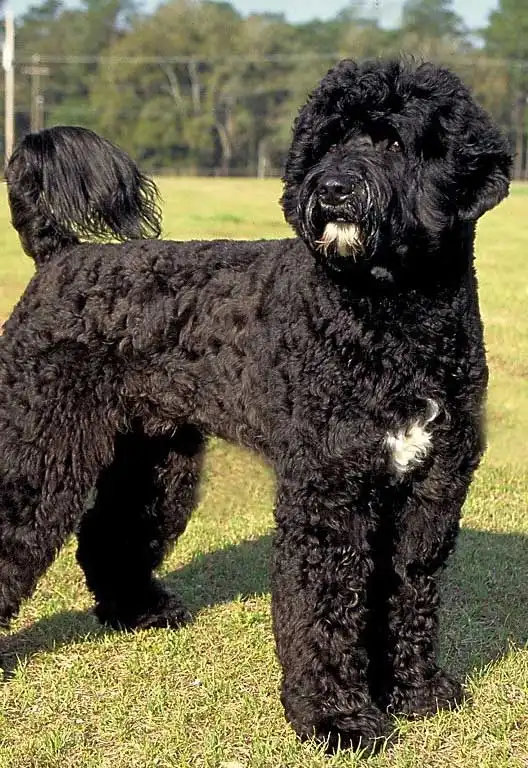
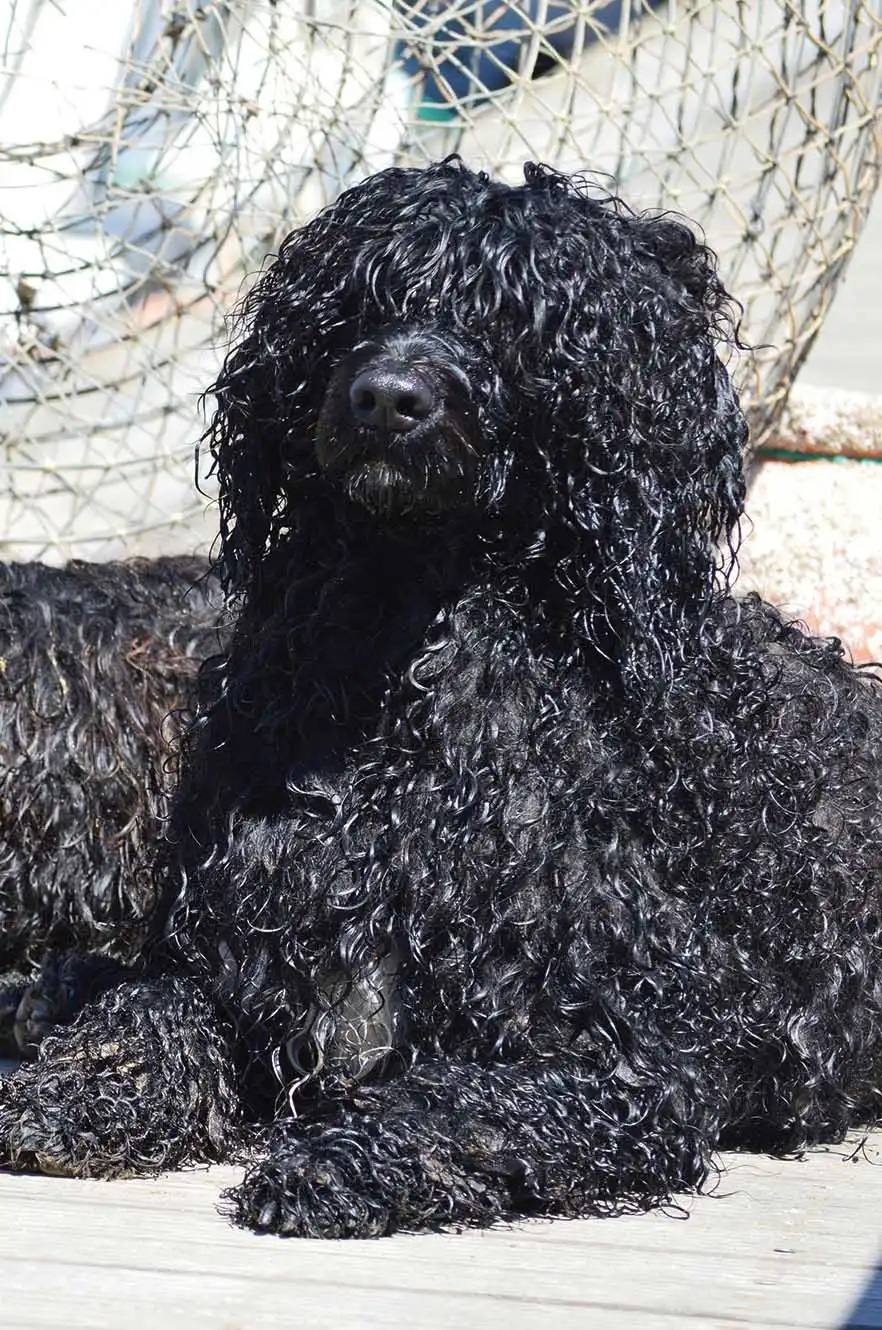
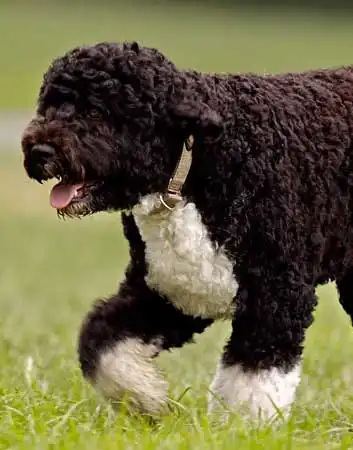
These dogs are distinguished by their single-layer coat, which lacks an undercoat. Their fur can be either wavy or curly and is available in a variety of colors, such as black, silver fox, gray, white, numerous shades of brown, or combinations of black and white or brown and white. Many owners prefer grooming styles like the lion cut or retriever clip. These medium-sized dogs have a muscular physique and display straight, level backs. Their heads are slightly longer than their muzzles, featuring a broad, dome-like shape with a well-defined stop. They possess wide black noses and a scissor bite, where the teeth align evenly. Their medium-sized, dark, round eyes are paired with heart-shaped ears that are set high and droop down. The tails of Portuguese Water Dogs are thicker at the base and taper towards the tip. Their straight legs are equipped with webbed feet, which enhance their swimming capabilities.
Care Routine
This breed flourishes in homes with large, enclosed backyards that offer a secure space for play. However, they can adapt well to different living environments, including apartments, as long as they get enough exercise. It's important to include activities like jogging, long walks, swimming, or playing fetch in their daily routine for at least 30 minutes to an hour. Regular physical activity is vital for your Portuguese Water Dog; without it, they may develop destructive habits. Given their inclination to chew, providing a variety of chew toys is crucial; otherwise, they may resort to gnawing on household items. Feeding should be done twice a day, with a suggested daily portion of 2.5 to 3.5 cups of food. To avoid tangles, brush or comb your dog two to three times a week, and trim their fur monthly. If your dog loves to swim, make sure to rinse them with fresh water afterward to wash away any harmful chemicals. Additionally, it's essential to dry their ears thoroughly after bathing or swimming, as excess moisture can lead to infections. Ideally, you should brush their teeth two to three times a week, though daily brushing is even better. Nail trimming should be done once or twice a month.
Behavior & Temperament
The Portuguese Water Dog is a loving and gentle breed known for its playful nature, which often seeks to engage your attention. With a high level of intelligence, these dogs can easily outsmart their owners, necessitating attentive care from their guardians. Temperaments can vary widely among individuals within the breed. They are quick to learn and excel at acquiring new commands and tricks. Training is most successful when based on positive reinforcement, and it’s best to steer clear of repetitive tasks. This breed thrives in a range of activities, including agility, obedience, water work, and tracking. They also make wonderful therapy dogs and are adept at learning and performing tricks. Generally, Portuguese Water Dogs are good with children, although their lively energy may be too much for some. They typically get along well with other animals, such as dogs and cats, especially if they are raised in the same household.

Play & Exercise
Things to Know
Cups Per Day
2.5 Cups
Daily Activity
60 Minutes
Average Lifespan
12 Years
Origin
700 BC
Type
Pure Breeds
Size
Medium
Origin Country
Portugal
Brush Frequency
Weekly
Coat Texture
Curly
Register
Your kids have been begging for a pet forever, and you've recently decided that it's time for your family to get a new addition -- a dog! While everyone is excited for the new arrival, you're wondering if you need to have a dog license. How much does it cost? Is it required? Where do you get one?
Member Clubs

PETINNATE
Gun Dog

AKC
Working Group

UKC
Gun Dog
Height & Weight
Weight
47 lbs (21 kg)Male: 51 lbs (23 kg) , Female: 43 lbs (20 kg)
Height
20 inches (51 sm)Male: 22 inches (56 sm) , Female: 19 inches (48 sm)
6 Months

12 lbs ( m 12 lbs, f 12 lbs )
10 inches ( m 10 inches, f 10 inches )
12 Months
22 lbs ( m 22 lbs, f 22 lbs )
14 inches ( m 14 inches, f 14 inches )
18 Months
37 lbs ( m 37 lbs, f 37 lbs )
18 inches ( m 18 inches, f 18 inches )
Eye Colors
Brown

Nose Colors
Black
Brown
Coat Colors
Black

White

Brown