Chinook
The Chinook is a breed that is uniquely American in its heritage. Its beginnings can be traced to a female Northern Husky and a dog from the Arctic region. The father was of mixed lineage, and the resulting puppy, which was eventually named Chinook, did not closely resemble either of its parents; over time, this name became synonymous with the breed itself. Interestingly, the Chinook is believed to have been part of Admiral Byrd’s 1927 expedition to the South Pole, where it reportedly achieved remarkable records in terms of time, distance, and load capacity during the early 20th century. Today, thanks to the commitment of a small group of passionate breeders, the Chinook remains a rare breed.

Breed Origin
The inaugural "Chinook" was born in 1917 on the farm of author and explorer Arthur Walden in New Hampshire. The name "chinook" is derived from the warm winter winds, and it was given to a puppy that would later become the foundation of the breed. This puppy, referred to as a “sport,” displayed characteristics that set him apart from his parents. Nevertheless, his offspring inherited his size, coloration, and various other traits. These descendants were selectively bred to merge the strength of larger freight dogs with the agility of racing sled dogs, as the primary aim of the Chinook breed was to pull sleds. Currently, only a small number of breeders are dedicated to raising Chinooks, rendering them quite rare; in fact, there were merely 125 individuals recorded in 1966. The breed faced a significant risk of extinction during the 1980s but has experienced a revival in recent years. Although the Chinook is no longer predominantly regarded as a working dog, it continues to excel as a harness worker and is celebrated for its obedience, gradually transitioning into a beloved companion animal. The breed received official recognition from the United Kennel Club in 1991.
Breed Appearance
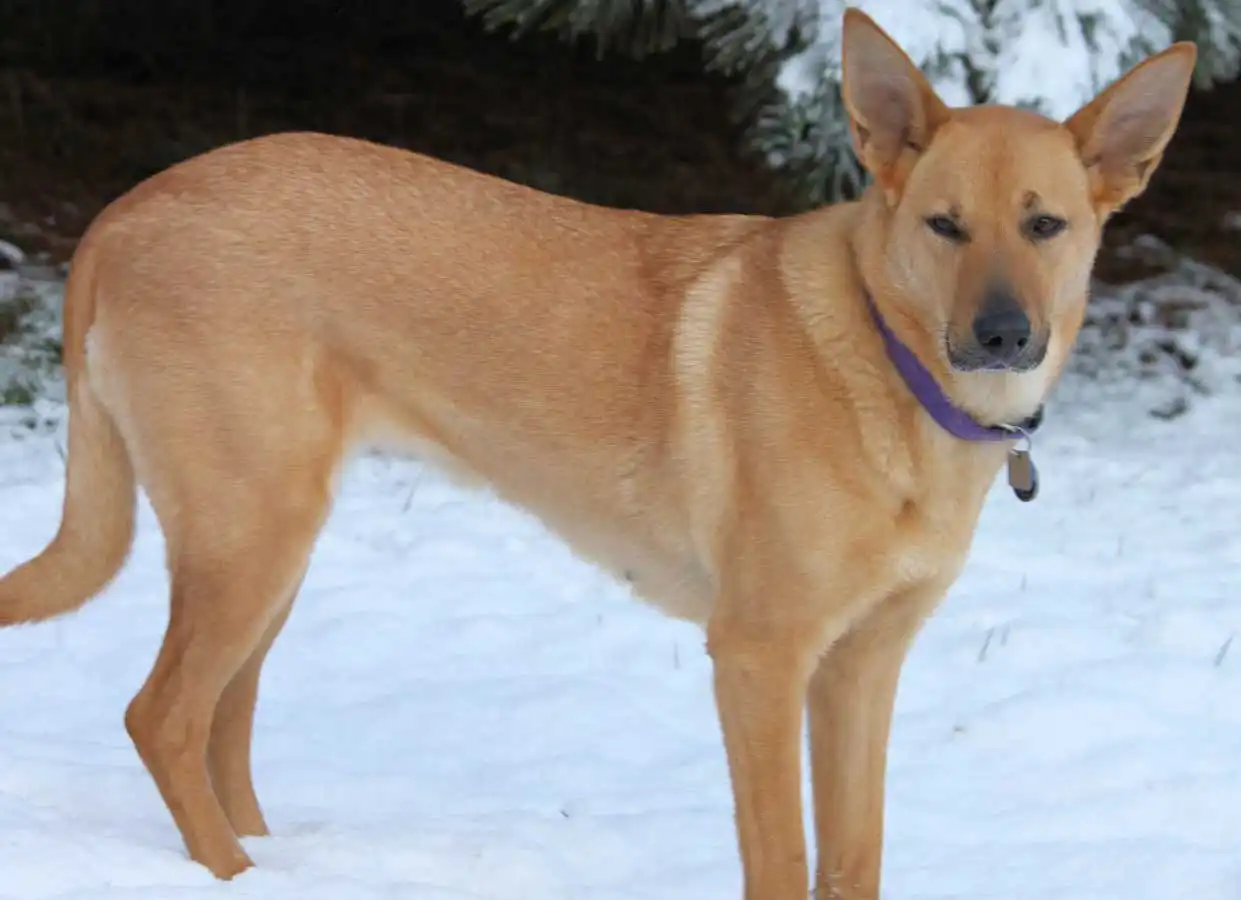
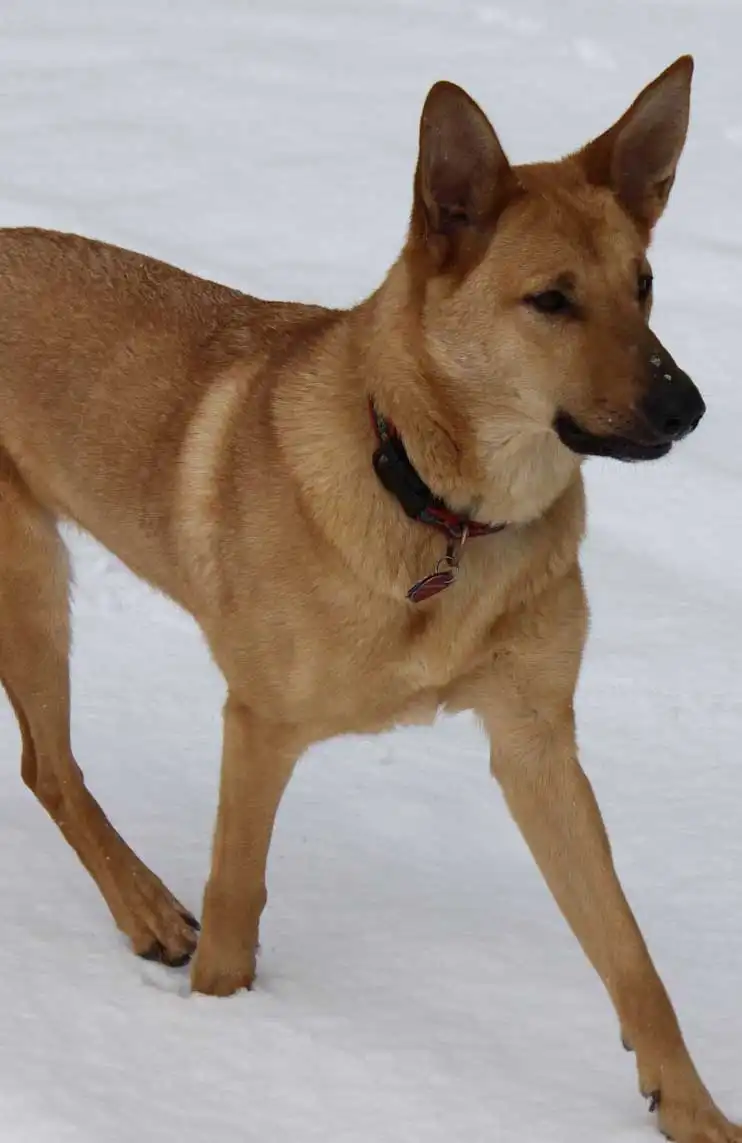
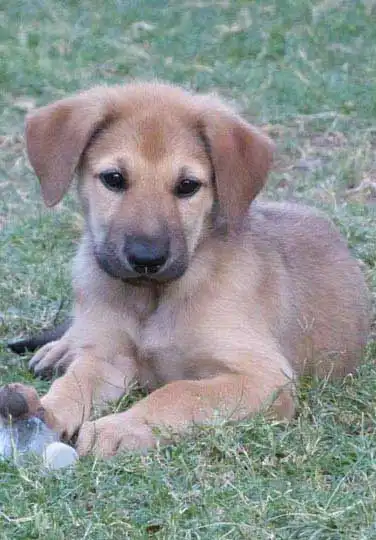
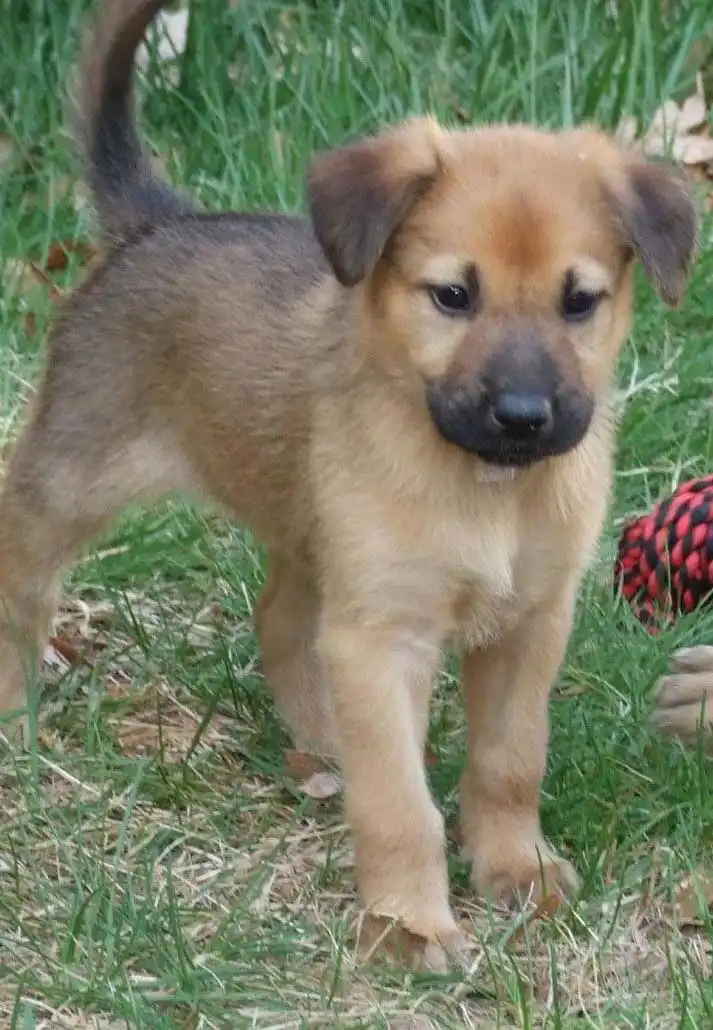
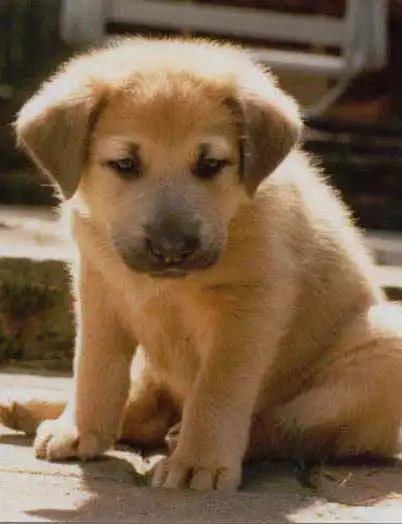
The Chinook is a large dog breed known for its distinctive tawny coat and floppy ears, although some may have ears that stand upright. The specific shape of a puppy's ears is not fully determined until the dog is about six months old. Their fur is medium in length, featuring a coarse outer layer paired with a thick, soft undercoat. The tawny coloration can range from a light honey to a vibrant reddish-gold. Additionally, Chinooks often have black markings at the inner corners of their eyes, along with dark tawny or black accents on their ears and muzzle. Their almond-shaped eyes typically reflect a keen intelligence. Some individuals may also show buff markings on their cheeks, muzzle, throat, chest, toes, and belly. When relaxed, a Chinook's long tail hangs down, but it is raised when the dog is feeling excited.
Care Routine
The Chinook is characterized by a double coat that adapts in thickness according to its surroundings. In colder climates, the fur is typically denser, whereas in warmer areas, like the southern United States, it is lighter. This breed is known for shedding significantly, making it crucial to brush them weekly. While regular baths are not recommended, experts suggest limiting bathing to just twice a year. During the shedding period, known as "blowing coat," which lasts around three weeks, more frequent brushing is required. Additionally, the Chinook's nails grow quickly, necessitating weekly trimming. To ensure good dental hygiene, regular teeth brushing is also important. Although the Chinook is an active breed, it can adapt well to apartment living, provided it gets sufficient exercise.
Behavior & Temperament
Chinooks, much like their forebears—the herding dogs and mastiffs—are recognized for their friendly and gentle nature. Although they may be somewhat reserved in the presence of strangers, it’s wise to keep them in a securely fenced area, as they have a tendency to roam. These dogs make wonderful companions for both children and other pets, but they are not particularly effective as watchdogs. Generally, this breed is non-aggressive and tends to be timid, often appearing a bit anxious at first. Chinooks are not known for being overly vocal; rather than barking, they typically communicate through whining or producing “woo-woo” sounds. They are very active and enjoy outdoor pursuits such as hiking, jogging, and biking alongside their owners. There is also potential for them to thrive as therapy dogs. However, they are not particularly fond of water and, despite their playful nature, can quickly lose interest in repetitive activities like fetch. Additionally, they may indulge in digging around the yard. Given their high intelligence, it is essential to begin consistent and firm training as soon as you welcome a Chinook puppy into your home. Without proper direction, they can become quite headstrong, so many experts recommend seeking professional training early in their development. Fortunately, they are eager to please and usually respond positively to training efforts.
Play & Exercise
Things to Know
Cups Per Day
3.0 Cups
Daily Activity
60 Minutes
Average Lifespan
14 Years
Origin
1900s
Type
Pure Breeds
Size
Large
Origin Country
United States
Brush Frequency
Weekly
Coat Texture
Wiry
Register
Your kids have been begging for a pet forever, and you've recently decided that it's time for your family to get a new addition -- a dog! While everyone is excited for the new arrival, you're wondering if you need to have a dog license. How much does it cost? Is it required? Where do you get one?
Member Clubs

PETINNATE
Northern Breed

AKC
Working Group

UKC
Northern Breed
Height & Weight
Weight
73 lbs (33 kg)Male: 73 lbs (33 kg) , Female: 73 lbs (33 kg)
Height
24 inches (61 sm)Male: 25 inches (64 sm) , Female: 23 inches (58 sm)
6 Months
35 lbs ( m 35 lbs, f 35 lbs )
17 inches ( m 17 inches, f 17 inches )
12 Months
57 lbs ( m 57 lbs, f 57 lbs )
20 inches ( m 20 inches, f 20 inches )
18 Months
72 lbs ( m 72 lbs, f 72 lbs )
23 inches ( m 23 inches, f 23 inches )
Eye Colors
Brown

Amber
Nose Colors
Black
Coat Colors
Fawn
White
Black
Gray