American Bulldog
Am Bulldog, Old Country Bulldog
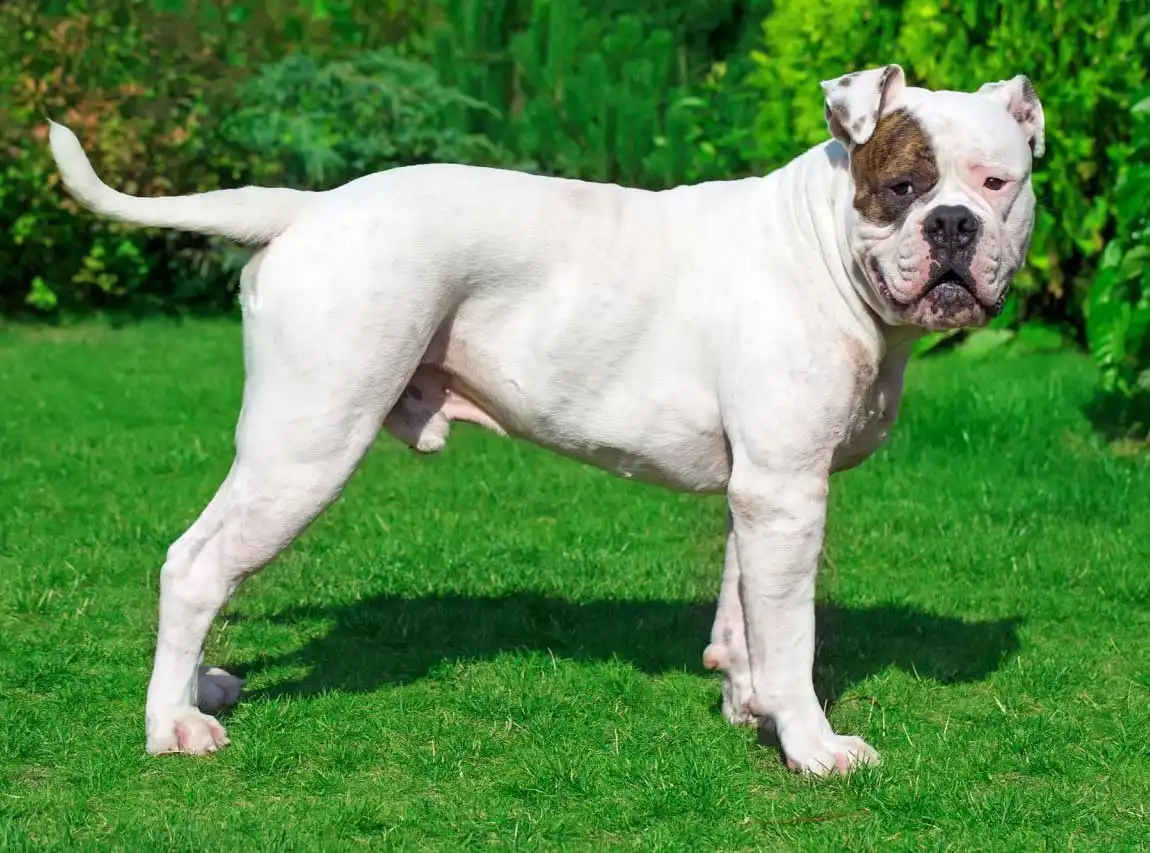
The American Bulldog is a strong and athletic breed that, despite its imposing appearance, has a gentle disposition and a playful nature. This breed is divided into two main categories: the Johnson type, often called the Bully or Classic type, which has a stockier frame and a shorter muzzle similar to that of the English Bulldog; and the Scott type, known as the Standard or Performance type, which is more agile, featuring a longer muzzle and a squarer head. Many American Bulldogs today are hybrids of these two varieties. Frequently confused with the often-misunderstood American Pit Bull Terrier, the American Bulldog is a distinct breed with its own characteristics that make it not only an excellent working dog but also a loving family pet. Beneath their tough exterior lies a sensitive and emotional nature, which allows them to be highly aware of their surroundings. This sensitivity contributes to their success as family companions, particularly in households with children, as they relish playful interactions and can sense the mood of their environment. These dogs are celebrated for their affectionate personalities and strong self-assurance, which often translates into loyalty, obedience, and a protective instinct. However, because they can be reserved around unfamiliar people and other dogs, early socialization and training are crucial for their development in diverse social situations. As a high-energy breed, they thrive in homes with ample outdoor space and regular exercise, although they can adapt to apartment living if their owners lead an active lifestyle that includes them.
Breed Origin
The American Bulldog's lineage can be traced back to the 17th century, believed to be descendants of the Old English Bulldog. These dogs made their way to the American South with working-class immigrants from England's West Midlands before the onset of the Industrial Revolution. Farmers and ranchers highly prized them for their abilities in hunting wild pigs, which were a considerable danger due to the absence of natural predators, as well as for their roles in managing cattle and protecting homes and families. Prior to the prohibition of blood sports in England and later in the United States in 1835, these dogs were also subjected to the brutal practices of bull and bear baiting, where they were forced to engage in fights with other animals. Given their primary function as working dogs, there was little emphasis on preserving specific bloodlines or documenting their ancestry; breeders prioritized selecting dogs with the most desirable working characteristics. By the conclusion of World War II, the American Bulldog, often simply called "bulldogs" due to their utilitarian roots, was on the brink of extinction. This situation changed when war veteran John D. Johnson returned home with a mission to revive the breed. He journeyed through the rural South in search of the finest specimens, eventually connecting with a young enthusiast named Alan Scott. Scott began breeding his own catch-dogs with Johnson's line, leading to the development of what is now known as the Standard American Bulldog. Additionally, Johnson interbred his dogs with the English Bulldog, resulting in the Classic or Bully type. Today, many American Bulldogs are hybrids of these two lines, continuing to serve as utility dogs for hunting and protection while also becoming increasingly popular as family pets, thanks to their gentle nature, intelligence, and loyalty.
Breed Appearance
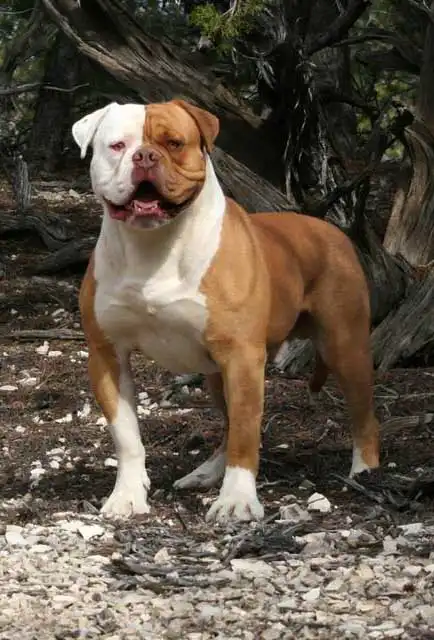
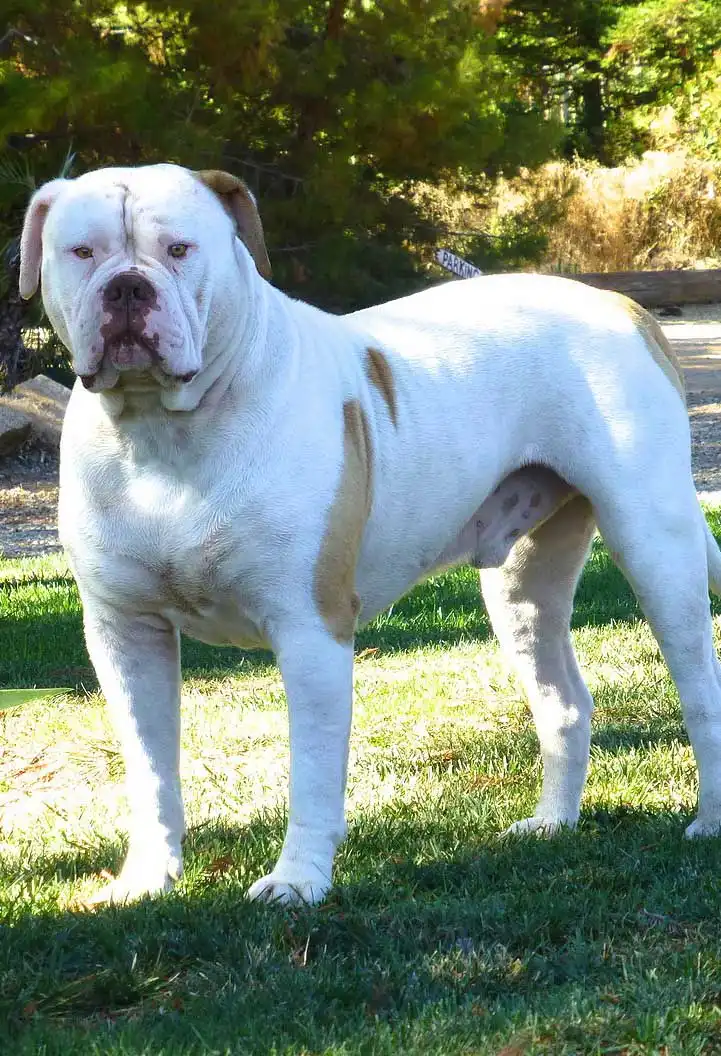
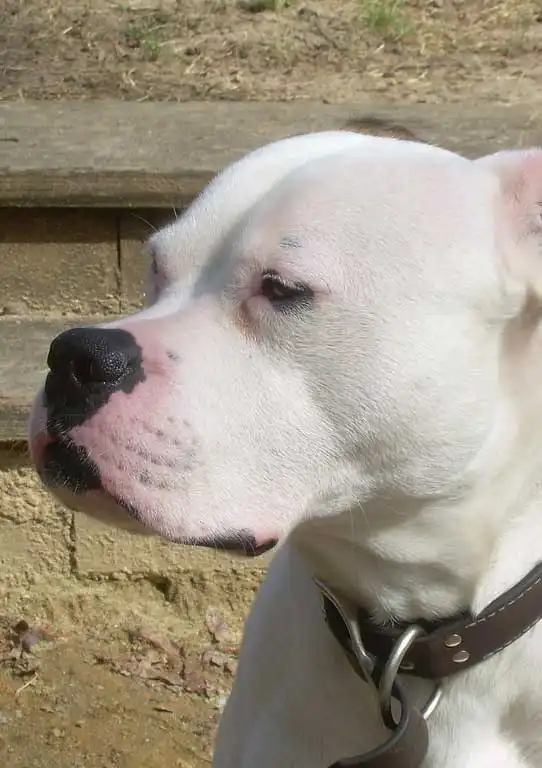
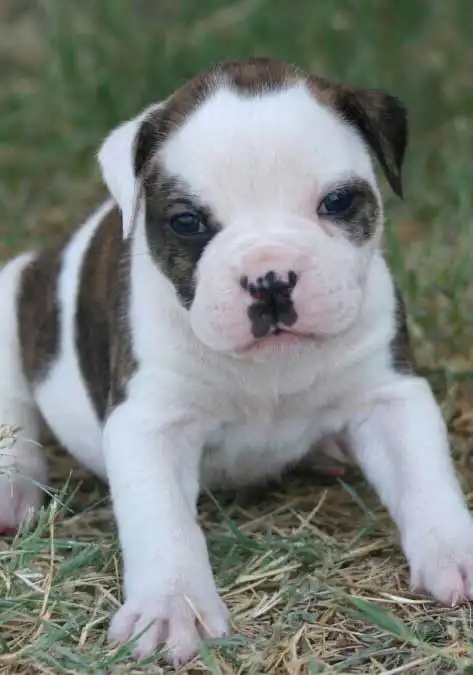
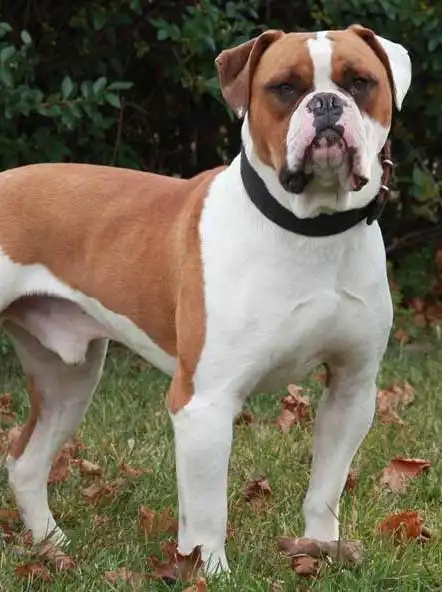
The American Bulldog is a breed that ranges from medium to large in size, typically standing between 20 and 28 inches tall and weighing as much as 120 pounds, though the average weight is around 90 pounds. This breed is known for its impressive muscular physique, which is highlighted by its short coat. Due to their varied lineage, American Bulldogs can display a variety of physical characteristics, especially in their legs and facial features, yet they generally share a consistent set of hallmark traits. All American Bulldogs, regardless of their specific type, have a sturdy build, with much of their weight coming from a strong muscular framework that spans their legs, back, chest, and neck. They are easily recognized by their large heads and powerful jaws, complemented by short, folded ears that are best left undocked, as well as thick, tapering tails. Those exhibiting prominent Johnson traits typically have a shorter muzzle and a more robust build, resembling the English Bulldog, and are generally shorter in height. On the other hand, the Standard variety tends to have a leaner, more athletic appearance, featuring a longer muzzle and a squarer head, making them the taller representatives of the breed. Their coats are short and relatively fine, historically noted for being primarily white with various patches of colors like black, red, and brown. However, over the years, the breed has diversified to include a broader spectrum of colors and patterns.
Care Routine
American Bulldogs are relatively easy to care for, thanks to their short fur. They experience light to moderate shedding and only need to be brushed once a week to keep their coats in good condition, with baths given as needed by their owners. Due to their facial structure and heritage, these dogs may drool, so it's crucial to regularly wipe their mouths to maintain cleanliness for both the pet and the owner. Consistent dental hygiene is vital, with weekly tooth brushing recommended, particularly since this breed tends to eat a considerable amount of food due to their size. Furthermore, it's important to keep an eye on their nails and trim them as required.
Behavior & Temperament
Beneath their tough exterior, American Bulldogs are actually gentle, loving, and surprisingly sensitive companions. Unlike some breeds that are strictly categorized as either intelligent or strong, American Bulldogs uniquely blend both qualities, effectively utilizing their skills. They are quite clever and can be trained with relative ease, especially when guided by a confident owner who assumes the role of a strong pack leader. Once they have undergone training, they are eager to showcase their loyalty and obedience. These dogs have a protective instinct, which can make them cautious or even aggressive towards strangers and other dogs if they do not receive proper guidance from a strong leader during their early development. While they are naturally brave and typically non-aggressive, responsible ownership is essential to ensure they get the right socialization and training for optimal behavior. Their emotional sensitivity means they respond best to positive reinforcement; harsh discipline can lead to sulking and unhappiness, underscoring the need for patience in their training process. With the right attention, American Bulldogs can become well-behaved pets. However, without sufficient exercise, playtime, and mental stimulation, they may engage in destructive behaviors. They thrive in homes with plenty of outdoor space to run, given their high energy levels, but can also adapt to smaller living situations if matched with an active owner who provides daily exercise. These dogs often do well in larger families that create a pack-like environment, but they can also flourish with a single owner who is willing to invest time and care into their upbringing.
Play & Exercise
American Bulldogs are generally known for their high energy levels, although there are differences between the Standard and Bully types. The Bully variety tends to need less exercise because of their shorter legs and brachycephalic features. Ideally, they thrive in environments with plenty of space to run, access to a large dog park, or an owner who can commit to daily jogging. These dogs flourish on social interaction and may become discontent if left alone in a yard for long stretches. Regular trips to the dog park and time spent with friends and family are essential, as they have an emotional nature that seeks attention. Furthermore, their intelligence makes it important to include mentally engaging games and activities to encourage positive behavior and avoid issues like frustration, restlessness, and potential destructiveness. Given their size and muscular physique, they typically need at least a couple of miles of walking or jogging each day, along with 45 to 60 minutes of playtime and as much companionship as possible at home.
Things to Know
Cups Per Day
4.0 Cups
Daily Activity
60 Minutes
Average Lifespan
13 Years
Origin
17th Century
Type
Pure Breeds
Size
Large
Origin Country
United States
Brush Frequency
Weekly
Coat Texture
Straight
Register
Your kids have been begging for a pet forever, and you've recently decided that it's time for your family to get a new addition -- a dog! While everyone is excited for the new arrival, you're wondering if you need to have a dog license. How much does it cost? Is it required? Where do you get one?
Member Clubs

PETINNATE
Guardian Dog

UKC
Guardian Dog
Height & Weight
Weight
90 lbs (41 kg)Male: 90 lbs (41 kg) , Female: 90 lbs (41 kg)
Height
24 inches (61 sm)Male: 24 inches (61 sm) , Female: 24 inches (61 sm)
6 Months
64 lbs ( m 64 lbs, f 64 lbs )
17 inches ( m 17 inches, f 17 inches )
12 Months
77 lbs ( m 77 lbs, f 77 lbs )
20 inches ( m 20 inches, f 20 inches )
18 Months
90 lbs ( m 90 lbs, f 90 lbs )
24 inches ( m 24 inches, f 24 inches )
Eye Colors
Blue

Hazel
Brown
Amber
Nose Colors
Black
Brown
Coat Colors
Brown
Black
Brindle
Fawn
Red
White
Characteristics
Mixes
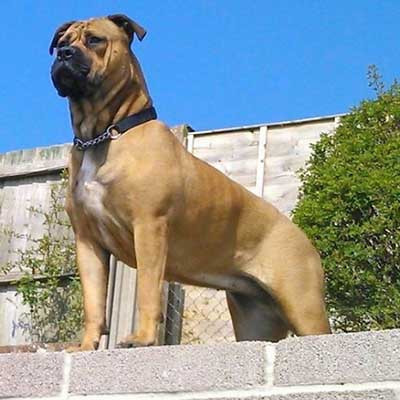
American Bull Dogue De Bordeaux
The American Bull Dogue De Bordeaux is a relatively recent breed, emerging from the combination of the American Bulldog and the Dogue De Bordeaux. Although there is limited information available about this breed, we can draw conclusions about its traits based on its lineage. Both parent breeds are recognized for their gentle nature with children, although they often display a more reserved attitude towards strangers and other animals. Consequently, it is reasonable to anticipate that the American Bull Dogue De Bordeaux will share these characteristics. As they mature, these dogs are expected to have a low energy level and require little upkeep. With the support of a knowledgeable owner, they can adapt well to various living environments, making them wonderful companions.
Read more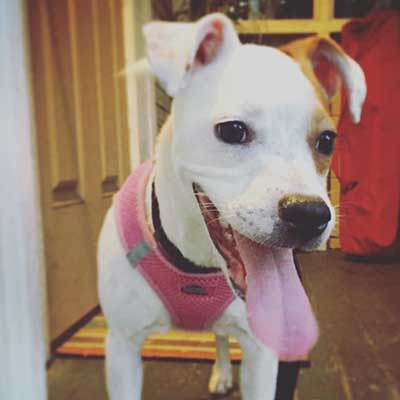
American Bull-Jack
The American Bull-Jack remains relatively obscure, and many individuals mistakenly link its ancestry to the English Bulldog and Jack Russell Terrier. In truth, this hybrid is a combination of the American Bulldog and the Jack Russell Terrier. The American Bulldog imparts its robust size and strength, while the Jack Russell Terrier infuses a vibrant and playful spirit into the breed. Ideally, the American Bull-Jack is designed to represent a harmonious fusion of both parent breeds, making it an excellent companion for families. However, due to its keen intelligence and energetic nature, this breed is best suited for seasoned dog owners who can dedicate the necessary time and care to its training.
Read more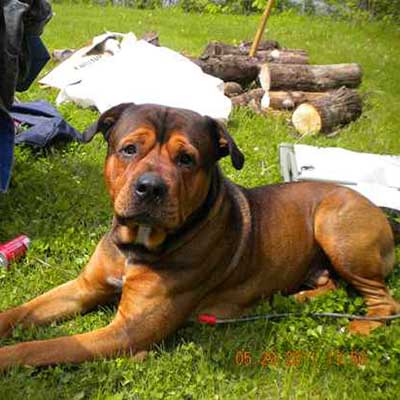
American Bullweiler
The American Bullweiler is a hybrid breed that emerges from the combination of the American Bulldog and the Rottweiler. Renowned for its intelligence and sharp observational abilities, this mixed breed inherits a blend of traits from both parent breeds, resulting in a dog that is strong, muscular, and athletic. Eager to please their families, American Bullweilers are known for their loyalty and dedication. Although the precise origins of this breed are somewhat ambiguous, it gained popularity in line with the rising trend of hybrid dog breeding. This breed serves effectively as both a protective guard dog and a loving family pet. In terms of physical appearance, the American Bullweiler features a sturdy, muscular build and a short, sleek coat. Its large, rounded head is characterized by a prominent muzzle, while the skin around its face and neck exhibits slight wrinkles. The dog’s dark brown, expressive eyes and floppy ears that hang down on either side contribute to its unique appearance. With a friendly disposition, the American Bullweiler thrives on human companionship. Additionally, its short coat makes grooming simple and low-maintenance. This breed is also very energetic, necessitating regular exercise to maintain its happiness and health.
Read more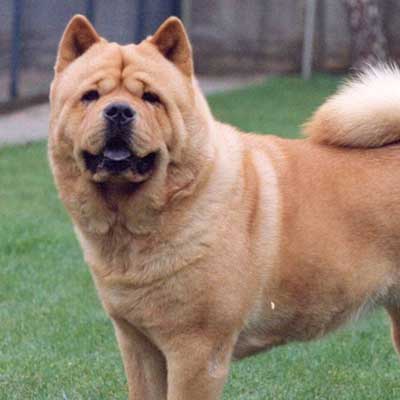
American Chow Bulldog
The American Chow Bulldog radiates an air of dignity and aloofness, representing a breed that is both fiercely independent and protective. This hybrid, a cross between the American Bulldog and the Chow Chow, has somewhat ambiguous origins, indicating that it is a relatively new breed. The American Chow Bulldog inherits the playful and loving disposition of the American Bulldog while also displaying the reserved and protective qualities of the Chow Chow. In terms of appearance, it closely resembles the American Bulldog with its smooth, short coat, but its facial features and neck structure reveal its Chow Chow heritage. Each litter can showcase a diverse array of traits from both parent breeds, leading to a captivating variety of personalities and looks. Caring for an American Chow Bulldog is quite manageable, with daily brushing suggested to keep its coat in good condition. While this breed typically has a low energy level, it still requires regular exercise to maintain optimal health and manage its weight.
Read more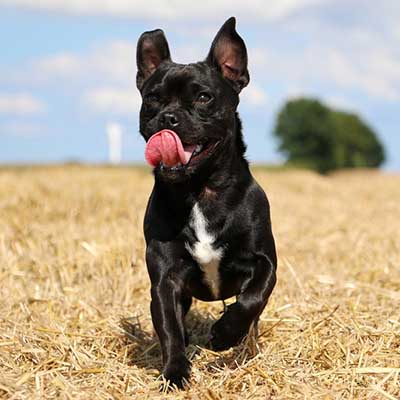
American Pugabull
The Pug has its origins in China and became a beloved pet among European royalty. Its popularity surged during the Victorian era, leading to its depiction in numerous artistic forms such as paintings, postcards, and figurines. On the other hand, the American Bulldog was bred for the now-banned practice of bull-baiting and was utilized as a hunting and guard dog by farmers and ranchers. Both breeds are recognized for their considerable shedding. Moreover, they are both great with children and exhibit a deep loyalty to their families.
Read more