Dog Breeds by General Exercise Needs
General Exercise Needs refers to how a dog typically behaves or responds in everyday situations. Individual dogs may vary based on training, environment, and genetics.
General Exercise Needs
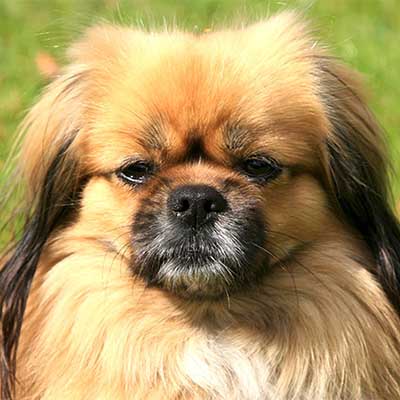
Tibetan Spaniel
The Tibetan Spaniel, celebrated for its independent spirit and gentle demeanor, was originally bred by Buddhist monks in Tibet. This breed is reminiscent of a lion, which holds significant meaning in Buddhism. While it shares some characteristics with the Pekingese, the Tibetan Spaniel features a slightly elongated face and does not possess the excessive skin commonly found in that breed. Its body is longer than it is tall, complemented by a small, rounded head that is well-proportioned to its frame. The muzzle is of medium length and smooth, free from wrinkles, while its dark, widely spaced eyes add to its charm. This delightful dog is adorned with a silky, flat double coat and a feathery tail that arches gracefully over its back, along with a longer mane around its neck. Historically, this loyal breed functioned as both a watchdog and a companion, alerting its owners to potential dangers with its distinctive bark. To maintain the health of its coat, regular grooming is vital, requiring daily brushing and combing to avoid matting. The Tibetan Spaniel has moderate energy levels, so it is important to provide adequate mental and physical stimulation to keep it engaged and stave off boredom.
Read more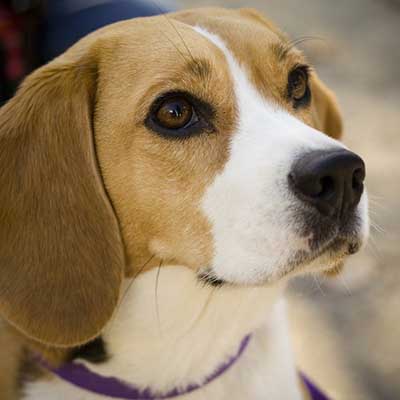
Beagle
The Beagle is frequently seen as one of the most laid-back and cheerful dog breeds. With a lively and amusing demeanor, this breed spreads happiness to those around it. Originating in England in the early 1800s, Beagles were originally developed for tracking and hunting rabbits. They flourish when allowed to explore their environment, utilizing their exceptional sense of smell, which can sometimes lead them into playful trouble. As scent hounds, Beagles have ancestry that includes the Talbot Hound, North Country Beagle, and Southern Hound. Their compact and muscular build makes them an ideal companion. Beagles are easily identifiable by their droopy ears and endearing expressions. Their short, smooth coats require little maintenance; a simple weekly brushing with a rubber curry brush is enough to keep them looking their finest.
Read more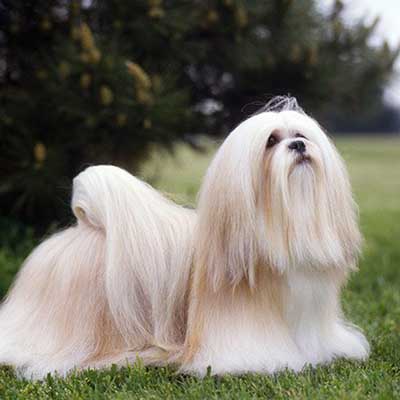
Lhasa Apso
These small but impressive dogs were initially bred to act as guardians in the temples and monasteries located in the Tibetan mountains thousands of years ago. Their popularity in the United States, however, only began in 1933 when the Dalai Lama presented several of these dogs to Mr. and Mrs. Suydam Cutting from New Jersey. Renowned for their joyful nature, these dogs are often playful and even a bit goofy at home, although they tend to be more reserved with unfamiliar faces and may display protective behaviors over their food and toys. Their beautiful, flowing coats require considerable maintenance, necessitating daily brushing and combing, even if kept relatively short.
Read more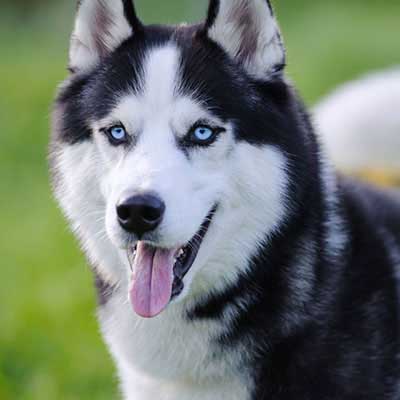
Siberian Husky
The Siberian Husky is a venerable breed that has likely developed alongside humans for thousands of years. Hailing from Russia, these dogs were cultivated by the Chukchi people, who depended on them for hauling supplies, which enabled their community to thrive in challenging environments. In addition to their transportation duties, Huskies were also bred to live harmoniously with Chukchi families. This selective breeding has resulted in a friendly and energetic breed renowned for its impressive stamina. Their dense double coat, which provides insulation against severe cold, requires regular grooming, although they do not need frequent baths. Despite their wolf-like appearance, which may intimidate some, Siberian Huskies are generally too friendly to be effective as guard dogs.
Read more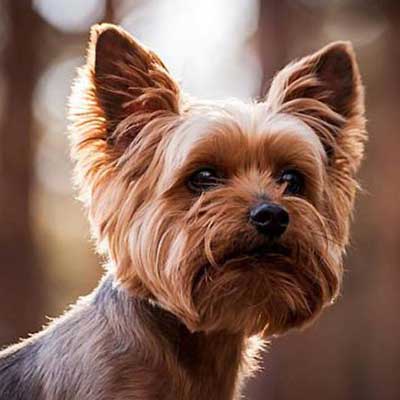
Yorkshire Terrier
The contemporary Yorkshire Terrier is a small breed primarily valued for companionship. In stark contrast, its forebears were much larger and were utilized for hunting small rodents and other vermin. It is thought that the Yorkshire Terrier emerged from a mix of several terrier breeds, with some contributions from the Maltese. Among these breeds are the Skye Terrier, Dandie Dinmont, Manchester Terrier, and the now-extinct Paisley or Clydesdale Terrier. Over the years, this brave little hunting dog evolved into a trendy pet, so petite that many women now carry them in handbags or under their arms. The American Kennel Club officially recognized the Yorkshire Terrier in 1885.
Read more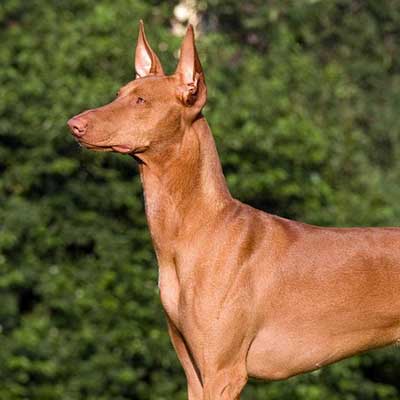
Pharaoh Hound
The Pharaoh Hound, recognized for its reserved yet spirited personality, has origins dating back to around 3000 B.C. While it has traditionally been thought to originate from Ancient Egypt, recent genetic research suggests that its true beginnings are in Malta. Ancient Egyptian hieroglyphics provide evidence of the Pharaoh Hound's long-standing presence, indicating that this breed has existed for millennia. With a strong and athletic physique, the Pharaoh Hound exhibits a graceful and elegant movement. Initially bred for hunting small game, it utilizes its sharp senses of sight, sound, and smell. This breed boasts an exotic and noble appearance, brimming with energy and a love for playful pursuits. The Pharaoh Hound shines in agility and lure coursing, demonstrating its remarkable athletic abilities. Grooming is simple due to its short, glossy coat, which only requires weekly brushing to manage shedding. For optimal well-being, the Pharaoh Hound thrives in an environment that meets its exercise needs.
Read more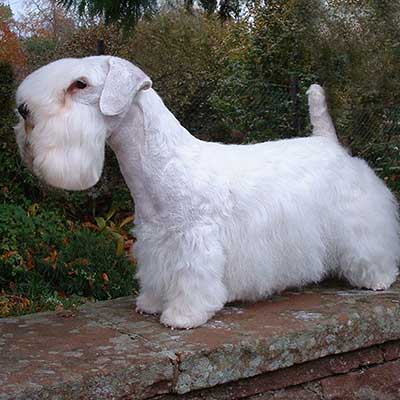
Sealyham Terrier
The Sealyham Terrier is a loyal, loving, and self-reliant breed. Originating from Wales, this small but determined dog was initially bred for hunting badgers, otters, and foxes. Although they are compact, Sealyhams can sometimes display a stubborn nature. In modern times, these dogs enjoy chasing birds, rabbits, and even other pets, such as cats and dogs. Their unique white coat was specifically developed to allow hunters to easily distinguish the dog from its prey. The American Kennel Club recognized the Sealyham Terrier in 1911. While it continues to be a popular choice in dog shows, it is regarded as a rare breed in the United States.
Read more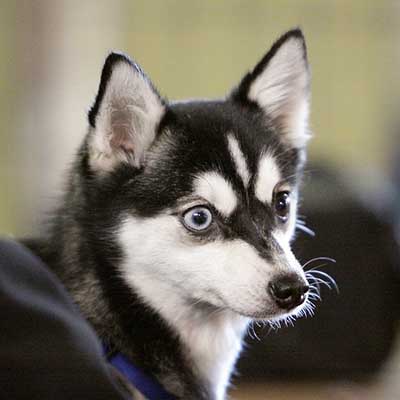
Alaskan Klee Kai
The Alaskan Klee Kai is a breed that emerged in the 1970s, created to be a smaller counterpart to the Alaskan Husky. These energetic, smart dogs are mainly bred for companionship rather than for labor. While they share a resemblance with their larger relatives, Alaskan Klee Kais can thrive in apartment settings, as long as they receive ample exercise and playtime. They might show signs of shyness or hesitation when encountering new people and communicate their emotions—be it fear, happiness, or sadness—through various vocal sounds.
Read more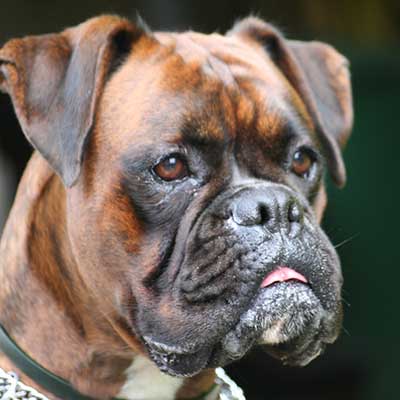
Boxer
The Boxer breed traces its roots back to Germany in the early 19th century, where it was originally developed for use as a bait and fighting dog, as well as a loyal guardian. Its strong, muscular, and agile build made it ideal for these roles until the prohibition of bull baiting and dog fighting. Since then, the Boxer has gained immense popularity around the globe, renowned for its loyalty, playful nature, and high energy, which make it an excellent family pet. Furthermore, Boxers are recognized for their self-grooming tendencies, resulting in relatively low grooming needs. However, it is crucial to provide them with sufficient mental and physical stimulation; without it, they may exhibit undesirable behaviors.
Read more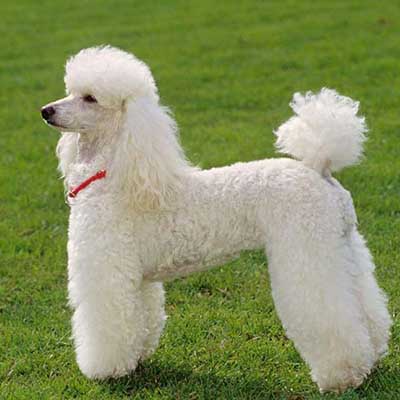
Poodle
Poodles, one of the most ancient dog breeds, are celebrated for their remarkable intelligence and ease of training, which makes them a popular choice among dog enthusiasts. They generally interact well with children and other pets, especially if they are socialized early on. Currently, Poodles are available in several sizes, including Toy, Miniature, and Standard. Each Poodle boasts a dense, curly coat that can range in texture from coarse to wiry and comes in nearly every color imaginable. Although they have charming personalities, they do require significant grooming and are susceptible to various serious health concerns. However, their loving and loyal disposition makes the extra care and attention well worth it!
Read more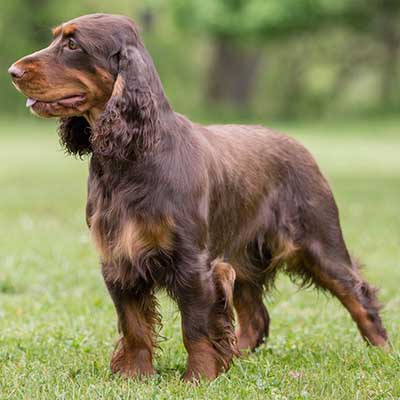
Field Spaniel
The Field Spaniel is a medium-sized dog recognized for its gentle nature and energetic spirit. Initially bred as a hunting companion, this breed gained traction in competitive dog shows during the 19th century. It descended from land Spaniels, diverging from breeds such as the Cocker Spaniel, English Water Spaniel, and Sussex Spaniel. Regrettably, early breeding efforts focused on specific traits nearly pushed the breed to the brink of extinction in the 20th century. Although Field Spaniels do not need specialized grooming, they thrive with weekly brushing to remove dead and loose fur. Additionally, like many Spaniels, they may experience issues with bad breath, which can be alleviated through regular brushing with dental products designed for dogs.
Read more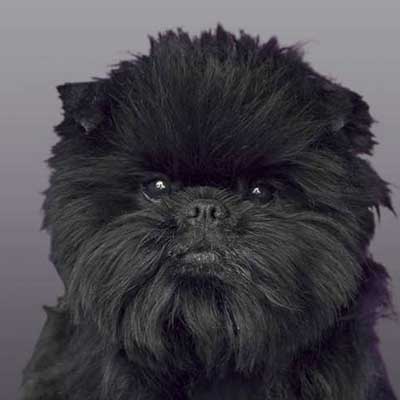
Affenpinscher
The Affenpinscher, commonly known as the "monkey dog," gets its name from a German term that reflects its playful appearance, particularly its resemblance to primates. Initially bred for hunting rats, these dogs were also referred to as ratters. The breed originated in Germany during the 17th and 18th centuries, evolving from various small terrier breeds. Their small stature and loving disposition made them popular as lapdogs among women, leading breeders to focus on creating even smaller versions. Typically, Affenpinschers reach a height of 9 to 11 inches and weigh about 9 pounds. They have medium-length, wiry fur that comes in several colors, including belge, tan, red, silver, gray, and black. Nowadays, this breed is relatively rare and not commonly found. It is recommended to keep Affenpinschers away from households with young children, as they generally dislike being squeezed or chased.
Read more