Bedlington Terrier
Rothbury terrier
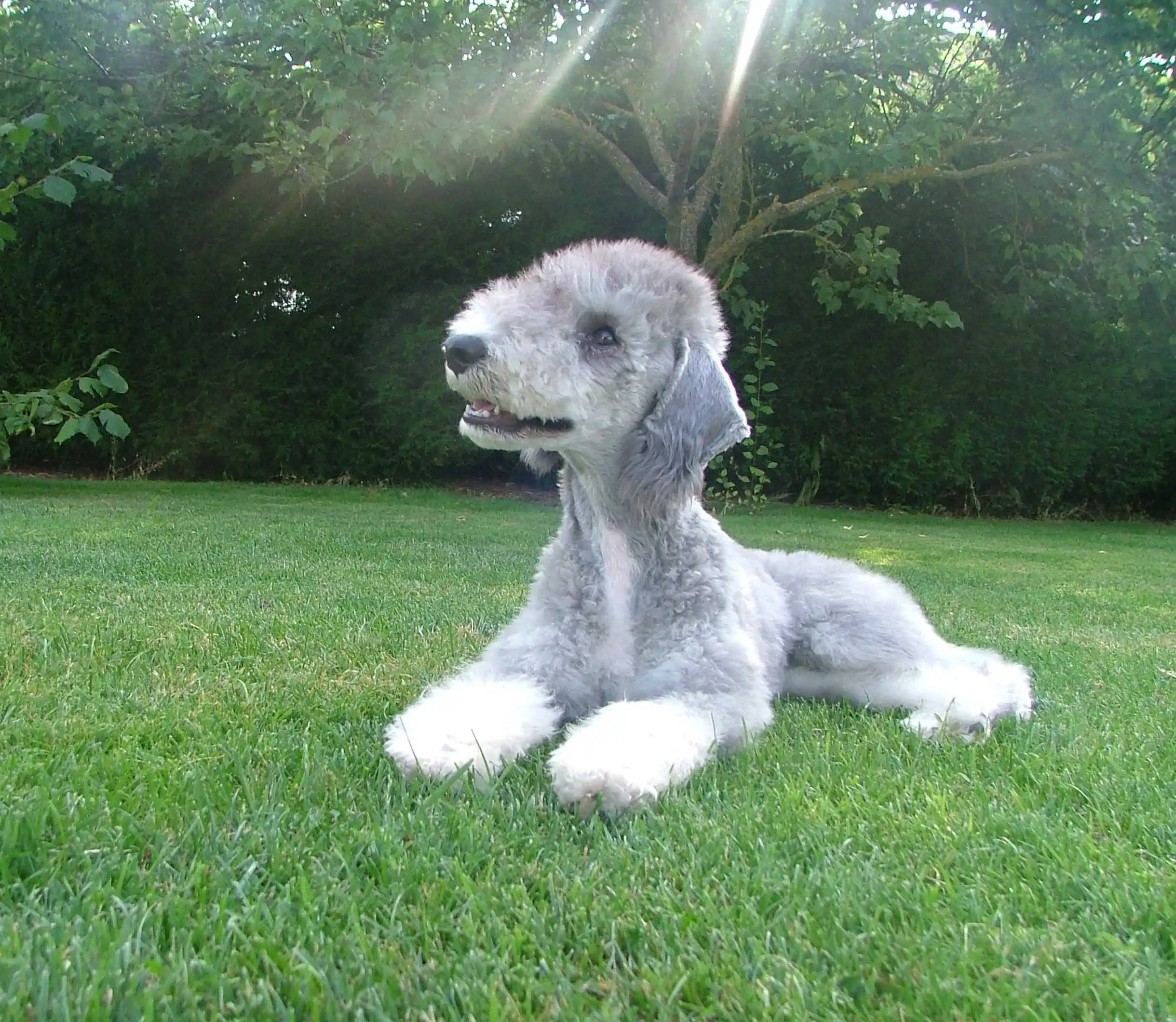
Bedlington Terriers stand out among Terrier breeds for their unique characteristics, typically weighing between 17 and 23 pounds. Females generally reach an average height of about 15.5 inches, while males are slightly taller at around 16.5 inches. These dogs are known for their graceful physique, which includes a slender build, lively personality, and distinctive coat. Their appearance is further enhanced by an arched back, ears adorned with tassels, and a narrow head. With gentle expressions, they exude a friendly nature, displaying neither shyness nor anxiety. Often regarded as delightful, entertaining, and loyal companions, Bedlington Terriers possess remarkable stamina, showcasing the energetic qualities of a Terrier along with the speed of a small coursing Hound. They respond well to training and typically interact positively with children and other dogs, especially when supervised. Although generally healthy, some may experience issues related to copper toxicosis. Their non-shedding single coat requires regular grooming, including scissor trimming and clipping, to maintain its appearance.
Breed Origin
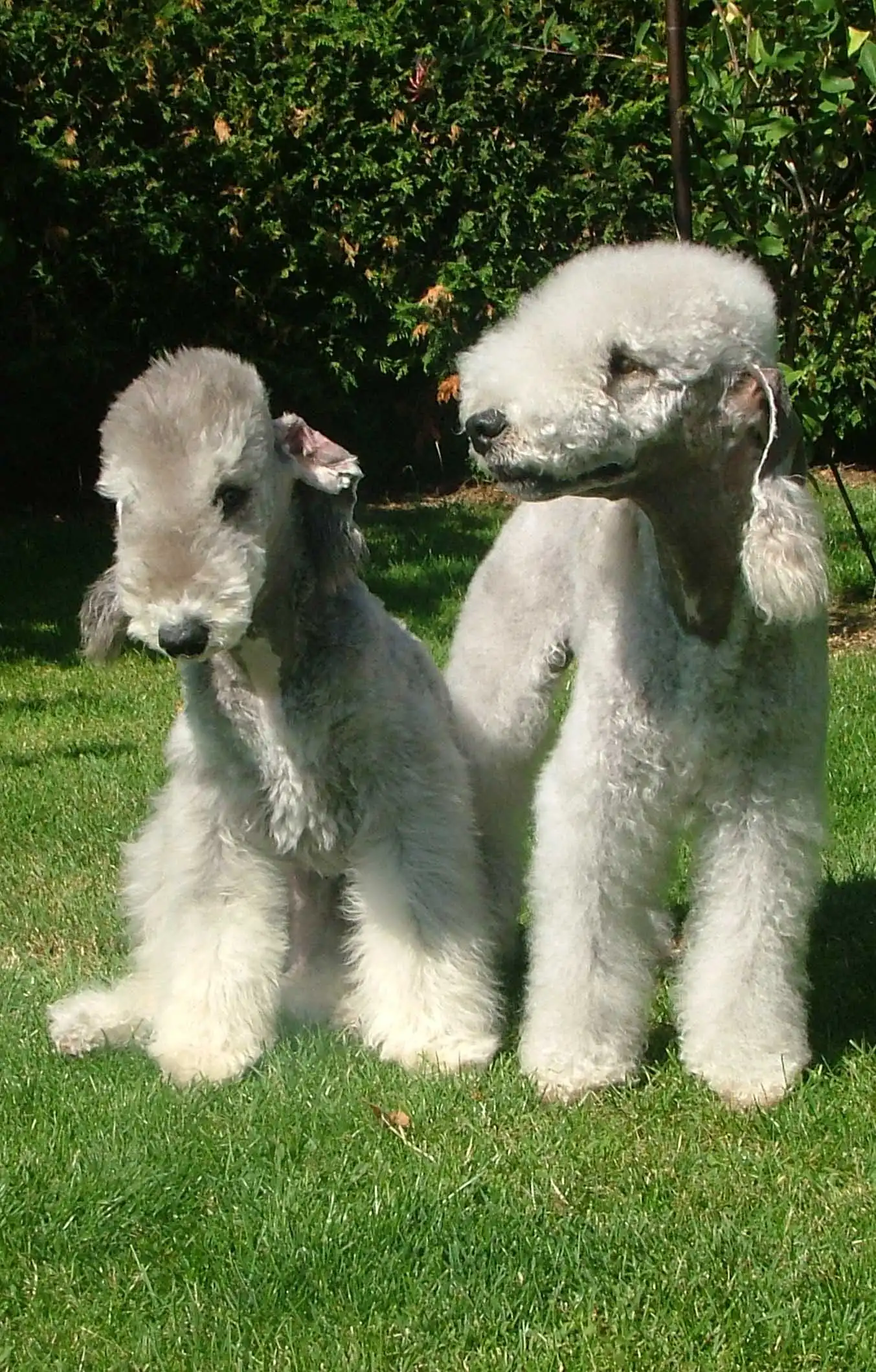
The exact beginnings of the Bedlington Terrier are somewhat unclear, though it is thought that breeds like the Dandie Dinmont and the Otterhound may have influenced its ancestry. This breed originated in northern England, where, during the late 1700s, a type of Terrier known as the Rothbury Terrier or Northumberland Fox Terrier was developed specifically for hunting purposes. In 1825, Joseph Ainsley, a local from Bedlington, bred two Rothbury Terriers, and the resulting puppies were designated as Bedlington Terriers. While there are suggestions that the breed might have been occasionally crossed with Whippets, there is no concrete evidence to support this claim. Celebrated for their agility, Bedlington Terriers excelled in hunting a variety of game, including rabbits, otters, foxes, badgers, and rats, which caught the interest of local landowners who began to acquire these dogs. By the late 19th century, the breed had gained prominence in dog shows and became a popular companion among the wealthy. Its appeal crossed social boundaries, and Bedlington Terriers started appearing in dog shows in the mid-1800s. The National Bedlington Terrier Club was founded in England in 1877, and the first Bedlington Terrier to be registered with the American Kennel Club was named Ananias, recorded in 1886.
Breed Appearance
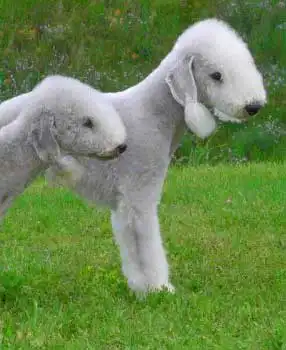
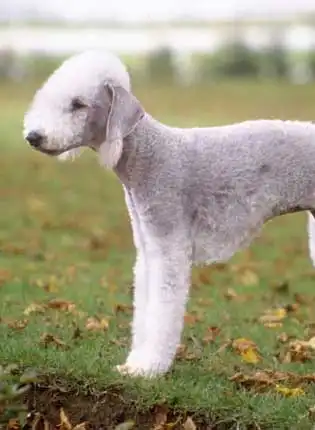
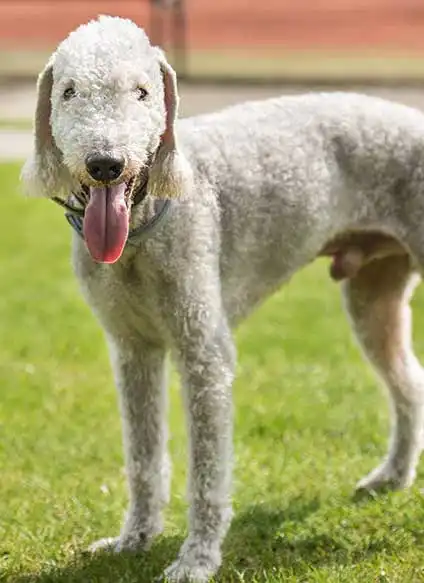
The Bedlington Terrier boasts a distinctive shape, being slightly elongated rather than tall. This breed presents a blend of elegance and strength, with its hind legs noticeably longer than its front ones. Its feet are elongated and feature thick, smooth pads. The head of this energetic dog is both slender and rounded, often topped with a unique topknot. Its small, almond-shaped eyes and slender, triangular ears—rounded at the tips and covered in fine hair that forms a delicate tassel—add to its endearing look. The ears have a soft, velvety texture. The Bedlington Terrier has a prominent nose with well-defined nostrils, and its long jaws house strong teeth that can form either a level or scissors bite. This breed carries its head high on a long neck, while its tail is set low and tapers to a fine point.
Care Routine
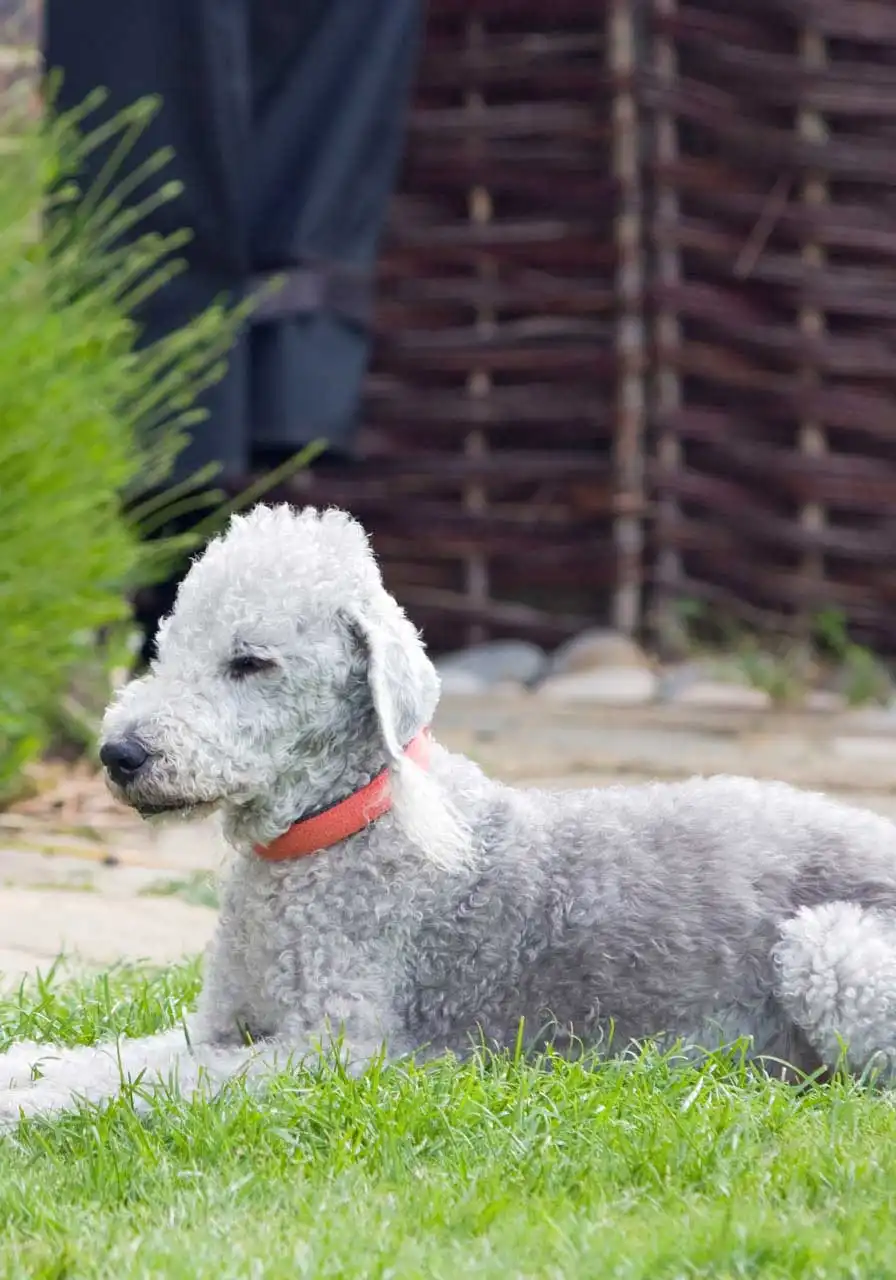
The Bedlington Terrier is known for its minimal shedding, making it a great choice for allergy sufferers. However, this breed demands considerable grooming, including a trim roughly every six weeks. To keep its coat in good condition, it should be brushed twice a week, and regular ear cleaning is crucial to avoid infections. While frequent baths won't dry out the Bedlington Terrier's skin, excessive washing can result in a dull coat. This lively dog requires daily exercise to stay healthy, whether through extended walks or playtime in a secure, fenced area. Without adequate physical activity, the curious Bedlington Terrier may engage in mischievous behavior.
Behavior & Temperament
Bedlington Terriers are recognized for their affectionate and loyal demeanor, which makes them wonderful companions and serene household pets. While they typically steer clear of confrontations, they do not shy away from other dogs. This energetic breed may have a natural tendency to pursue small animals when outside; however, with adequate socialization, they can live harmoniously with indoor pets. When integrated into family life, Bedlington Terriers often relish the presence of children and are generally friendly towards newcomers.
Play & Exercise
Things to Know
Cups Per Day
2.5 Cups
Daily Activity
45 Minutes
Average Lifespan
13 Years
Origin
1800s
Type
Pure Breeds
Size
Small
Origin Country
England
Brush Frequency
Daily
Coat Texture
Curly
Register
Your kids have been begging for a pet forever, and you've recently decided that it's time for your family to get a new addition -- a dog! While everyone is excited for the new arrival, you're wondering if you need to have a dog license. How much does it cost? Is it required? Where do you get one?
Member Clubs

PETINNATE
Terrier

AKC
Terrier Group

UKC
Terrier
Height & Weight
Weight
20 lbs (9 kg)Male: 20 lbs (9 kg) , Female: 20 lbs (9 kg)
Height
17 inches (43 sm)Male: 17 inches (43 sm) , Female: 16 inches (41 sm)
6 Months
9 lbs ( m 9 lbs, f 9 lbs )
5 inches ( m 5 inches, f 5 inches )
12 Months
13 lbs ( m 13 lbs, f 13 lbs )
9 inches ( m 9 inches, f 9 inches )
18 Months
18 lbs ( m 18 lbs, f 18 lbs )
12 inches ( m 12 inches, f 12 inches )
Eye Colors
Brown

Nose Colors
Black
Brown
Coat Colors
Blue
Sable
Brown