Newfoundland
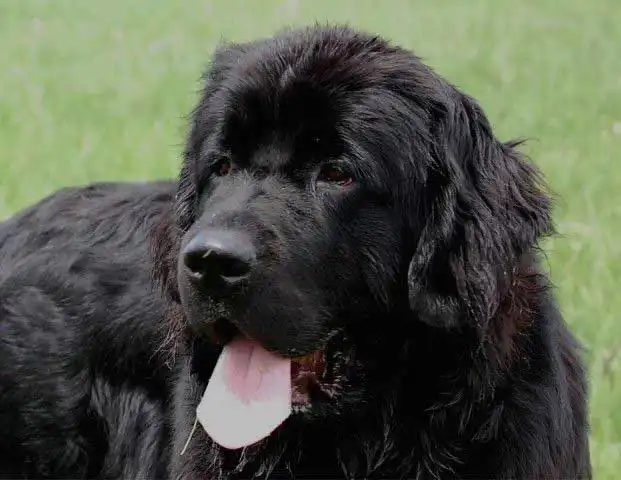
The Newfoundland is a breed that originates from North America, specifically Newfoundland Island in Canada. While the exact beginnings of this breed are not entirely clear, it is thought that European fishermen introduced its ancestors to the island. Some theories propose that the Newfoundland may have descended from the white Great Pyrenees, while others suggest a connection to a French hound. Originally developed as a multi-purpose water dog and fishing aide, the Newfoundland has since become crucial in water rescue efforts. This sizable breed generally weighs between 130 and 150 pounds, with males reaching about 28 inches in height and having a body that is slightly longer than it is tall. With their sturdy build and strong bones, Newfoundlands have the power needed to rescue individuals from drowning, even in rough waters. Their webbed feet and water-resistant fur aid in swimming, while their strong, effortless gait enhances their ability to pull effectively.
Breed Origin
It is thought that the Newfoundland breed's ancestors were brought to Newfoundland Island in Canada by European fishermen. The precise origins of the breed are still unclear; some theories suggest it may trace back to the white Great Pyrenees, while others speculate it could have evolved from a French hound or the Great Pyrenees itself. Historical depictions of Newfoundlands hint at possible husky lineage, and the breed shares certain traits with Labradors, likely due to the geographical closeness of Newfoundland to Labrador. Despite these uncertainties, Newfoundlands have adapted exceptionally well to their island habitat. These dogs are outstanding swimmers and have a commendable history of life-saving rescues from drowning incidents. Notably, in 1919, a Newfoundland was honored for its bravery in towing a lifeboat carrying twenty people from a shipwreck. In the past, residents of Newfoundland were allowed to own only one dog, and the export of these dogs to Europe led to a decrease in their numbers on the island. As a result, American breeders had to look to Europe for new breeding stock. After World War II, the breed experienced a decline in Europe, which led European breeders to turn to the United States for fresh stock.
Breed Appearance
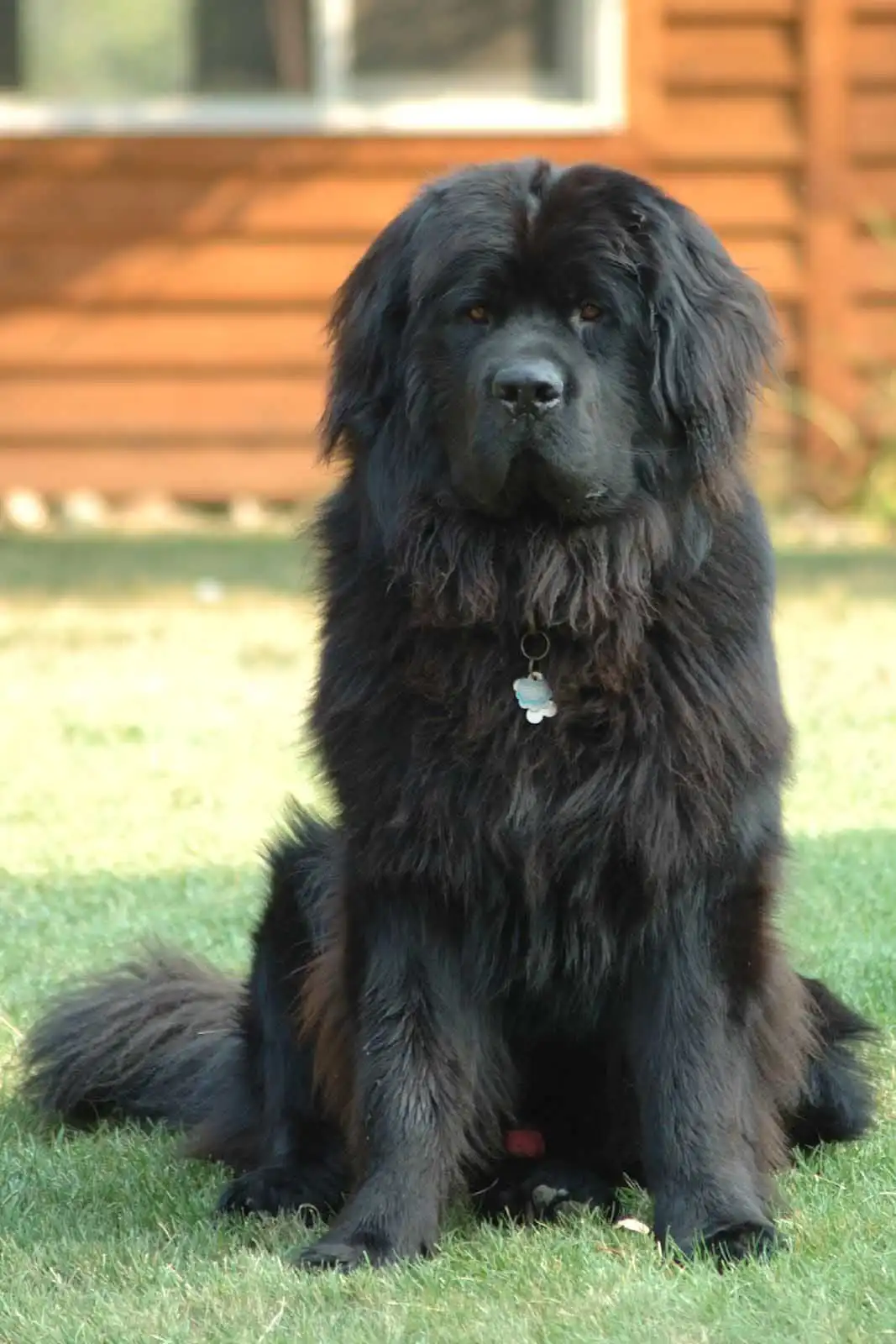
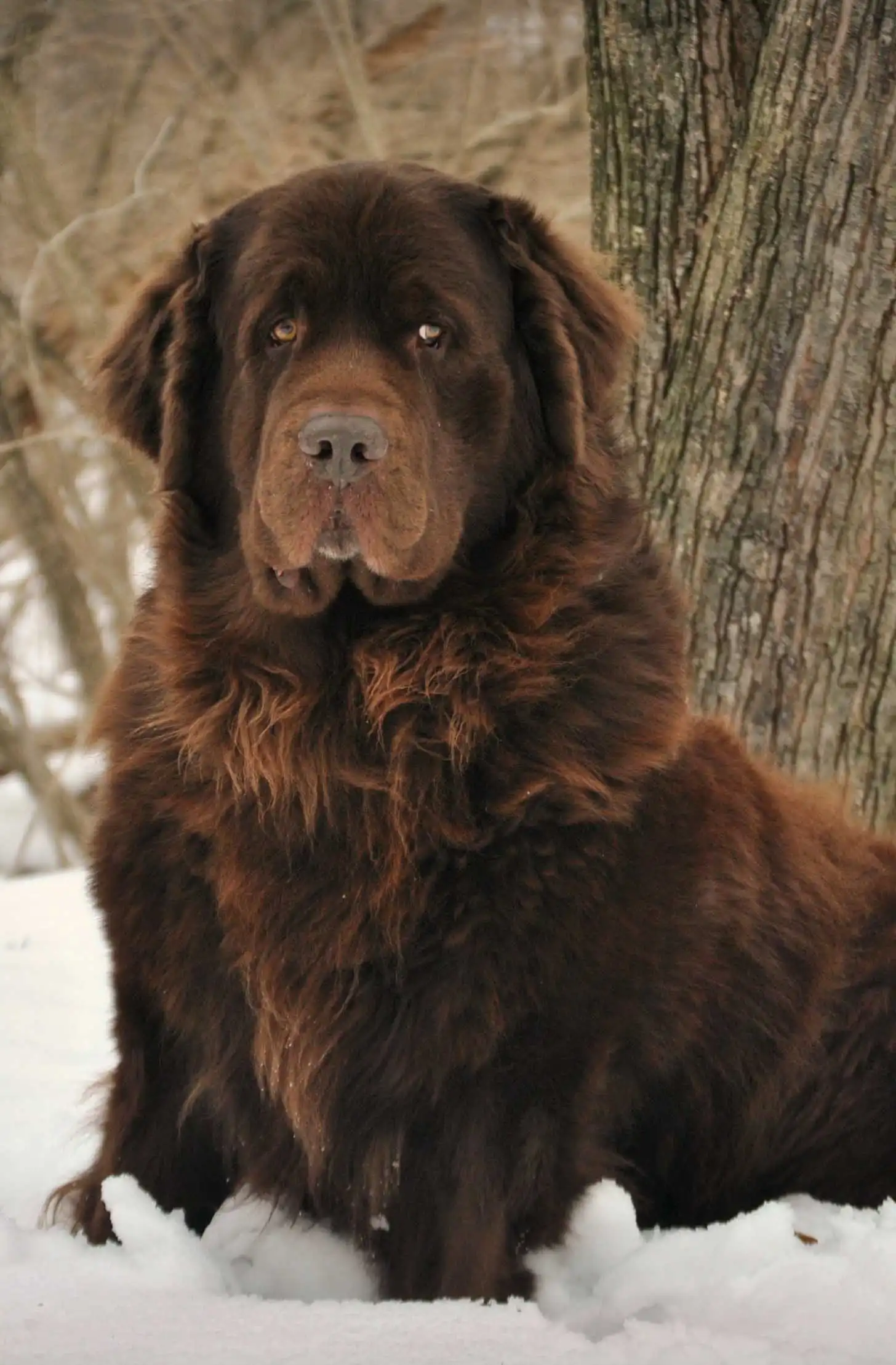
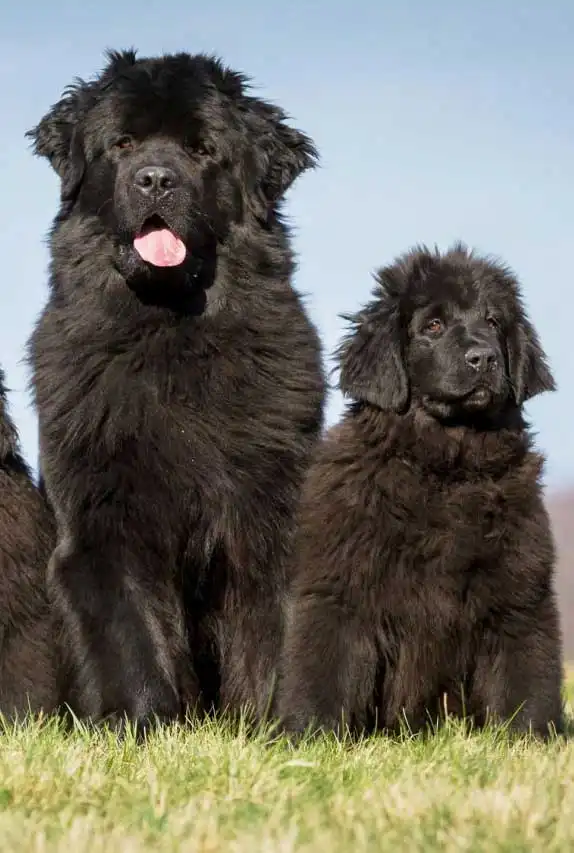
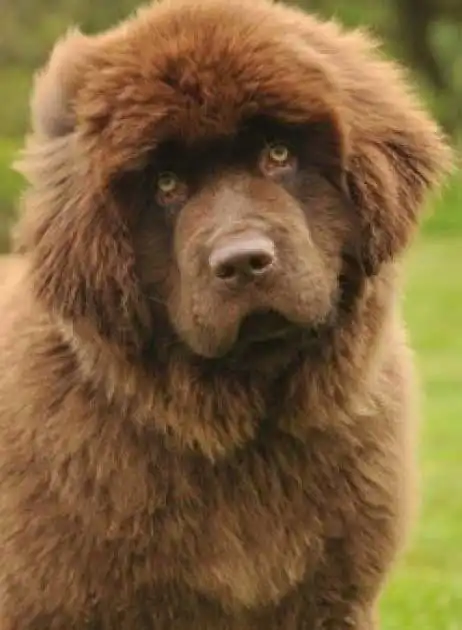
The Newfoundland is a large breed known for its broad, heavy head with a gently arched crown, supported by a sturdy neck and back. These dogs have a short, wide muzzle, typically featuring a black nose, although bronze-colored individuals usually have brown noses. Their teeth meet in a level bite. The eyes are small, deep-set, and dark brown, while the ears are of moderate size, triangular with rounded tips, and hang close to the cheeks. Newfoundlands have strong, straight, and parallel legs, equipped with webbed feet that enhance their swimming prowess. Their tail is thick at the base and hangs down. The outer coat is oily, coarse, and somewhat long, displaying either straight or wavy textures.
Care Routine
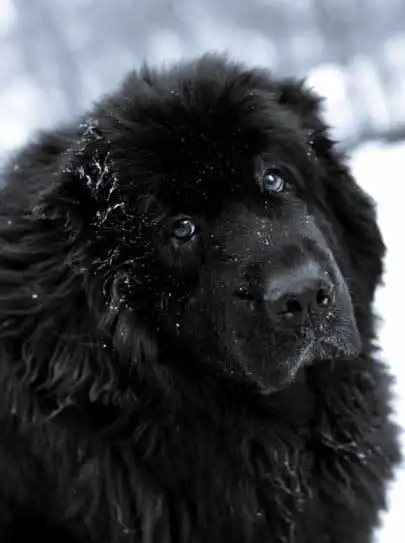
To avoid matting, it’s important to brush a Newfoundland about twice a week with a sturdy brush. This breed is notorious for being one of the most prolific shedders, with shedding peaking in the spring. To maintain the natural oils in their coat, it’s recommended to use dry shampoo, and baths should be reserved for when absolutely necessary. Newfoundlands are also known for being messy drinkers and tend to drool frequently. While they love to relax, they still need regular exercise, particularly through swimming. They do not handle hot weather well and prefer cooler climates. On warm days, ensuring they have access to fresh, cool water and plenty of shade is essential. As a large breed, Newfoundlands thrive in a securely fenced yard and require sufficient indoor space to move around comfortably.
Behavior & Temperament
The Newfoundland breed is celebrated for its sweet, calm, and gentle nature. Known for their intelligence, these dogs also express emotions akin to those of humans. Newfoundlands are deeply loyal to their families and make excellent watchdogs, often exhibiting a healthy wariness of strangers, which helps them sense any ill intentions. They have a special affinity for children, showing remarkable patience during their interactions. While they generally get along well with other pets, male Newfoundlands may display aggression towards other males. Indoors, they tend to be quite laid-back, but they truly flourish in outdoor activities such as swimming and pulling. Training a Newfoundland can be somewhat challenging; it demands a composed and balanced approach. A trainer should be calm yet assertive, confident, and consistent to achieve optimal results.
Play & Exercise
Things to Know
Cups Per Day
4.0 Cups
Daily Activity
60 Minutes
Average Lifespan
9 Years
Origin
1700s
Type
Pure Breeds
Size
Giant
Origin Country
Canada
Brush Frequency
Weekly
Coat Texture
Wavy
Register
Your kids have been begging for a pet forever, and you've recently decided that it's time for your family to get a new addition -- a dog! While everyone is excited for the new arrival, you're wondering if you need to have a dog license. How much does it cost? Is it required? Where do you get one?
Member Clubs

PETINNATE
Guardian Dog

AKC
Working Group

UKC
Guardian Dog
Height & Weight
Weight
125 lbs (57 kg)Male: 140 lbs (64 kg) , Female: 110 lbs (50 kg)
Height
27 inches (69 sm)Male: 28 inches (71 sm) , Female: 26 inches (66 sm)
6 Months
75 lbs ( m 75 lbs, f 75 lbs )
22 inches ( m 22 inches, f 22 inches )
12 Months
95 lbs ( m 95 lbs, f 95 lbs )
25 inches ( m 25 inches, f 25 inches )
18 Months
110 lbs ( m 110 lbs, f 110 lbs )
26 inches ( m 26 inches, f 26 inches )
Eye Colors
Brown
Nose Colors
Black
Coat Colors
Black
Gray
Brown
Cream
Pied
Brindle
Characteristics
Mixes
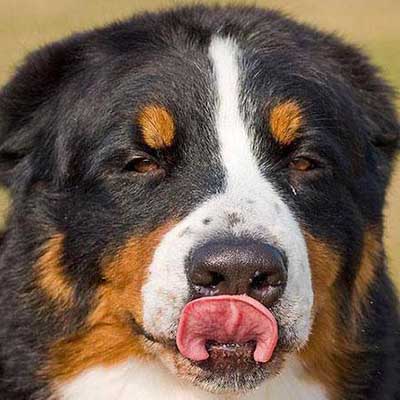
Bernefie
The Bernefie is a hybrid dog breed resulting from the crossbreeding of the Bernese Mountain Dog and the Newfoundland. Both of these sizable breeds are recognized for their thick fur, which allows them to adapt well to cold and temperate environments. Historically, each breed was developed for specific working purposes, such as draft work, herding, and various farm activities. They are characterized by shared qualities, including gentleness, loyalty, affection, and intelligence. To care for their long, dense coats, regular daily brushing is essential to reduce shedding, prevent matting, and maintain cleanliness. The Bernese Mountain Dog originates from Switzerland's agricultural areas, while the Newfoundland comes from the island of the same name.
Read more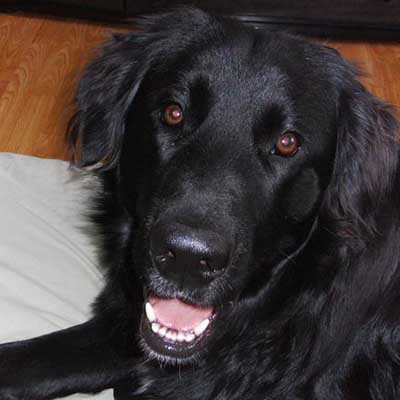
Golden Newfie
The Golden Newfie is a large breed that can be categorized as either large or giant, depending on the genetic characteristics inherited from its parent breeds. Renowned for their serene temperament, patience, and gentle disposition, Golden Newfies are wonderful family pets, offering both protection and affection. These amiable and sociable dogs generally coexist well with other animals, including cats, particularly if they are socialized early on. Although they have a tendency to drool, they also love to swim as a means of cooling down. Training should be conducted with a calm and consistent approach, as these dogs are sensitive to vocal cues and can easily pick up on any signs of frustration. Playful, loyal, and dependable, the Golden Newfie is a confident breed that adapts effortlessly to family life.
Read more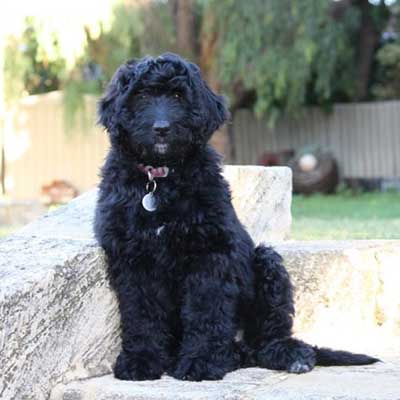
Newfypoo
The Newfypoo, a beloved hybrid breed, combines the adaptable Poodle, which was originally developed in Germany for retrieving tasks, with the loving Newfoundland, commonly known as the “Newfie.” While this crossbreed is officially designated as the Newfypoo, it is also referred to by several other names, including Poofoundland, Newfydoodle, and Newdle. These dogs are renowned for their intelligence and friendly nature. However, because of their size and high energy, Newfypoos generally flourish in larger living spaces rather than in compact environments like apartments, making them better suited for homes with plenty of yard space for them to play and explore.
Read more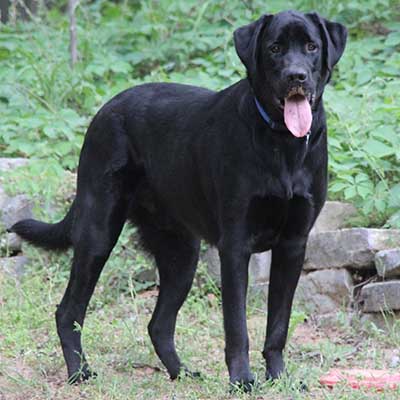
New Labralound
The New Labralound is a hybrid breed resulting from the combination of the Labrador Retriever and the Newfoundland. Both of these parent breeds are large, usually weighing around 100 pounds. Typically, these dogs reach a height of about 26 inches and possess a medium to long coat that is often dense, with textures that can be wavy or straight. Renowned for their friendly disposition, New Labralounds are wonderful family companions, displaying deep affection for children of all ages. They are also known for their patience and gentleness with other animals, including cats and small pets like rabbits, although they may have a natural instinct to retrieve them in certain situations.
Read more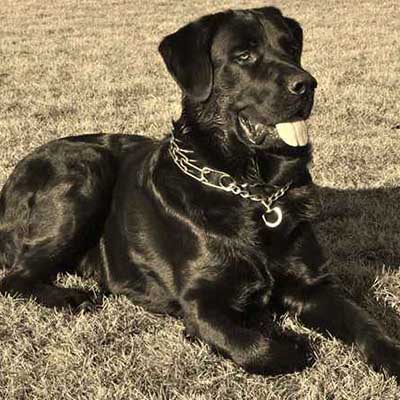
New Rottland
The New Rottland is an extraordinary hybrid breed that merges the traits of the Newfoundland and the Rottweiler. Both parent breeds are known for their large size and gentle demeanor, making them excellent family companions while also serving as dependable guard dogs due to their impressive stature and steadfast loyalty. Typically, these dogs weigh approximately 130 pounds and stand between 28 to 30 inches tall. The New Rottland boasts a dense, medium-length coat that often displays a mix of black, brown, fawn, and cream, reflecting the unique coloration of the Rottweiler combined with the Newfoundland's fur. Renowned for their intelligence and playful disposition, these dogs thrive on interaction with children and other pets, relishing activities such as fetching balls and sticks.
Read more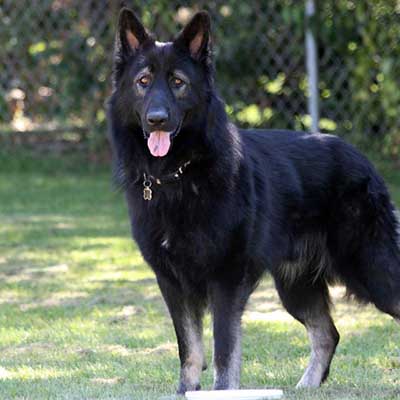
New Shep
The New Shep is a thoughtfully designed hybrid that merges the reliable German Shepherd, celebrated for its contributions to law enforcement and military service, with the affectionate Newfoundland, a breed famous for its love of water. This combination typically produces a dog that is both confident and intelligent, known for its friendly demeanor and tolerance, particularly around children and smaller animals. However, poor breeding practices can result in behavioral issues such as aggression or anxiety, as well as various health concerns. While the New Shep is recognized by both the Designer Breed Registry and the International Designer Canine Registry, it has yet to achieve widespread popularity. As a result, finding a reputable breeder may take some time, but it is essential to ensure that the dog is free from any inherited behavioral or genetic problems related to aggression or nervousness.
Read more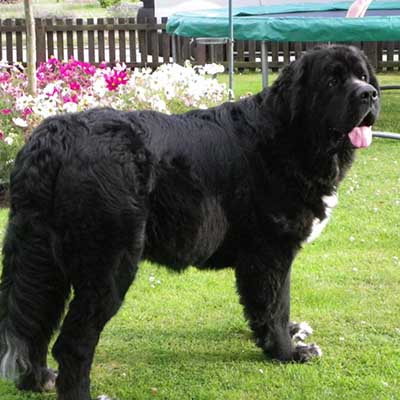
Saint Bernewfie
Saint Bernewfies are large, loving dogs celebrated for their gentle disposition. This designer breed results from crossing a purebred Saint Bernard with a purebred Newfoundland. Weighing up to 180 pounds and reaching heights of 33 inches, they might seem imposing, but their sweet temperament makes them wonderful companions for children. Although they are protective of their families, they are characterized by their gentle giant nature and are not aggressive. These dogs thrive on human interaction and do not do well when left alone in a yard for long periods. They can be somewhat stubborn, so early socialization and training are essential. Prospective owners should be ready for some drooling and shedding, as these are common traits. Their coats can vary in color, including black, brown, red, and white, and may be either coarse and rough or smooth, often featuring water-repellent qualities.
Read more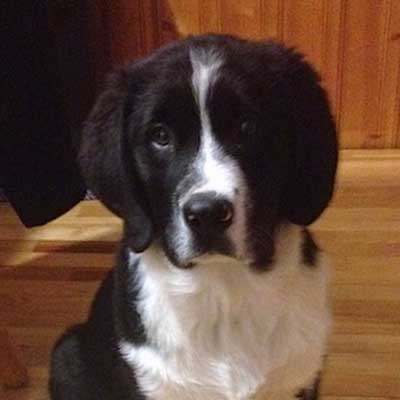
Swiss Newfie
The Swiss Newfie is a large hybrid breed created by intentionally crossing the Greater Swiss Mountain Dog, the oldest and largest of the Sennenhund breeds from the Swiss Alps, with the Newfoundland, a notably large and gentle breed that excels in water. Although they are quite sizable, Swiss Newfies typically require only moderate exercise, averaging about an hour of physical activity each day. Some may need more grooming, particularly those that inherit the Newfoundland's thick, fluffy coat. While these dogs can be quite playful during their lengthy adolescence, they are generally dependable and affectionate companions, showing a strong sensitivity to their family's emotions.
Read more