Golden Newfie
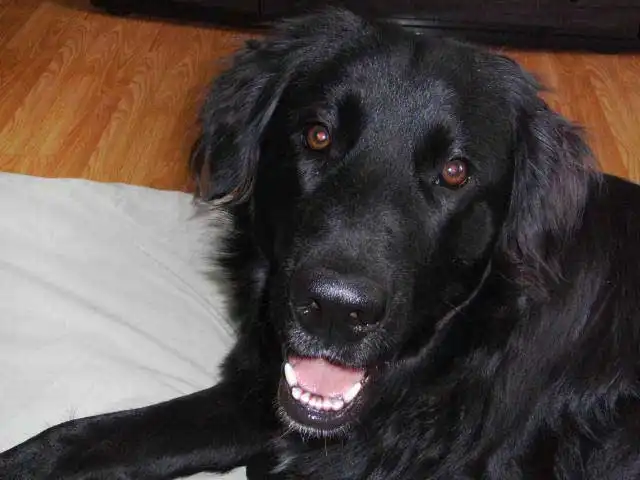
The Golden Newfie is a large breed that can be categorized as either large or giant, depending on the genetic characteristics inherited from its parent breeds. Renowned for their serene temperament, patience, and gentle disposition, Golden Newfies are wonderful family pets, offering both protection and affection. These amiable and sociable dogs generally coexist well with other animals, including cats, particularly if they are socialized early on. Although they have a tendency to drool, they also love to swim as a means of cooling down. Training should be conducted with a calm and consistent approach, as these dogs are sensitive to vocal cues and can easily pick up on any signs of frustration. Playful, loyal, and dependable, the Golden Newfie is a confident breed that adapts effortlessly to family life.
Breed Origin
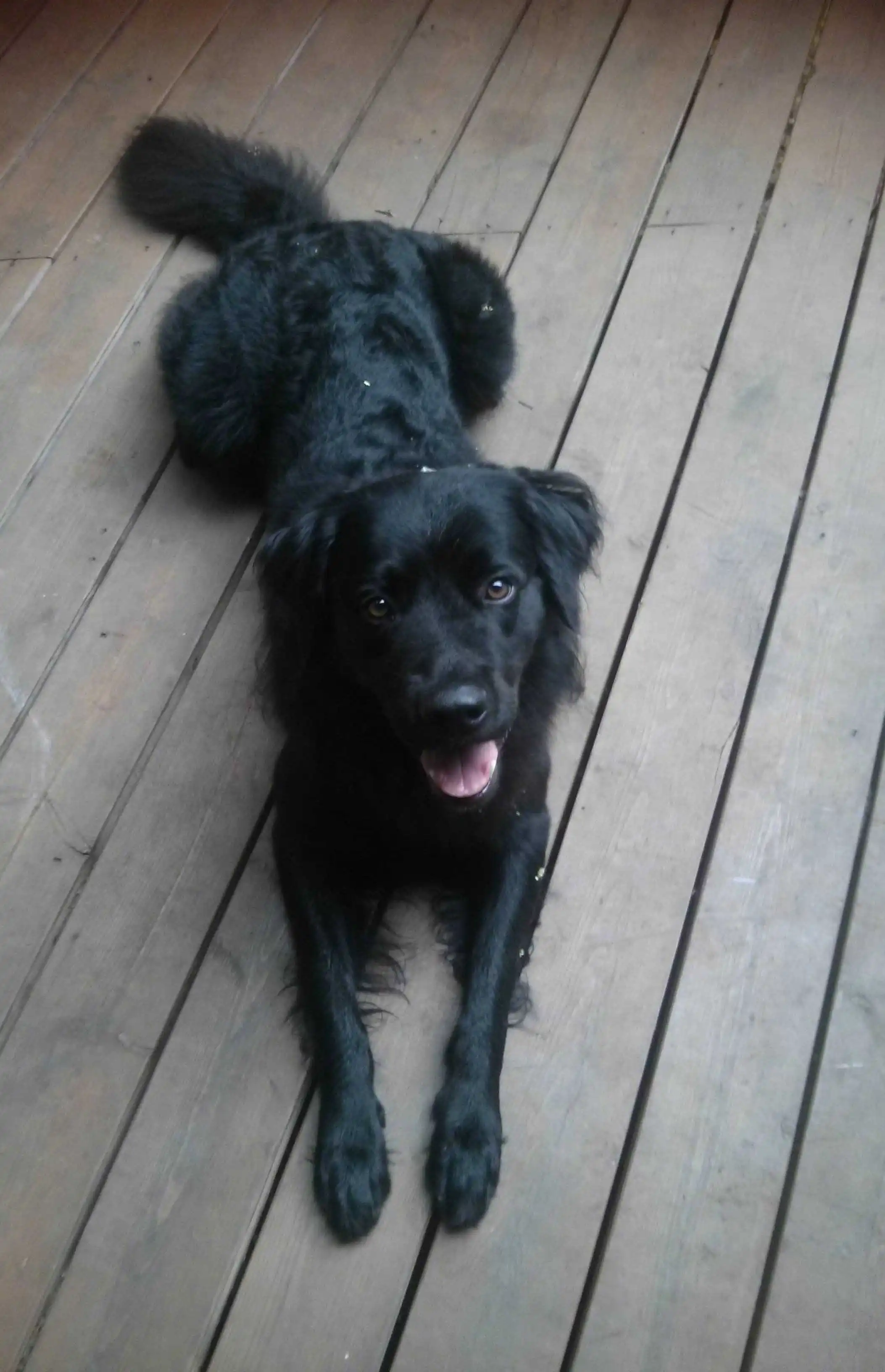
To grasp the history of the Golden Newfie, it is essential to explore the characteristics inherited from its parent breeds. The origins of the Newfoundland dog are somewhat unclear; it is thought to be a descendant of the Viking "bear dogs" or possibly the nomadic canines of Indigenous peoples. Some specialists contend that it shares a close lineage with the Labrador Retriever, while others propose that it originated from a blend of Tibetan Mastiffs brought to Canada by British or European fishermen and local dogs in the early 1700s. This diverse heritage has shaped the Newfoundland's reputation as an exceptional working dog, renowned for its skills in hauling fishing nets, bringing boat lines to shore, and rescuing individuals who have fallen overboard or survived shipwrecks. Its bravery was notably acknowledged in 1919 when a Newfoundland received a gold medal for saving twenty shipwrecked people by pulling their lifeboat to safety. During World War II, these valiant dogs transported supplies and ammunition for the military, often facing severe blizzard conditions. While their courage is well-documented, it is their unwavering loyalty that has won the hearts of many. In contrast, the Golden Retriever has its origins in the Scottish Highlands of the 1800s. Lord Tweedmouth is recognized for developing this breed by crossing the original yellow Flat-Coated Retriever with the now-extinct Tweed Water Spaniel. Throughout this breeding endeavor, he also included Bloodhounds and Irish Setters to enhance the Golden Retriever's traits. These dogs were particularly adept at retrieving waterfowl during hunting trips and quickly became beloved companions. Today, Golden Retrievers not only excel as bird dogs but also serve in roles such as narcotics detection, assistance animals for those with disabilities, and therapy dogs. Their remarkable skills make them outstanding guide dogs for the visually impaired. The American Kennel Club officially recognized the breed in 1925.
Breed Appearance
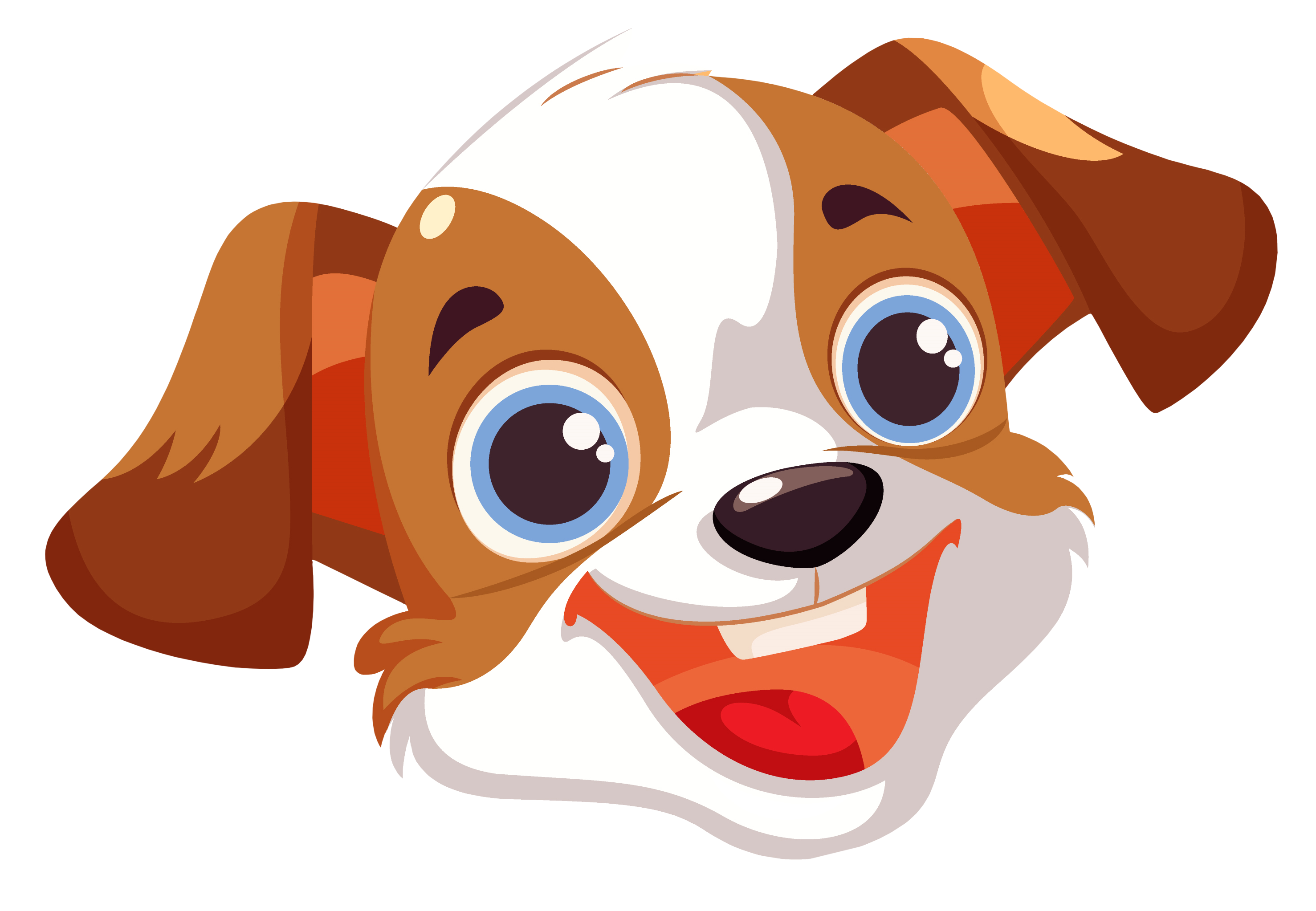
The Golden Newfie typically weighs between 100 and 150 pounds at full maturity, showcasing a truly remarkable presence. This breed is characterized by a wide, substantial head featuring a black nose and soulful brown eyes that often have a slightly droopy appearance, giving them a somewhat wistful expression. Their ears hang down and are often embellished with light feathering. The neck is strong and thick, leading into a deep chest that complements their sturdy, muscular physique. With powerful front limbs and large, webbed paws adorned with tufts of hair between the toes, the Golden Newfie moves with a dignified, prancing gait. Their tail, which can be more effective than a feather duster, tends to sweep across surfaces like coffee tables, a consideration to keep in mind when inviting one of these gentle giants into your home. When you combine all these attributes with their thick, almost fluffy coat, you find yourself with an incredibly affectionate and sizable companion for life.

Care Routine
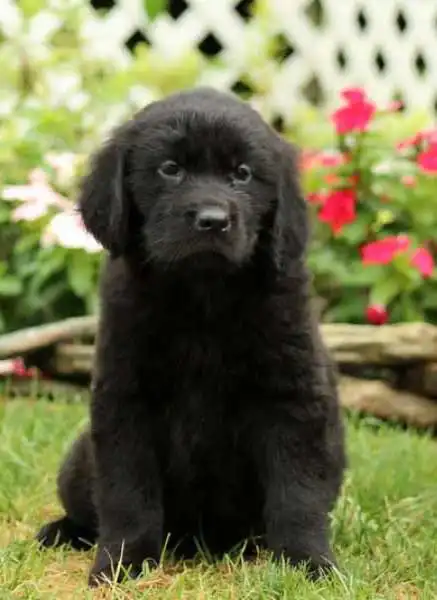
The Golden Newfie demands considerable grooming due to its thick, stunning coat, which is prone to matting and requires consistent brushing. The fur on the hind legs is especially susceptible to tangles, necessitating daily attention, particularly during shedding periods. Although bathing is an important aspect of their care, it doesn't need to be done frequently. In warmer months, these dogs love to cool off by playing in pools, oceans, or rivers, which helps keep them clean. Nonetheless, regular ear inspections and cleaning are crucial to prevent infections, and their teeth should be brushed at least twice a week to maintain dental health. While some Golden Newfies may drool more than others, most owners find that their affectionate and relatively low-maintenance temperament makes it all worthwhile.
Behavior & Temperament
As mentioned earlier, the Golden Newfie is a breed known for its affectionate disposition and gentle demeanor. This dog is eager to please and possesses a natural protective instinct towards its home and family, often emitting a low growl when strangers approach. The deep bark of such a large dog is usually sufficient to deter potential intruders. Although they are not aggressive by nature, they can utilize their size and strength to handle a threat if necessary, and they will bark to alert their owners of any unusual activity. Golden Newfies thrive on long walks, swimming, and playful moments in the pool; at first, they might try to 'rescue' children from the water until they become accustomed to the splashes and sounds. Training a Golden Newfie is typically straightforward, though it may demand patience and understanding to master new commands. They respond best to a gentle and consistent approach from their owners during training. This gentle giant is often described as loving, affectionate, calm, and dependable.


Play & Exercise
Although Golden Newfoundlands are quite large, they are not the type to simply relax all day; they need daily exercise to stay healthy. These dogs can join you for a bike ride, hike on a trail, or swim with you, giving you the flexibility to pick the activity that you enjoy most. They are fantastic companions for walks, whether on the beach or in your local area. While they often draw the attention of onlookers, their main goal is to bring joy to you. Without consistent physical activity, they risk developing health problems and gaining weight.
Things to Know
Cups Per Day
4.0 Cups
Daily Activity
60 Minutes
Average Lifespan
11 Years
Origin
Unknown
Type
Crossbreeds
Size
Giant
Origin Country
United States
Brush Frequency
Daily
Coat Texture
Wavy
Register
Your kids have been begging for a pet forever, and you've recently decided that it's time for your family to get a new addition -- a dog! While everyone is excited for the new arrival, you're wondering if you need to have a dog license. How much does it cost? Is it required? Where do you get one?
Member Clubs

PETINNATE
Other
Height & Weight
Weight
112 lbs (51 kg)Male: 118 lbs (54 kg) , Female: 107 lbs (49 kg)
Height
27 inches (69 sm)Male: 28 inches (71 sm) , Female: 26 inches (66 sm)
Eye Colors
Brown
Nose Colors
Black
Coat Colors
Black
Brown
Red
Gray