Newfypoo
Newdle, Newfydoodle, Newfydoo, Newfoundlandpoo, Newfoundlandoodle, and Poofoundland,
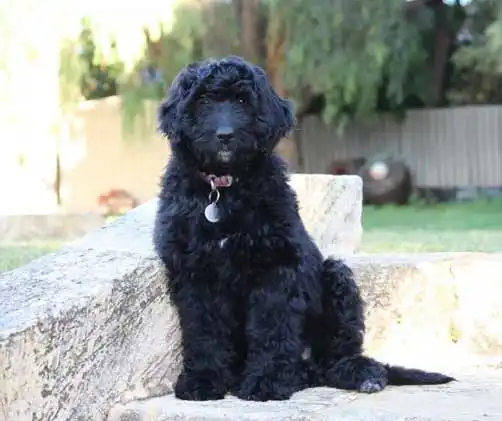
The Newfypoo, a beloved hybrid breed, combines the adaptable Poodle, which was originally developed in Germany for retrieving tasks, with the loving Newfoundland, commonly known as the “Newfie.” While this crossbreed is officially designated as the Newfypoo, it is also referred to by several other names, including Poofoundland, Newfydoodle, and Newdle. These dogs are renowned for their intelligence and friendly nature. However, because of their size and high energy, Newfypoos generally flourish in larger living spaces rather than in compact environments like apartments, making them better suited for homes with plenty of yard space for them to play and explore.
Breed Origin
The Newfypoo is a designer dog breed that results from the intentional crossbreeding of the Newfoundland, a gentle giant renowned for its affinity for water, and the highly intelligent and adaptable Poodle. Often called the French Poodle, this breed has origins in Germany, where it was initially known as Pudlehund, a name derived from German terms meaning "splash" and "dog." Originally bred to aid hunters in finding and retrieving ducks and other waterfowl, Poodles retain this ability, although not all of them are fond of water. As Poodles became more widespread across Europe, they earned a reputation for their exceptional trainability and quick learning, often taking on roles as circus performers and companions to street entertainers. Over the years, their functions expanded to include service dogs for people with disabilities, emotional support animals, and even partners for law enforcement and military operations. The Newfoundland breed was initially developed to support fishermen along the frigid shores of Canada’s eastern coastline. Historically known as the greater St. John’s dog, these canines assisted by retrieving ropes and hauling fishing nets. They were also recognized for their courage in rescuing survivors from shipwrecks. With their impressive stature and friendly nature, Newfoundlands excelled in various tasks, such as pulling carts filled with supplies, operating bellows for blacksmiths, and serving as protectors. Despite being a relatively new hybrid, the Newfypoo is quickly gaining popularity.
Breed Appearance
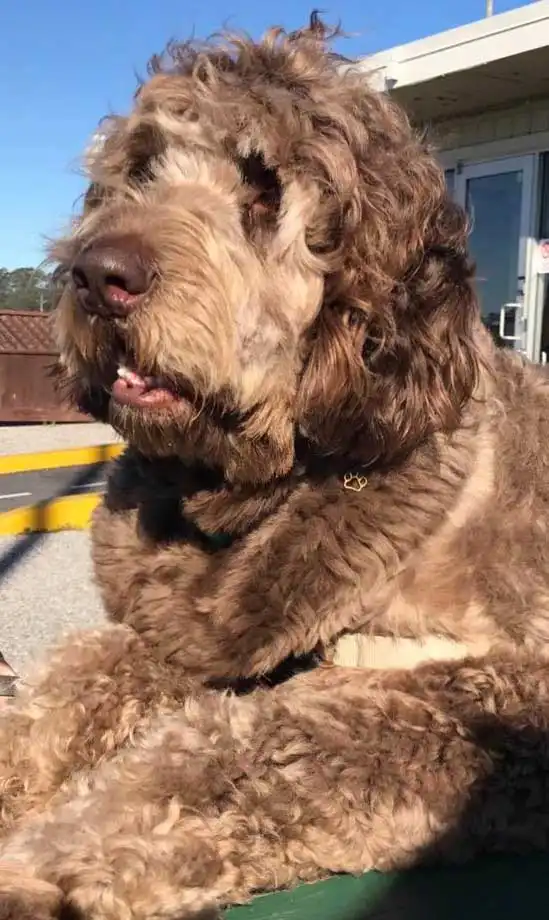
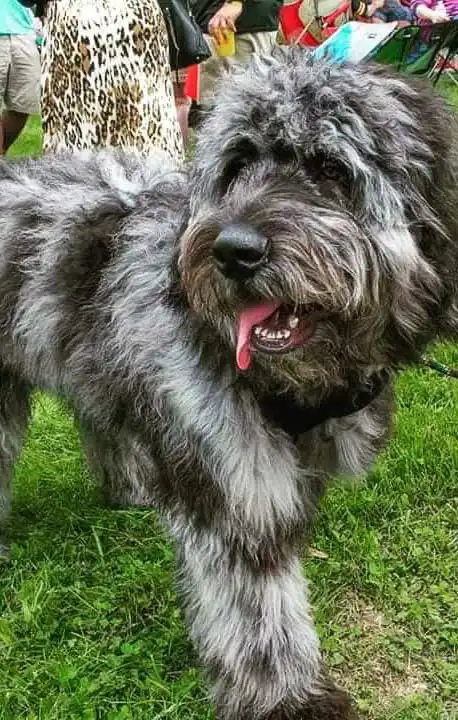
This hybrid breed presents a well-proportioned dog with a somewhat square build, generally categorized as very large, and in some cases, it may even be classified as giant. While some Newfypoos may inherit the slender, streamlined head and tapered muzzle typical of the Poodle, or the robust head and deep muzzle of the Newfoundland, most will display heads that are relatively wide—though not excessively blocky—featuring a long, straight muzzle that is broad but not as deep as that of the Newfoundland. Their eyes, which can range from small to medium, are typically oval and vary in color from dark brown to amber, with darker shades being more common. Occasionally, Poodles are born with blue or gray eyes; while most of these will darken as they mature, a few may keep their lighter coloration, which can, on rare occasions, be passed down to the Newfypoo. The ears of these dogs may either take on the rounded, triangular shape of the Newfoundland, folding forward from high on the skull, or the longer, drooping ears that hang lower on the head like those of the Poodle. Although some Newfypoos might inherit the hypoallergenic qualities of the Poodle, this is not assured, and their potential to produce allergens may only become apparent once they reach adulthood. Nonetheless, they usually have a thick, curly coat that can be either single or double-layered.
Care Routine
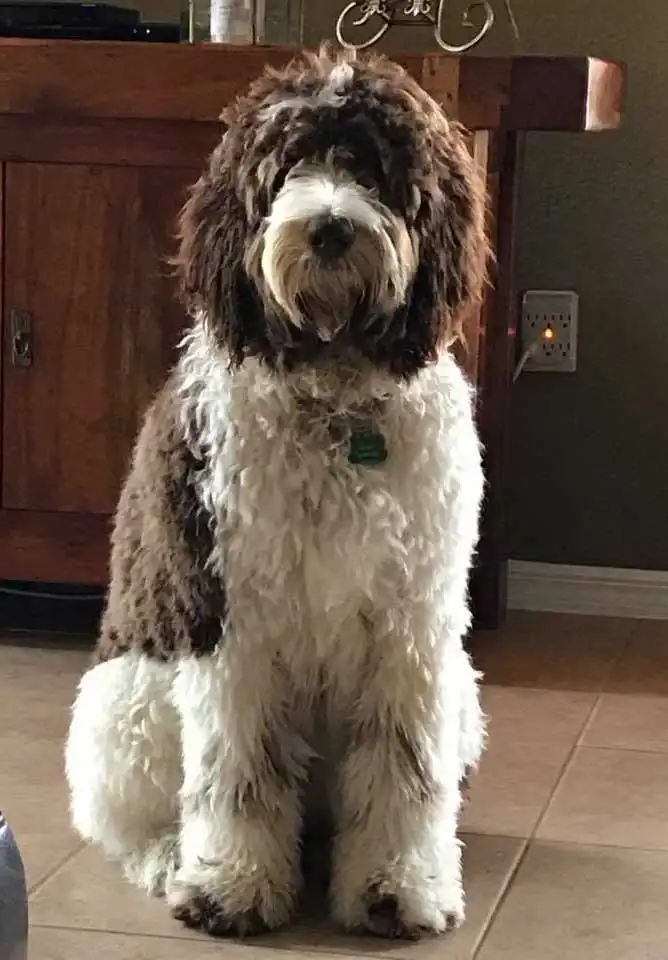
This crossbreed typically requires infrequent bathing, with a wash every two to three months being adequate for keeping them clean and odor-free. However, the Newfoundland's coat is prone to collecting dirt and debris, while the Poodle's fur needs regular trimming due to its ongoing growth. Consequently, daily brushing and combing are vital to prevent matting and to remove loose hair and dirt. It's also important to regularly check the Newfypoo's folded or hanging ears to ensure they stay clean, dry, and free from infections. Additionally, these dogs are at risk for a condition known as bloat, making their feeding habits critical for their well-being. It is recommended to provide several smaller meals throughout the day rather than one or two larger ones, as this can help minimize the risk of this serious issue. Utilizing specialized food bowls that promote slower eating can further support healthy digestion.
Behavior & Temperament
This combination of breeds typically produces a friendly and playful dog that is both loving and protective. They tend to interact well with individuals of all ages, genders, and even other pets. However, there may be occasions where they exhibit dominant behavior or aggression towards other dogs, particularly if they haven't been adequately socialized. While these dogs are generally gentle and protective around children, it is essential to supervise all interactions to ensure the safety of both the child and the pet. Although they might enjoy being climbed on like a jungle gym, excessive weight on their bones and joints can result in serious injuries, and sudden movements from the dog could unintentionally harm a child. Like their parent breeds, the Poodle and Newfoundland, Newfypoos are intelligent and need mental engagement alongside physical exercise for their overall well-being. They may also inherit a strong need for companionship from both parent breeds, which can lead to anxiety, excessive barking, and destructive behavior if they are left alone for long periods.


Play & Exercise
The Newfypoo is a lively breed, though its energy levels are moderate, typically needing around an hour of vigorous exercise daily to stay healthy and fit. It's important to remember that large and giant breeds have unique exercise requirements, particularly during their growth stages, as too much jumping or roughhousing can negatively impact their developing bones and joints. While they certainly appreciate walks and runs, these dogs can also excel in alternative activities such as tracking or truffle hunting. Moreover, they often possess a natural love for water sports, which offer great cardiovascular benefits and help strengthen muscles without placing excessive strain on their joints.
Things to Know
Cups Per Day
3.0 Cups
Daily Activity
60 Minutes
Average Lifespan
11 Years
Origin
Unknown
Type
Crossbreeds
Size
Large
Origin Country
United States
Brush Frequency
Daily
Coat Texture
Curly
Ancestors
Newfoundland
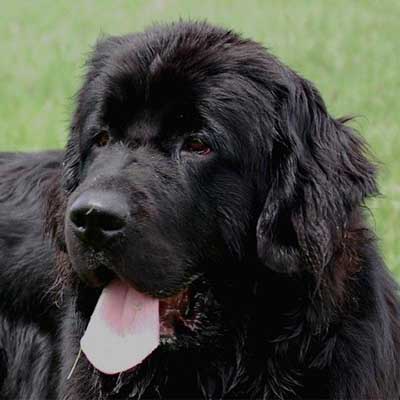
The Newfoundland is a breed that originates from North America, specifically Newfoundland Island in Canada. While the exact beginnings of this breed are not entirely clear, it is thought that European fishermen introduced its ancestors to the island. Some theories propose that the Newfoundland may have descended from the white Great Pyrenees, while others suggest a connection to a French hound. Originally developed as a multi-purpose water dog and fishing aide, the Newfoundland has since become crucial in water rescue efforts. This sizable breed generally weighs between 130 and 150 pounds, with males reaching about 28 inches in height and having a body that is slightly longer than it is tall. With their sturdy build and strong bones, Newfoundlands have the power needed to rescue individuals from drowning, even in rough waters. Their webbed feet and water-resistant fur aid in swimming, while their strong, effortless gait enhances their ability to pull effectively.
Read more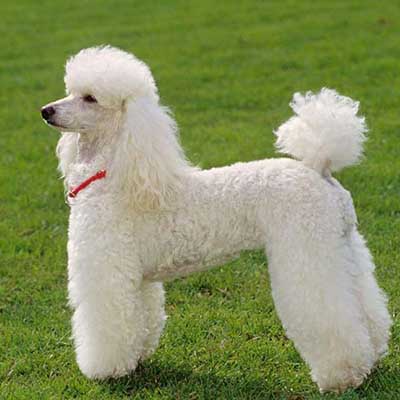
Poodle
Poodles, one of the most ancient dog breeds, are celebrated for their remarkable intelligence and ease of training, which makes them a popular choice among dog enthusiasts. They generally interact well with children and other pets, especially if they are socialized early on. Currently, Poodles are available in several sizes, including Toy, Miniature, and Standard. Each Poodle boasts a dense, curly coat that can range in texture from coarse to wiry and comes in nearly every color imaginable. Although they have charming personalities, they do require significant grooming and are susceptible to various serious health concerns. However, their loving and loyal disposition makes the extra care and attention well worth it!
Read moreRegister
Your kids have been begging for a pet forever, and you've recently decided that it's time for your family to get a new addition -- a dog! While everyone is excited for the new arrival, you're wondering if you need to have a dog license. How much does it cost? Is it required? Where do you get one?
Member Clubs
PETINNATE
Other
Height & Weight
Weight
98 lbs (44 kg)Male: 103 lbs (47 kg) , Female: 93 lbs (42 kg)
Height
23 inches (58 sm)Male: 24 inches (61 sm) , Female: 23 inches (58 sm)
6 Months
65 lbs ( m 65 lbs, f 65 lbs )
20 inches ( m 20 inches, f 20 inches )
12 Months
83 lbs ( m 83 lbs, f 83 lbs )
21 inches ( m 21 inches, f 21 inches )
18 Months
92 lbs ( m 92 lbs, f 92 lbs )
22 inches ( m 22 inches, f 22 inches )
Eye Colors
Brown
Amber
Nose Colors
Black
Brown
Coat Colors
Black
White
Pied
Brown
Blue
Cream
Gray
Red
Silver