Swiss Newfie
The Swiss Newfie is a large hybrid breed created by intentionally crossing the Greater Swiss Mountain Dog, the oldest and largest of the Sennenhund breeds from the Swiss Alps, with the Newfoundland, a notably large and gentle breed that excels in water. Although they are quite sizable, Swiss Newfies typically require only moderate exercise, averaging about an hour of physical activity each day. Some may need more grooming, particularly those that inherit the Newfoundland's thick, fluffy coat. While these dogs can be quite playful during their lengthy adolescence, they are generally dependable and affectionate companions, showing a strong sensitivity to their family's emotions.
Breed Origin
The Swiss Newfie is a meticulously designed hybrid dog, born from the deliberate crossbreeding of two remarkably large and gentle breeds: the Greater Swiss Mountain Dog and the Newfoundland. The Greater Swiss Mountain Dog, renowned for its role as a guardian of sheep, also excels in tasks such as drafting and carting. This breed stands as the oldest and largest among those hailing from the Swiss Alps. Known as Sennenhunds, these dogs are descendants of canines that accompanied ancient conquerors, including the Romans and Phoenicians, through Switzerland. Over the years, they have diversified into four distinct breeds—Appenzeller, Entlebucher, Bernese, and the Greater Swiss—each characterized by a similar black and tan coat, often featuring a white face, chest, and feet. The Greater Swiss Mountain Dog became favored by local butchers for its ability to safely transport carts laden with fresh produce and milk. In contrast, Newfoundland dogs were developed in the coastal areas of northern Canada, particularly in the fishing village of St. John's, where they were initially referred to as Greater St. John’s dogs. While various theories propose that Newfoundland dogs are descendants of the Tibetan Mastiff, there is no historical evidence supporting the presence of Tibetan Mastiffs in the region, nor any known native breeds. Regardless of their lineage, Newfoundland dogs evolved into large, sturdy animals ideally suited to assist fishermen in the harsh, icy conditions of Newfoundland, and by the late 1700s, they had become a familiar sight along those shores.
Breed Appearance
The Swiss Newfie is a sturdy and well-proportioned dog, with a body that is somewhat longer than it is tall. While some adult females may weigh just under 100 pounds, it is uncommon for males to weigh less than this. Both parent breeds possess broad, flat skulls and large, blunt muzzles that are in harmony with their head size. The Swiss Newfie inherits these characteristics, although the Newfoundland typically has a slightly wider head and more droopy lips than the Swiss Mountain Dog. Their dark brown eyes are usually almond-shaped, conveying a gentle and kind expression, while their triangular ears are set close to the skull and rest nearly flat against the sides of their head. Swiss Newfies that resemble the Greater Swiss Mountain Dog may appear somewhat leaner than those that take after the Newfoundland, but the differences are generally slight.


Care Routine
The grooming requirements for this hybrid breed are primarily influenced by the specific coat type inherited from its parent breeds. Regardless of the coat, regular baths are recommended, typically every month or two. However, those with the Newfoundland's longer, fluffy fur will require much more frequent brushing than those sporting the shorter, sleeker coat of the Greater Swiss Mountain Dog. Daily brushing is crucial for the Newfoundland coat to avoid matting and tangling, as well as to eliminate dirt and debris that can accumulate in their thick fur. On the other hand, the moderate shedding of the Greater Swiss coat can usually be managed with just two or three short brushing sessions each week.
Behavior & Temperament
The Swiss Newfie is a hybrid breed that combines two dog types celebrated for their friendly and laid-back demeanor. As a large breed, they flourish in the company of others and need plenty of social interaction. Typically, they are very accepting of children; however, their high energy levels can sometimes result in overly exuberant behavior around young kids, making close supervision necessary. These dogs are affectionate and devoted to their families, but to ensure they remain confident and well-mannered with strangers, proper socialization is crucial. When adequately trained and socialized, Swiss Newfies can thrive as therapy or emotional support animals, thanks to their keen sensitivity to the emotions of those around them. Moreover, it’s advantageous for them to engage with other dogs, as both parent breeds may display caution towards unfamiliar canines, and some males might exhibit aggression towards other males if not properly trained. While the Newfoundland may contribute a touch of stubbornness and the Greater Swiss Mountain Dog may prolong their developmental stage, this mix is generally manageable in terms of training. Initiating training early is vital for developing a well-behaved and balanced adult dog.


Play & Exercise
While this breed doesn't need intense exercise, it's important for them to stretch their long legs multiple times each day. Adding strength training activities, like using specially designed weighted backpacks or drafting carts, can aid in preserving their muscle tone and overall strength. Due to their Newfoundland heritage, Swiss Newfies typically have a strong affinity for swimming and water-related activities. These exercises are particularly beneficial for larger dogs that may be susceptible to hip and elbow dysplasia, as they provide low-impact workouts that support joint and muscle health. Consequently, having a securely fenced yard is vital for creating an optimal living space for a Swiss Newfie.
Things to Know
Cups Per Day
3.5 Cups
Daily Activity
60 Minutes
Average Lifespan
10 Years
Origin
Unknown
Type
Crossbreeds
Size
Giant
Origin Country
Unknown
Brush Frequency
Weekly
Coat Texture
Straight
Ancestors

Greater Swiss Mountain Dog
The Greater Swiss Mountain Dog, commonly known as the Swissy, is a gentle and affectionate breed that delights in making its owners happy. Although they are intelligent and can sometimes be a bit headstrong, their steadfast loyalty more than makes up for these tendencies. Generally, they are calm around children, other animals, and friendly guests, but they also make excellent watchdogs thanks to their sharp awareness. Originating from Switzerland, this breed has a rich history that dates back nearly 2,000 years, making it one of the oldest dog breeds in the country. Originally developed for herding, guarding, and draft work, the Greater Swiss Mountain Dog has transformed into a versatile companion, thriving in various activities such as competitive obedience, carting, tracking, and protection.
Read more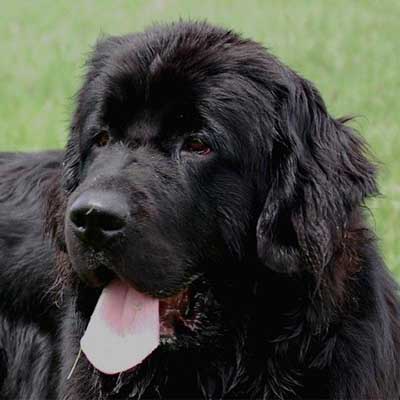
Newfoundland
The Newfoundland is a breed that originates from North America, specifically Newfoundland Island in Canada. While the exact beginnings of this breed are not entirely clear, it is thought that European fishermen introduced its ancestors to the island. Some theories propose that the Newfoundland may have descended from the white Great Pyrenees, while others suggest a connection to a French hound. Originally developed as a multi-purpose water dog and fishing aide, the Newfoundland has since become crucial in water rescue efforts. This sizable breed generally weighs between 130 and 150 pounds, with males reaching about 28 inches in height and having a body that is slightly longer than it is tall. With their sturdy build and strong bones, Newfoundlands have the power needed to rescue individuals from drowning, even in rough waters. Their webbed feet and water-resistant fur aid in swimming, while their strong, effortless gait enhances their ability to pull effectively.
Read moreRegister
Your kids have been begging for a pet forever, and you've recently decided that it's time for your family to get a new addition -- a dog! While everyone is excited for the new arrival, you're wondering if you need to have a dog license. How much does it cost? Is it required? Where do you get one?
Member Clubs
PETINNATE
Other
Height & Weight
Weight
118 lbs (54 kg)Male: 133 lbs (60 kg) , Female: 103 lbs (47 kg)
Height
26 inches (66 sm)Male: 27 inches (69 sm) , Female: 25 inches (64 sm)
6 Months
61 lbs ( m 61 lbs, f 61 lbs )
19 inches ( m 19 inches, f 19 inches )
12 Months
87 lbs ( m 87 lbs, f 87 lbs )
22 inches ( m 22 inches, f 22 inches )
18 Months
92 lbs ( m 92 lbs, f 92 lbs )
24 inches ( m 24 inches, f 24 inches )
Eye Colors
Brown
Nose Colors
Black
Coat Colors
Pied
Gray
Brown
Black