New Rottland
Newfweiler
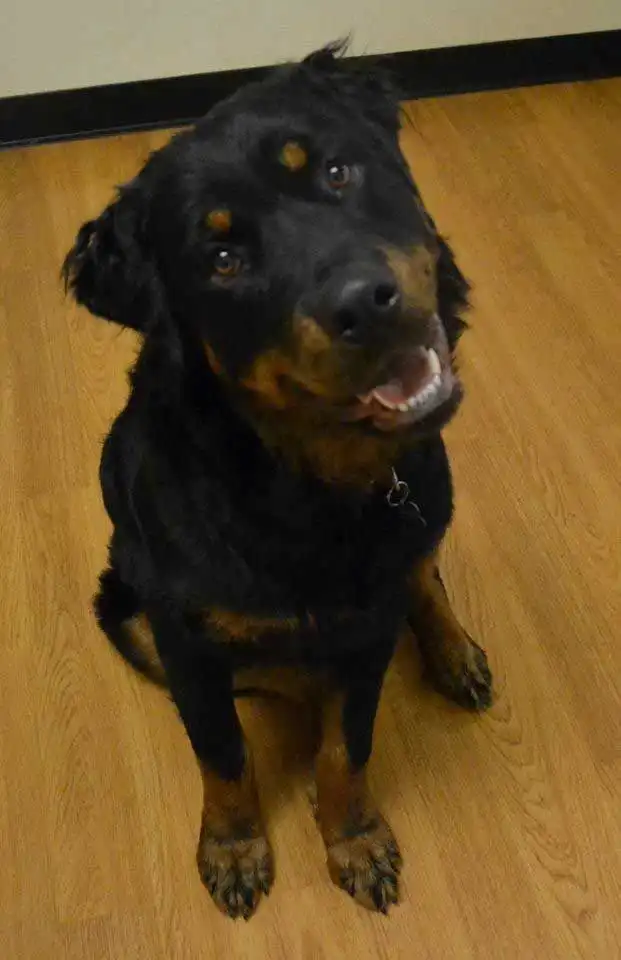
The New Rottland is an extraordinary hybrid breed that merges the traits of the Newfoundland and the Rottweiler. Both parent breeds are known for their large size and gentle demeanor, making them excellent family companions while also serving as dependable guard dogs due to their impressive stature and steadfast loyalty. Typically, these dogs weigh approximately 130 pounds and stand between 28 to 30 inches tall. The New Rottland boasts a dense, medium-length coat that often displays a mix of black, brown, fawn, and cream, reflecting the unique coloration of the Rottweiler combined with the Newfoundland's fur. Renowned for their intelligence and playful disposition, these dogs thrive on interaction with children and other pets, relishing activities such as fetching balls and sticks.
Breed Origin
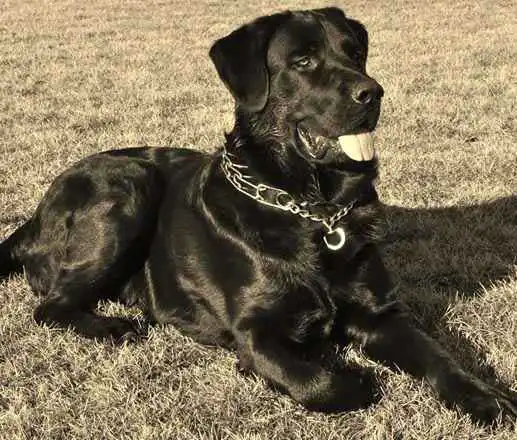
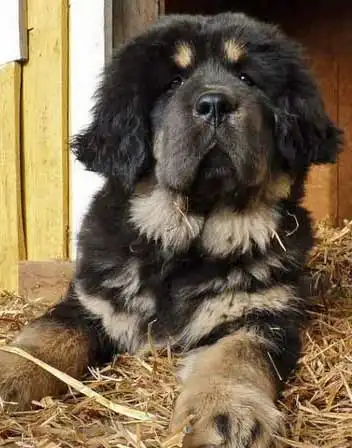
The Rottland breed is a relatively recent addition to the canine world and does not have an extensive history of its own. Therefore, it is important to explore the lineage of its parent breeds. The Newfoundland breed originates from Newfoundland Island in Canada, believed to have descended from the Tibetan Mastiff, along with possible influences from the Great Pyrenees and French Hound. Since the 1700s, Newfoundlands have been valued as water dogs, aiding fishermen in retrieving fish that have escaped from nets. Their dense, water-resistant fur and webbed feet make them outstanding swimmers and dependable partners for fishing activities. While some sources assert that European fishermen brought the breed to Newfoundland, others propose a link to the Labrador, which also has Canadian roots. Notably, Newfoundlands became renowned for their courageous rescues during a shipwreck in 1919. The American Kennel Club recognized them in 1886, and they currently rank as the 35th most popular dog breed in the United States. Conversely, the Rottweiler traces its origins back to 1st century Germany, resulting from a blend of German Shepherds, Mastiffs, and Drover Dogs. Originally, they were utilized for guarding and herding cattle, as well as for pulling carts and wagons. However, by the 19th century, technological advancements nearly led to their extinction as these roles became outdated. Thankfully, passionate Rottweiler enthusiasts formed clubs to ensure the breed's survival. The American Kennel Club officially recognized Rottweilers in 1931, and they now hold the 8th position among the most popular dog breeds in the United States.
Breed Appearance
The New Rottland is characterized by its deep brown, oval eyes and a compact, squared muzzle topped with a black, leathery nose. Its enthusiastic nature indicates a readiness for playful interactions, whether it’s a game of fetch or a gentle pat on the head. This breed is known to drool from time to time, and you might see it wandering around with its tongue hanging out. The coat is thick and dark, beautifully contrasted by the lighter Rottweiler mask and eyebrows. Weighing between 100 and 150 pounds, these large, fluffy dogs can reach heights of up to 30 inches when fully grown.

Care Routine
This breed benefits from consistent grooming, ideally three to four times a week, utilizing a metal comb and a pin brush to keep their coat from tangling or matting. The New Rottland has a dense, soft, medium-length coat that sheds quite a bit, so regular brushing is essential to reduce the amount of hair in your home and on your clothes. It's also important to clean their floppy ears regularly to prevent the buildup of earwax and the risk of infections, while keeping an eye out for any signs of ear mites or redness. Additionally, their toenails should be trimmed monthly or whenever you hear them clicking against the floor as they walk.
Behavior & Temperament
The New Rottland is a gentle giant that, despite its formidable look, is a loving and affectionate companion. This breed flourishes in social settings, relishing playtime with both children and other pets. However, it's important to exercise caution around small children, as their large size can inadvertently cause mishaps. They possess a natural instinct to pursue local wildlife, such as birds, rabbits, squirrels, and even deer. Typically, they are eager to please and easy to train, which makes them obedient pets. However, when their instinct to chase is triggered, they may become so fixated on their target that they ignore commands.


Play & Exercise
The New Rottland needs plenty of exercise to stay healthy and avoid boredom. They flourish in a securely fenced yard where they can run and play freely all day long. Additionally, they love trips to the dog park to interact with other dogs. This breed enjoys a wide range of activities, such as chasing wildlife, playing fetch, participating in flyball, engaging in agility or obedience training, swimming, and hiking—essentially anything that keeps them moving. If they don’t get enough physical activity, you may find your New Rottland resorting to chewing on shoes or causing damage to furniture.
Things to Know
Cups Per Day
4.5 Cups
Daily Activity
90 Minutes
Average Lifespan
9 Years
Origin
2000s
Type
Crossbreeds
Size
Giant
Origin Country
United States
Brush Frequency
Daily
Coat Texture
Straight
Register
Your kids have been begging for a pet forever, and you've recently decided that it's time for your family to get a new addition -- a dog! While everyone is excited for the new arrival, you're wondering if you need to have a dog license. How much does it cost? Is it required? Where do you get one?
Member Clubs

PETINNATE
Other
Height & Weight
Weight
135 lbs (61 kg)Male: 140 lbs (64 kg) , Female: 130 lbs (59 kg)
Height
27 inches (69 sm)Male: 29 inches (74 sm) , Female: 26 inches (66 sm)
6 Months
70 lbs ( m 70 lbs, f 70 lbs )
23 inches ( m 23 inches, f 23 inches )
12 Months
95 lbs ( m 95 lbs, f 95 lbs )
24 inches ( m 24 inches, f 24 inches )
18 Months
130 lbs ( m 130 lbs, f 130 lbs )
25 inches ( m 25 inches, f 25 inches )
Eye Colors
Brown

Nose Colors
Black
Brown
Coat Colors
Black
Brown
Fawn
Sable
Brindle