Glen of Imaal Terrier
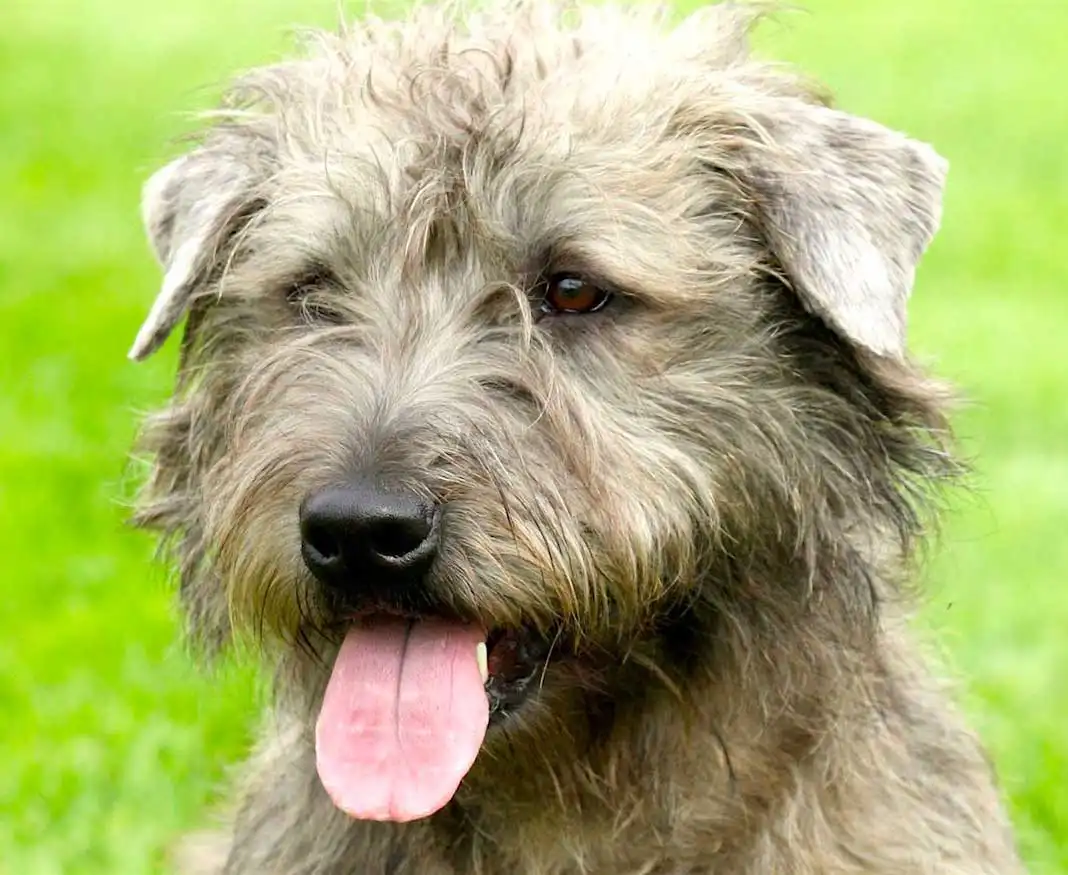
The Glen of Imaal Terrier is frequently seen as a distinctively shaped small dog. With a sturdy physique and short legs, this breed usually reaches about 14 inches in height at the shoulder. Known for its lively personality, the Glen of Imaal Terrier is incredibly loving towards its family. Originally developed for hunting pests like vermin, badgers, and foxes, this breed has a natural tendency to dig and flourishes when given tasks to accomplish. While he makes a reliable watchdog, his bark can be surprisingly powerful for such a small dog. To manage his Terrier instincts and ensure a peaceful home environment, effective training is crucial.
Breed Origin
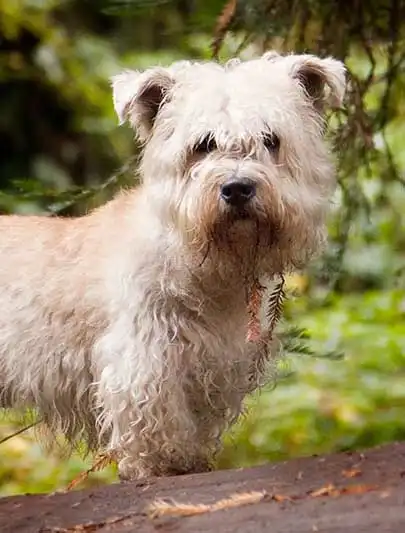
The origins of the Glen of Imaal Terrier can be traced back to the Glen of Imaal region, dating to the late 16th century. Breed enthusiasts claim that around 1570, Queen Elizabeth I recruited Lowland and Flemish soldiers to help address England's issues in Ireland. In exchange for their military service, she awarded these soldiers land in the Wicklow Mountains, now known as the Glen of Imaal. These soldiers brought their dogs with them, which eventually interbred with local Irish breeds, including various terriers and hounds. This crossbreeding led to the development of the Glen of Imaal Terrier, named after the glen itself, specifically bred for hunting foxes, badgers, and other vermin. The Glen of Imaal Terrier Club of Ireland was founded in 1933, and the breed gained official recognition from the Irish Kennel Club in 1934, making it the third Irish terrier breed to achieve this status among four recognized breeds. Although the breed saw a decline during the wars, it experienced a resurgence in the 1970s, resulting in a greater presence of Glen of Imaal Terriers throughout Europe. In 1980, England officially recognized the breed in its registry. It is thought that Irish immigrants introduced Glen of Imaal Terriers to the United States in the 1930s, with the first documented litter appearing in the 1960s.
Breed Appearance
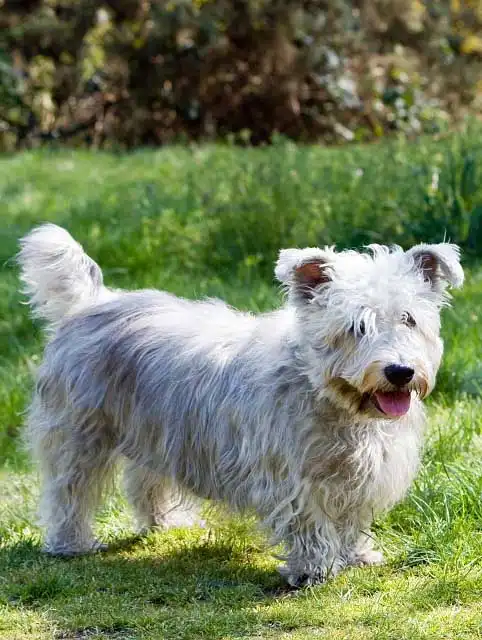
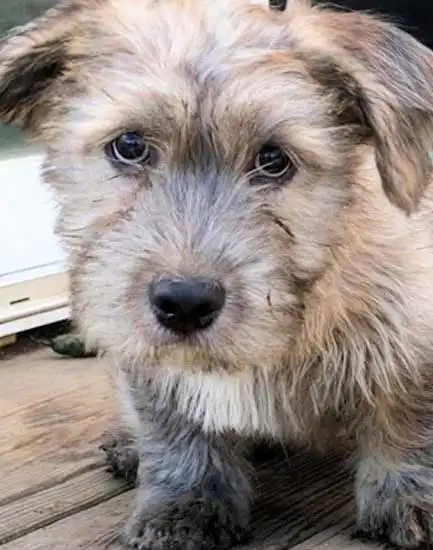
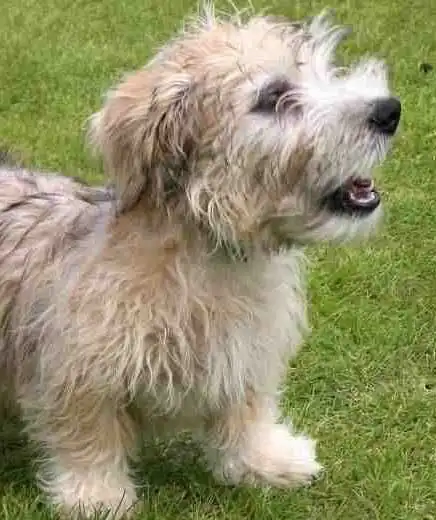
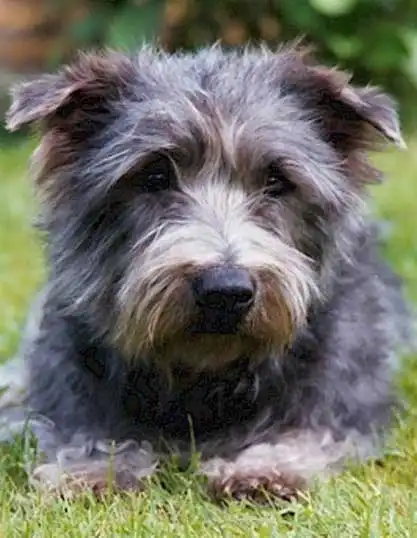
The Glen of Imaal Terrier generally weighs up to 40 pounds and stands about 14 inches tall at the shoulder. This sturdy breed is both muscular and alert, characterized by its sharp brown eyes and small, folded ears. Its tail, often docked, is carried high, reflecting its lively nature. Agile and quick, this terrier is particularly skilled at hunting foxes and badgers, thanks to its swift maneuverability. The Glen of Imaal Terrier boasts a medium-length, coarse coat that features a double layer, including a soft undercoat that sheds seasonally. This breed comes in three main colors: wheaten, blue, and brindle. Wheaten can range from cream to red, while blue coats vary from deep slate to silver. Brindle coats can be any color but typically show a dominance of blue. To keep its coat in good condition, the Glen of Imaal Terrier needs its undercoat stripped approximately twice a year. This grooming process, which involves using a stripping comb or hand-plucking dead hairs, is crucial for maintaining the health of the dog's coat, even though it can be quite time-consuming.
Care Routine
The Glen of Imaal Terrier is typically a breed that requires minimal upkeep. Nonetheless, it does necessitate stripping twice a year, a process that involves removing the undercoat either manually or with a stripping comb. While this task can be somewhat labor-intensive, it is vital for preserving the health of the skin and coat. Aside from this grooming need, the Glen of Imaal Terrier is known to shed very little hair indoors. Regular ear cleaning is important, and the hair inside the ears should be plucked every two to three weeks. This practice is essential, as trapped moisture, dirt, and oils can lead to ear infections; therefore, plucking is preferred over cutting. Additionally, nail trimming should be done every two to three weeks, and it’s a good idea to trim the hair between the toes and pads during this time. While the Glen of Imaal Terrier does not require frequent baths, it is advisable to bathe them at least three to four times a year or as necessary. When bathing, use a shampoo formulated for dogs with wiry or coarse coats to provide optimal care for their distinctive fur.
Behavior & Temperament
The Glen of Imaal Terrier is an energetic and intelligent breed. While they are naturally spirited, they can also display calm and well-behaved traits when properly trained. This breed is a wonderful companion for families, relishing playtime with both children and toys. However, it is crucial to supervise their interactions with other animals, as they should never be left alone with small pets such as hamsters, ferrets, rabbits, or mice. Their propensity for digging means they might excavate simply for amusement, so it’s advisable not to leave them unsupervised in the yard for long periods, as they can quickly tunnel under fences or disturb the landscape. Moreover, the Glen of Imaal Terrier is a dependable watchdog, but if given too much freedom, they may develop a tendency to bark excessively. When tasked with a job, this breed can be quite focused and thrives on having a purpose. They perform exceptionally well in various dog competitions, including earth dog tests, agility, and obedience trials. However, caution should be exercised during water activities like dock diving, as their short legs and robust build make swimming challenging for them. This breed is eager to please and responds well to positive reinforcement for their efforts.
Play & Exercise
Things to Know
Cups Per Day
2.5 Cups
Daily Activity
60 Minutes
Average Lifespan
14 Years
Origin
16th century
Type
Pure Breeds
Size
Medium
Origin Country
Ireland
Brush Frequency
Weekly
Coat Texture
Wiry
Register
Your kids have been begging for a pet forever, and you've recently decided that it's time for your family to get a new addition -- a dog! While everyone is excited for the new arrival, you're wondering if you need to have a dog license. How much does it cost? Is it required? Where do you get one?
Member Clubs

PETINNATE
Terrier

AKC
Terrier Group

UKC
Terrier
Height & Weight
Weight
36 lbs (16 kg)Male: 38 lbs (17 kg) , Female: 34 lbs (15 kg)
Height
13 inches (33 sm)Male: 13 inches (33 sm) , Female: 13 inches (33 sm)
6 Months
17 lbs ( m 17 lbs, f 17 lbs )
10 inches ( m 10 inches, f 10 inches )
12 Months
30 lbs ( m 30 lbs, f 30 lbs )
11 inches ( m 11 inches, f 11 inches )
18 Months
32 lbs ( m 32 lbs, f 32 lbs )
13 inches ( m 13 inches, f 13 inches )
Eye Colors
Brown

Nose Colors
Black
Coat Colors
Gray
Brown
Red
Cream
Fawn
Blue
Silver
White
Sable
Brindle