Dog Breeds by General Exercise Needs
General Exercise Needs refers to how a dog typically behaves or responds in everyday situations. Individual dogs may vary based on training, environment, and genetics.
General Exercise Needs
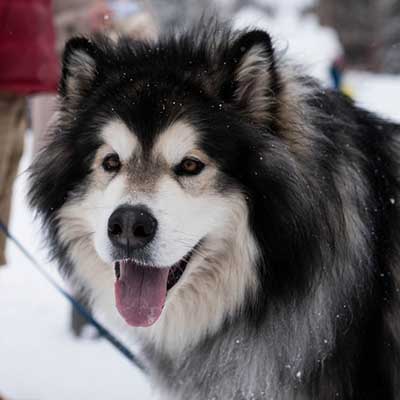
Alaskan Malamute
The Alaskan Malamute, known as the largest sled dog in the Arctic, gets its name from both its geographical roots and the Mahlemut tribe it is linked to. This ancient breed has a history that dates back around 4,000 years, originating with the Inuit people of Alaska. Originally bred to hunt large game such as polar bears and seals, Malamutes are now mainly used for sled pulling and as cherished pets. They generally maintain good health, with an average lifespan of about 12 years, although they may be susceptible to certain genetic conditions like hip dysplasia and cataracts. Their unique double coat allows them to thrive in cold and wet conditions, and they actually prefer cooler climates. Alaskan Malamutes are typically striking in appearance, often showcasing a white base adorned with shades of gray, red, or black. While they bear a resemblance to wolves, their expressions are characteristically softer.
Read more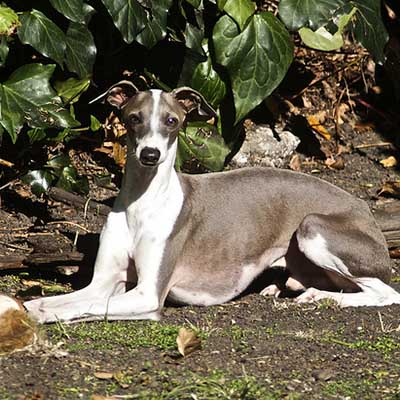
Italian Greyhound
The Italian Greyhound is recognized as the smallest of the sighthound breeds, often referred to as "miniature" due to its petite size. Historical artwork from ancient Egypt depicts dogs that closely resemble this breed. Renowned for their affectionate and lively disposition, Italian Greyhounds were originally bred for hunting purposes but have evolved into cherished companions that enjoy lounging on laps. It is crucial to keep them indoors or in a securely fenced space, as they have a propensity to chase after cars, bicycles, and even pedestrians. Although they are quite intelligent, they can pose challenges during house training. To flourish, they need plenty of love and attention. Furthermore, they may be sensitive to certain insecticides and anesthetics, yet they are generally regarded as healthy dogs overall.
Read more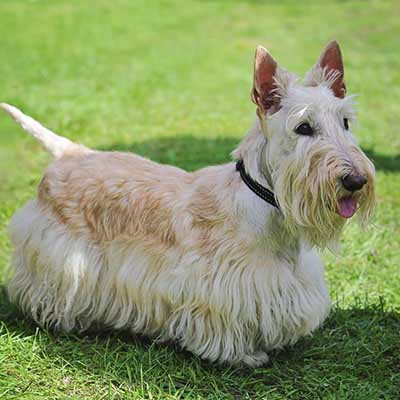
Scottish Terrier
The Scottish Terrier is a small yet spirited breed, celebrated for its lively character. In the 1700s, breeders started developing what we now know as the Scottish Terrier, originally calling it the Aberdeen Terrier after a town in Scotland. The breed was affectionately dubbed the “little diehard” by the fourth Earl of Dumbarton, a nickname that still resonates today. Though they are petite, these dogs are brimming with bravery and vitality. Initially bred to hunt rabbits, otters, foxes, and badgers, Scottish Terriers continue to excel as vigilant watchdogs and devoted companions.
Read more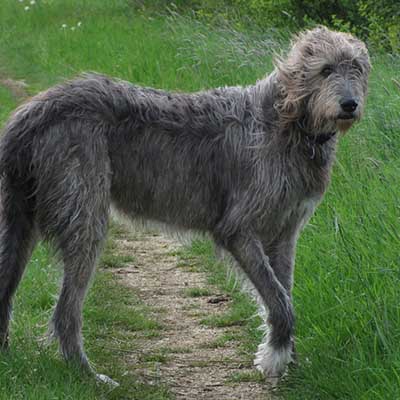
Irish Wolfhound
The Irish Wolfhound is a striking breed that was initially developed to assist in pulling men from their horses and chariots. Beyond its historical significance as a powerful hunting partner, the breed nearly faced extinction due to the dwindling populations of boars and wolves in Ireland. Captain George Graham was instrumental in the breed's revival, incorporating Great Danes and Deerhounds into its genetic line. Once referred to as the "Great Hound of Ireland," these dogs were highly esteemed by the aristocracy, often exchanged as gifts and even becoming the subject of ownership disputes. The American Kennel Club granted official recognition to the Irish Wolfhound in 1897.
Read more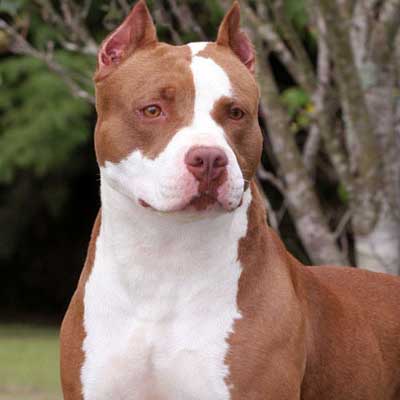
American Pit Bull Terrier
The term "Pit Bull" or "Pit Bull Terrier" refers to a group of sturdy, short-haired dogs that generally have a mixed heritage of Bulldogs and Terriers. Among them, the American Pit Bull Terrier is officially recognized as a separate breed by the United Kennel Club in England, although it does not have the same status with the American Kennel Club or the Fédération Cynologique Internationale. While Pit Bulls can sometimes display unpredictable behaviors due to their varied genetic backgrounds, this is less frequent in well-bred American Pit Bull Terriers, as responsible breeders focus on fostering a more stable temperament. To address potential issues like fearfulness, overly excited greetings, and aggression towards other dogs, it is essential to prioritize obedience training and socialization for this powerful breed.
Read more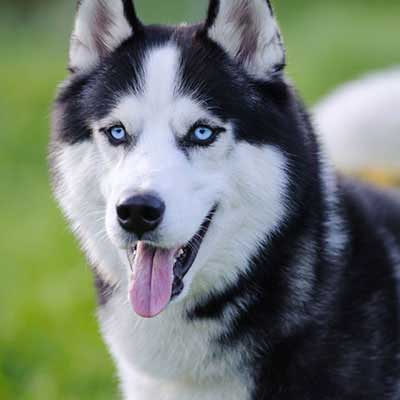
Siberian Husky
The Siberian Husky is a venerable breed that has likely developed alongside humans for thousands of years. Hailing from Russia, these dogs were cultivated by the Chukchi people, who depended on them for hauling supplies, which enabled their community to thrive in challenging environments. In addition to their transportation duties, Huskies were also bred to live harmoniously with Chukchi families. This selective breeding has resulted in a friendly and energetic breed renowned for its impressive stamina. Their dense double coat, which provides insulation against severe cold, requires regular grooming, although they do not need frequent baths. Despite their wolf-like appearance, which may intimidate some, Siberian Huskies are generally too friendly to be effective as guard dogs.
Read more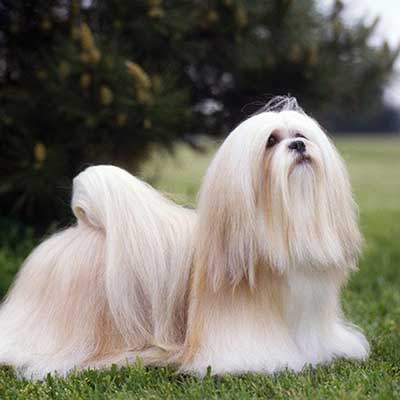
Lhasa Apso
These small but impressive dogs were initially bred to act as guardians in the temples and monasteries located in the Tibetan mountains thousands of years ago. Their popularity in the United States, however, only began in 1933 when the Dalai Lama presented several of these dogs to Mr. and Mrs. Suydam Cutting from New Jersey. Renowned for their joyful nature, these dogs are often playful and even a bit goofy at home, although they tend to be more reserved with unfamiliar faces and may display protective behaviors over their food and toys. Their beautiful, flowing coats require considerable maintenance, necessitating daily brushing and combing, even if kept relatively short.
Read more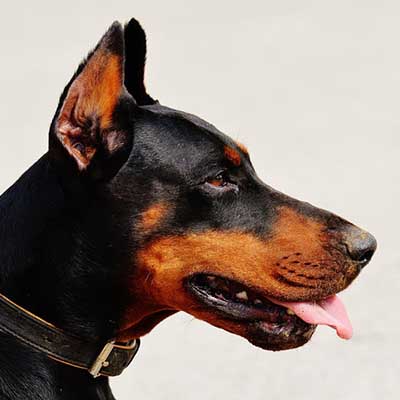
Doberman Pinscher
The Doberman Pinscher is a relatively recent breed, having been developed just over a hundred years ago. Founded by Karl Friedrich Louis Dobermann, this breed was designed to serve as a personal protection dog to aid him during tax collection. Dobermans are medium to large-sized dogs, known for their muscular physique and sleek, shiny coats, often exhibiting a watchful demeanor on their strong, wedge-shaped heads. While they require minimal grooming to keep their coats in good condition, they do need regular, vigorous exercise and mental stimulation due to their athletic nature and intelligence. These dogs are typically very trainable; however, without proper socialization, they may develop dominant or undesirable guarding behaviors that necessitate intervention. Renowned for their remarkable loyalty and alertness, Doberman Pinschers are not only excellent family companions but also excel in roles within the military, police work, and search and rescue operations.
Read more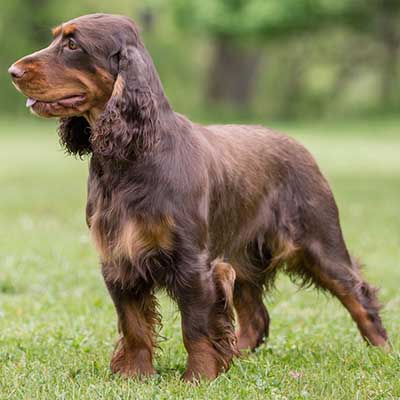
Field Spaniel
The Field Spaniel is a medium-sized dog recognized for its gentle nature and energetic spirit. Initially bred as a hunting companion, this breed gained traction in competitive dog shows during the 19th century. It descended from land Spaniels, diverging from breeds such as the Cocker Spaniel, English Water Spaniel, and Sussex Spaniel. Regrettably, early breeding efforts focused on specific traits nearly pushed the breed to the brink of extinction in the 20th century. Although Field Spaniels do not need specialized grooming, they thrive with weekly brushing to remove dead and loose fur. Additionally, like many Spaniels, they may experience issues with bad breath, which can be alleviated through regular brushing with dental products designed for dogs.
Read more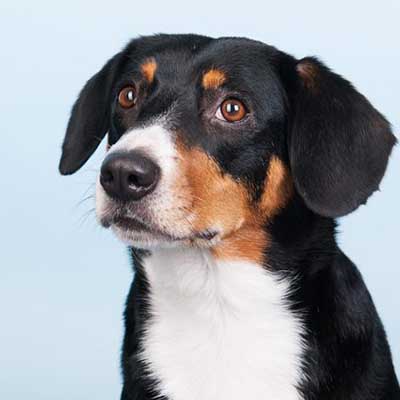
Entlebucher
The Entlebucher Mountain Dog is a sturdy, medium-sized breed known for its distinctive small brown eyes, short coat with multiple colors, and small triangular ears. Its sleek fur typically showcases a blend of white, tan, and black, highlighted by a soft, fluffy blaze and chest area. Among the various Swiss Mountain Dog breeds, the Entlebucher is the smallest, and some suggest it has lineage tracing back to the Mastiffs that accompanied the Romans for protection and warfare. Although the American Kennel Club officially recognized this breed only in 2011, it remains relatively rare in the United States, while it enjoys a strong following in Switzerland. Nowadays, the Entlebucher is primarily appreciated as a family pet rather than a livestock guardian.
Read more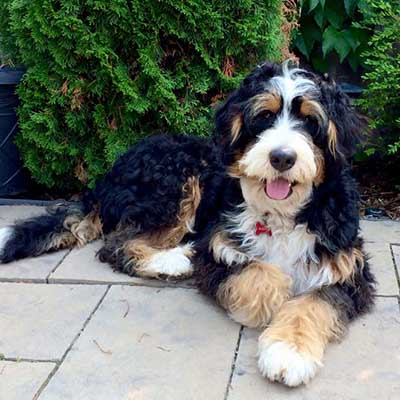
Bernedoodle
The Bernedoodle is a mixed breed resulting from the crossbreeding of Bernese Mountain Dogs and Poodles. The Bernese Mountain Dog originates from Switzerland, while the Poodle has its beginnings in Germany and France. Bernedoodles come in three different sizes, determined by whether the Poodle parent is a toy, miniature, or standard type. The height of Toy Bernedoodles ranges from 12 to 17 inches, Mini Bernedoodles from 18 to 22 inches, and Standard Bernedoodles from 23 to 29 inches, with weights varying from 10 to 90 pounds depending on their size. Although the toy and mini versions may display higher energy levels and a bit of stubbornness, Bernedoodles are generally recognized for their playful and loving demeanor. They thrive on interaction with children and cherish quality time with their families. Due to their strong need for companionship, they struggle when left alone for long periods. Furthermore, they can be wary of strangers, making early socialization essential. Their coats can be long and wavy, curly, or straight; typically, the wavy and curly varieties shed very little, while the straight coats tend to shed more.
Read more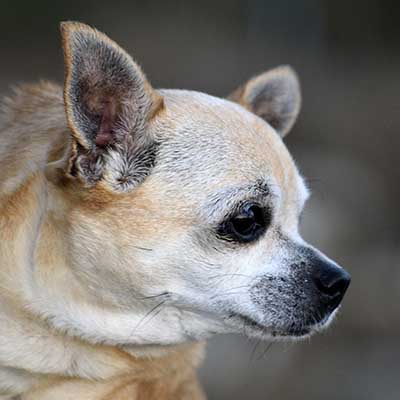
Chihuahua
The Chihuahua, celebrated as the tiniest dog breed in the world, takes its name from the Mexican state of Chihuahua. Both legends and archaeological findings indicate that these dogs originated in Mexico, with toy-like figures resembling Chihuahuas unearthed from Mexico to El Salvador, dating back to approximately 100 AD. Chihuahuas can have either long or short coats and are divided into two main head shapes: “apple heads,” which have rounder skulls, closely spaced eyes, and shorter legs, and “deer heads,” characterized by flatter skulls, wider-set eyes, larger ears, and longer legs. At present, apple-headed Chihuahuas are more popular among dog lovers. They come in a wide array of colors and patterns, but in this breed, the color does not influence the dog's personality. While Chihuahuas are primarily companions, they can take on a guarding role if not properly trained, exhibiting protective behaviors. Known for their spirited nature, loyalty, and protectiveness, Chihuahuas can be quick to react, making them less ideal for families with young children. They often form strong bonds with a single owner, showing a preference for that individual over others in the home, and they typically enjoy the company of fellow Chihuahuas more than that of other dog breeds.
Read more