Scottish Terrier
Aberdeen Terrier
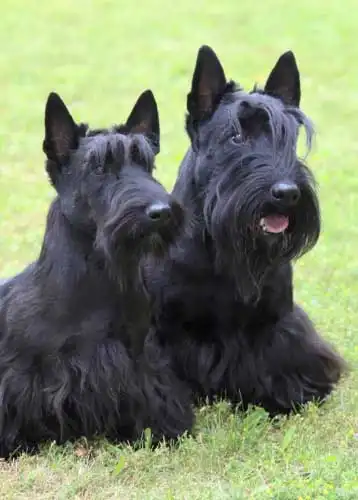
The Scottish Terrier is a small yet spirited breed, celebrated for its lively character. In the 1700s, breeders started developing what we now know as the Scottish Terrier, originally calling it the Aberdeen Terrier after a town in Scotland. The breed was affectionately dubbed the “little diehard” by the fourth Earl of Dumbarton, a nickname that still resonates today. Though they are petite, these dogs are brimming with bravery and vitality. Initially bred to hunt rabbits, otters, foxes, and badgers, Scottish Terriers continue to excel as vigilant watchdogs and devoted companions.
Breed Origin
Historically, all Terriers that came from Scotland were grouped under the label of Scottish Terriers, with this particular breed initially referred to as the Skye Terrier. (Today, a different breed holds the name Skye Terrier, but there is no connection between the two.) This breed was created to be a sturdy hunting dog. In the 1800s, it gained the nickname Aberdeen Terrier, named after the Scottish town that was home to numerous small, wiry hunters of vermin. A formal breed standard was set in 1880, and just three years later, the breed was introduced to the United States. Since then, the Scottie has become a cherished companion to presidents, has made appearances in films and television, and is even represented as a token in the board game Monopoly.
Breed Appearance
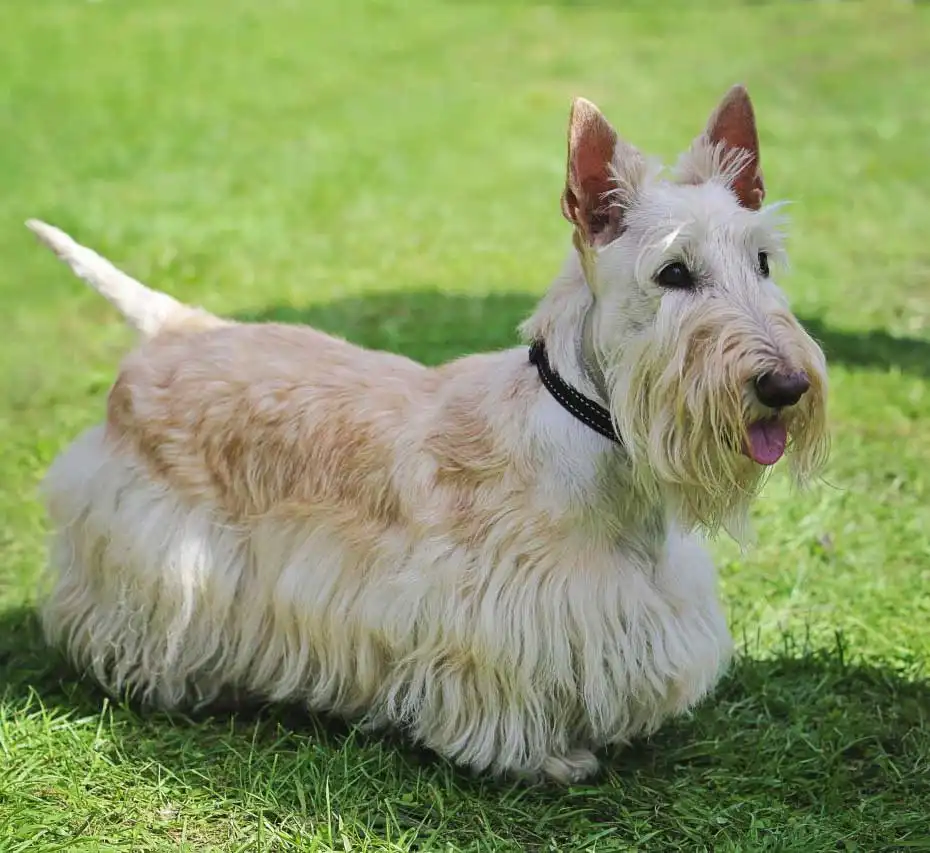
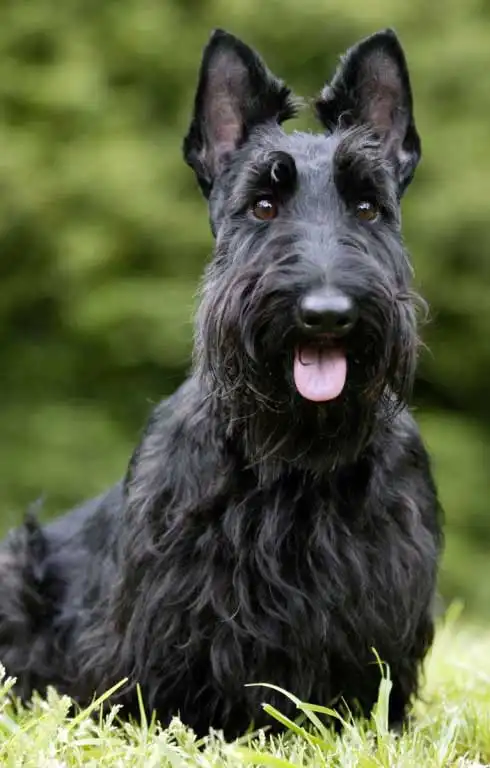
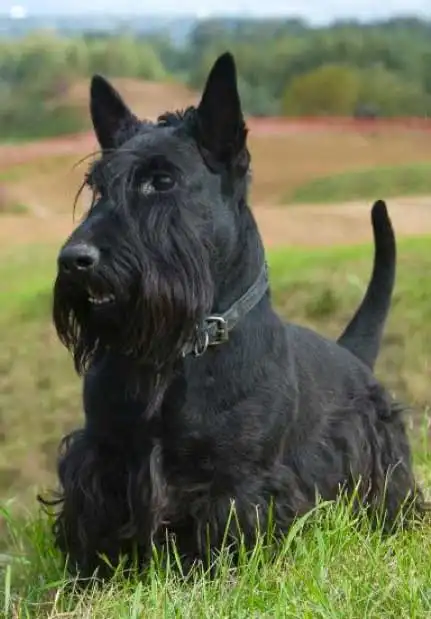
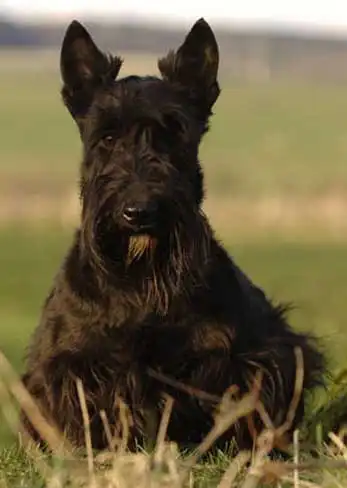
The Scottish Terrier is a compact breed known for its short legs, which may seem even shorter due to grooming practices. It boasts an elongated head with widely spaced, almond-shaped eyes. The length of the muzzle is approximately equal to that of the head, and the teeth meet in a scissors bite. Its back is straight, and the tail, thick at the base and tapering towards the end, is usually held upright and covered in short, stiff fur. Notably, the front paws are generally larger than the hind ones. This breed has a distinctive double coat, featuring a soft, insulating undercoat beneath a coarse, wiry outer layer. The Scottie's coat is particularly longer around the beard, eyebrows, legs, and lower body. Common color variations include black, wheaten, and brindle, with some individuals exhibiting white markings on their chests.
Care Routine
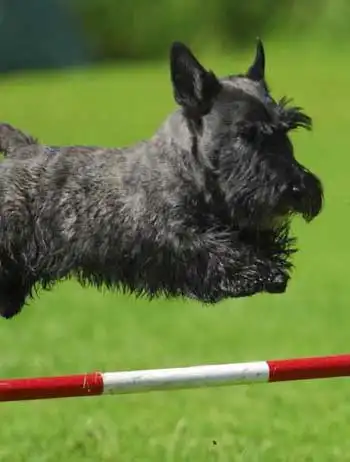
The Scottish Terrier is distinguished by its robust top coat, which features longer hair around the beard, lower body, and legs. To keep this coat in prime condition, it should be brushed two to three times a week, with more frequent grooming during shedding seasons. Regular shaping of the coat is recommended every three months, and bathing should occur as necessary. When it comes to exercise, Scottish Terriers need a moderate amount; daily walks and playtime activities like fetch are particularly beneficial. Although they can adjust to warmer climates, they are happiest as indoor companions. As long as they receive adequate exercise, Scotties can thrive in a variety of living situations. However, it's crucial to be aware that they are susceptible to skin problems, such as flea allergies, so attentive skin care is vital.
Behavior & Temperament
The Scottish Terrier, commonly known as the Scottie, is celebrated for its courage, loyalty, vigilance, and tenacity. These dogs excel as watchdogs, but their strong-willed nature necessitates early and consistent training with a firm approach. Scotties tend to test limits, particularly with family members who haven’t established a clear authority, as they need to understand who is in charge. Often likened to a small dog with the heart of a larger breed, the Scottie is adventurous and loves playing ball. However, it’s best to steer clear of wrestling or tug-of-war games, as they do not respond well to rough play. Scotties can sometimes exhibit what is known as Small Dog Syndrome, where they mistakenly believe they are the dominant ones in the household. This behavior often stems from owners unintentionally reinforcing it by yielding to their demands. While Scotties generally get along well with children, it’s important for kids to be assertive to avoid fostering Small Dog Syndrome during their interactions. Consistent enforcement of household rules by all family members will help ensure that the Scottish Terrier flourishes as a cherished family pet.
Play & Exercise
Things to Know
Cups Per Day
0.8 Cups
Daily Activity
30 Minutes
Average Lifespan
12 Years
Origin
1800s
Type
Pure Breeds
Size
Small
Origin Country
Scotland
Brush Frequency
Weekly
Coat Texture
Wiry
Register
Your kids have been begging for a pet forever, and you've recently decided that it's time for your family to get a new addition -- a dog! While everyone is excited for the new arrival, you're wondering if you need to have a dog license. How much does it cost? Is it required? Where do you get one?
Member Clubs

PETINNATE
Terrier

AKC
Terrier Group

UKC
Terrier
Height & Weight
Weight
20 lbs (9 kg)Male: 21 lbs (10 kg) , Female: 20 lbs (9 kg)
Height
11 inches (28 sm)Male: 11 inches (28 sm) , Female: 11 inches (28 sm)
6 Months
15 lbs ( m 15 lbs, f 15 lbs )
7 inches ( m 7 inches, f 7 inches )
12 Months
18 lbs ( m 18 lbs, f 18 lbs )
10 inches ( m 10 inches, f 10 inches )
18 Months
19 lbs ( m 19 lbs, f 19 lbs )
10 inches ( m 10 inches, f 10 inches )
Eye Colors
Brown

Nose Colors
Black
Coat Colors
Black
Brindle
Characteristics
Mixes
Bascottie
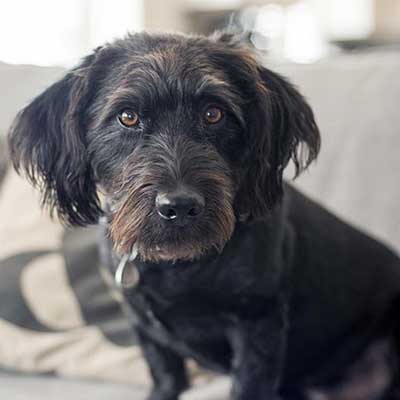
The Bascottie, despite its name evoking an Italian dessert, is actually a delightful mix of the Basset Hound and the Scottish Terrier. This endearing breed predominantly reflects the appearance and temperament of its Scottish Terrier ancestry, while also exhibiting the sturdy, low stature typical of its Basset Hound heritage. Bascotties are known for their energetic and friendly demeanor, and surprisingly, they possess a notable agility despite their elongated bodies. Generally, they get along well with other dogs and can readily accept cats into their home, especially if they are socialized early on. Their coats are typically wiry and black, but they can also come in a range of colors, including tan, white, and brindle.
Read more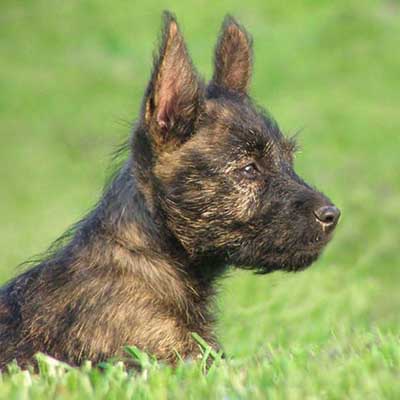
Bushland Terrier
The Bushland Terrier is a small breed that emerges from the crossbreeding of a Cairn Terrier and a Scottish Terrier. Typically, these dogs stand between 10 and 14 inches tall and can weigh as much as 25 pounds. They have a thick, medium to long double coat, primarily in black, although shades of brown, red, tan, or white can also be found. With their compact build, they feature large heads and pointed ears. Known for their intelligence, Bushland Terriers can also be quite headstrong, which may pose some challenges during training. They generally get along well with children and other pets, but it is crucial to socialize them early in puppyhood to ensure they develop positive relationships with cats and other animals.
Read more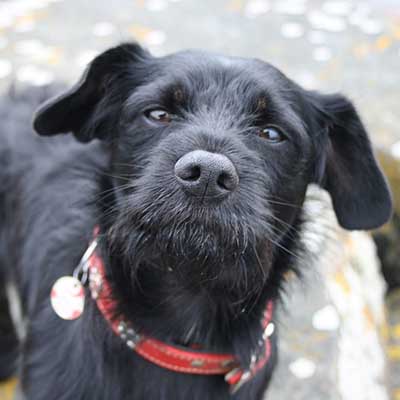
Cavottish
In recent times, designer dog breeds have surged in popularity, with the Cavottish emerging as a notable example. This small hybrid is the result of crossing two purebred dogs: the Cavalier King Charles Spaniel and the Scottish Terrier. While each breed has its unique traits, their combination creates a delightful companion known for its calm demeanor, gentleness, and playful nature. Cavottishes typically have a lifespan of 12 to 15 years and adapt well to living in apartments. However, they tend to dislike cold weather and may display some stubbornness. To help your Cavottish develop into a confident and well-mannered pet, it is crucial to provide proper training and socialization.
Read more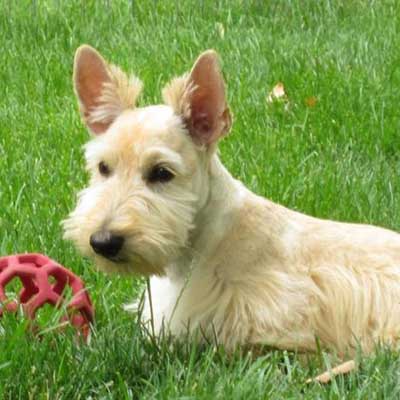
Mini Scottish Fox Terrier
If you have a soft spot for small Terriers, the Mini Scottish Fox Terrier is bound to win you over. This charming breed is a hybrid of the Scottish Terrier and the Mini Fox Terrier, both of which are small in stature. Generally, the Mini Scottish Fox Terrier reaches a height of up to 11 inches and weighs less than 15 pounds. These compact dogs feature a thick, wiry coat that can vary in length, either short like the Fox Terrier or longer, akin to the Scottish Terrier. Their fur is mainly white, often highlighted with black, brown, or brindle markings, although some may also display shades of red or cream. Renowned for their keen alertness and spirited demeanor, the Mini Scottish Fox Terrier makes a fantastic watchdog and a devoted family pet.
Read more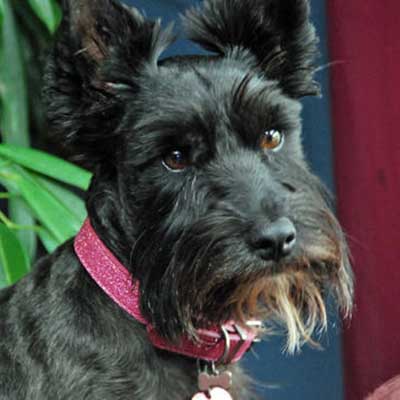
Sceagle
The Sceagle, a charming blend of Beagle and Scottish Terrier, makes an excellent family companion, a dependable hunting ally, and a vigilant watchdog. These dogs are celebrated for their loving disposition, sharp awareness, intelligence, and gentle nature. However, they can also display a bit of stubbornness, which may necessitate a patient and dedicated approach to training. Weighing approximately 20 pounds, the Sceagle is a small breed with fur that varies from short to medium length, typically straight and easy to care for, whether it’s soft or wiry. They thrive in playful interactions with children and other pets, but it’s crucial to supervise their engagements with young kids and ensure they receive adequate socialization during their early development.
Read more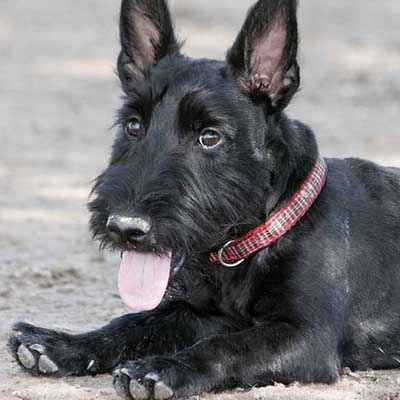
Scobo Terrier
The Scobo Terrier is a hybrid breed that emerges from the crossbreeding of the Scottish Terrier and the Boston Terrier. This small dog typically weighs up to twenty-five pounds at maturity. Renowned for his loving disposition, he develops strong attachments to all family members, especially enjoying the presence of children. Although he doesn't require a high level of activity, a moderate amount of daily exercise is essential to keep him healthy and to stave off boredom, which can lead to mischievous behavior. The Scobo Terrier is quite clever and tends to be easy to train. Depending on the coat type he inherits, grooming needs may be minimal. In summary, he is a loyal companion, making him an excellent addition to any family.
Read more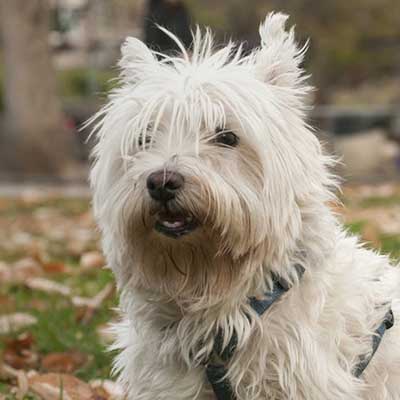
Scoland Terrier
The Scoland Terrier is a charming mix of the Scottish Terrier and the West Highland White Terrier, both originating from Scotland. This hybrid represents the ideal terrier, combining playfulness, intelligence, loyalty, affection, and energy with a dash of spirited courage, all encapsulated in an irresistibly cute puppy that is bound to win your heart. Beyond being a source of joy and companionship, the Scoland Terrier also serves as a loyal guardian for you and your family, all while showcasing its delightful and lively nature.
Read more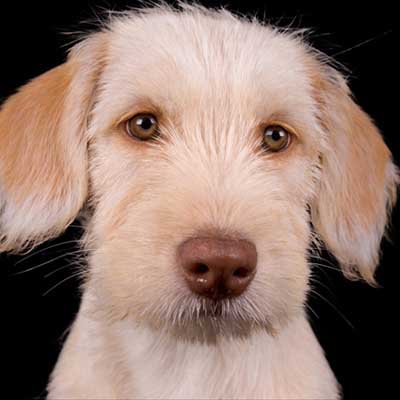
Scolden Terrier
The Scolden Terrier is a distinctive hybrid breed that merges the Scottish Terrier with the Golden Retriever. Although this combination may appear unconventional, it yields an exceptionally intelligent dog known for its capacity for deep affection, effectiveness as a watchdog, and enthusiasm for engaging training sessions, all influenced by its occasionally independent nature. This crossbreeding amplifies certain terrier characteristics, including adaptability, vocal tendencies, and sociability with children, cats, and other dogs. The more laid-back temperament of the Golden Retriever complements the spirited personality of the Scottish Terrier, creating a perfect companion for families.
Read more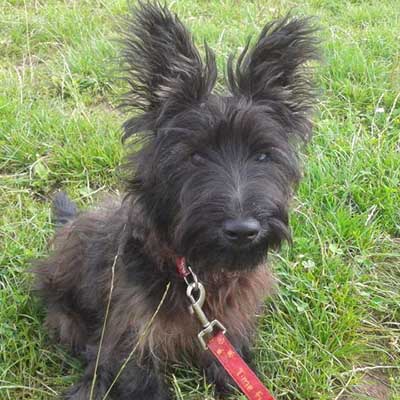
Scorkie
The Scorkie is a designer dog breed created by crossing a Scottish Terrier with a Yorkshire Terrier. This hybrid is recognized by three breed registries, including the Dog Registry of America. The American Canine Hybrid Club calls this mix the Scorkie, while the International Designer Canine Registry refers to it as the Scorkie Terrier. As a small Terrier, the Scorkie is known for its charming, "old soul" demeanor. They are affectionate companions for their families but need plenty of mental stimulation to stay happy and prevent negative behaviors like digging.
Read more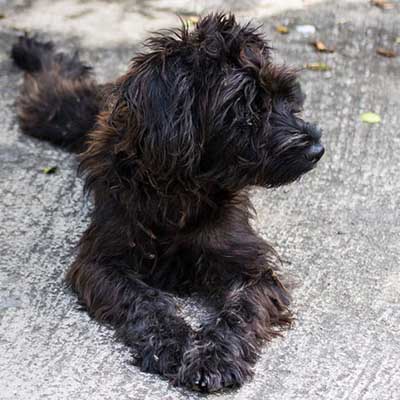
Scottish Cocker
The Scottish Cocker is a charming crossbreed that combines the Scottish Terrier and the Cocker Spaniel. This distinctive mix brings together the friendly disposition, loyalty, and sociability of the Cocker Spaniel with the intelligence, courage, alertness, and lively spirit of the Scottish Terrier. The outcome is a lively and loving dog full of character. Although she doesn’t require an abundance of exercise, she isn’t one to spend her days idly. This delightful companion is sure to become a beloved part of the family, easily capturing the affection of all who meet her.
Read more