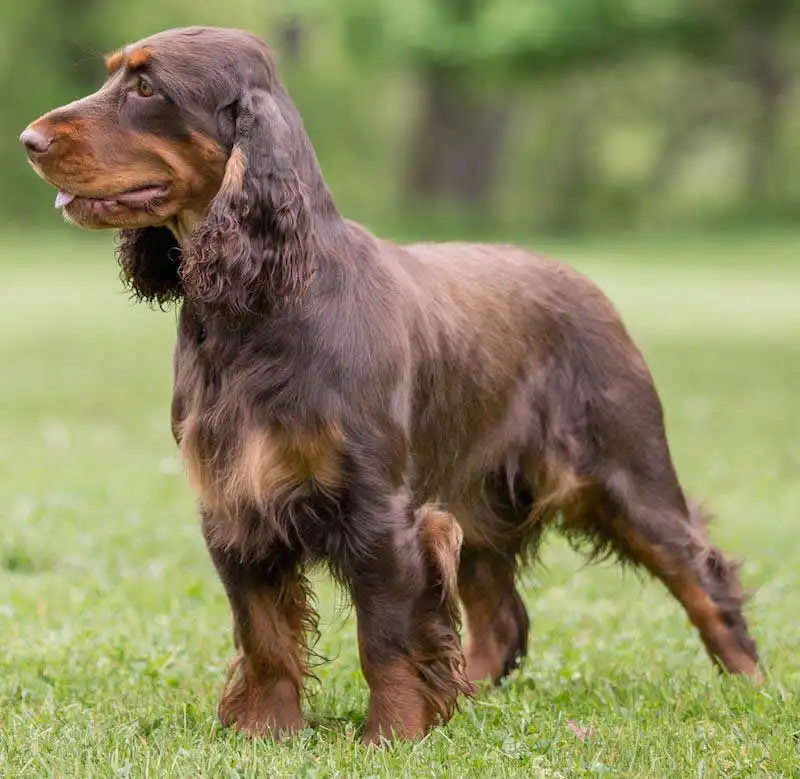
Field Spaniel
The Field Spaniel is a medium-sized dog recognized for its gentle nature and energetic spirit. Initially bred as a hunting companion, this breed gained traction in competitive dog shows during the 19th century. It descended from land Spaniels, diverging from breeds such as the Cocker Spaniel, English Water Spaniel, and Sussex Spaniel. Regrettably, early breeding efforts focused on specific traits nearly pushed the breed to the brink of extinction in the 20th century. Although Field Spaniels do not need specialized grooming, they thrive with weekly brushing to remove dead and loose fur. Additionally, like many Spaniels, they may experience issues with bad breath, which can be alleviated through regular brushing with dental products designed for dogs.
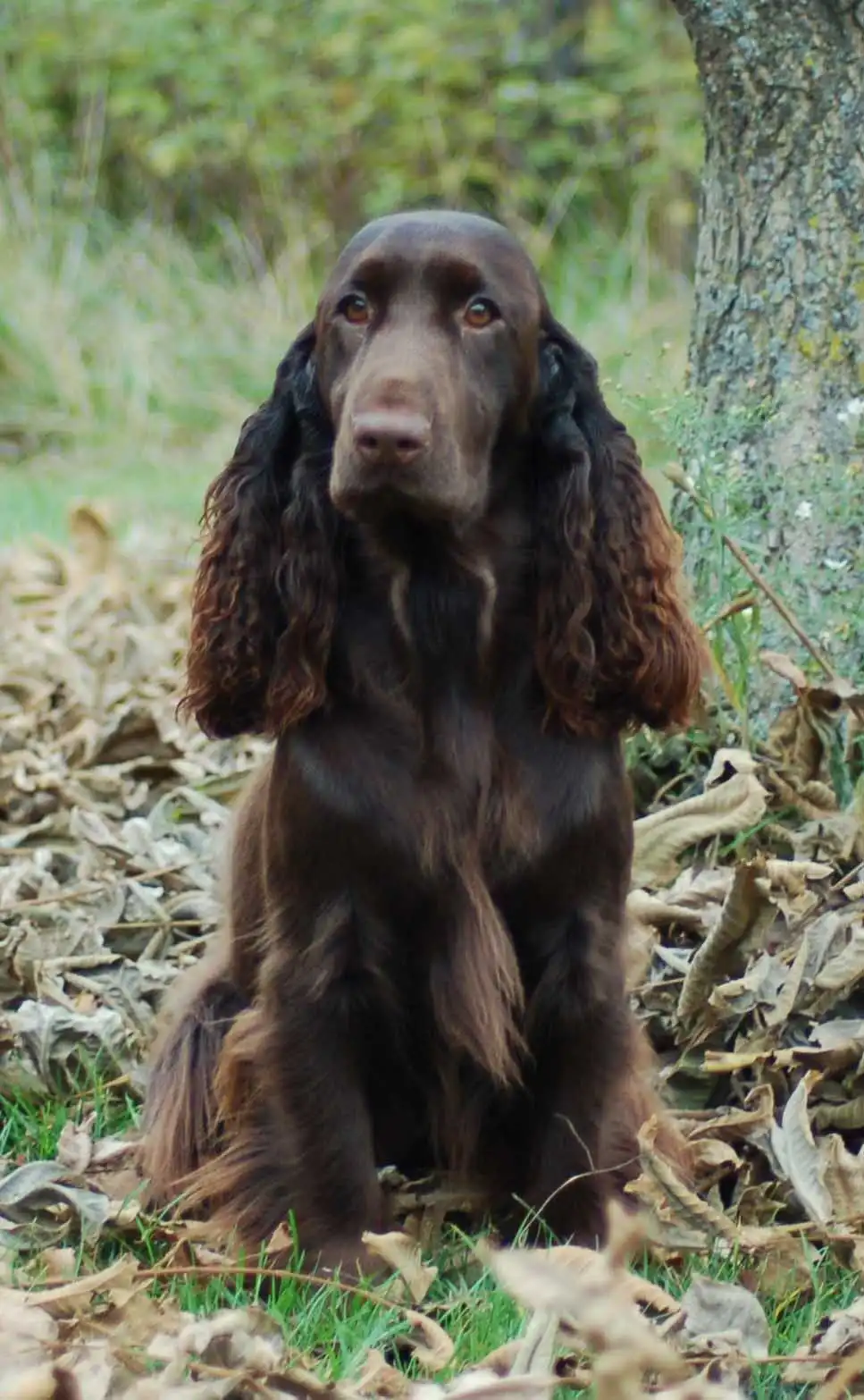
Breed Origin
The Field Spaniel is a rare breed, with only 117 dogs officially registered. Its scarcity is largely due to its historical context. This breed is part of the Spaniel family, which is categorized into land and water dogs. In the 1800s, all land Spaniels were referred to as Field Spaniels, but in 1892, the smaller English Cocker Spaniel was recognized as a separate breed. Breeders of the larger Field Spaniel sought to develop a black variety, leading them to crossbreed with Welsh Cocker Spaniels, Basset Hounds, and Sussex Spaniels. Unfortunately, this breeding effort resulted in various issues, producing Field Spaniels with excessively long bodies, short legs, and heavy bones. These physical exaggerations compromised the breed's ability to perform well in both fieldwork and dog shows. By the end of World War II, the breed had become unpopular and was on the brink of extinction. Thankfully, selective breeding efforts revived the Field Spaniel, primarily through crossbreeding with the Cocker Spaniel and English Springer Spaniel. The new lines were smaller than the English Springer Spaniels but taller than their predecessors. Today, all contemporary Field Spaniels can trace their lineage back to four key individuals from the 1950s: Ronayne Regal, Gormac Teal, Colombina of Teffont, and Elmbury Morwena of Rhiwlas. Thanks to these foundational dogs and the commitment of their breeders, the Field Spaniel continues to thrive, compete, and hunt in modern times.
Breed Appearance
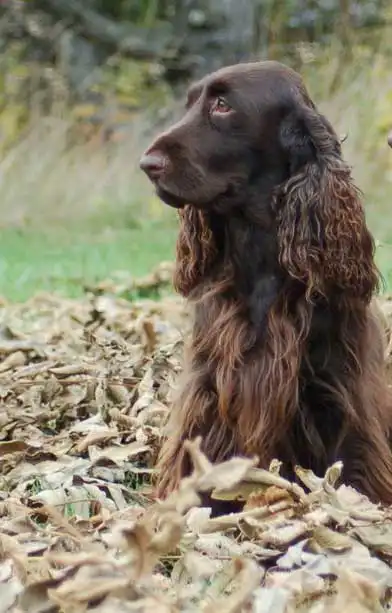
The Field Spaniel is a well-balanced, medium-sized hunting dog, built for active pursuits in both water and thick underbrush. This breed has a body that is slightly longer than it is tall, which aids its legs in maneuvering through dense vegetation and difficult landscapes. With a calm yet earnest demeanor, the Field Spaniel is distinguished by its almond-shaped eyes, which can vary in color from dark brown to hazel. Its ears are long, broad, and moderately feathered, hanging just below the eye line. The muzzle is slender and elongated, featuring a prominent nose and tightly fitting lips, with a bite that can be either scissor or level. This breed is characterized by a long, muscular physique and an extended rib cage. The tail is positioned just below the back and has a gentle downward curve. The forelegs are robust and straight, while the hindquarters are strong and well-defined. Its feet are rounded and webbed, equipped with thick pads and well-arched toes. The Field Spaniel has a single coat of moderate length that may be flat or slightly wavy, known for its silky, glossy texture that is both thick and water-resistant.

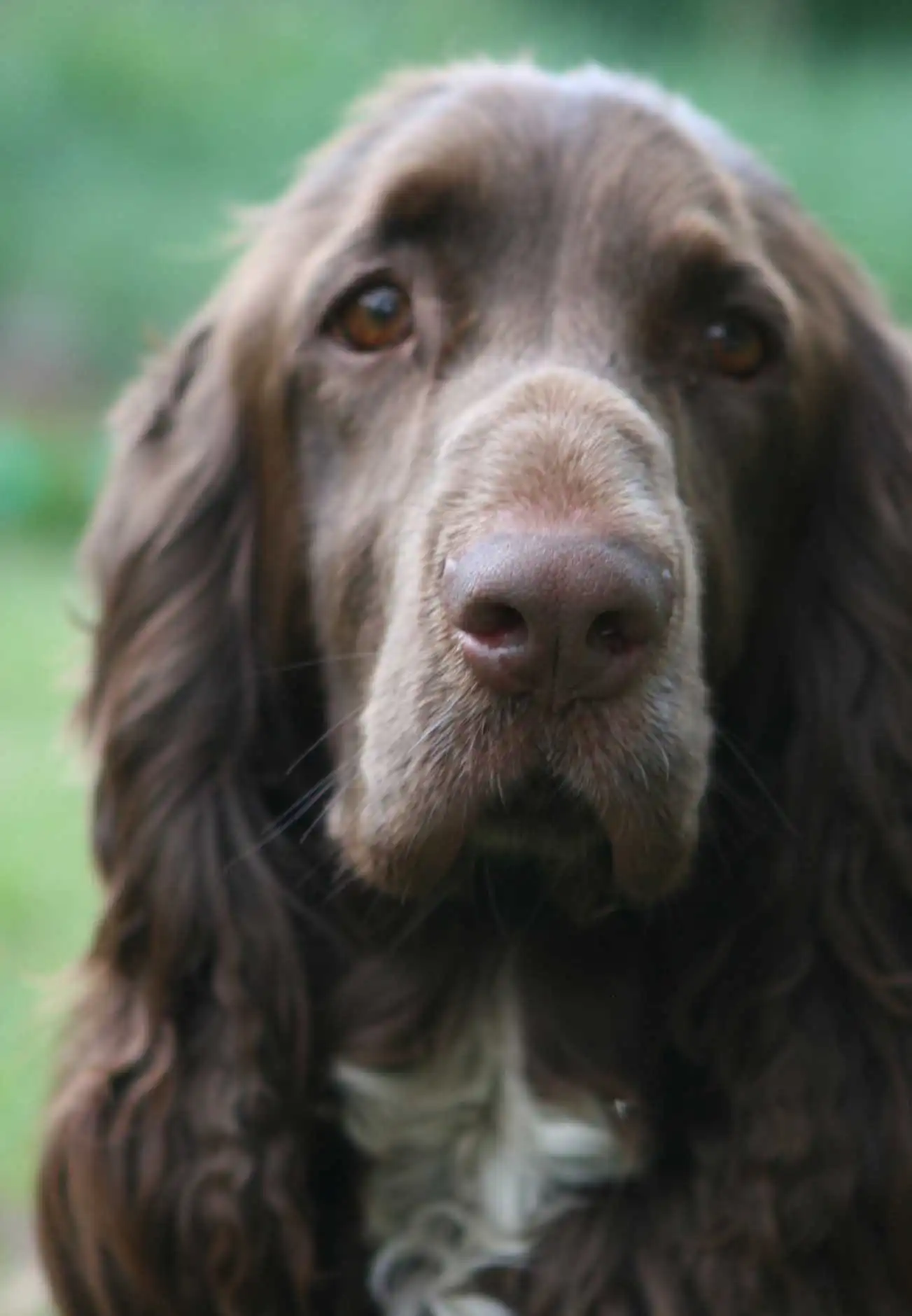
Care Routine
Unlike many other Spaniel varieties, the Field Spaniel features a coat that is relatively easy to care for and does not require specialized grooming methods. A weekly brushing session is recommended to remove loose or dead hair and maintain the coat's lovely feathering. As with most dogs, baths should be given only when necessary, as frequent washing can be harmful. It is also beneficial to brush your Field Spaniel’s teeth weekly with veterinarian-recommended dental tools to help prevent bad breath and oral health issues. This breed thrives on regular exercise and needs plenty of space to move around, making a fenced yard the ideal living situation; thus, residing in a cramped urban setting is not suitable. If a Field Spaniel feels bored, it may engage in destructive behaviors such as excessive chewing or barking. Depending on their activity level, these dogs generally require between 1.5 to 2 cups of dry food twice daily. Although the Field Spaniel does not have specific allergies or food sensitivities, it is prudent to keep an eye on any changes in their eating patterns and overall health in relation to their diet.
Behavior & Temperament
The Field Spaniel is celebrated for its gentle and amiable nature, making it a perfect companion for both individuals and families alike. This breed is marked by its desire to please, loyalty, and affectionate demeanor. However, Field Spaniels are quite sensitive and struggle with extended periods of being alone. Their loving disposition makes them wonderful family pets, especially around children, and they typically get along well with other dogs. That said, they thrive in calm environments and do not enjoy rough or boisterous play. While they may initially appear reserved with newcomers, they quickly warm up and are never shy, fearful, or aggressive. Renowned for their intelligence, Field Spaniels are relatively easy to train, which makes them a great choice for first-time dog owners. However, they do need regular exercise and a commitment to their activity requirements. If left unattended for too long, they might try to escape or, out of boredom, engage in barking or chewing.
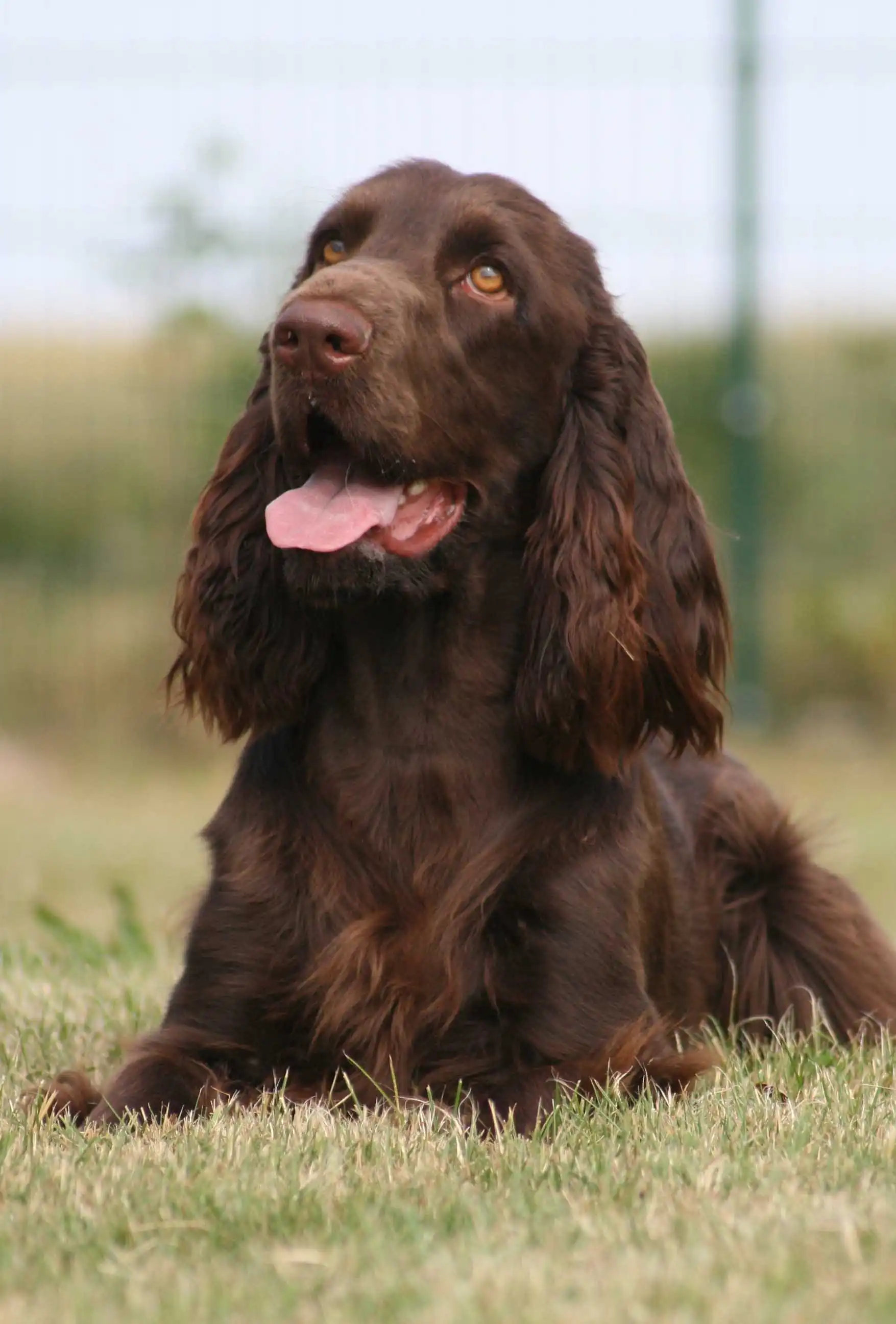
Play & Exercise
Things to Know
Cups Per Day
2.6 Cups
Daily Activity
60 Minutes
Average Lifespan
11 Years
Origin
1800s
Type
Pure Breeds
Size
Medium
Origin Country
England
Brush Frequency
Weekly
Coat Texture
Wavy
Register
Your kids have been begging for a pet forever, and you've recently decided that it's time for your family to get a new addition -- a dog! While everyone is excited for the new arrival, you're wondering if you need to have a dog license. How much does it cost? Is it required? Where do you get one?
Member Clubs

PETINNATE
Gun Dog

AKC
Sporting Group

UKC
Gun Dog
Height & Weight
Weight
43 lbs (20 kg)Male: 43 lbs (20 kg) , Female: 43 lbs (20 kg)
Height
18 inches (46 sm)Male: 18 inches (46 sm) , Female: 18 inches (46 sm)
6 Months

18 lbs ( m 18 lbs, f 18 lbs )
14 inches ( m 14 inches, f 14 inches )
12 Months
40 lbs ( m 40 lbs, f 40 lbs )
17 inches ( m 17 inches, f 17 inches )
18 Months
42 lbs ( m 42 lbs, f 42 lbs )
17 inches ( m 17 inches, f 17 inches )
Eye Colors
Hazel

Brown
Nose Colors
Black
Brown
Coat Colors
Black

Brown
Blue