Lowchen
Little Lion Dog
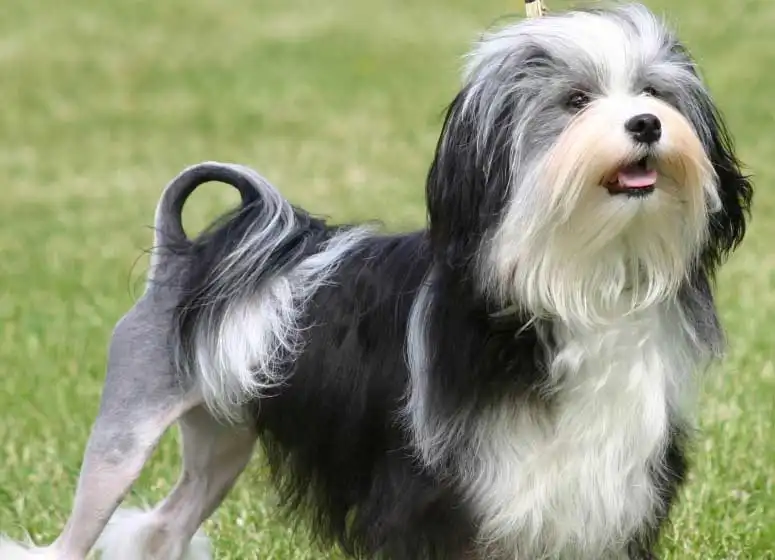
The Löwchen, affectionately referred to as the "little lion" in German, was a beloved pet among the European nobility during the 15th century, especially in regions such as Belgium, Germany, Spain, and France. This breed was intentionally bred for its small stature, opulent coat, and gentle nature, making it a favored companion for women who often brought them to court. Traditionally, their grooming involved a distinctive style where the fur on the legs, hindquarters, and part of the tail was closely trimmed to evoke a lion-like look. Even in modern times, the Löwchen remains treasured for its affectionate personality and continues to forge deep bonds with its human families.
Breed Origin
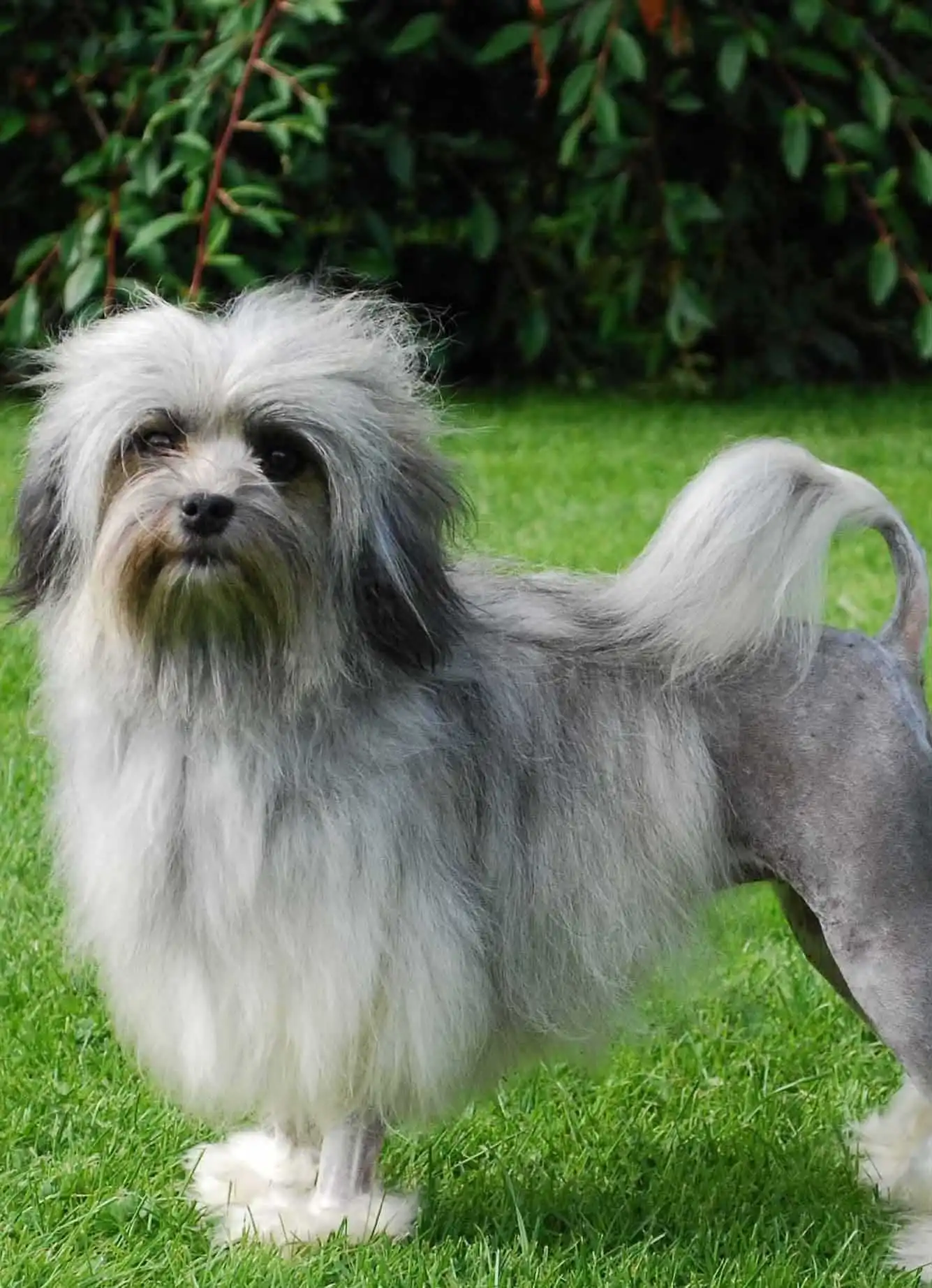
The origins of the Löwchen have been a topic of much discussion, with various European countries such as Germany, Spain, and Russia being suggested as potential birthplaces. Nevertheless, a consensus among experts indicates that France is the true home of this breed, even though the term Löwchen translates to "little lion" in German. This breed is believed to have originated in the 15th century, quickly becoming a beloved companion of the nobility. Court ladies often groomed the Löwchen to resemble a small lion, which is how it earned its name. Historical mentions of the breed appear in literature and art from that time, including works by Goya in the 16th century. French aristocrats held these dogs in high regard, often bringing them to court. Sadly, during times of war, many owners abandoned their pets to fend for themselves, resulting in a drastic reduction in the breed's numbers. A Belgian woman, enchanted by the Löwchen, dedicated herself to locating as many as possible, playing a crucial role in their recovery. The Löwchen is likely connected to bichon breeds, but it may also share lineage with Maltese, Havanese, or Bolognese dogs. The breed faced another setback in the 1960s when the Guinness Book of World Records labeled it the "Rarest Breed." In response, two British breeders took initiative to revive the Löwchen, importing several related dogs to support their efforts. Over time, the population began to grow, and by 1995, the Löwchen was officially recognized by the AKC in the miscellaneous class, later being moved to the non-sporting class in 1999.
Breed Appearance
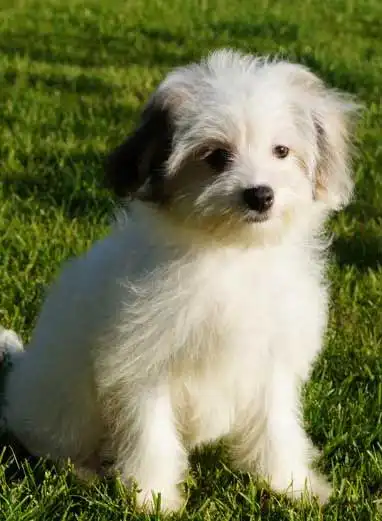
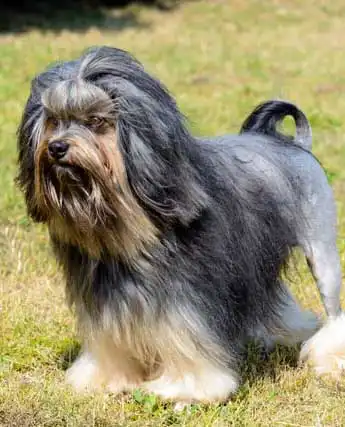
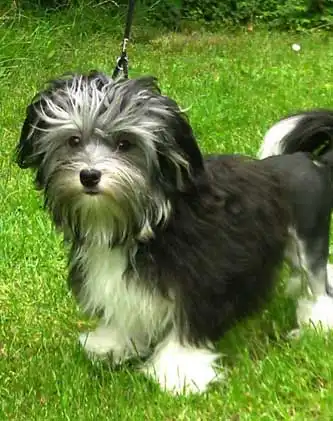
The Löwchen is a small, sturdy breed known for its square build and well-balanced physique. Its movements are fluid and graceful, accentuating its unique coat. This breed features a broad, short skull and muzzle, paired with a lively and attentive expression. Its intelligent brown eyes look straight ahead, while its pendant ears are elegantly feathered. The Löwchen also possesses a proper scissors bite, which contributes to its overall dental health. A standout feature of the Löwchen is its distinctive coat. The fur is long, thick, and soft, often displaying a gentle wave. Traditionally, the grooming style involves closely trimming the fur on the hindquarters and the lower part of the tail, with the legs clipped short but leaving some hair around the paws. This grooming technique gives the Löwchen a lion-like look, complete with a lush mane framing its face, neck, and upper body, as well as tufts of hair near the paws and at the tail's tip. The coat is available in a variety of colors, with white, lemon, and black being the most popular.
Care Routine
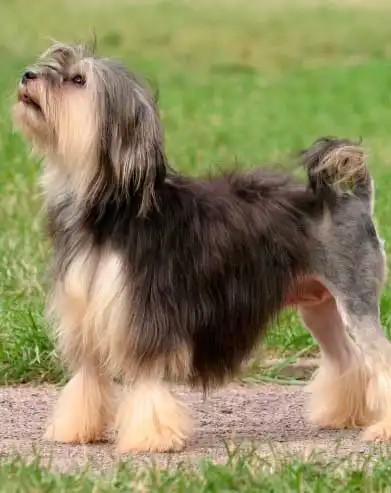
The Löwchen's dense fur demands daily grooming to avoid tangles and mats, which can lead to discomfort for the dog. To maintain the classic lion cut, a close trim on the legs, hindquarters, and tail is necessary, typically every one to two months. This breed is characterized by minimal shedding, making it a great choice for allergy sufferers. Regular baths are recommended to keep them clean. Their rapidly growing nails also need frequent trimming to prevent splits and cracks. It's essential to clean their ears regularly to remove wax and debris, and brushing their teeth should be part of their routine care. The Löwchen is an active breed that requires plenty of exercise, and its small size allows it to thrive indoors. This breed adapts well to different living environments, including apartments, as long as they receive daily walks and stimulating activities.
Behavior & Temperament
The Löwchen was intentionally bred to be a companion dog, which is reflected in its warm and affectionate nature. This breed thrives on human companionship and needs daily interaction with its family. Löwchens have a strong craving for attention, enjoying both playful activities and the comfort of cuddling with their favorite humans. If they lack sufficient quality time with their owners, they may develop separation anxiety. While they can be quite energetic as puppies, they generally grow into calm yet alert adults. Their bold personality can sometimes result in excessive barking, as they take their role as watchdogs seriously. Although they may show some feistiness, they genuinely love playing with children. When it comes to other pets, they tend to be friendly but may assert themselves with larger dogs in the home. Being an intelligent breed, early training is crucial to prevent issues like barking or digging. Löwchens are enthusiastic learners and can quickly master obedience commands. Their lively and playful nature makes them ideal for activities such as carting, herding, and water trials, and their cheerful disposition also makes them excellent therapy dogs.
Play & Exercise
Things to Know
Cups Per Day
1.2 Cups
Daily Activity
30 Minutes
Average Lifespan
14 Years
Origin
1500s
Type
Pure Breeds
Size
Small
Origin Country
France, Germany
Brush Frequency
Weekly
Coat Texture
Straight
Register
Your kids have been begging for a pet forever, and you've recently decided that it's time for your family to get a new addition -- a dog! While everyone is excited for the new arrival, you're wondering if you need to have a dog license. How much does it cost? Is it required? Where do you get one?
Member Clubs

PETINNATE
Companion Dog

AKC
Non-Sporting Group

UKC
Companion Dog
Height & Weight
Weight
13 lbs (6 kg)Male: 13 lbs (6 kg) , Female: 13 lbs (6 kg)
Height
13 inches (33 sm)Male: 13 inches (33 sm) , Female: 13 inches (33 sm)
6 Months
8 lbs ( m 8 lbs, f 8 lbs )
6 inches ( m 6 inches, f 6 inches )
12 Months
11 lbs ( m 11 lbs, f 11 lbs )
11 inches ( m 11 inches, f 11 inches )
18 Months
13 lbs ( m 13 lbs, f 13 lbs )
13 inches ( m 13 inches, f 13 inches )
Eye Colors
Brown

Nose Colors
Black
Brown
Coat Colors
Black
White
Brown
Fawn
Silver
Brindle
Sable
Red