Pharaoh Hound
Kelb-tal Fenek
The Pharaoh Hound, recognized for its reserved yet spirited personality, has origins dating back to around 3000 B.C. While it has traditionally been thought to originate from Ancient Egypt, recent genetic research suggests that its true beginnings are in Malta. Ancient Egyptian hieroglyphics provide evidence of the Pharaoh Hound's long-standing presence, indicating that this breed has existed for millennia. With a strong and athletic physique, the Pharaoh Hound exhibits a graceful and elegant movement. Initially bred for hunting small game, it utilizes its sharp senses of sight, sound, and smell. This breed boasts an exotic and noble appearance, brimming with energy and a love for playful pursuits. The Pharaoh Hound shines in agility and lure coursing, demonstrating its remarkable athletic abilities. Grooming is simple due to its short, glossy coat, which only requires weekly brushing to manage shedding. For optimal well-being, the Pharaoh Hound thrives in an environment that meets its exercise needs.
Breed Origin
The Pharaoh Hound is recognized as one of the oldest dog breeds in the world. Its origins can be traced back to Ancient Egypt around 3000 B.C., but recent genetic research suggests that the breed was actually developed in Malta during the 17th century. Hieroglyphics from Ancient Egypt provide evidence of the Pharaoh Hound's presence, indicating its importance in that era. It is believed that Phoenician traders introduced the breed to Malta, where it preserved its lineage over the years. A letter from the 19th Dynasty even notes the breed's unique blush, which becomes especially noticeable when the dog is excited. Originally known as the Kelb tal-Fenek, or "dog of the rabbit," this name highlights the breed's exceptional hunting skills for small game. The Pharaoh Hound arrived in England in the 1930s, although documentation from that time is sparse and inconsistent. In 1963, Pauline Brock brought a Pharaoh Hound named Bahri of Twinley back to England, marking the breed's first appearance there. By 1967, the first Pharaoh Hounds were introduced to the United States. The breed was included in the AKC's Miscellaneous Class in 1979 and gained official recognition in 1983. While it may not rank among the most registered breeds with the AKC, the Pharaoh Hound is beloved for its charming personality and playful sense of humor, which endears it to families.
Breed Appearance
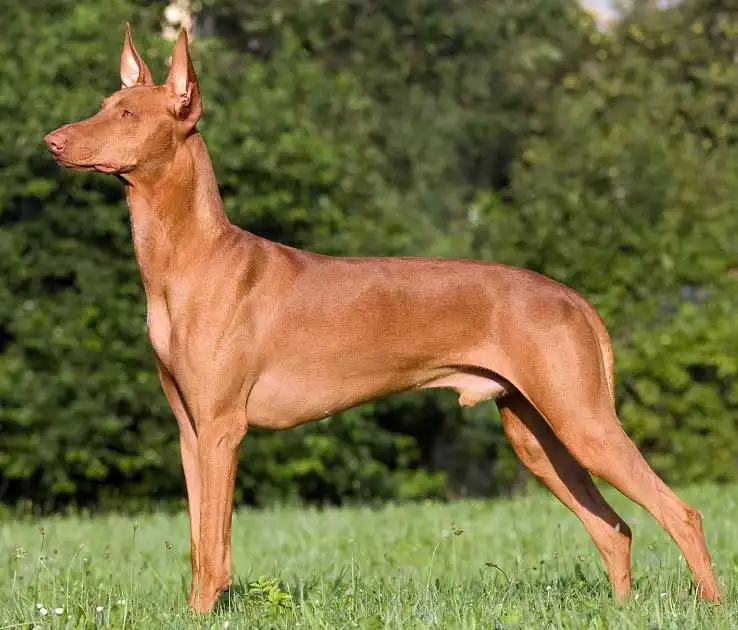
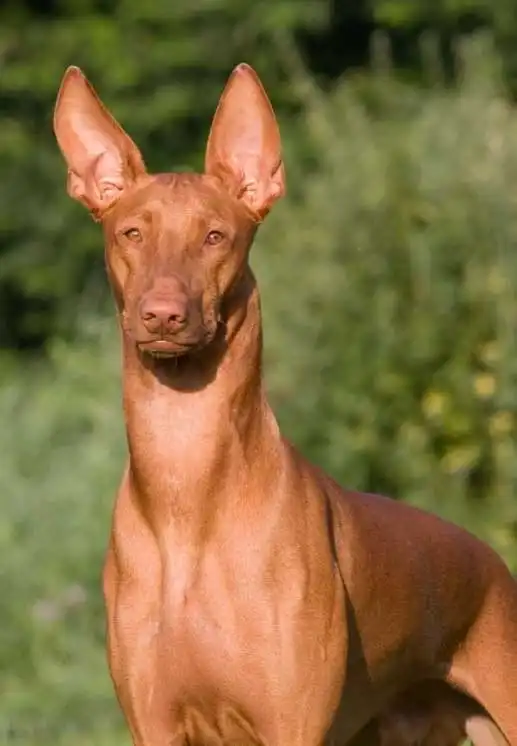
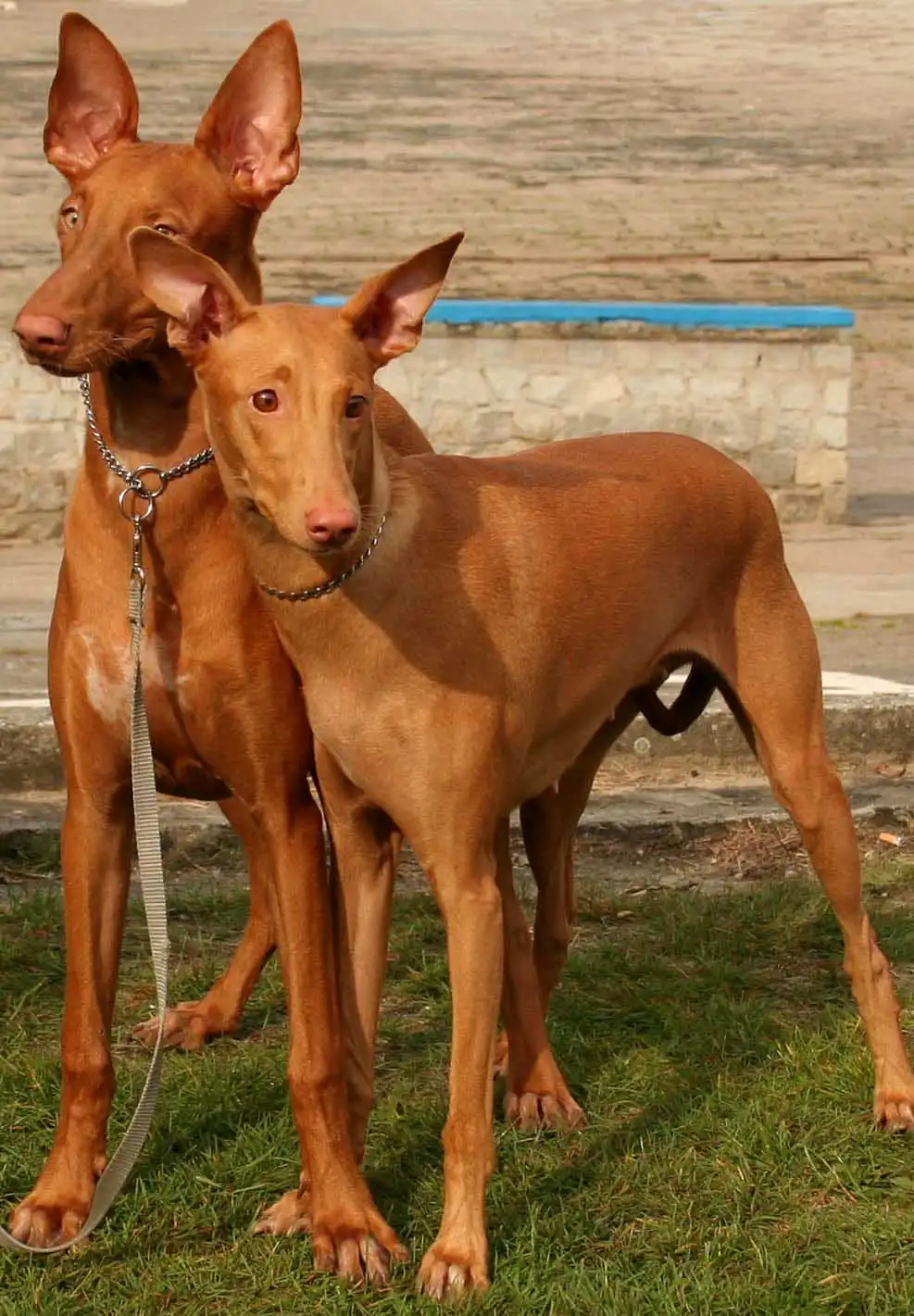
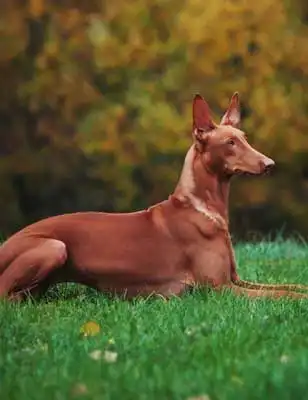
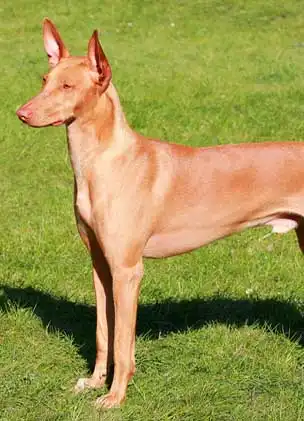
The Pharaoh Hound is a medium-sized dog known for its athletic build and muscular frame, which allows it to demonstrate impressive agility in various activities. This breed possesses a strikingly intelligent appearance. As a sighthound, it depends on its exceptional vision, acute sense of smell, and sharp hearing to effectively track small game. Its movements are both graceful and powerful, embodying a tenacious spirit during hunts. The ears are positioned at a medium height, perking up at the faintest sound of potential prey; they stand upright when the dog is alert and are broad at the base. The skull is slender and well-defined, while the flesh-toned nose complements the coat color beautifully. The neck is both slender and muscular, leading into long, sloping shoulders. The forelegs are straight and parallel, supporting sturdy feet with well-cushioned pads. The hindquarters are strong and muscular. The Pharaoh Hound features a short, shiny coat that is thin and available in various colors, including chestnut, red-golden, rich tan, and tan with white markings.
Care Routine
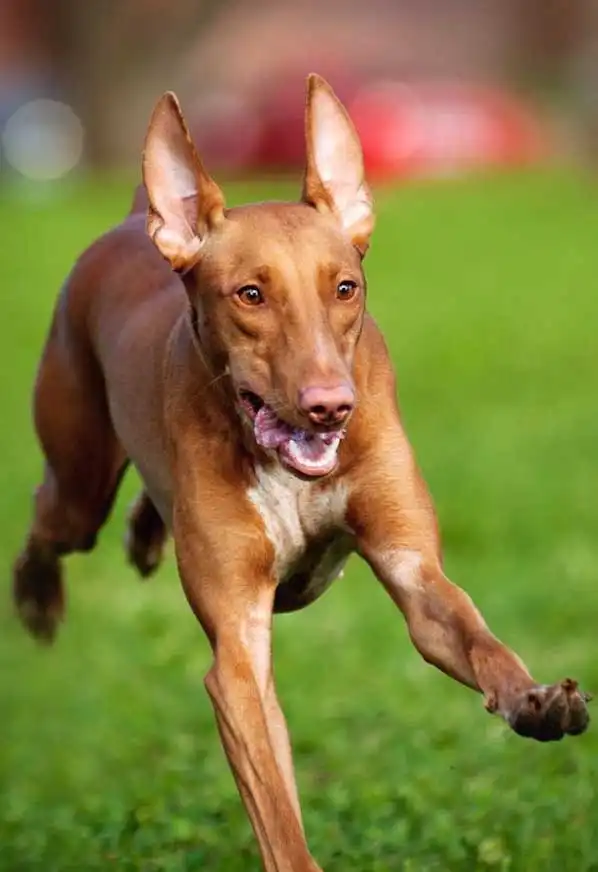
The Pharaoh Hound boasts a short, sleek coat that requires minimal maintenance. A weekly grooming session with a rubber curry brush is adequate to remove loose hair. Although this breed is not hypoallergenic, it does shed moderately. Baths should be given only when necessary to avoid excessive oil buildup on the skin. Regular nail trimming every two to three weeks is important to prevent overgrowth and breakage, and brushing the teeth weekly is recommended to maintain dental health. Interestingly, the Pharaoh Hound is known for being odorless. This breed is highly energetic and thrives on activities that involve running, chasing, and utilizing its sharp sense of smell. Engaging in vigorous play and taking long walks or jogs in the neighborhood will greatly benefit this spirited companion. Ideally, the Pharaoh Hound should reside in a home with plenty of outdoor space to explore. However, if it has free access to the yard, a tall fence is essential, as this breed can jump impressive heights and may wander off to explore or hunt if not securely contained. Due to its thin coat, the Pharaoh Hound is best suited for warmer climates. Its diet should meet the nutritional requirements of a high-energy dog to ensure optimal health and vitality.
Behavior & Temperament
The Pharaoh Hound is known for his unique and playful demeanor within the household. Without proper training, this breed can be prone to barking. He is highly intelligent and attuned to the emotional needs of his family. Renowned for his exceptional hunting skills, he is particularly adept at tracking scents. This breed thrives on an active lifestyle and enjoys engaging in play with children. As a loyal family pet, the Pharaoh Hound integrates seamlessly into family life. He is generally friendly and calm indoors, making him a suitable companion for families with kids. With early socialization and training, he can also coexist harmoniously with other dogs. However, due to his hunting instincts, he may have a tendency to chase smaller pets, such as hamsters, so supervision around them is essential. Although the Pharaoh Hound may initially be shy when encountering new people, he typically becomes more comfortable with time and patience. He is trainable, especially when approached with consistency and commitment, though he might occasionally lose interest and seek out other activities if he feels he has received enough instruction.
Play & Exercise
Things to Know
Cups Per Day
2.5 Cups
Daily Activity
30 Minutes
Average Lifespan
13 Years
Origin
3000 BC
Type
Pure Breeds
Size
Medium
Origin Country
Malta
Brush Frequency
Weekly
Coat Texture
Straight
Register
Your kids have been begging for a pet forever, and you've recently decided that it's time for your family to get a new addition -- a dog! While everyone is excited for the new arrival, you're wondering if you need to have a dog license. How much does it cost? Is it required? Where do you get one?
Member Clubs

PETINNATE
Sighthound and Pariah Dog

AKC
Hound Group

UKC
Sighthound and Pariah Dog
Height & Weight
Weight
50 lbs (23 kg)Male: 50 lbs (23 kg) , Female: 50 lbs (23 kg)
Height
23 inches (58 sm)Male: 24 inches (61 sm) , Female: 23 inches (58 sm)
6 Months
15 lbs ( m 15 lbs, f 15 lbs )
8 inches ( m 8 inches, f 8 inches )
12 Months
27 lbs ( m 27 lbs, f 27 lbs )
13 inches ( m 13 inches, f 13 inches )
18 Months
45 lbs ( m 45 lbs, f 45 lbs )
19 inches ( m 19 inches, f 19 inches )
Eye Colors
Amber

Nose Colors
Isabella
Coat Colors
Red
Fawn