Flandoodle
Bouvipoo, Bouvidoodle, Bouvierpoo, Bouvierdoodle, Flanpoo, and Poovier
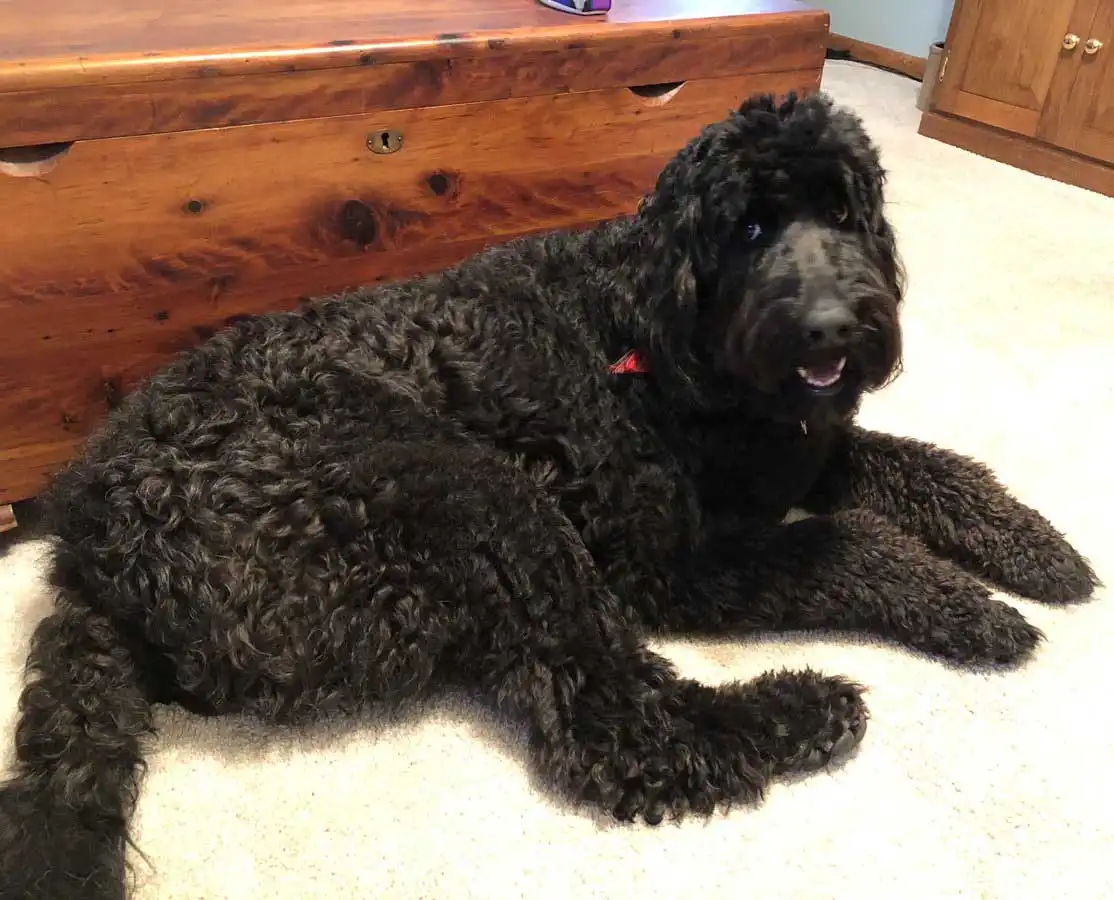
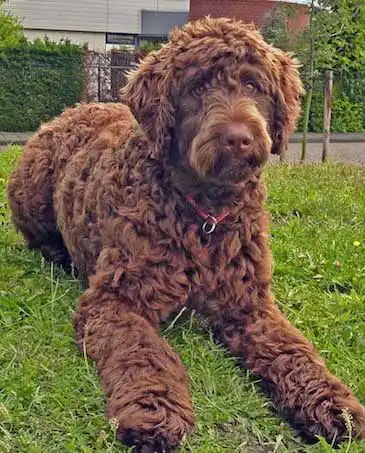
The Flandoodle is a large designer dog breed that emerges from the combination of the Bouvier des Flandres and the Standard Poodle. These dogs are well-regarded as family pets, but they also excel as watchdogs thanks to their loyal, protective, and alert disposition. Typically, Flandoodles weigh about 70 pounds and stand around 25 inches tall. Their coats are medium to long, thick, and curly, coming in a range of colors. Common hues include brown, black, white, gray, tan, red, and blue. While they usually interact well with other animals and children when socialized early, it’s wise to supervise them around young children, particularly those under five years old.
Breed Origin
The Bouvier des Flandres has its origins in Belgium, dating back to the 1600s, where it was primarily used for herding cattle and as a draft animal. There is some debate about the breed's lineage; some believe it is a mix of Spaniels, Sheepdogs, and Mastiffs, while others contend it is derived from the Griffon and Beauceron. In its formative years, the breed was appreciated for its practical utility, which resulted in a wide range of physical appearances. Initially, it was known by various names, such as Toucheur de Boeuf (cattle dog), Koehond (cow dog), and Vuilbaard (dirty beard). The term Bouvier, which means cowherd or oxherd, is the name it carries today. A veterinarian named Adolphe Reul significantly contributed to the breed's popularity, even though a formal breed standard was not established until 1912. The breed's numbers dwindled dramatically due to the impacts of World War I, but a key figure, Nic de Sottegem, reignited interest by showcasing the breed at the Antwerp Olympics in 1920. The American Kennel Club recognized the Bouvier des Flandres in 1931, and it has since become the 83rd most popular breed in the United States. The Poodle, one of the oldest dog breeds still recognized today, has a history that stretches back to ancient times, initially emerging in Germany before being refined in France. It is thought to be a mix of various water dog breeds from countries such as France, Russia, Germany, Portugal, Spain, and Hungary, with some accounts also mentioning the North African Barbet. Additionally, there are suggestions that Asian herding dogs and other wild breeds of the time contributed to its development. The smaller varieties of Poodles began to appear in the 1400s through selective breeding of diminutive individuals. Originally, Poodles were mainly employed for hunting ducks and truffles, but they later gained popularity as circus performers and show dogs. The American Kennel Club officially recognized the breed in 1887, and today, Poodles hold the position of the 7th most popular dog breed in the United States.
Breed Appearance
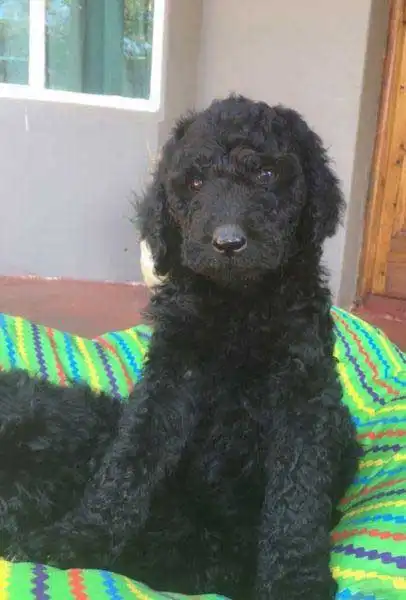
The Flandoodle is a large breed, typically standing between 22 and 28 inches tall and weighing between 55 and 85 pounds. This breed is known for its dense, curly coat, which usually ranges from medium to long in length. Although no dog is entirely hypoallergenic, the Flandoodle is among those that are less likely to provoke allergic reactions. Their coat can be found in a wide array of colors, such as brown, black, white, gray, tan, red, and blue. Flandoodles may have either a slender or robust physique, featuring strong, elongated legs, a distinctively shaped head, and a fluffy face with a beard. They also commonly have a docked tail and soft, droopy ears.

Care Routine
To ensure your Flandoodle's coat remains tangle-free and mat-free, it's important to brush her daily. If her fur is especially curly, you might want to arrange for professional grooming every few months to help keep it manageable. Although Flandoodles have minimal shedding, it's vital to bathe her with a mild shampoo and conditioner formulated for Poodles whenever she becomes dirty. Furthermore, make it a habit to clean her ears weekly, watching for any signs of redness or ear mites. Consistent dental care is also essential; try to brush her teeth several times a week with toothbrushes and toothpaste specifically designed for dogs.
Behavior & Temperament
Flandoodles are typically loving, loyal, and gentle companions, but it’s crucial to prioritize their socialization in their formative years. They flourish when involved in family activities and enjoy the company of other pets, though they may have a tendency to chase smaller animals like rabbits and guinea pigs. Close supervision is necessary around young children, especially those under five years old. While these dogs are intelligent and quick to learn, they can also show a stubborn side during training, making patience and positive reinforcement essential—physical punishment should be strictly avoided. Furthermore, Flandoodles can feel lonely if left alone for long stretches, so it’s important to provide them with stimulating activities when you’re away from home.


Play & Exercise
The Flandoodle is a lively breed that thrives on at least 60 to 90 minutes of vigorous physical activity each day. With a strong hunting instinct, they relish daily trips to the park where they can pursue squirrels and rabbits, particularly if you lack a secure yard for their playtime. Moreover, bringing your Flandoodle along for a jog or bike ride can be a fulfilling experience for both of you. This breed shines in various activities such as agility training, Frisbee, fetch, flyball, and swimming. Insufficient exercise can lead to behavioral problems in your Flandoodle, including excessive barking, destructive chewing, and digging.
Things to Know
Cups Per Day
3.0 Cups
Daily Activity
90 Minutes
Average Lifespan
11 Years
Origin
1990s
Type
Crossbreeds
Size
Large
Origin Country
United States
Brush Frequency
Daily
Coat Texture
Curly
Ancestors
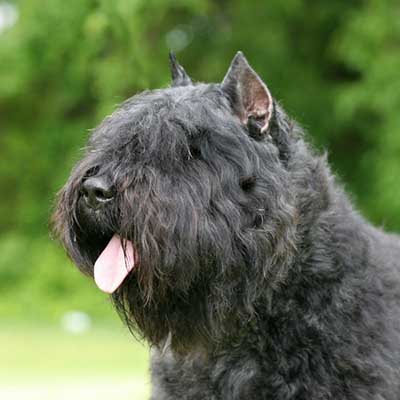
Bouvier des Flandres
The Bouvier des Flandres was initially developed as a hardworking dog, specifically designed for herding cattle and leveraging its strength on farms. Originating from Belgium and Northern France, these sturdy and intelligent dogs nearly faced extinction during World War I due to the destruction in their native regions. However, following the war, their population and popularity surged, leading them to become beloved family pets. Renowned for their loyalty, Bouviers thrive in various roles and require plenty of human interaction and physical exercise. Today, they can be found working as police, rescue, and guide dogs. Despite their energetic nature, Bouviers also appreciate relaxing with their dedicated families.
Read more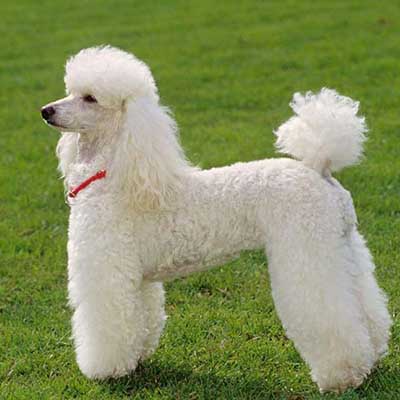
Poodle
Poodles, one of the most ancient dog breeds, are celebrated for their remarkable intelligence and ease of training, which makes them a popular choice among dog enthusiasts. They generally interact well with children and other pets, especially if they are socialized early on. Currently, Poodles are available in several sizes, including Toy, Miniature, and Standard. Each Poodle boasts a dense, curly coat that can range in texture from coarse to wiry and comes in nearly every color imaginable. Although they have charming personalities, they do require significant grooming and are susceptible to various serious health concerns. However, their loving and loyal disposition makes the extra care and attention well worth it!
Read moreRegister
Your kids have been begging for a pet forever, and you've recently decided that it's time for your family to get a new addition -- a dog! While everyone is excited for the new arrival, you're wondering if you need to have a dog license. How much does it cost? Is it required? Where do you get one?
Member Clubs

PETINNATE
Other
Height & Weight
Weight
70 lbs (32 kg)Male: 75 lbs (34 kg) , Female: 65 lbs (29 kg)
Height
25 inches (64 sm)Male: 26 inches (66 sm) , Female: 25 inches (64 sm)
Eye Colors
Hazel

Brown
Nose Colors
Black
Coat Colors
Brown
Black
White
Gray
Red
Blue