Dog Breeds by Sensitivity
Sensitivity refers to how a dog typically behaves or responds in everyday situations. Individual dogs may vary based on training, environment, and genetics.
Some dogs will let a stern reprimand roll off their backs, while others take even a dirty look to heart. Low-sensitivity dogs, also called "easygoing," "tolerant," "resilient," and even "thick-skinned," can better handle a noisy, chaotic household, a louder or more assertive owner, and an inconsistent or variable routine. Do you have young kids, throw lots of dinner parties, play in a garage band, or lead a hectic life? Go with a low-sensitivity dog.
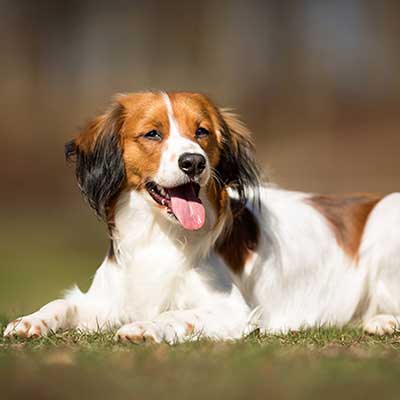
Kooikerhondje
The Kooikerhondje, pronounced COY-ker-HUND-che, is an energetic red and white dog that belongs to the Spaniel family. Renowned for its spirited personality, this breed loves to play and excels in various canine sports such as barn hunts, dock diving, lure coursing, and agility trials. What distinguishes the Kooikerhondje from other active breeds is its remarkable ability to tailor its energy levels to fit the lifestyle of its family. This dog develops strong connections with its owners and typically gets along well with children and cats. However, due to its strong prey drive, it’s crucial to supervise the Kooikerhondje around smaller animals like ferrets, hamsters, and birds. This versatile breed can adapt well to living in both a small apartment and a spacious farm.
Read more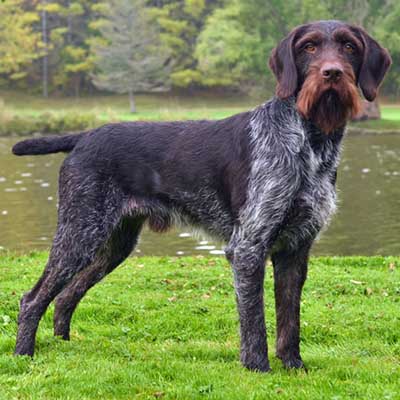
German Wirehaired Pointer
The German Wirehaired Pointer is a medium-sized breed celebrated for its sturdy build and well-defined musculature. Easily identifiable by its unique wiry coat, which offers protection against various weather elements, this dog also features a prominent beard and expressive eyebrows. Originating in 19th-century Germany, the breed was specifically developed for hunting, resulting in a high-energy dog that flourishes when engaged in tasks. To keep this breed content, it is essential to supervise interactions with children and other animals, along with providing structured training and regular physical activity to help manage its energy levels. This adaptable breed excels in hunting across a variety of terrains and is proficient in pointing both on land and in water.
Read more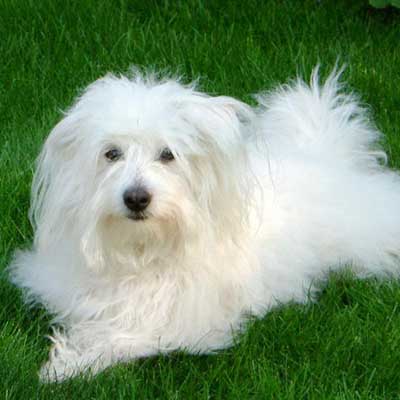
Coton De Tulear
Coton de Tulear dogs are renowned for their loving and playful demeanor, accentuated by their beautiful, fluffy white fur. Originating from Madagascar, these delightful little canines are related to breeds like the Bichon Frise, Maltese, and Havanese. They are deeply affectionate with their families and generally get along well with children and other animals. Coton de Tulears develop strong attachments to their owners and may experience anxiety when left alone for long periods. To alleviate their loneliness, having another pet can greatly improve their well-being when they are home alone. These small, clever dogs adapt effortlessly to different living situations, whether in an apartment or a large house, provided they receive plenty of love and exercise. Their lovely coats need regular grooming to avoid tangles, along with consistent nail trimming and dental care, similar to any other dog. Fortunately, Coton de Tulears are characterized by minimal shedding, drooling, and odor, making them a hypoallergenic option for many households.
Read more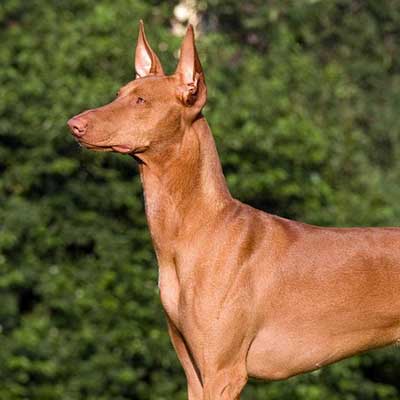
Pharaoh Hound
The Pharaoh Hound, recognized for its reserved yet spirited personality, has origins dating back to around 3000 B.C. While it has traditionally been thought to originate from Ancient Egypt, recent genetic research suggests that its true beginnings are in Malta. Ancient Egyptian hieroglyphics provide evidence of the Pharaoh Hound's long-standing presence, indicating that this breed has existed for millennia. With a strong and athletic physique, the Pharaoh Hound exhibits a graceful and elegant movement. Initially bred for hunting small game, it utilizes its sharp senses of sight, sound, and smell. This breed boasts an exotic and noble appearance, brimming with energy and a love for playful pursuits. The Pharaoh Hound shines in agility and lure coursing, demonstrating its remarkable athletic abilities. Grooming is simple due to its short, glossy coat, which only requires weekly brushing to manage shedding. For optimal well-being, the Pharaoh Hound thrives in an environment that meets its exercise needs.
Read more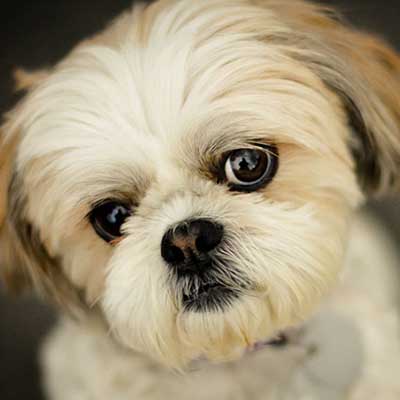
Shih Tzu
Shih Tzu dogs have played a significant role in Chinese culture since the Tang dynasty, where they were beloved companions of royalty and acted as attentive watchdogs, notifying their owners of any strangers. Primarily bred for companionship, these energetic and sociable dogs can flourish with sufficient exercise, even in smaller living environments. Although they require more grooming than many other breeds due to their long, luxurious double coat, they generally exhibit a friendly demeanor towards both people and other pets. It is crucial to handle them gently during interactions, particularly during their formative years, to avoid any rough treatment.
Read more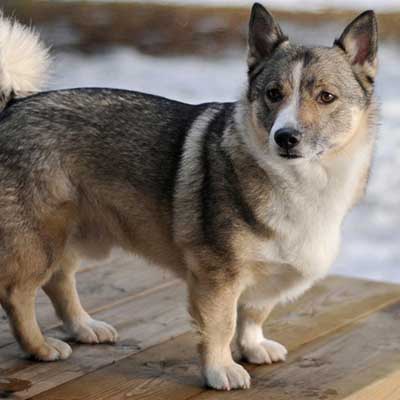
Swedish Vallhund
The Swedish Vallhund, a breed renowned for its powerful yet elegant movement, traces its origins back over 1,200 years to the Viking age in Sweden. This breed boasts a well-documented and rich history. With its distinctive sable coat and sturdy, muscular physique, the Vallhund is an active herding dog that shares similarities with the Corgi. Like its counterpart, it has an innate tendency to nip at the heels of livestock, which helps prevent head injuries. Traditionally, this breed was adept at tracking and hunting small game, making it a popular choice among workers. Beyond its impressive working skills, the Vallhund is also celebrated for its affectionate nature, manageable size, and low-maintenance coat. While it continues to be an effective herder, its playful and gentle personality makes it an excellent family pet. This breed has high energy levels and thrives on energetic play and regular exercise. Its herding instincts also lend it a watchful disposition, often leading it to bark as a precaution against potential intruders. Maintaining a Swedish Vallhund's coat is simple; regular brushing reduces shedding and removes loose hair.
Read more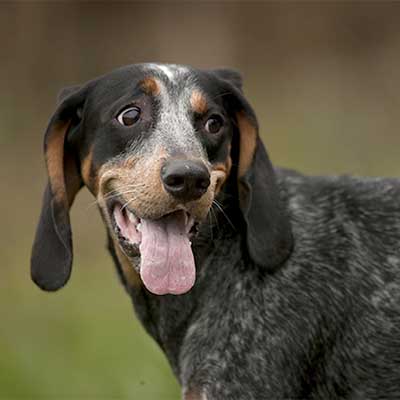
Bluetick Coonhound
The Bluetick Coonhound is a loyal and intelligent breed, renowned for its strong attachment to family members. While they can adapt to living indoors, it is crucial for their health to engage in regular physical activity. Ideally, they should have access to a securely fenced yard, as they are prone to wandering off in search of interesting scents. These dogs typically get along well with children, but they may be better suited for families with older kids due to their energetic and sometimes boisterous play style. When socialized properly from an early age, Bluetick Coonhounds exhibit a friendly and outgoing demeanor. In terms of their physical characteristics, they are both impressive and athletic, featuring a muscular yet streamlined physique that avoids any awkwardness. As skilled nocturnal hunters, they have keen eyesight and a strong dedication to tracking. However, they can be challenging for owners who are not committed to training; a lack of exercise may result in anxiety and destructive behaviors. This breed flourishes in spacious environments, such as large yards. It’s important to remember that, despite their friendly disposition towards people, they should not be trusted around cats or other small animals due to their inherent hunting instincts. Once fully trained, Bluetick Coonhounds are obedient and attentive to their owners.
Read more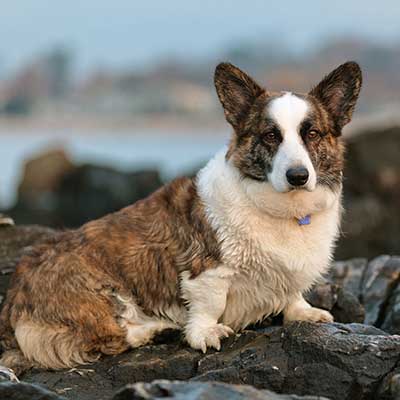
Cardigan Welsh Corgi
These delightful dogs are full of vitality and smarts, always ready to share their love. The Cardigan Welsh Corgi is related to the Dachshund, which likely explains their unique combination of long and short body features. Originally, they had floppy ears, but through selective breeding, they now typically have the upright ears that define the breed. While their initial purpose was to herd cattle, they have also become wonderful companions. With a vibrant personality packed into a compact size, the Cardigan is a playful and engaging pet. He thrives on interaction with his family and radiates happiness, making him a fantastic choice for homes with children. Originating from Wales, the Cardigan Welsh Corgi is endearingly known as the “yard-long dog” and was historically used for herding cattle, safeguarding farms, and controlling pests. Although he may occasionally exhibit herding behaviors, the Cardigan is now primarily recognized in dog shows and cherished as a family pet.
Read more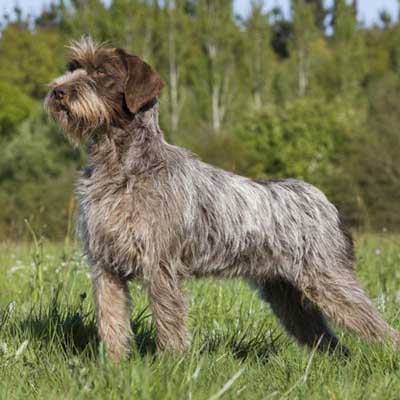
Wirehaired Pointing Griffon
The Wirehaired Pointing Griffon is a remarkable hunting dog that originated in France during the mid to late 19th century. This breed was meticulously developed by Mr. E.K. Korthals, a Dutchman who sought to create the ideal gun dog through the careful crossbreeding of various breeds, such as Setters, Retrievers, and Pointers. True to this vision, the Wirehaired Pointing Griffon demonstrates exceptional intelligence and a keen ability to follow commands accurately, excelling in both pointing and retrieving activities. Generally, this breed enjoys good health, with few common health issues. They typically have a steel gray coat, although some individuals may display white fur with brown or orange markings. A defining feature of this breed is its unique facial characteristics, which include prominent eyebrows, a moustache, and a beard.
Read more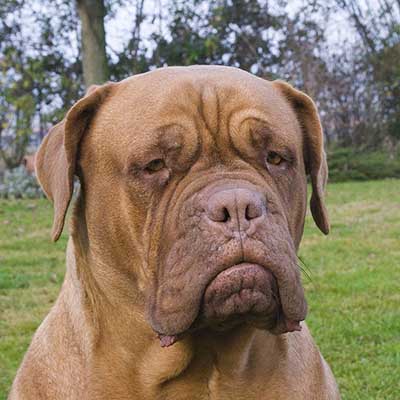
Dogue De Bordeaux
The Dogue de Bordeaux, commonly referred to as the French Mastiff, is a sizable breed with a lineage that remains somewhat ambiguous. Typically, these dogs stand around two feet tall at the shoulder and can weigh more than 99 pounds, distinguished by their prominent heads and short snouts. Unfortunately, they are susceptible to a range of health problems, including heart disease, various cancers, and hip and elbow dysplasia, which contribute to a relatively brief lifespan of five to eight years, though some may live longer. A notable case is Beasley, a nine-year-old Dogue de Bordeaux who appeared alongside Tom Hanks in the 1989 film "Turner and Hooch" and lived for three years beyond the film's release. If not properly socialized, these dogs can display stubborn and strong-willed tendencies, reminiscent of Hooch's character in the movie. However, with the right care and attention, they can develop into loyal, tolerant, and affectionate family companions.
Read more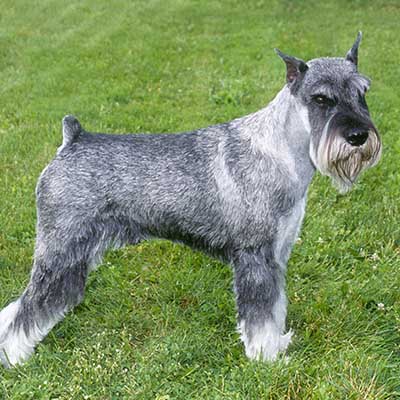
Standard Schnauzer
The Standard Schnauzer serves as the ancestral breed from which all modern Schnauzers have evolved, tracing its roots back to Germany in the Middle Ages. Originally, this breed was bred for practical purposes, including catching rats, controlling pests, and providing protection. Throughout much of their existence, Schnauzers were primarily seen as working dogs on farms, taking on various functional roles. However, in the 19th century, they began to capture the interest of German dog lovers. This period also saw the emergence of the Miniature and Giant Schnauzers as variations of the Standard Schnauzer. The breed first appeared in dog shows in Germany in 1879 and gained official recognition from the American Kennel Club in 1904.
Read more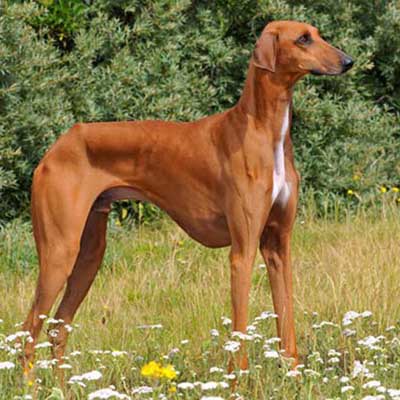
Azawakh
Originating from the West African regions of Burkina Faso, Mali, and Niger, the Azawakh, often called the Tuareg Sloughi, is a sighthound that was originally developed by the Tuareg people for hunting various game, including hares, antelopes, and wild boars. Renowned for its elegance and stature, the Azawakh is not only a cherished companion but also exhibits strong loyalty and protective instincts towards its owners. This breed comes in a range of color patterns, such as red, sandy, fawn, parti-color, blue, black, and brown. While it thrives in environments without young children, the Azawakh is particularly adept at serving as a guardian. Its unique head is characterized by a black mask, accented with white markings on its legs, chest, and the tip of its tail.
Read more