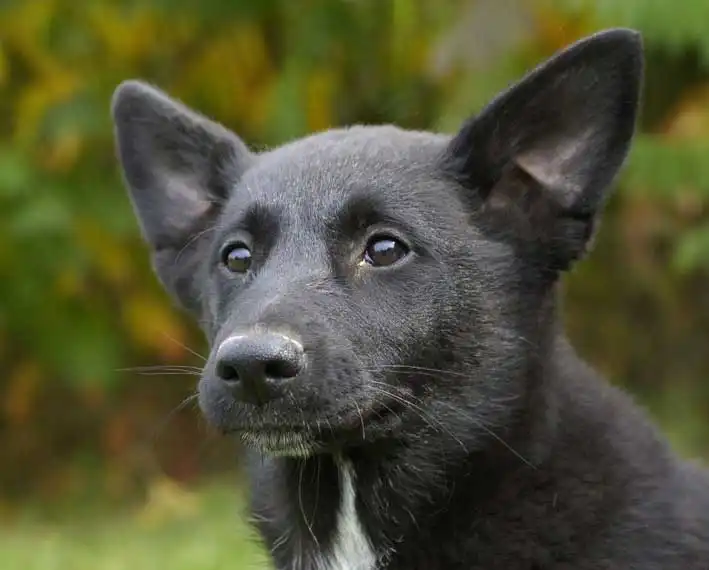
Canaan Dog
kalef K'naani
The Canaan dog is a medium-sized breed that has evolved over centuries, overcoming various challenges throughout its history. Many enthusiasts believe this breed traces its origins back to biblical times in the Canaan region, where it was known as kalef K’naani, translating to "dog of Canaan." Typically, females weigh about 45 pounds, while males can reach up to 55 pounds. Traditionally, Canaan dogs have fulfilled multiple roles, such as sentinels, messengers, and assistance animals. They are recognized for their alertness, vigilance, and territorial instincts, exhibiting a gentle nature with their families while being more reserved around unfamiliar faces. These dogs are highly active, intelligent, and responsive, thriving in environments that provide ample physical and mental challenges. Overall, the breed is robust and requires very little grooming.

Breed Origin
The Canaan dog is thought to have its roots in biblical times within the region of Canaan, where it was known as kalef K’naani. Artworks resembling this breed have been found in the tombs of Beni-Hasan, dating back to approximately 2200 BC. During this era, the Israelites employed these dogs for protecting their encampments and herding their animals. However, when the Romans invaded nearly 2,000 years ago, the Israelites were compelled to leave their homeland, leaving these dogs to survive on their own in areas like the Sebulon coastal plain and the Negev desert, which naturally supported local wildlife. It is believed that Bedouins captured the wild puppies of this breed, raising them as guard and herding dogs. In the 1930s, as traditional European service dogs struggled to adapt to the harsh conditions faced by the Israeli Defense Force, Dr. Rudolphina Menzel began capturing feral dogs native to the region, launching a breeding and training initiative. Her efforts significantly improved the breed, enhancing its ability to protect isolated Jewish communities and increasing the number of war dogs available during the War of Independence. The Canaan dog proved to be highly effective in various roles, including mine detection, sentry work, and as messenger dogs. They also aided the Red Cross in locating injured soldiers during World War II. After the war, many Canaan dogs transitioned to serving as guide dogs for the visually impaired. The first Canaan dog made its way to the United States in 1965, and over time, the breed gained recognition, officially becoming part of the American Kennel Club's herding group in 1997.
Breed Appearance
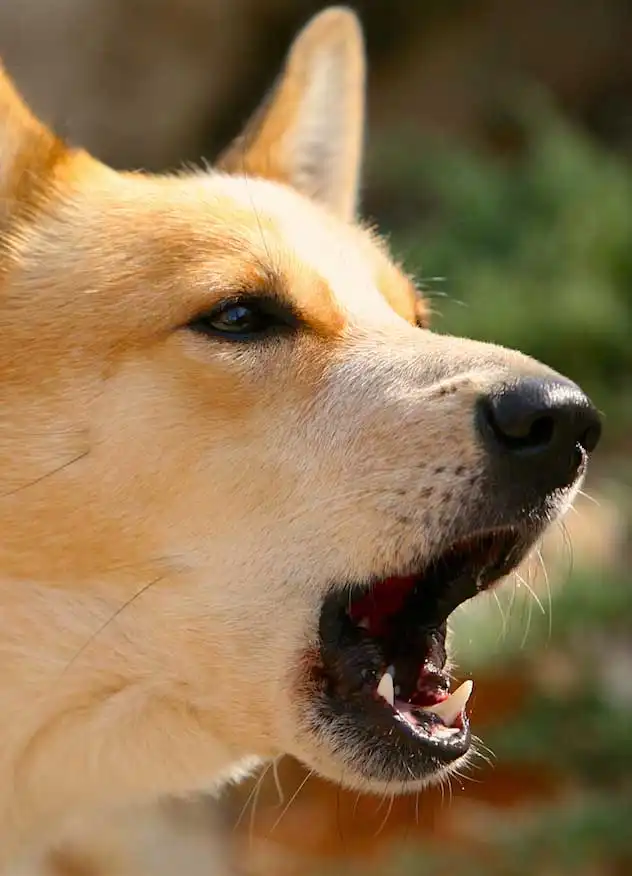
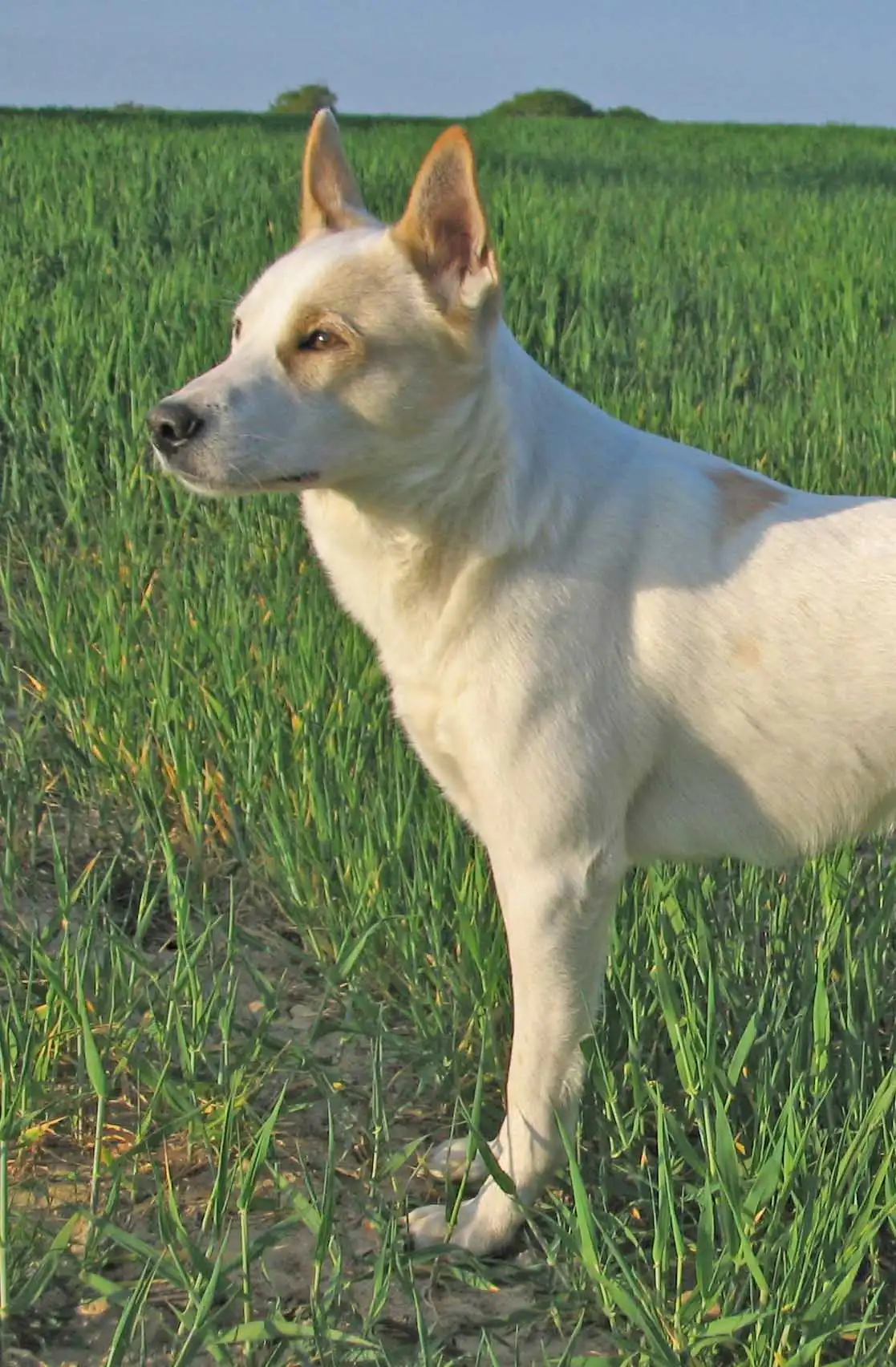
Weighing up to 55 pounds, the Canaan dog is recognized as a medium-sized breed with a compact, square physique. This breed is distinguished by its straight front legs, which end in cat-like paws equipped with durable pads and strong nails. Its hind legs boast well-defined, muscular thighs. The head of the Canaan dog is elongated and wedge-shaped, featuring almond-shaped, slightly slanted dark eyes that come in various hazel shades. The ears are broad at the base and taper to a rounded tip, varying in size from medium to large, and they tilt slightly forward when the dog is excited. The muzzle is tapered and is paired with a dark nose, while the teeth align in a scissors bite. The tail is typically bushy and carried high. Coat colors can range from solid shades such as black, tan, brown, sandy, red, liver, and white, to combinations like liver and white, brown and white, or black and white, often accented by a mask that matches the color of the patches.

Care Routine
The Canaan dog is considered a breed that requires minimal grooming. It's recommended to brush their coat weekly to remove loose hair, and during heavy shedding seasons, more frequent brushing is advantageous. Bathing should be done as necessary. Regular nail trimming and occasional ear cleaning are also advisable. Due to their natural denning instinct, Canaan dogs are generally easy to house train. They need daily mental and physical engagement, as they can easily become bored if not sufficiently active. These dogs enjoy activities like jogging, herding, playing games, and participating in training sessions. While they can comfortably live outdoors in various climates, they prefer being indoors with their family. Ideally, they should have access to a moderately sized, fenced yard for play, but with adequate outdoor exercise, they can also adapt well to apartment living.
Behavior & Temperament
The Canaan dog is celebrated for its intelligence and loyalty. While it may be somewhat reserved around strangers, this breed instinctively assumes the role of a family protector, often developing a deep connection with a particular person. Typically, Canaan dogs coexist harmoniously with other pets and dogs in the home, though they might show aggression towards unfamiliar canines. A notable characteristic of this breed is their tendency to bark frequently. To foster a well-rounded temperament, it is recommended to socialize Canaan dogs with children from an early age. They thrive on training that is positive and motivating, but may become disinterested if the sessions turn repetitive. Daily mental and physical stimulation is essential for this breed, as they can become restless without adequate engagement. Canaan dogs particularly enjoy activities such as jogging, hiking, herding, interactive games, and various training exercises.

Play & Exercise
Things to Know
Cups Per Day
2.5 Cups
Daily Activity
45 Minutes
Average Lifespan
14 Years
Origin
ancient times
Type
Pure Breeds
Size
Medium
Origin Country
Israel
Brush Frequency
Weekly
Coat Texture
Straight
Register
Your kids have been begging for a pet forever, and you've recently decided that it's time for your family to get a new addition -- a dog! While everyone is excited for the new arrival, you're wondering if you need to have a dog license. How much does it cost? Is it required? Where do you get one?
Member Clubs

PETINNATE
Sighthound and Pariah Dog

AKC
Herding Group

UKC
Sighthound and Pariah Dog
Height & Weight
Weight
45 lbs (20 kg)Male: 50 lbs (23 kg) , Female: 40 lbs (18 kg)
Height
22 inches (56 sm)Male: 22 inches (56 sm) , Female: 21 inches (53 sm)
6 Months
20 lbs ( m 20 lbs, f 20 lbs )
15 inches ( m 15 inches, f 15 inches )
12 Months
35 lbs ( m 35 lbs, f 35 lbs )
19 inches ( m 19 inches, f 19 inches )
18 Months
40 lbs ( m 40 lbs, f 40 lbs )
21 inches ( m 21 inches, f 21 inches )
Eye Colors
Hazel

Nose Colors
Black
Coat Colors
Black

Brown

Red

Pied

White

Characteristics
Mixes
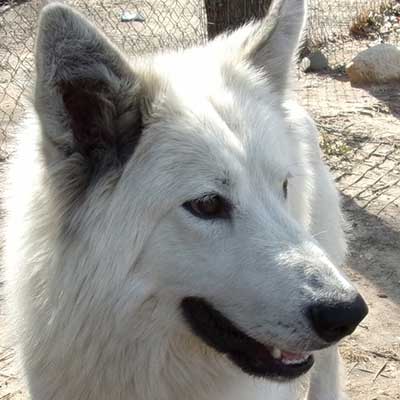
Sibercaan
The Sibercaan is a hybrid dog breed, though there is some disagreement about its parentage. All breed registries acknowledge that one of its progenitors is the Canaan dog, which has been domesticated since approximately 2200 to 2000 BC. This breed made its way back to the Negev Desert around 2000 years ago after the Romans displaced the Israelites. However, opinions vary regarding the second parent breed. The American Canine Hybrid Club and the International Designer Canine Registry recognize the Siberian Husky as the other parent, while the Designer Breed Registry asserts that it is the Native American Indian Dog. This latter breed is noted for its intelligence and energetic nature, making it highly trainable when the right techniques are employed. Conversely, if subjected to harsh or repetitive training, it may become stubborn and manipulative. Overall, the Sibercaan is a loyal and devoted companion, making it a good fit for families with members of all ages, although it may be cautious around strangers. This hybrid does not do well in confined spaces and requires plenty of daily exercise and attention, rendering it unsuitable for small living conditions.
Read more