Appenzeller
Appenzeller Sennenhund, Appenzell Cattle Dog
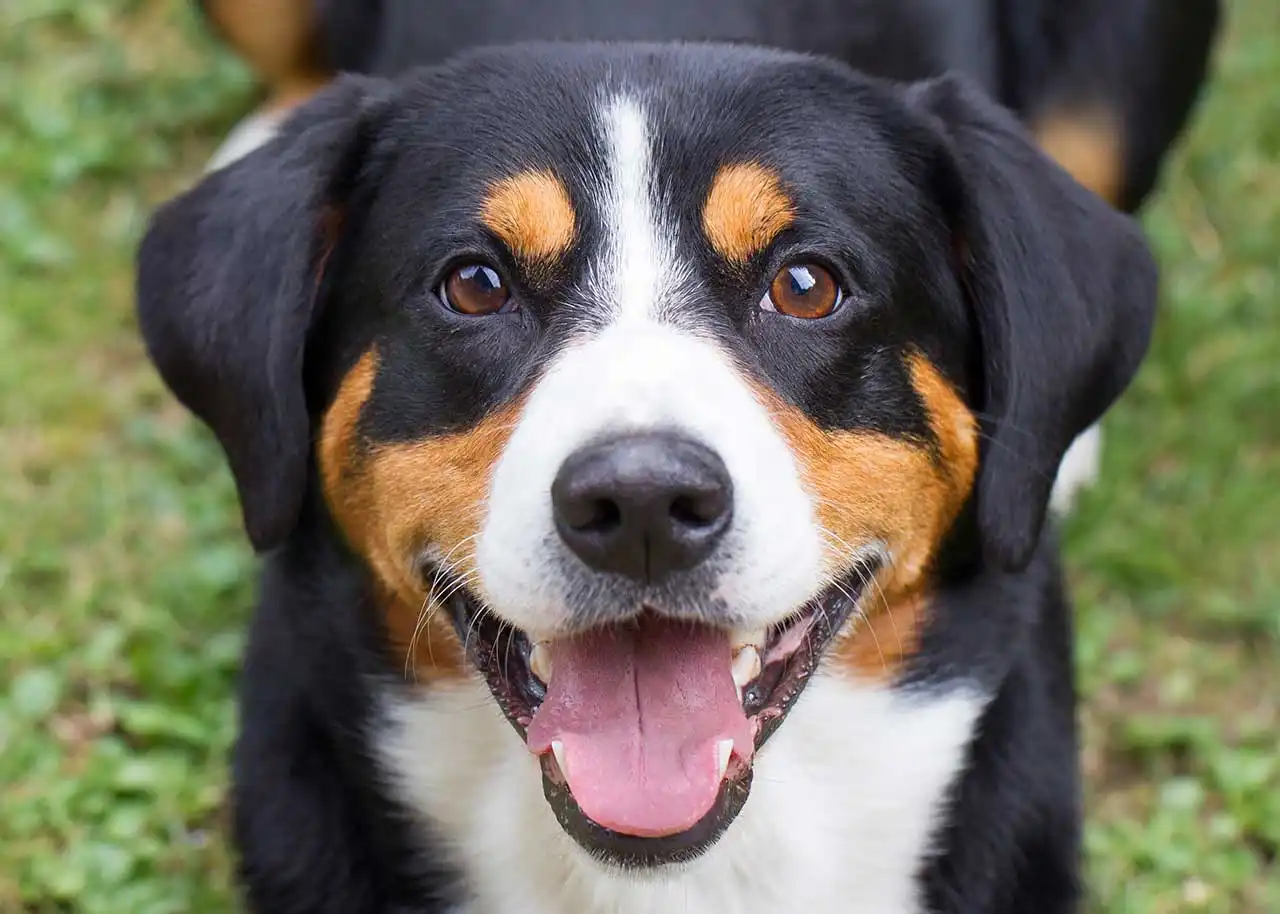
The Appenzeller Mountain Dog is a sturdy and adaptable breed, although its precise origins are not entirely known. This breed excels in various roles, such as guarding farms, herding livestock, and pulling carts. Despite their strong and muscular physique, they do not fall into the giant breed category. Their dark, expressive eyes enhance the appeal of their short, double coat. Originating from Switzerland, Appenzellers usually sport a black or brown coat with unique symmetrical markings in white and rust. In general, the Appenzeller Mountain Dog is a hardy breed, typically not prone to specific health problems linked to its ancestry.
Breed Origin
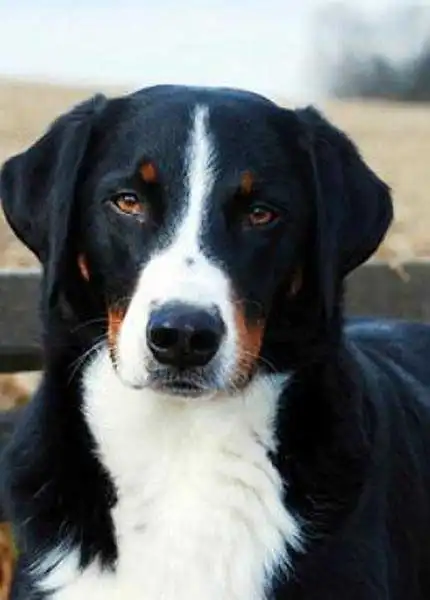
The Appenzeller Mountain Dog's origins are a subject of lively debate, with two primary theories emerging. One theory claims that this breed dates back to the Bronze Age, establishing it as a native breed of Switzerland. The alternative theory suggests that the Appenzeller Mountain Dog is a descendant of the Molossus breed, which the Romans brought to Switzerland. Historically, these dogs have played a vital role as herders, assisting in the transportation of goods from farms in the Swiss valleys to local merchants. Among the four recognized Swiss Sennenhund breeds, the Appenzeller Mountain Dog is the least common. Renowned for their high energy levels, these dogs excel when given specific tasks. The breed was first mentioned in the 1853 work “Tierleben der Alpenwelt.” In 1895, Max Siber began collaborating with the Schweizerische Kynologische Gesellschaft (SKG), or Swiss Cynological Society, to define and promote the breed's characteristics. By 1898, the Appenzeller Mountain Dog made its first appearance at an international dog show, marking the start of efforts to breed pure specimens. These dogs are celebrated for their loyalty and friendly nature, though they can be somewhat reserved around unfamiliar faces, taking their time to evaluate new individuals before engaging. While they are generally not aggressive, Appenzeller Mountain Dogs may exhibit protective instincts if they perceive a threat to their livestock or property.
Breed Appearance
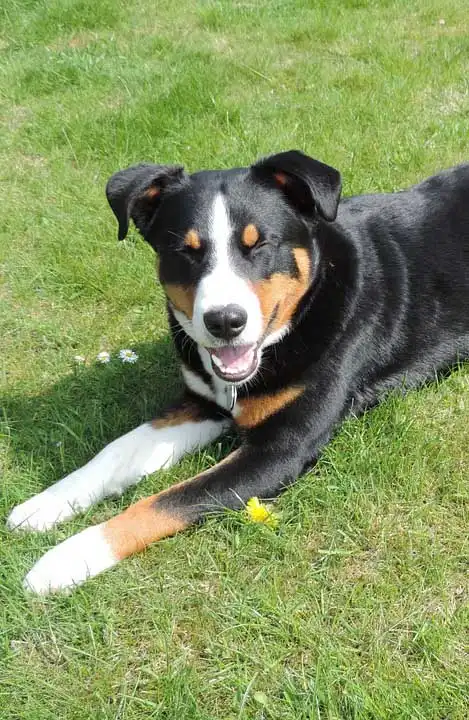
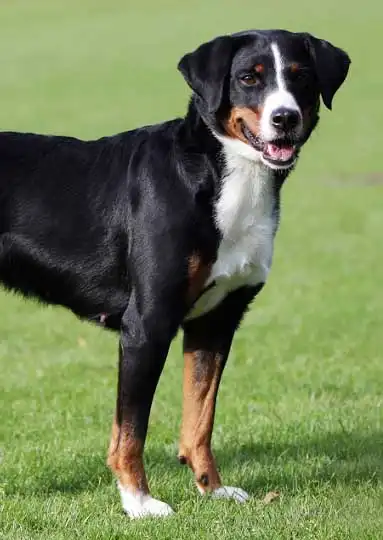
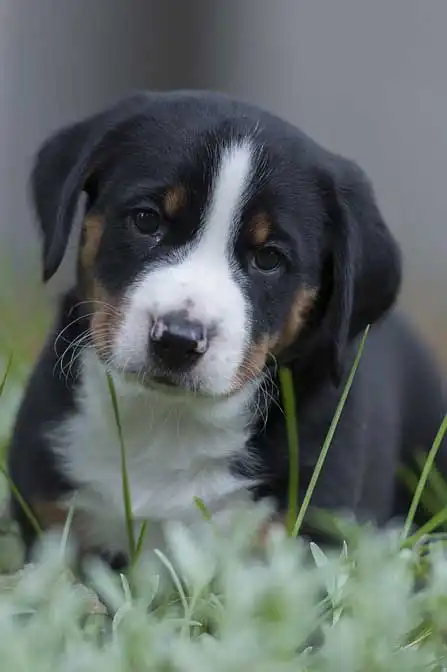
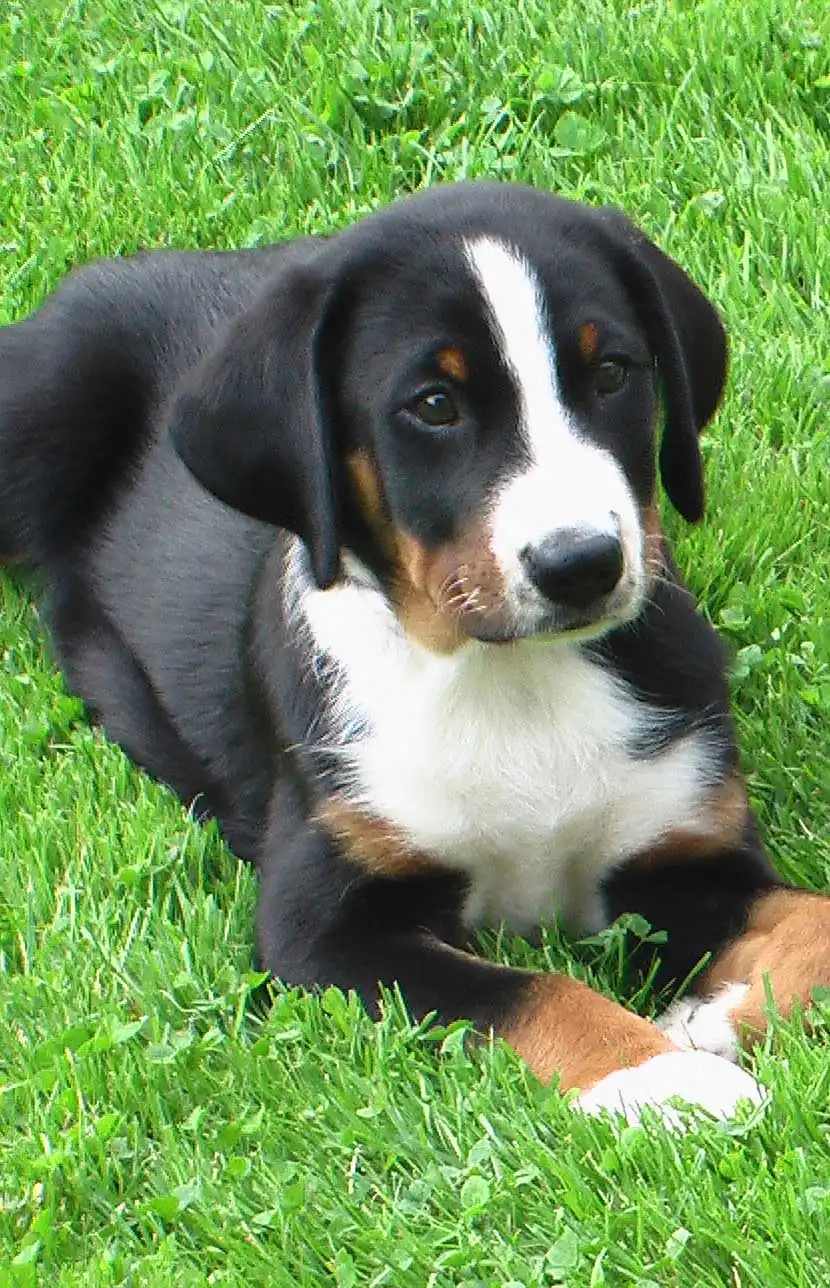
The Appenzeller Mountain Dog stands out with its distinctive look, typically showcasing a coat that is either black or brown, embellished with striking symmetrical patterns. Key to its appearance are the white and rust highlights, with the rust color situated between the white and the darker tones. This breed features a double coat, consisting of a dense, shiny top layer and a substantial undercoat that can be black, brown, or grey. Notably, the undercoat should remain hidden beneath the outer layer. The fur is straight, lacking curls or waves, although a slight wave may occasionally be seen along the back and withers, which is generally not desirable. As a medium-sized breed, the Appenzeller Mountain Dog has a sturdy build. Its ears are small and triangular, hanging down to frame the face, while its alert, small eyes and curled tail add to its charm. This compact structure allows the dog to move efficiently through herds, aiding in their management across the farm.
Care Routine
The Appenzeller Mountain Dog, despite having a relatively short coat, possesses a double-layered fur that results in seasonal shedding. To manage this, regular grooming is crucial; during non-shedding times, brushing once a week is sufficient, while daily grooming is necessary when shedding occurs. Although these dogs typically do not drool excessively, they are not considered hypoallergenic. Their floppy ears make them more prone to ear infections, so it’s important to clean their ears regularly to keep them dry and healthy. Nail trimming should be performed every two to three weeks, and monthly baths are recommended, particularly when they are actively working with livestock on the farm. This breed requires plenty of exercise and is not well-suited for urban or suburban living. They thrive in outdoor environments and excel in herding tasks. Without adequate physical activity, Appenzeller Mountain Dogs may develop habits of excessive barking and can become destructive.
Behavior & Temperament
The Appenzeller Mountain Dog is renowned for its strong bond with family members and generally gets along well with livestock, other dogs, and household pets, as long as they receive proper socialization during their early developmental stages. Consistent training is vital for helping the Appenzeller understand its role within the family or farm environment. Recognizing their place in the family hierarchy is crucial to avoid any challenges to their authority. These dogs are exceptionally intelligent and quick to learn, making it relatively easy to teach them specific tasks, and they flourish in outdoor settings. For adult Appenzeller Mountain Dogs that have not been adequately socialized or trained, it is important to introduce them gradually to other animals. If they are new to a household, they may feel the need to establish dominance within the group. Without enough physical activity, these dogs can become destructive and may bark excessively. Many Appenzeller Mountain Dogs in shelters or rescue organizations come from situations where they did not have enough space for exercise or proper training.
Play & Exercise
Things to Know
Cups Per Day
3.5 Cups
Daily Activity
60 Minutes
Average Lifespan
13 Years
Origin
unknown
Type
Pure Breeds
Size
Large
Origin Country
Switzerland
Brush Frequency
Weekly
Coat Texture
Straight
Register
Your kids have been begging for a pet forever, and you've recently decided that it's time for your family to get a new addition -- a dog! While everyone is excited for the new arrival, you're wondering if you need to have a dog license. How much does it cost? Is it required? Where do you get one?
Member Clubs

PETINNATE
Guardian Dog

AKC
Foundation Stock Service

UKC
Guardian Dog
Height & Weight
Weight
60 lbs (27 kg)Male: 60 lbs (27 kg) , Female: 60 lbs (27 kg)
Height
21 inches (53 sm)Male: 21 inches (53 sm) , Female: 21 inches (53 sm)
6 Months
29 lbs ( m 29 lbs, f 29 lbs )
14 inches ( m 14 inches, f 14 inches )
12 Months
38 lbs ( m 38 lbs, f 38 lbs )
20 inches ( m 20 inches, f 20 inches )
18 Months
59 lbs ( m 59 lbs, f 59 lbs )
20 inches ( m 20 inches, f 20 inches )
Eye Colors
Brown

Nose Colors
Black
Coat Colors
Black
White