Dog Breeds by Sensitivity
Sensitivity refers to how a dog typically behaves or responds in everyday situations. Individual dogs may vary based on training, environment, and genetics.
Some dogs will let a stern reprimand roll off their backs, while others take even a dirty look to heart. Low-sensitivity dogs, also called "easygoing," "tolerant," "resilient," and even "thick-skinned," can better handle a noisy, chaotic household, a louder or more assertive owner, and an inconsistent or variable routine. Do you have young kids, throw lots of dinner parties, play in a garage band, or lead a hectic life? Go with a low-sensitivity dog.
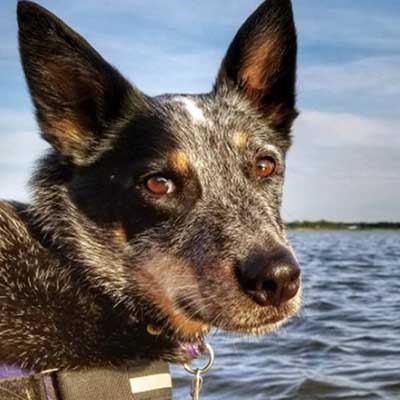
Australian Cattle Dog
The Australian Cattle Dog emerged in the early 1800s, a time when extensive areas of land in Australia became suitable for cattle ranching. The herding breeds available at the time were not equipped to handle the specific challenges associated with Australian cattle, which prompted the creation of a strong, intelligent, and highly active herding dog. Although it is relatively small, the Australian Cattle Dog demonstrates exceptional bravery in herding and is well-suited to the rugged terrain of the country. This medium-sized breed is characterized by its high energy and loyalty, making it a wonderful family companion, as long as its exercise requirements are met and it has activities to keep it stimulated.
Read more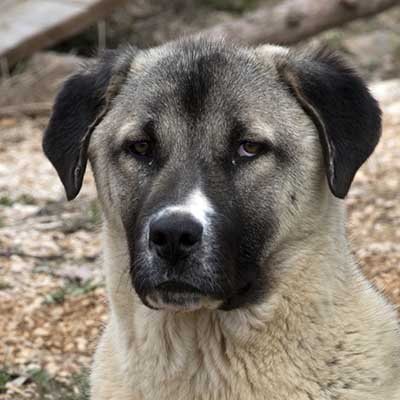
Anatolian Shepherd
The Anatolian Shepherd Dog serves primarily as a guardian for livestock rather than a herding breed, specifically created to shield animals from predators. This breed hails from Turkey, with its lineage believed to date back to approximately 2000 BC. Historical evidence of these dogs is depicted in ancient bas-reliefs located in the Assyrian Rooms of the British Museum in London. Furthermore, the Anatolian Shepherd is thought to be alluded to in the Bible, particularly in the Book of Job, which discusses these dogs in the context of flocks and is set in the Turkish region. Although they can display affection, Anatolian Shepherds are generally not ideal as family pets, especially in homes with young children. Their independent and assertive temperament often leads them to view children as peers rather than authority figures, which can result in a lack of respect.
Read more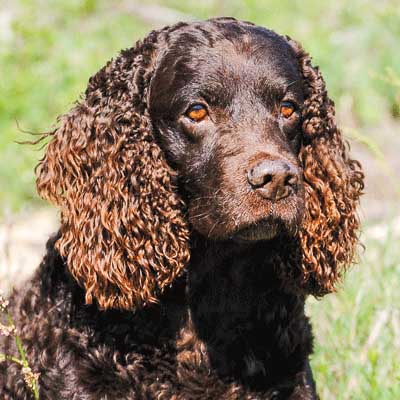
American Water Spaniel
The American Water Spaniel is a compact breed with a rich brown coat, tracing its roots back to the Midwestern United States in the 18th century. Originally developed as a hunting companion for waterfowl, pheasants, and rabbits, this breed is known for its lively and confident presence in the field, although it may show some timidity around unfamiliar people. Equipped with a double coat that effectively repels water and webbed feet, the American Water Spaniel thrives in aquatic settings, but it does need consistent grooming to keep its fur healthy and clean. Beneath its dense, curly exterior lies a strong, agile body, enabling the American Water Spaniel to gracefully jump in and out of small boats or canoes without creating a disturbance.
Read more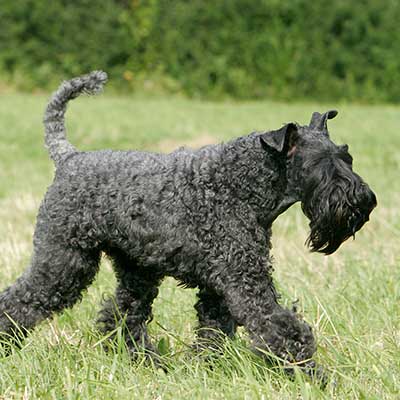
Kerry Blue Terrier
The Kerry Blue Terrier is renowned for its loyalty, intelligence, and sometimes entertaining behavior during play. This medium-sized breed has a robust and muscular physique, which means they require supervision while playing, especially around young children. If they are not properly socialized as puppies, they may become moody or reserved, making it essential for their owners to be strong yet fair and consistent in their training approach. These dogs respond best to positive reinforcement, thriving on praise and rewards rather than harsh discipline. They are particularly sensitive to any perceived unfairness, which can trigger aggressive tendencies if they feel mistreated. Although they are quite energetic, Kerry Blue Terriers can adjust well to living indoors, including in apartments, as long as they receive a good daily walk to help them burn off energy. When out for walks, it’s crucial to keep them on a leash due to their strong hunting instincts, as they may chase after small animals. They can also show aggression towards other dogs, often trying to establish their dominance. Their stunning, soft coat is advantageous for those with allergies, but it requires weekly grooming to keep it in good shape. Regular cleaning of their beards is also necessary to avoid odors from trapped food. Generally, these dogs need a bath once a week and a trim every six weeks. They are low-odor, do not drool, and are extremely loyal to their families. However, they may develop a habit of barking unless trained to limit it to a single bark, a lesson that should start during their puppy stage.
Read more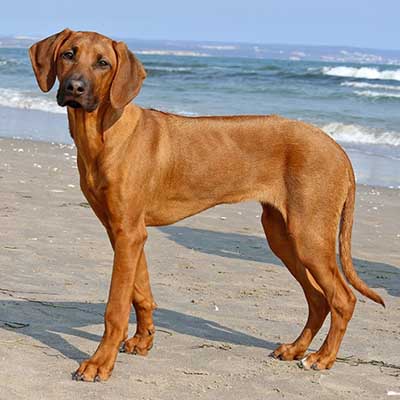
Rhodesian Ridgeback
In their quest for a hunting dog better suited to Africa's challenging climates, Dutch settlers crossbred their imported European breeds with a native tribal dog. This breeding produced a reddish-brown dog characterized by a unique ridge of fur along its back, adept at hunting large game and protecting families and homes. Originally employed for lion hunting, the Rhodesian Ridgeback's loyal and affectionate disposition soon endeared it to families, contributing to its rising popularity in other countries. Today, while it is still appreciated for its keen eyesight and scent-tracking skills, the Rhodesian Ridgeback is also celebrated as a low-maintenance, well-mannered, and energetic companion, thriving in dog shows, protection roles, and playful interactions with its human family.
Read more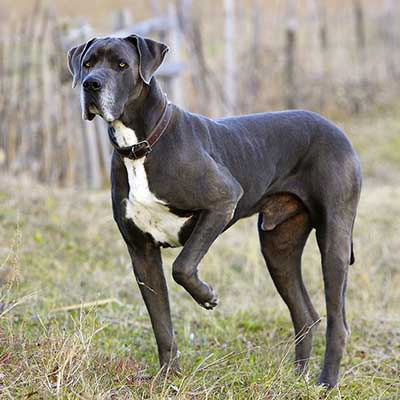
Great Dane
The Great Dane is commonly known as the "gentle giant" due to its calm and thoughtful demeanor. These dogs thrive on love and often try to snuggle in their owner's lap, resembling a smaller lapdog. They have a strong desire to please their families and are typically easy to train. However, it's crucial to keep in mind that their large size enables them to reach elevated surfaces, such as tables and kitchen counters. Moreover, their tails can be a hazard, as they might accidentally knock over objects within their reach, which makes them more suitable for homes with ample space. Unfortunately, like many larger breeds, they generally have shorter lifespans.
Read more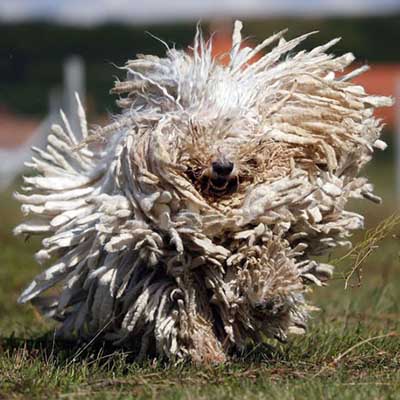
Komondor
This breed is known for its sharp awareness and steadfast loyalty to their human families. They are courageous dogs that thrive when entrusted with tasks, but without proper socialization during their puppy stage, they may display territorial and aggressive tendencies towards unfamiliar people and animals. Their unique coat, reminiscent of a mop, is perfectly designed for their original role of protecting livestock in frigid environments. Although they have a strong independent streak, they respond well to engaging and diverse training techniques, particularly when led by a confident handler. Despite their considerable size, they can adapt to living indoors as long as they receive sufficient exercise and regular outings. To deter them from asserting dominance over their territory—a typical trait of guard dogs—a tall fence is crucial around your property. However, beneath their rugged facade, they truly enjoy cozying up indoors with their loved ones.
Read more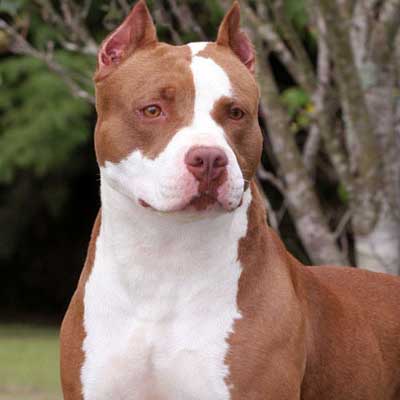
American Pit Bull Terrier
The term "Pit Bull" or "Pit Bull Terrier" refers to a group of sturdy, short-haired dogs that generally have a mixed heritage of Bulldogs and Terriers. Among them, the American Pit Bull Terrier is officially recognized as a separate breed by the United Kennel Club in England, although it does not have the same status with the American Kennel Club or the Fédération Cynologique Internationale. While Pit Bulls can sometimes display unpredictable behaviors due to their varied genetic backgrounds, this is less frequent in well-bred American Pit Bull Terriers, as responsible breeders focus on fostering a more stable temperament. To address potential issues like fearfulness, overly excited greetings, and aggression towards other dogs, it is essential to prioritize obedience training and socialization for this powerful breed.
Read more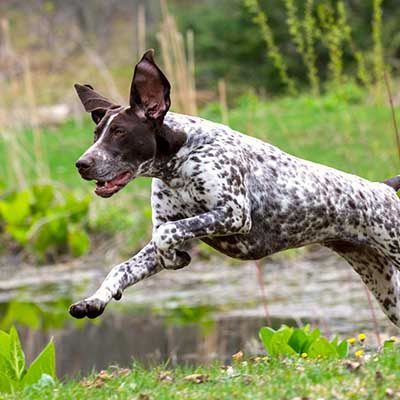
German Shorthaired Pointer
If you've ever seen a cartoon dog abruptly stop and dramatically point at something, you've caught a glimpse of what a Pointer embodies—albeit in a comically exaggerated way! The German Shorthaired Pointer, or GSP for short, is a dynamic hunting breed that hails from Germany and has been a reliable hunting partner for many years. The current version of this breed was developed in the early 1800s and is easily identifiable by its short, spotted coat, distinct head, and elongated body that narrows from the snout to the tail. Its ancestry dates back to the 1600s, with early breeds playing a significant role in the development of the dog we recognize today. This energetic and lively breed is not only exceptionally intelligent but also makes a fantastic family pet, thriving as both a hunter and a sporting dog. With roots that include pointers and bloodhounds, the German Shorthaired Pointer is both vocal and full of energy, necessitating plenty of exercise to keep its high energy in check. While it may bark at strangers, it does so in a friendly way, showcasing the breed's sociable disposition. Although it was initially bred for hunting, the German Shorthaired Pointer is now increasingly appreciated as a family companion and show dog in modern times.
Read more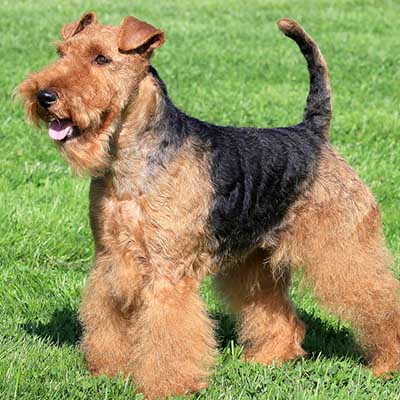
Welsh Terrier
The Welsh Terrier embodies the classic characteristics of a Terrier: courageous, energetic, playful, and spirited. Hailing from Wales in the 1700s, these bearded dogs were initially bred for hunting, adeptly navigating small burrows and caves to flush out game for hunters. While they continue to be employed for hunting and tracking, Welsh Terriers are now more commonly treasured as family pets. They make fantastic companions for children, are excellent running partners, and are always ready to partake in any fun activity you can think of. Historically known as the Black and Tan Wire Haired Terrier due to their striking black and tan coats, these dogs are easily identifiable by their curly beards. The breed was first showcased in England in 1884 and has been a staple in dog shows ever since. When Prescott Lawrence brought them to America that same year, they quickly captured attention at the Westminster Kennel Club, thanks to their distinctive appearance and charming personalities. The American Kennel Club recognized the breed in 1884, which led to the establishment of the Terrier Club of America shortly after. If you’re looking for a dog that will keep you entertained, bring joy to your life, and help manage pesky critters, the Welsh Terrier might be the perfect fit for you. However, it’s crucial to keep in mind that they require ample exercise and can become destructive if they’re not adequately stimulated. By ensuring they remain active and engaged, you can enjoy the delightful companionship of a Terrier that will undoubtedly enhance your life.
Read more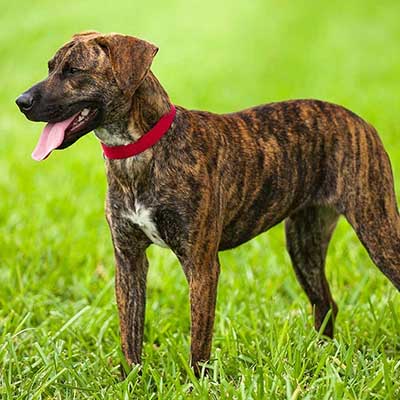
Plott Hound
The Plott Hound is an intriguing breed recognized for its tenacious spirit. This dog is not only devoted but also loving, making it an ideal companion for families with kids. Distinctively, the Plott Hound is the sole coonhound breed that does not share ancestry with the Foxhound. Known for being vocal and full of energy, this breed enjoys running and engaging in play. However, its propensity to bark may render it unsuitable for apartment living. With a lively personality and a protective nature, the Plott Hound makes a superb guardian for your home. Given its hunting instincts, it's wise to have a tall, secure fence to keep it from chasing after any nearby wildlife.
Read more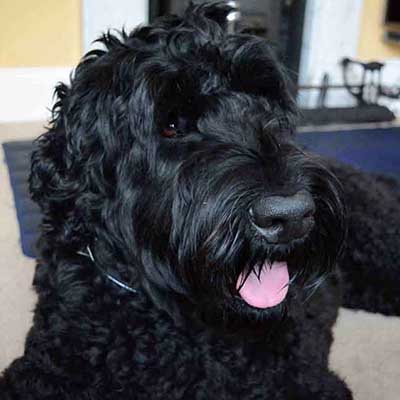
Black Russian Terrier
The Black Russian Terrier is a larger breed, standing out among medium-sized dogs with its robust physique and energetic demeanor. This breed thrives on physical activity and is always eager to engage in tasks, showcasing a lively spirit and a desire to please. They are notably resilient to various weather conditions, delighting in activities such as playing in the snow, splashing in the rain, or swimming in lakes. Affectionate by nature, these dogs prefer to be close to their human families, often following their owners closely. As a result, they are not particularly fond of being left outside in a kennel; however, they adapt well to indoor living, maintaining cleanliness and obedience when given proper training. It is vital to establish yourself as the pack leader, as this will earn their respect and ensure they follow your commands. Black Russian Terrier puppies are sensitive, playful, and quick to learn. During their early development, it is crucial for them to recognize their owner as the leader, which will make training more effective. This breed needs consistent and firm guidance, along with daily exercise to manage their high energy levels; without adequate physical activity, they may exhibit behavioral problems. Generally, they get along well with smaller pets, including dogs, cats, and rabbits, but may have difficulties with other large, dominant males. Their gentle and playful disposition makes them wonderful companions for families, particularly those with children. Training is relatively simple, and they adapt well to leash walking. It’s important to teach them to walk slightly behind or beside their owner, as dogs view the leader as the one who walks ahead. These strong and lively dogs are also easy to groom due to their soft, thick coats, but regular exercise is crucial for their overall happiness.
Read more