Plott Hound
Plott Cur, Plott
The Plott Hound is an intriguing breed recognized for its tenacious spirit. This dog is not only devoted but also loving, making it an ideal companion for families with kids. Distinctively, the Plott Hound is the sole coonhound breed that does not share ancestry with the Foxhound. Known for being vocal and full of energy, this breed enjoys running and engaging in play. However, its propensity to bark may render it unsuitable for apartment living. With a lively personality and a protective nature, the Plott Hound makes a superb guardian for your home. Given its hunting instincts, it's wise to have a tall, secure fence to keep it from chasing after any nearby wildlife.
Breed Origin
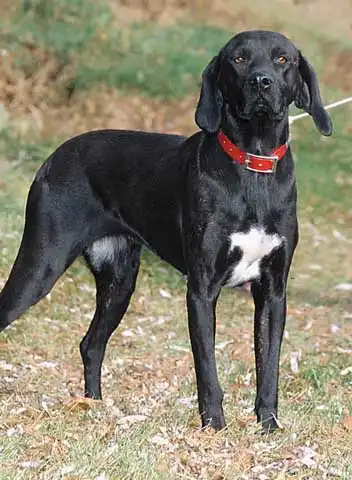
Many people may not realize that the Plott Hound is one of the few dog breeds that originated in the United States. This breed stands out due to its strong German roots and is unique among Coonhounds, as it does not have any lineage linked to the Foxhound. The Plott Hound is a direct descendant of the Hanoverian Schweisshund, a type of Bloodhound. In 1750, two German immigrants, Johannes Georg Plott and his brother, brought five Hanoverian Schweisshunds to North Carolina. Following his brother's passing, Johannes adopted the name Jonathan Plott and set out to create a hound capable of hunting bears and other large predators by crossbreeding the Hanoverian Schweisshunds with Curs and various Bloodhounds. These early dogs were expected to serve multiple purposes on the farm, including hunting, protecting livestock, and safeguarding the home from intruders. They had to be tough enough to traverse the challenging terrain of the western North Carolina mountains. Today, the Plott Hound continues to be a versatile breed, skilled in a variety of tasks. Notably, in 1960, the emperor of Japan employed Plott Hounds to hunt bears that posed a threat to local villagers and their livestock, using a team of ten dogs for this purpose. The breed was officially recognized by the United Kennel Club in 1946, and in 1989, North Carolina named the Plott Hound as its state dog. However, it wasn't until 2006 that the American Kennel Club formally acknowledged the Plott Hound as a distinct breed.
Breed Appearance
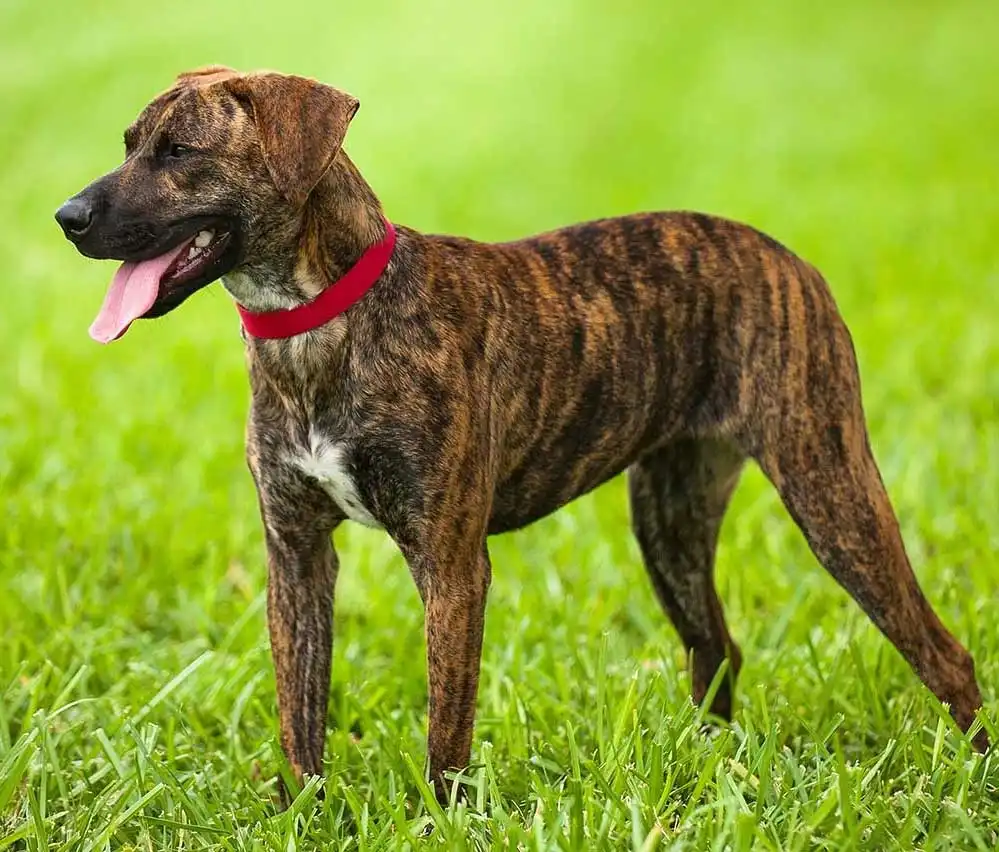
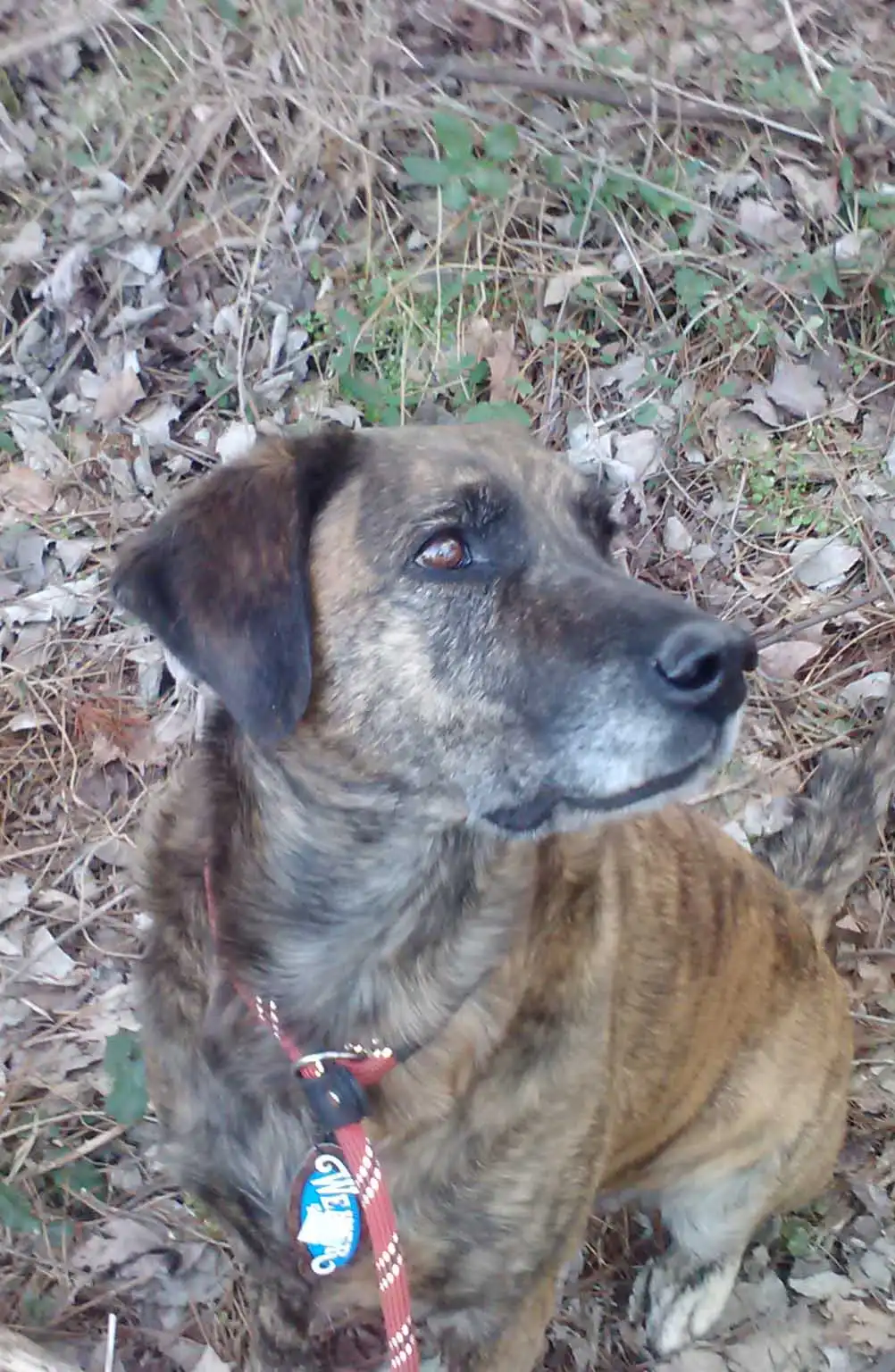
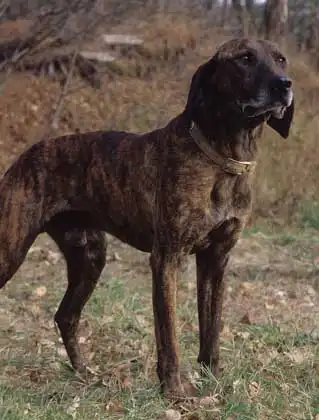
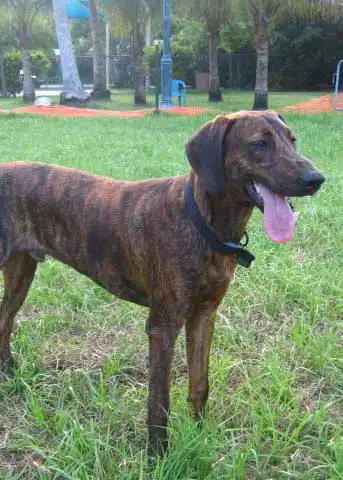
The Plott Hound is clearly a distinct member of the hound family. This breed is known for its sharp intelligence and alert demeanor, radiating a strong sense of self-assurance. Its eyes, which can be brown or hazel, are notably prominent and surrounded by well-fitting eyelids. Generally, the nose is black, though it can also be found in self-colored or brown variations. The Plott Hound features a sleek, shiny coat that is dense enough to protect it from harsh weather while hunting. The coat's texture is fine and smooth, although some individuals may have a thicker, coarser double coat. It's worth mentioning that those with a double coat are ineligible for conformation competitions. The most recognizable color pattern for a Plott Hound is brindle, which consists of darker stripes overlaying a lighter background. Common brindle hues include black, blue, red, tan, and brown, with black being the only other acceptable color.
Care Routine
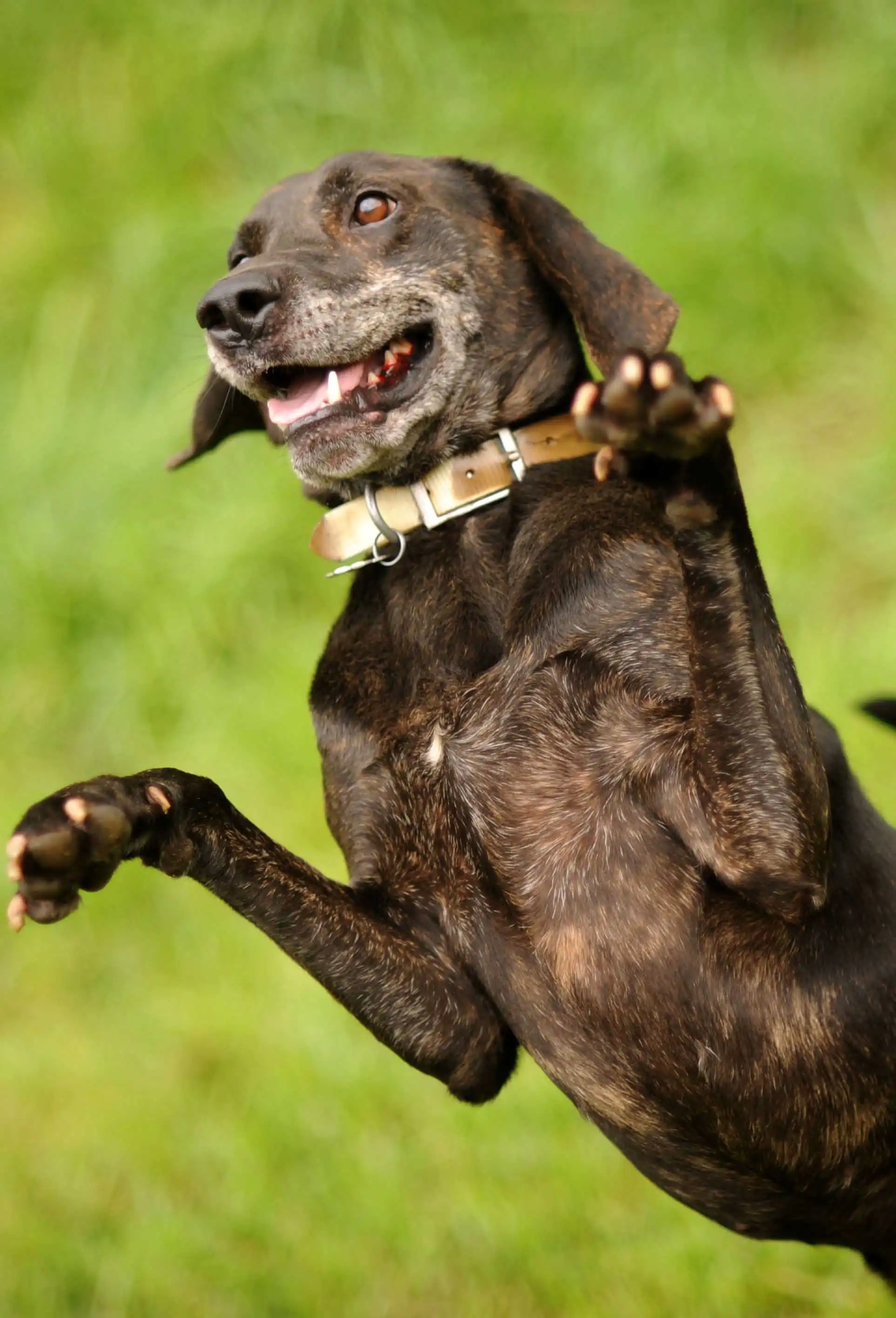
The Plott Hound is not classified as a hypoallergenic breed. This dog features a short coat that requires minimal upkeep, needing a brushing session approximately once a week to remove loose or dead hair. In the summer months, you can reduce this frequency to once a month, unless you observe a decrease in the coat's shine. Regular grooming is essential, as it not only maintains healthy skin and fur but also aids in dirt removal. For brushing, you can choose between a slicker brush or a rubber curry brush. Due to their distinctive hound ears, it’s crucial to clean them weekly and check for any unpleasant smells, which may signal an ear infection. Nail trimming should occur every two to three weeks, depending on how quickly they grow. Be cautious not to bathe your Plott Hound too often; when necessary, opt for a mild shampoo. Additionally, be ready for some drooling, so keep a cloth nearby to wipe his mouth.
Behavior & Temperament
The Plott Hound is a devoted and enthusiastic companion, always eager to please—especially when he perceives a personal advantage. As a hound, he tends to be quite headstrong, which can make training a bit challenging. His fondness for food can be leveraged to enhance training effectiveness, particularly when treats are used as rewards. However, families living in apartments or suburban neighborhoods should carefully consider the implications of bringing a Plott Hound into their lives. This breed is notably vocal, characterized by a sharp, high-pitched bark that might not sit well with neighbors. To ensure a harmonious environment, consistent daily training is essential for this lively dog. Generally, the Plott Hound can get along well with other pets, as long as he is adequately trained to recognize and respect them. Regular exercise is crucial for his overall happiness and health, but it's important to avoid vigorous activity immediately after he has eaten a large meal, as he is prone to bloat.
Play & Exercise
Things to Know
Cups Per Day
2.0 Cups
Daily Activity
45 Minutes
Average Lifespan
13 Years
Origin
1750
Type
Pure Breeds
Size
Medium
Origin Country
North Carolina
Brush Frequency
Weekly
Coat Texture
Straight
Register
Your kids have been begging for a pet forever, and you've recently decided that it's time for your family to get a new addition -- a dog! While everyone is excited for the new arrival, you're wondering if you need to have a dog license. How much does it cost? Is it required? Where do you get one?
Member Clubs

PETINNATE
Scenthound

AKC
Hound Group

UKC
Scenthound
Height & Weight
Weight
52 lbs (24 kg)Male: 56 lbs (25 kg) , Female: 48 lbs (22 kg)
Height
24 inches (61 sm)Male: 26 inches (66 sm) , Female: 22 inches (56 sm)
6 Months
21 lbs ( m 21 lbs, f 21 lbs )
17 inches ( m 17 inches, f 17 inches )
12 Months
40 lbs ( m 40 lbs, f 40 lbs )
20 inches ( m 20 inches, f 20 inches )
18 Months
47 lbs ( m 47 lbs, f 47 lbs )
21 inches ( m 21 inches, f 21 inches )
Eye Colors
Hazel

Brown
Nose Colors
Black
Brown
Coat Colors
Brindle
Black