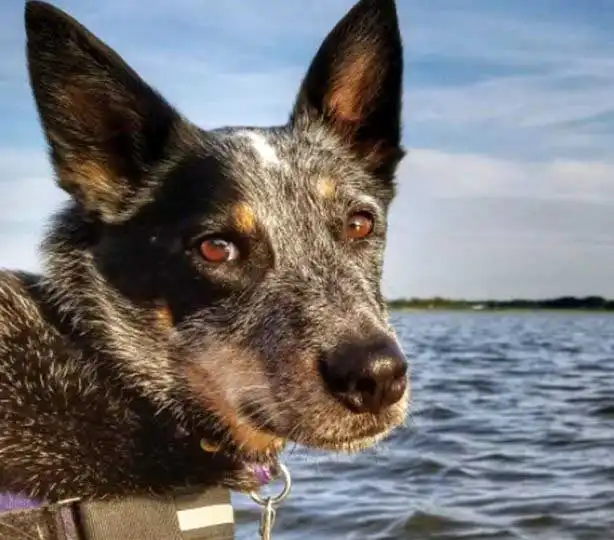
Australian Cattle Dog
Queensland Heeler, Blue Heeler, Hall's Heeler
The Australian Cattle Dog emerged in the early 1800s, a time when extensive areas of land in Australia became suitable for cattle ranching. The herding breeds available at the time were not equipped to handle the specific challenges associated with Australian cattle, which prompted the creation of a strong, intelligent, and highly active herding dog. Although it is relatively small, the Australian Cattle Dog demonstrates exceptional bravery in herding and is well-suited to the rugged terrain of the country. This medium-sized breed is characterized by its high energy and loyalty, making it a wonderful family companion, as long as its exercise requirements are met and it has activities to keep it stimulated.
Breed Origin
The Australian Cattle Dog has its roots in the work of Thomas Hall, a cattle farmer from New South Wales. Hall crossbred Northumberland drover dogs, likely smooth-coated collies, with domesticated dingoes. The resulting puppies were initially named Halls Heelers. After Hall's passing in 1870, these dogs became available to people outside of his family and close friends. Over time, Halls Heelers developed into two distinct breeds: the Australian Cattle Dog and the Australian Stumpy Tail Cattle Dog. Robert Kaleski played a crucial role in defining the breed, as he created the first official breed standard for the Australian Cattle Dog, which greatly influenced its recognized characteristics and temperament. This standard has been updated over the years, especially after the breed was introduced to the United States in the mid-20th century. Known as either the Blue Heeler or Red Heeler based on their coat color, these dogs, bred in Queensland during the 1940s, earned a strong reputation in breeding and conformation shows. To differentiate them from their New South Wales relatives, they were often called Queensland Heelers, as many believed they were of higher quality and produced superior offspring. Today, the Australian Cattle Dog is still sometimes referred to as the Queensland Heeler. The American Kennel Club officially recognized the Australian Cattle Dog as part of the working group in 1980, but it was not until 1983 that it was reclassified as a herding breed and moved to the herding group for competitive events.
Breed Appearance
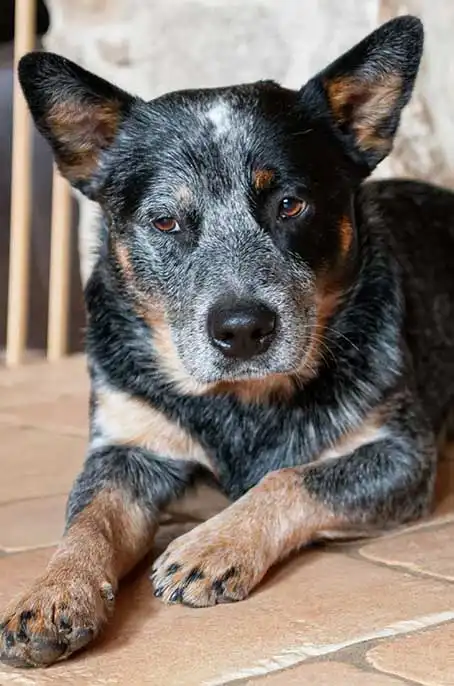
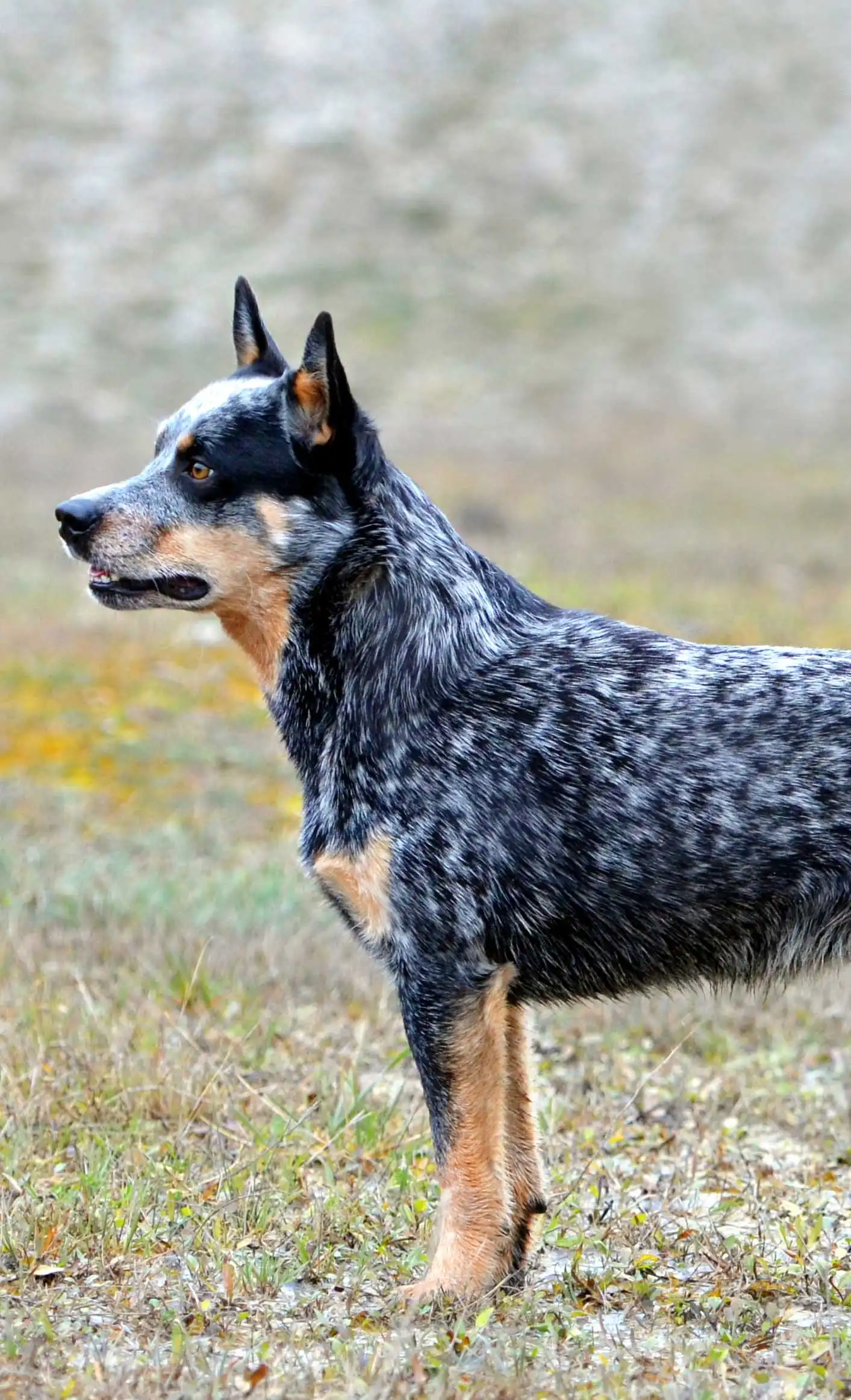
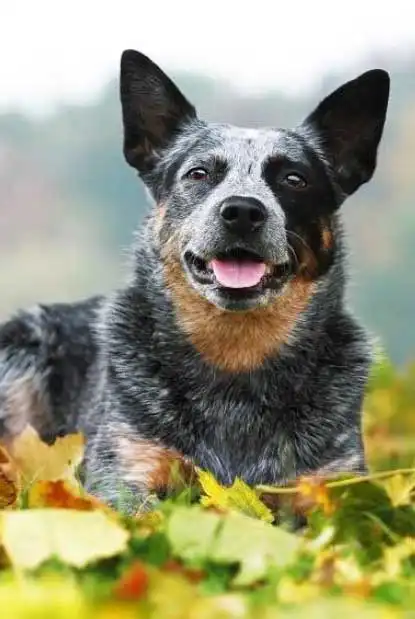
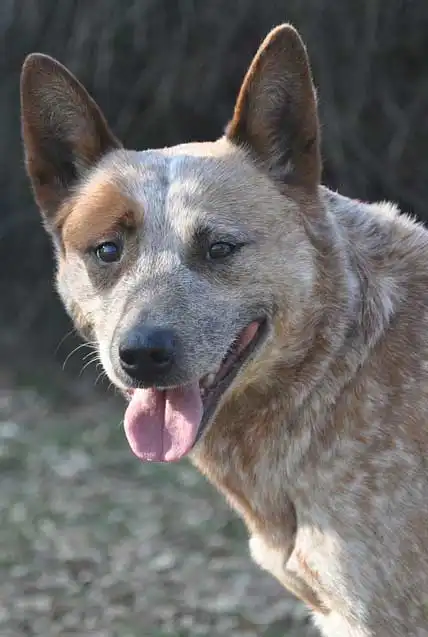
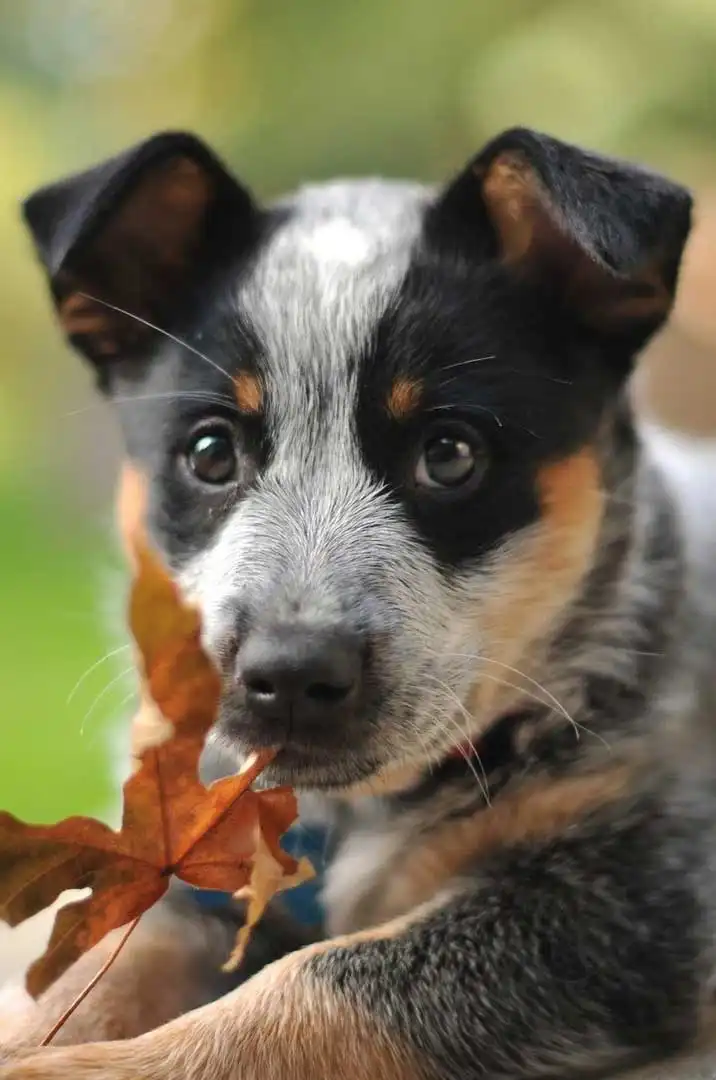
The Australian Cattle Dog is a strong and nimble breed, known for its compact and muscular physique. With alert, upright ears and a keen expression, these dogs radiate energy and resilience. Maintaining peak physical condition is crucial, as they should never appear delicate or cumbersome. Their main function as drovers demands agility, allowing them to navigate swiftly around cattle. This breed is primarily recognized in two coat colors: red and blue, though a chocolate and cream variation may occasionally occur. Blue Australian Cattle Dogs can display a variety of shades, including solid blue, blue speckled, or blue mottled, often accented with black, tan, or white markings. On the other hand, red Australian Cattle Dogs should exhibit a consistent speckling of solid red. At birth, these puppies are completely white, with their unique colors developing as they grow, although any solid markings on their face or body are visible from the outset. A mask is a defining characteristic, appearing as a black patch over one or both eyes for blue dogs, or a red patch for red dogs. A single eye patch is termed a half or single mask, while two patches are referred to as a full or double mask. Dogs without a mask are classified as plain-faced.
Care Routine
The Australian Cattle Dog is commonly known as a "wash and wear" breed because it requires very little grooming. Typically, brushing every two to three weeks with a natural bristle brush is adequate. After a day spent herding cattle, a gentle shampoo bath may be needed to remove any mud, though a quick wipe with a damp cloth can suffice as well. This breed does not shed continuously; male and neutered dogs generally shed once a year, while intact females shed twice annually, usually following their heat cycles. During shedding seasons, more frequent brushing and warm baths are recommended to manage loose fur. Regular nail trimming is crucial, and using a nail grinder can be a safer alternative to avoid cutting too short and causing pain. Additionally, cleaning their ears every two to three weeks is important to prevent infections.
Behavior & Temperament
The Australian Cattle Dog is a lively breed celebrated for its keen intelligence and strong-willed nature. Frequently acknowledged as one of the smartest dog breeds, these dogs need plenty of physical exercise and mental stimulation. They flourish when given specific tasks, excelling in pursuits like agility, herding, obedience, and trick performance. This breed is particularly ideal for active households, showcasing deep loyalty and affection for their family members. Inherently cautious around unfamiliar people and situations, the Australian Cattle Dog can be an excellent guard dog with the right training. As a herding breed, they may instinctively try to herd children, vehicles, and other animals, sometimes resorting to nipping or biting. If this behavior is not managed, it can lead to issues within the home. Thus, ongoing training, along with regular physical activity and engaging tasks, is crucial to keep their minds occupied. While they are not known for excessive barking, they will notify their owners of any intruders approaching their space.
Play & Exercise
Things to Know
Cups Per Day
2.5 Cups
Daily Activity
90 Minutes
Average Lifespan
14 Years
Origin
1800s
Type
Pure Breeds
Size
Medium
Origin Country
Australia
Brush Frequency
Monthly
Coat Texture
Straight
Register
Your kids have been begging for a pet forever, and you've recently decided that it's time for your family to get a new addition -- a dog! While everyone is excited for the new arrival, you're wondering if you need to have a dog license. How much does it cost? Is it required? Where do you get one?
Member Clubs

PETINNATE
Herding Dog

AKC
Herding Group

UKC
Herding Dog
Height & Weight
Weight
35 lbs (16 kg)Male: 37 lbs (17 kg) , Female: 33 lbs (15 kg)
Height
19 inches (48 sm)Male: 19 inches (48 sm) , Female: 18 inches (46 sm)
6 Months
16 lbs ( m 16 lbs, f 16 lbs )
14 inches ( m 14 inches, f 14 inches )
12 Months
25 lbs ( m 25 lbs, f 25 lbs )
16 inches ( m 16 inches, f 16 inches )
18 Months
31 lbs ( m 31 lbs, f 31 lbs )
18 inches ( m 18 inches, f 18 inches )
Eye Colors
Blue

Brown
Amber
Nose Colors
Black
Brown
Coat Colors
Blue

Red

Characteristics
Mixes
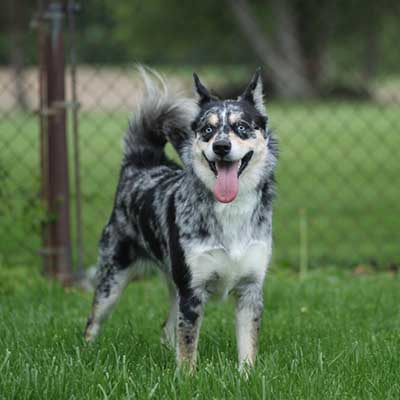
Ausky
The Ausky is a hybrid breed created by crossing an Australian Cattle Dog with a Siberian Husky, both renowned for their intelligence, high energy levels, and resilience. This combination results in a dog that requires ample mental stimulation and physical activity, making early socialization and engagement crucial. Fortunately, Auskies excel in various activities, including running, agility training, and the herding and pulling tasks typical of their parent breeds. They need significant daily exercise; without it, they may display uncooperative or destructive behaviors. Moreover, they may inherit a tendency to nip from the Australian Cattle Dog and exhibit the high prey drive associated with the Siberian Husky, which can render some Auskies less suitable as companions for small children or fast-moving pets.
Read more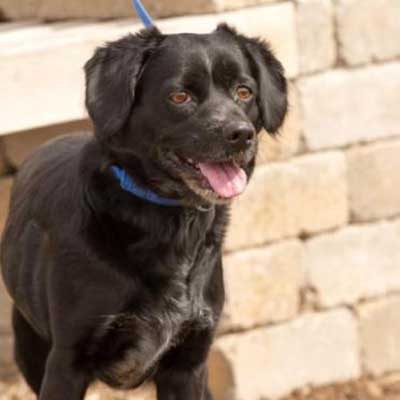
Blue Spaniel
The Blue Spaniel is a mixed breed that emerges from the combination of an Australian Cattle Dog and a Cocker Spaniel. These dogs are intended to be energetic companions, often noted for their joyful nature, intelligence, and abundant energy. Due to their heritage from two dynamic breeds, Blue Spaniels require regular and vigorous exercise to remain healthy and happy. Typically, they have a lifespan of 10 to 14 years, weigh between 28 and 45 pounds, and stand 15 to 20 inches tall. Their size may differ depending on whether they are descended from American or English Cocker Spaniels, with the former generally being smaller. In appearance, they resemble smaller versions of Cattle Dogs but also display characteristics typical of Cocker Spaniels, including floppy ears and a medium-length, wavy coat that requires consistent grooming. As a relatively recent breed, Blue Spaniels have not yet gained recognition as purebreds by the American Kennel Club (AKC).
Read more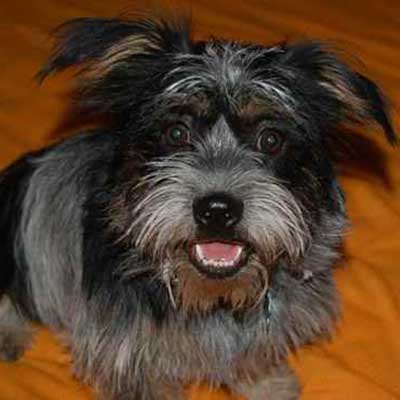
Blue-Tzu Heeler
Blue Tzu Heelers are a mixed breed that emerges from the combination of Australian Cattle Dogs and Shih Tzus. Bred primarily for companionship, these dogs are known for their friendly, energetic, and loving demeanor, though they can occasionally display a stubborn streak. They need a moderate amount of exercise and flourish with ample human interaction. Their lifespan typically falls between 10 to 14 years, with heights ranging from 11 to 18 inches and weights between 16 to 35 pounds. In appearance, Blue Tzu Heelers have a shaggy look reminiscent of Cattle Dogs, while also showcasing some unique features of Shih Tzus. As a relatively recent breed, their standards are still being developed, and they have yet to gain recognition from the American Kennel Club, although they are included in the Designer Breed Registry as hybrids.
Read more
Boston Cattle Dog
Details about the new hybrid Boston Cattle Dog are scarce, so it's essential to look at the characteristics of its parent breeds to gain insight into its traits. The Australian Cattle Dog and the Boston Terrier both have strong, muscular builds, indicating that the Boston Cattle Dog is likely to share this athletic and robust physique. Known for their playful spirit, high energy, and affectionate nature, these dogs also inherit a keen intelligence and a strong aptitude for training from their lineage. They flourish under the guidance of a leader who is both firm and fair, as they respond best to consistent handling; it's important to avoid harsh treatment due to their sensitivity, a trait inherited from the Boston Terrier. Although they may have a natural tendency to assert dominance, influenced by their Australian Cattle Dog ancestry, this behavior is tempered by the Boston Terrier's more gentle temperament. Their herding instinct, stemming from the Australian side, may lead them to nip at people's heels in an attempt to "herd" them. To keep them happy and well-behaved, these dogs need regular exercise and stimulating mental activities, such as games and problem-solving challenges. They are devoted to their families, making them lively and loving companions, especially with children, and they are fiercely loyal to their owners.
Read more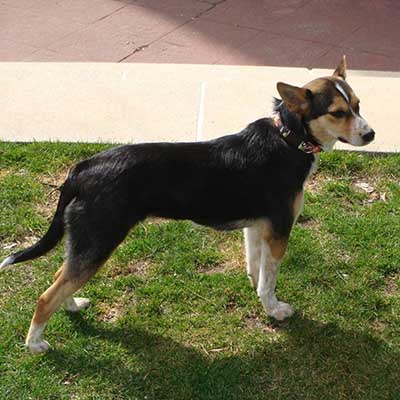
Corgi Cattle Dog
The Corgi Cattle Dog is an energetic and affectionate medium-sized hybrid, born from the combination of the Pembroke Welsh Corgi and the Australian Cattle Dog. These dogs are typically calm and not prone to excessive barking, which helps them avoid being a nuisance. They usually inherit the short legs and stocky build typical of the Pembroke Welsh Corgi. While they may occasionally misjudge their physical abilities, their lively nature makes them adept at herding cattle. Their intelligence and independent spirit contribute to their popularity in various working roles. As an active breed, the Corgi Cattle Dog needs plenty of exercise to maintain its health and happiness.
Read more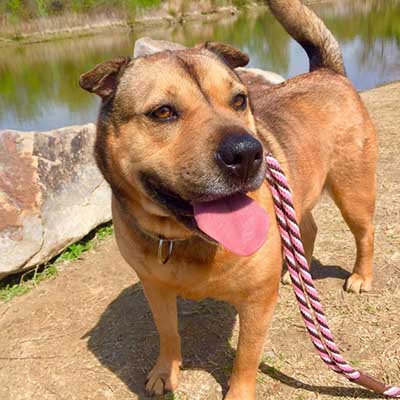
Heeler Pei
The Heeler Pei is a mixed breed that results from the cross between the Australian Cattle Dog and the Chinese Shar-Pei. This combination produces a medium-sized dog with a balanced energy level, known for developing a strong attachment to one main owner while also displaying loyalty and affection towards other family members. With a sturdy and muscular build, the Heeler Pei makes for an attractive companion that flourishes under the direction of a confident leader. Although they are devoted pets, those in search of a cuddly dog might find their independent and somewhat distant nature less than fulfilling. Generally, they interact well with children, as long as the kids avoid pulling on their ears or tail and respect their personal space during meals. The Heeler Pei can live harmoniously with other pets if introduced to them from a young age, but their strong prey drive—derived from their Australian Cattle Dog heritage—can lead them to view non-family animals as potential prey. Both parent breeds are typically cautious around strangers, a characteristic that the Heeler Pei inherits, making them quite protective of their territory. To help manage these instincts, early training and socialization are crucial. This intelligent yet somewhat headstrong breed, known for its eagerness to please, is best suited for experienced owners who can offer the firm guidance they require to thrive.
Read more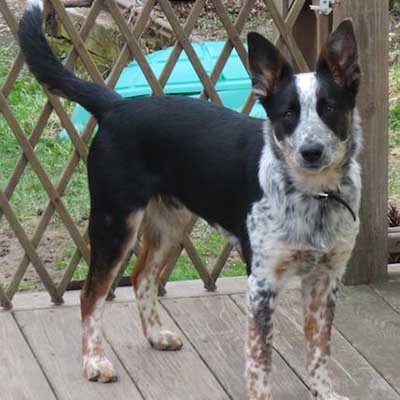
Border Heeler
The Border Heeler is a mixed breed that results from crossing a Border Collie with an Australian Cattle Dog, often referred to as the Blue Heeler. This combination brings together the high energy levels of both breeds, resulting in a dog that is both lively and active. They are known for their intelligence, alertness, loyalty, and protective nature. Given their energetic disposition, living in an apartment may not be the best fit for them. If they do not receive sufficient physical and mental stimulation, they may become bored, which can lead to problematic behaviors like excessive barking, digging, destructive actions, and even chasing vehicles. Both parent breeds were originally bred for herding and demanding work, which makes the Border Heeler well-suited for similar tasks. This hybrid is exceptionally smart and learns quickly, so it’s important to provide them with ongoing challenges to keep their minds engaged. While grooming is necessary for both breeds, the Australian Cattle Dog typically requires less upkeep compared to the Border Collie. The Australian Cattle Dog's origins trace back to the early 1800s when ranchers in Australia began breeding various Collie-type dogs with the native dingo to develop an effective herding dog. On the other hand, the history of the Border Collie goes back to the first century, when Romans brought larger shepherd breeds to England, which were later mixed with spitz-type dogs introduced by the Vikings.
Read more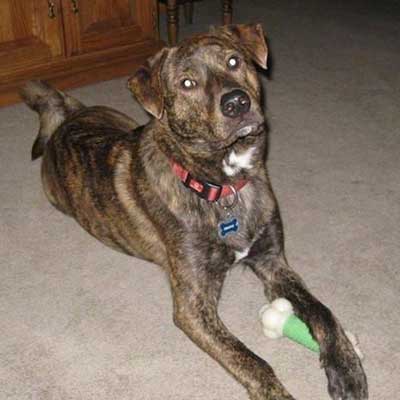
Box Heeler
The Box Heeler is a hybrid breed that emerges from the combination of a Boxer and a Blue Heeler. As a relatively new addition to the dog world, there is not much information available about this mix. To better understand what to expect from a Box Heeler puppy, it’s essential to look at the characteristics of its parent breeds. The Boxer, which typically weighs between 50 and 80 pounds, is a large dog celebrated for its playful and inquisitive demeanor. On the other hand, the Blue Heeler, also known as the Australian Cattle Dog, is a medium-sized breed known for its high energy levels. This breed is characterized by its independence and occasional stubbornness, thriving when given specific tasks. Consequently, a Box Heeler is likely to inherit a combination of these traits, resulting in a lively and agile dog full of vigor.
Read more