Corgi Cattle Dog
The Corgi Cattle Dog is an energetic and affectionate medium-sized hybrid, born from the combination of the Pembroke Welsh Corgi and the Australian Cattle Dog. These dogs are typically calm and not prone to excessive barking, which helps them avoid being a nuisance. They usually inherit the short legs and stocky build typical of the Pembroke Welsh Corgi. While they may occasionally misjudge their physical abilities, their lively nature makes them adept at herding cattle. Their intelligence and independent spirit contribute to their popularity in various working roles. As an active breed, the Corgi Cattle Dog needs plenty of exercise to maintain its health and happiness.
Breed Origin
The exact origins of the Corgi Cattle Dog are somewhat ambiguous, with scant historical details available. To better understand the breed's evolution, it is essential to look at its parent breeds: the Pembroke Welsh Corgi and the Australian Cattle Dog. The Pembroke Welsh Corgi, distinguished by its absence of a tail, originates from Pembrokeshire, Wales. The name “Corgi” comes from a Celtic term that translates to “dog.” This breed is believed to have been established around the 10th century when farmers needed a dog adept at herding and managing cattle. The Pembroke Welsh Corgi quickly gained recognition for its ability to nip at cattle's heels, effectively guiding them. Welsh farmers valued this breed for its utility on farms, where it was also used to mark grazing boundaries during competitive grazing periods. Notably, Queen Elizabeth II has been a prominent admirer of the breed, ensuring that her residence is always accompanied by several Corgis. The American Kennel Club granted official recognition to the Pembroke Welsh Corgi in 1934. Conversely, the Australian Cattle Dog was bred to withstand challenging environmental conditions. George Elliott from Queensland is credited with its development, having crossed Dingoes with the now-extinct Smithfield dog, followed by the blue-merle Highland Collie. This breed quickly earned a reputation for its outstanding working capabilities. Initially referred to as Blue Heelers and Queensland Blue Heelers, the name was eventually changed to Australian Cattle Dog. In 1897, Robert Kaleski began promoting the breed and established a breed standard by 1902, which was accepted by both the Cattle and Sheep Dog Club of Australia and the Kennel Club of New South Wales in 1903. The AKC officially recognized the breed in 1980.
Breed Appearance
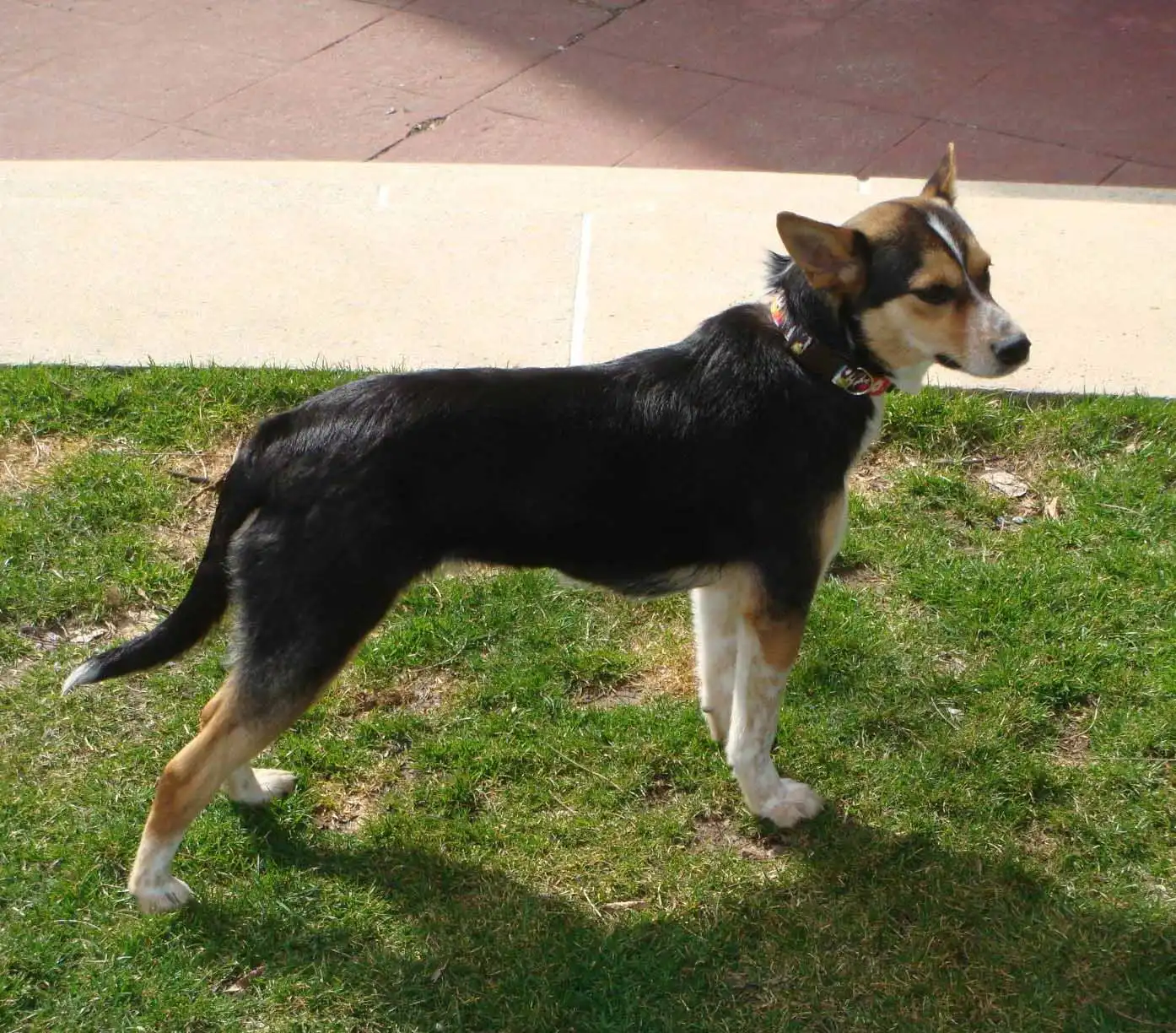
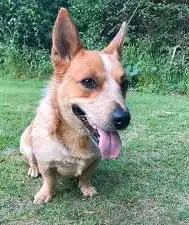
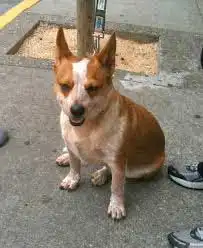
The Corgi Cattle Dog showcases a wide variety of physical traits, drawing from the features of its parent breeds. As a mixed breed, individual dogs can exhibit distinct coat styles and colors. Some may bear a closer resemblance to the Pembroke Welsh Corgi, while others might reflect the traits of the Australian Cattle Dog. Generally, this breed is medium in size, boasting a sturdy, barrel-like physique. They are known for their short height, upright, pointed ears, and thick fur. Coat colors typically present a mix of tan and white. Their tails are usually positioned parallel to their bodies, and their eyes can range from deep brown to the occasional striking ice blue.

Care Routine
The Pembroke Welsh Corgi and the Australian Cattle Dog are both recognized for their moderate shedding. When these two breeds are mixed, the shedding can increase, necessitating extra care. To effectively manage their coats, it is recommended to brush them daily for about 15 to 20 minutes with either a rubber curry brush or a slicker brush. This practice helps eliminate loose fur and any dirt or debris they might pick up while outside. Moreover, it’s crucial to regularly inspect their nails to avoid breakage and to tend to their footpads if they become dry or cracked. As with all dog breeds, maintaining regular dental hygiene is vital to prevent oral health problems. Bathing should be kept to a minimum unless your dog rolls in something unpleasant during their outdoor adventures.
Behavior & Temperament
The Corgi Cattle Dog is known for its strong prey drive, which makes early training and guidance essential for helping it coexist peacefully with other dogs and pets. This breed is marked by its independent nature and requires both mental challenges and energetic play to remain engaged. While the Corgi Cattle Dog shows affection towards family members and children, it’s important to exercise caution around strangers. This dog may seem aloof with unfamiliar people, so socializing him with both humans and other animals is key to helping him distinguish between friendly faces and potential threats. When in herding mode, he may nip due to his instinctual behaviors. To keep his mind active, it’s important to provide him with various tasks or activities. Playing games like Frisbee and flyball, along with ensuring he gets ample exercise through running, swimming, and multiple daily walks, will help satisfy his high energy levels. Given his stubborn nature, using positive reinforcement and treats is crucial for training him to develop appropriate behaviors.


Play & Exercise
Your lively dog needs a minimum of 60 minutes of exercise each day, which can involve activities such as playing frisbee, engaging in flyball, fetching, tug-of-war, swimming, or running. Some individuals of this breed might need even more vigorous activity. Regular walks throughout the day will help keep your hybrid content and fulfilled. Ideally, a spacious home in a warm rural area would be the perfect environment for your Corgi Cattle Dog, as living in an apartment may not meet his high energy needs. It’s crucial to create a safe area for him to explore and move around, as this hybrid thrives on activity and requires tasks to stay engaged. Consider enrolling him in obedience classes or agility trials for an added mental and physical challenge. While this hybrid can adapt to different climates, a temperate setting is generally more suitable.
Things to Know
Cups Per Day
3.0 Cups
Daily Activity
60 Minutes
Average Lifespan
14 Years
Origin
Unknown
Type
Crossbreeds
Size
Medium
Origin Country
Unknown
Brush Frequency
Daily
Coat Texture
Straight
Register
Your kids have been begging for a pet forever, and you've recently decided that it's time for your family to get a new addition -- a dog! While everyone is excited for the new arrival, you're wondering if you need to have a dog license. How much does it cost? Is it required? Where do you get one?
Member Clubs

PETINNATE
Other
Height & Weight
Weight
33 lbs (15 kg)Male: 33 lbs (15 kg) , Female: 33 lbs (15 kg)
Height
17 inches (43 sm)Male: 17 inches (43 sm) , Female: 17 inches (43 sm)
Eye Colors
Blue

Brown
Nose Colors
Black
Coat Colors
White
Fawn