Boston Cattle Dog
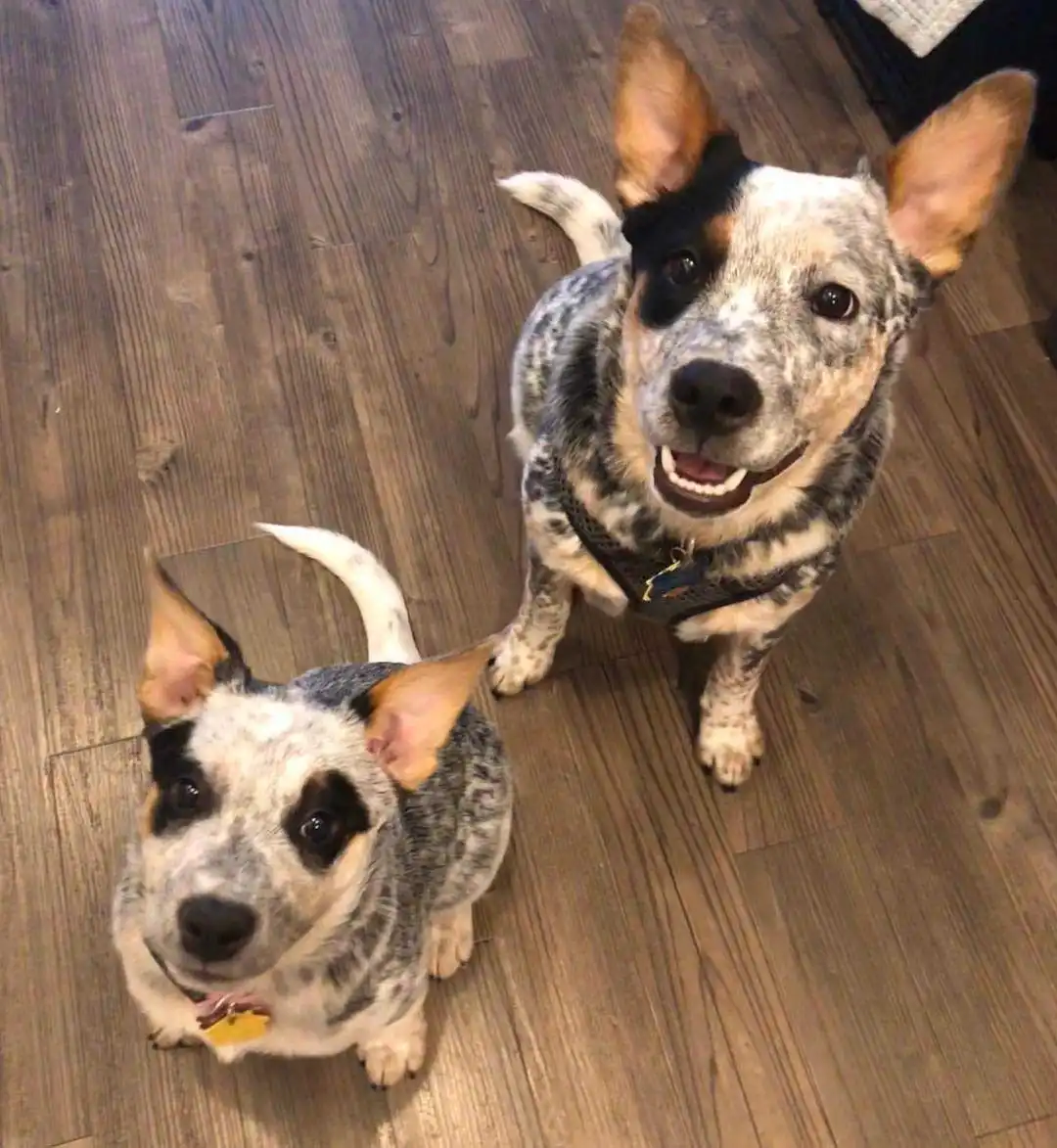
Details about the new hybrid Boston Cattle Dog are scarce, so it's essential to look at the characteristics of its parent breeds to gain insight into its traits. The Australian Cattle Dog and the Boston Terrier both have strong, muscular builds, indicating that the Boston Cattle Dog is likely to share this athletic and robust physique. Known for their playful spirit, high energy, and affectionate nature, these dogs also inherit a keen intelligence and a strong aptitude for training from their lineage. They flourish under the guidance of a leader who is both firm and fair, as they respond best to consistent handling; it's important to avoid harsh treatment due to their sensitivity, a trait inherited from the Boston Terrier. Although they may have a natural tendency to assert dominance, influenced by their Australian Cattle Dog ancestry, this behavior is tempered by the Boston Terrier's more gentle temperament. Their herding instinct, stemming from the Australian side, may lead them to nip at people's heels in an attempt to "herd" them. To keep them happy and well-behaved, these dogs need regular exercise and stimulating mental activities, such as games and problem-solving challenges. They are devoted to their families, making them lively and loving companions, especially with children, and they are fiercely loyal to their owners.
Breed Origin
The Boston Cattle Dog is a remarkable blend of the Australian Cattle Dog and the Boston Terrier. While this breed remains relatively rare, it has seen a notable rise in popularity over the last decade. Its charm stems from a combination of intelligence, loyalty, and a loving disposition, all enhanced by its eye-catching looks and lively character. Although the exact origins of the breed are somewhat ambiguous, exploring the backgrounds of its parent breeds provides insight into the characteristics that define the Boston Cattle Dog. The Australian Cattle Dog's ancestors were introduced to Australia by early settlers, but they faced challenges adapting to the continent's vast landscapes and harsh weather. In the 1800s, pioneers created the Australian Cattle Dog by crossing Dingo-blue merle Collies with Dalmatians and black and tan Kelpies, with some theories suggesting that Bull Terriers may have also played a role in this breeding process. This combination produced a dog exceptionally suited for herding cattle across large ranches, showcasing impressive stamina and resilience in arid, hot environments. The breed standard was established by Robert Kaleski in 1893, and it received official recognition from the AKC in 1980. The Australian Cattle Dog is celebrated for its herding prowess, protective instincts, retrieving abilities, agility, competitive obedience, and knack for performing tricks. Conversely, the Boston Terrier was developed from pit-fighting dogs of the bull and terrier types in Boston, Massachusetts, making it one of the few breeds created in the United States. The original Boston Terrier was a hybrid of the English Bulldog and the now-extinct English White Terrier. By 1889, the breed had gained traction, leading to the establishment of the American Bull Terrier Club, although the name was not well-received by enthusiasts of the Bull Terrier. Ultimately, it was renamed the Boston Terrier to honor its city of origin. Over the years, the Boston Terrier has transformed from its fighting lineage into a cherished companion dog. This rich heritage contributes to the growing appeal of the Boston Cattle Dog.
Breed Appearance
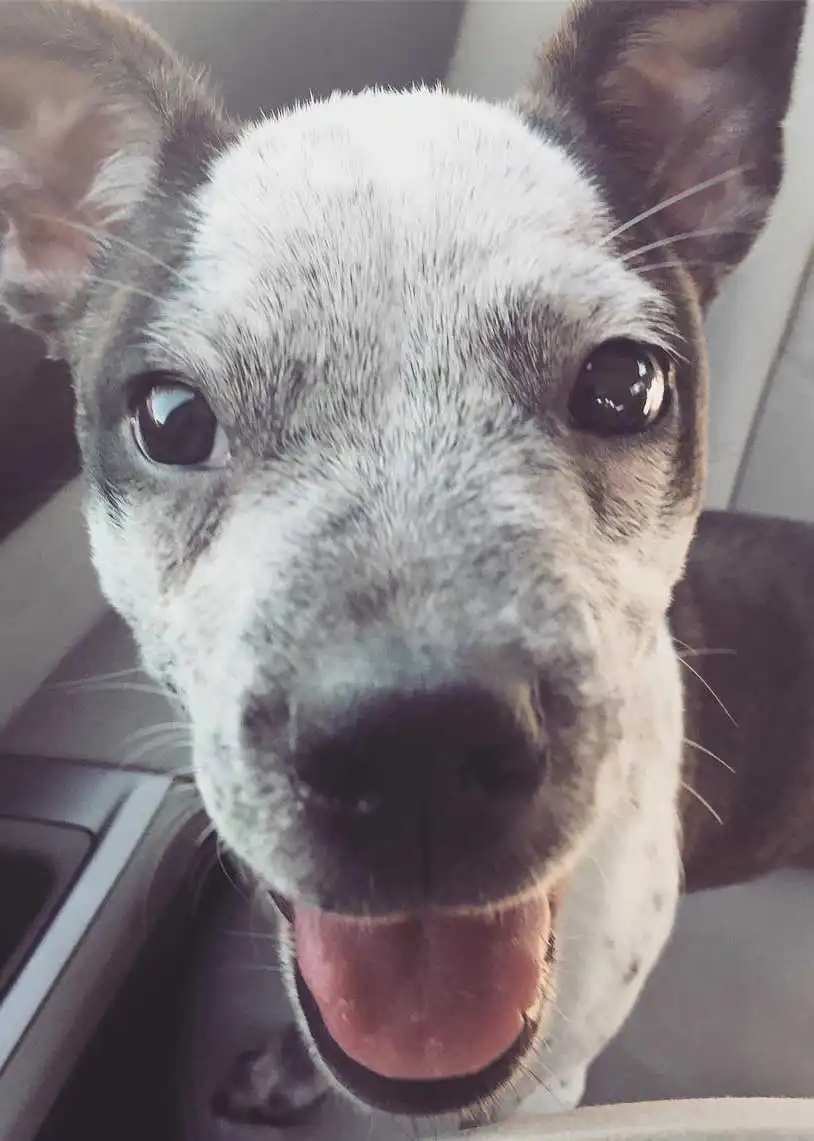
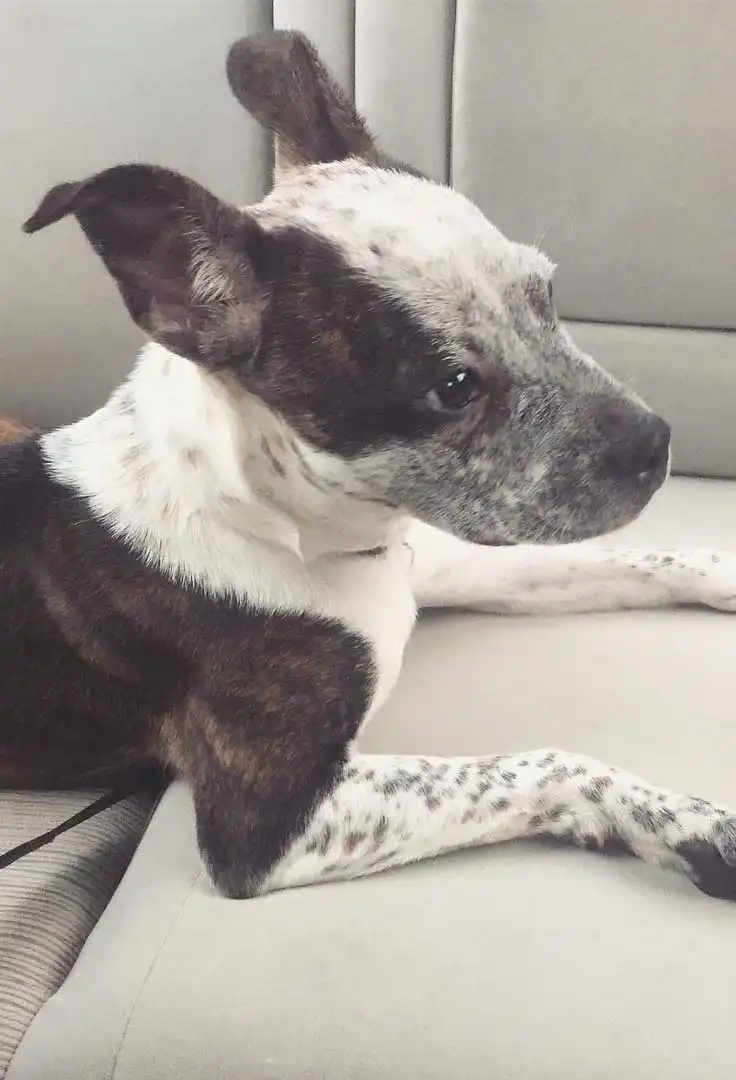
The Boston Cattle Dog is a sturdy and energetic breed, celebrated for its agility and physical prowess. Although the length of its body can vary due to genetic factors, it generally has a slightly elongated appearance compared to its height. The tail is slender, held at a moderate elevation, and exhibits a gentle curve. Its front legs are strong and straight, culminating in round paws. The skull is broad and somewhat square-shaped, featuring wide-set, dark oval eyes. The ears are of moderate size, spaced apart, and stand erect, displaying attentiveness. It's essential to recognize that these characteristics can differ based on the breed's lineage, particularly the mix of Australian Cattle Dog and Boston Terrier. The muzzle tapers to a point, showcasing a scissor bite where the teeth meet. The coat is short, smooth, and weather-resistant, often accompanied by a dense undercoat, and typically sheds once or twice annually, depending on the climate.

Care Routine
The Boston Cattle Dog requires regular grooming, ideally a thorough brushing once or twice a week, to manage shedding effectively. Frequent baths are not needed; only wash them when they are visibly dirty or start to smell. When you do bathe them, opt for a specialized dog shampoo to prevent skin irritation. It's crucial to dry any skin folds completely to avoid inflammation or infection. A quick wipe with a damp cloth between baths can keep them fresh, and your dog will likely enjoy the extra care! During grooming, take the time to check important areas like the ears and eyes, and remember to brush their teeth and trim their nails. Starting a grooming routine early in your Boston Cattle Dog's life will make the process smoother as they mature. These dogs also require daily exercise and consistent training to thrive.
Behavior & Temperament
The Boston Cattle Dog is a loyal, brave, and intelligent breed that thrives on active involvement in family life. Renowned for their keen alertness and trainability, they make outstanding guard dogs, quickly notifying their owners of any unfamiliar presence. While they may display a strong dominant streak, they excel under the guidance of a confident leader who offers consistent direction. Their training capabilities are impressive, especially in areas like obedience and agility, where they can reach remarkable levels of skill. These dogs are deeply devoted to their families and blend effortlessly into household dynamics. They have a charming ability to entertain children and can live peacefully with other pets, as long as they receive adequate socialization and training during their formative years. A balanced training approach—firm yet kind—yields the best results, as they respond well to positive reinforcement such as praise and treats. However, if their owner is too passive, their dominant and aggressive traits may emerge. By ensuring they are well-trained, regularly exercised, and included in family activities, along with establishing strong leadership, these dogs can develop into exceptionally well-mannered and affectionate companions.


Play & Exercise
The Boston Cattle Dog is a breed that flourishes with regular physical activity. They have a strong affinity for running and walking, and they enjoy playing games such as hide and seek or fetch. Without adequate exercise and mental stimulation, they can become restless and may engage in mischievous behavior. This breed is also very trainable, excelling in obedience training and competitions. While they are eager to be active and join in on your adventures, they also appreciate cozying up on the couch for some quality cuddle time. Visiting dog parks or beaches is a fantastic way to socialize them, allowing them to interact with other dogs and people while burning off some of their energy.
Things to Know
Cups Per Day
3.0 Cups
Daily Activity
120 Minutes
Average Lifespan
14 Years
Origin
Unknown
Type
Crossbreeds
Size
Medium
Origin Country
United States
Brush Frequency
Weekly
Coat Texture
Straight
Register
Your kids have been begging for a pet forever, and you've recently decided that it's time for your family to get a new addition -- a dog! While everyone is excited for the new arrival, you're wondering if you need to have a dog license. How much does it cost? Is it required? Where do you get one?
Member Clubs

PETINNATE
Other
Height & Weight
Weight
44 lbs (20 kg)Male: 49 lbs (22 kg) , Female: 40 lbs (18 kg)
Height
17 inches (43 sm)Male: 18 inches (46 sm) , Female: 16 inches (41 sm)
Eye Colors
Brown

Nose Colors
Black
Coat Colors
Brindle
White
Gray
Blue
Red