Heeler Pei
Shar-Cat
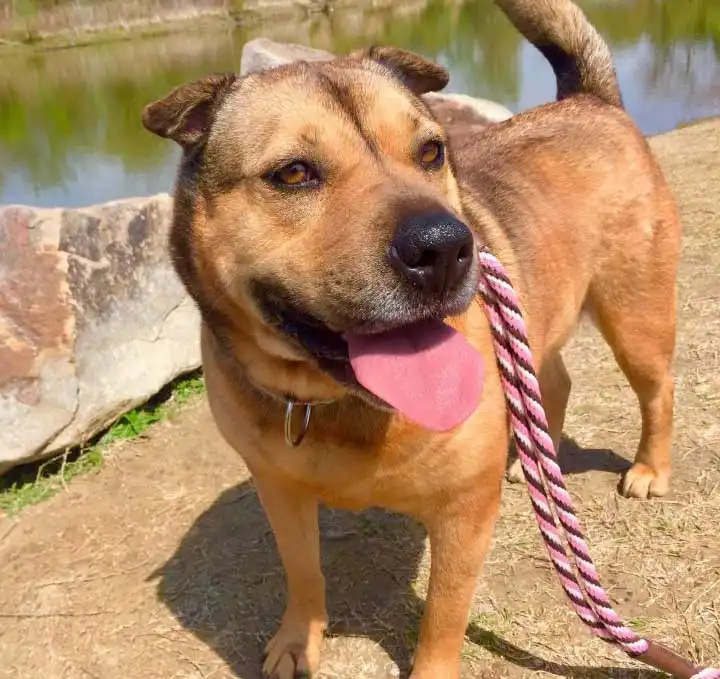
The Heeler Pei is a mixed breed that results from the cross between the Australian Cattle Dog and the Chinese Shar-Pei. This combination produces a medium-sized dog with a balanced energy level, known for developing a strong attachment to one main owner while also displaying loyalty and affection towards other family members. With a sturdy and muscular build, the Heeler Pei makes for an attractive companion that flourishes under the direction of a confident leader. Although they are devoted pets, those in search of a cuddly dog might find their independent and somewhat distant nature less than fulfilling. Generally, they interact well with children, as long as the kids avoid pulling on their ears or tail and respect their personal space during meals. The Heeler Pei can live harmoniously with other pets if introduced to them from a young age, but their strong prey drive—derived from their Australian Cattle Dog heritage—can lead them to view non-family animals as potential prey. Both parent breeds are typically cautious around strangers, a characteristic that the Heeler Pei inherits, making them quite protective of their territory. To help manage these instincts, early training and socialization are crucial. This intelligent yet somewhat headstrong breed, known for its eagerness to please, is best suited for experienced owners who can offer the firm guidance they require to thrive.
Breed Origin
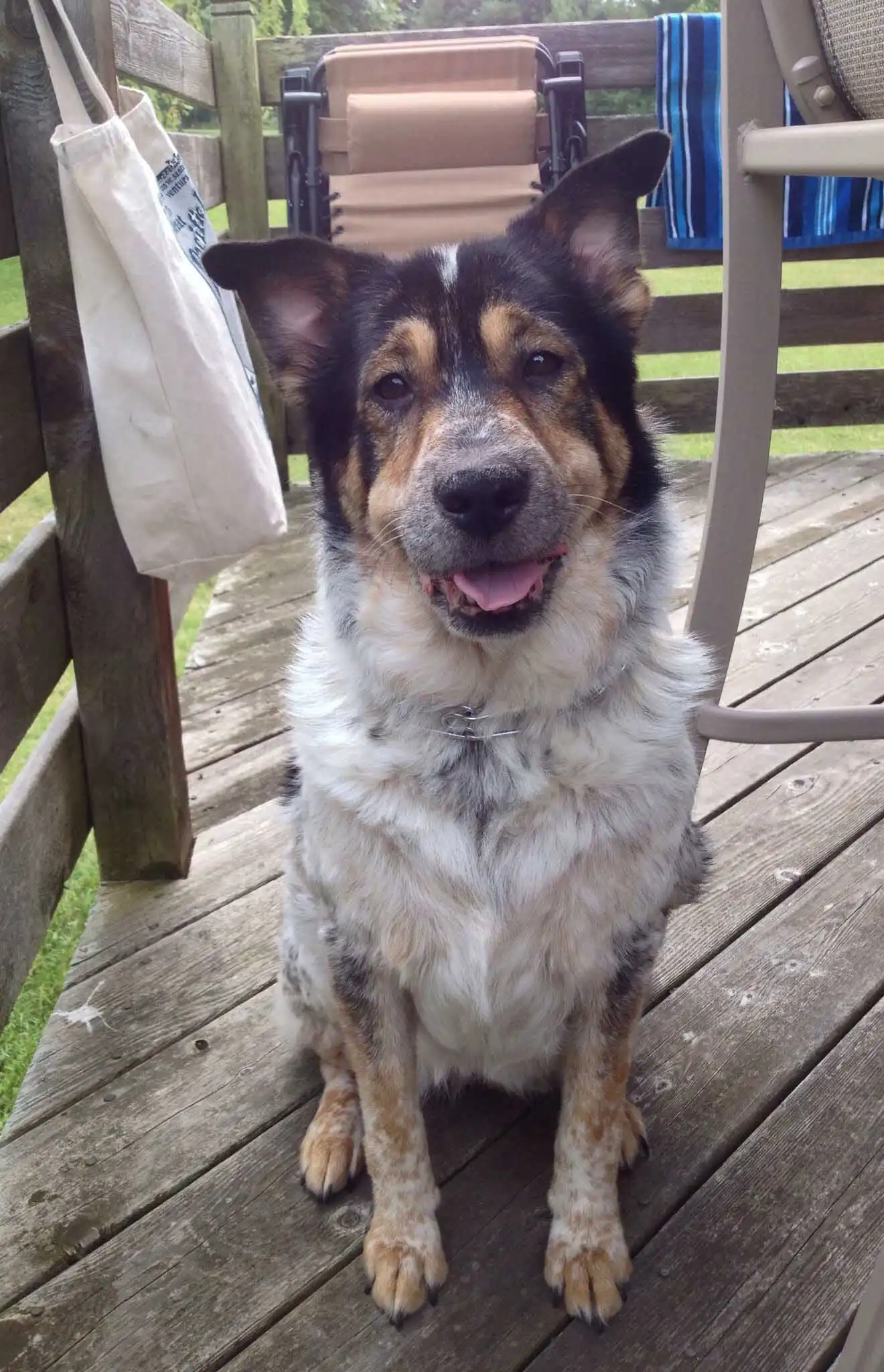
The Heeler Pei is a hybrid dog whose origins are not extensively documented, but its characteristics can be inferred from its parent breeds. The Australian Cattle Dog, developed in the 19th century, was created out of a need for a hardy and independent dog capable of thriving in the challenging environment of the Australian outback. These dogs have historically played a crucial role for cattle ranchers, skillfully herding wild cattle with gentle yet firm nips, particularly targeting their legs, which is how they earned the name "heeler." The initial canines brought to Australia had difficulty adjusting to their new surroundings, prompting crossbreeding with the native Dingo to produce a more resilient and assertive breed. Over the years, various versions of this breed evolved into the Australian Cattle Dog we know today. The blue-coated variants became particularly favored by ranchers and drovers, leading to their nickname, "Blue Heelers." The American Kennel Club officially recognized the Australian Cattle Dog in 1980. Conversely, the Shar-Pei originates from southern China and has a rich history dating back to the Han Dynasty around 200 B.C. Initially, the Shar-Pei was a versatile working dog, aiding in farm tasks, guarding livestock, hunting, and herding. Known for their distinctive wrinkled skin and unique purplish tongues, they were thought to protect against evil spirits. Their loose skin also provided a tactical advantage in dog fights, making it difficult for opponents to gain a grip. However, after the Communist takeover in the early 20th century, the breed experienced a significant decline, as they were viewed as relics of a past era. By the 1950s, the Shar-Pei was on the brink of extinction, but in 1973, a Hong Kong breeder enlisted the support of Western dog enthusiasts to help revive the breed. This initiative led to a renewed interest, and the Shar-Pei was fully recognized by the American Kennel Club in 1992.
Breed Appearance
This unique and relatively rare breed showcases a variety of physical traits, shaped by the genetics of two dominant dog breeds. It is a medium-sized canine with a strong, muscular build, featuring a well-balanced body that supports powerful legs, rounded paws, and durable pads. The chest is deep, the neck is robust, and the head has a rounded crown. Ear shapes vary, ranging from small and triangular to folded like a Shar-Pei or upright like a Cattle Dog. This hybrid possesses a long, slender muzzle with a scissor bite, and its nose can be either black or a light beige. Its deep-set, round eyes contribute to its distinctive appeal. Depending on its ancestry, it may exhibit facial wrinkles similar to those of the Shar-Pei or the unique speckled coat characteristic of the Cattle Dog. The tail can either hang straight and low or curl over its back. The Heeler Pei is certainly a striking presence; it is a confident, lively, affectionate, and protective companion.

Care Routine
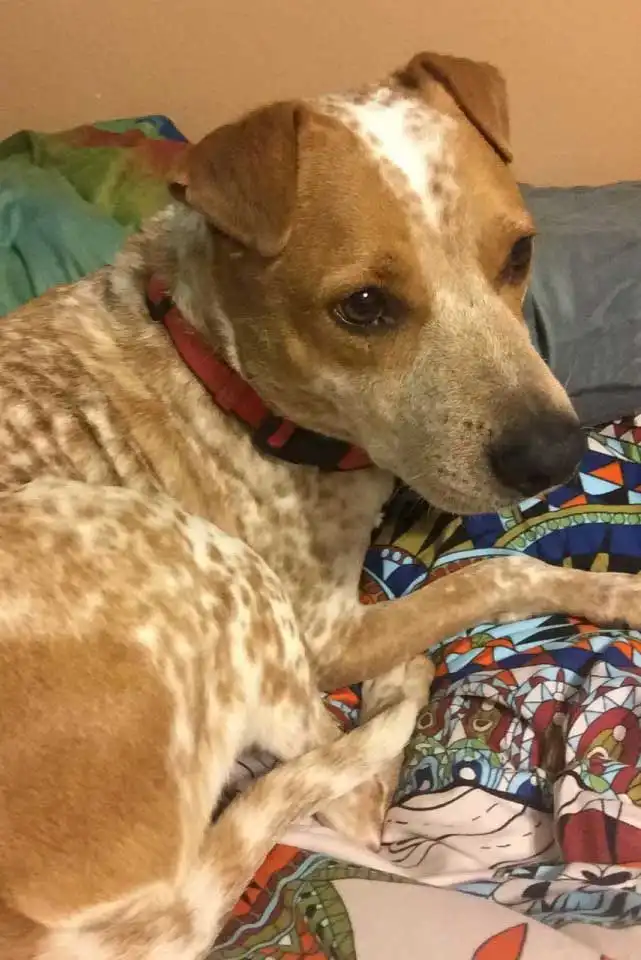
The Heeler Pei boasts a short, weather-resistant coat that tends to shed all at once at least twice a year. To keep the coat in top shape, it's advisable to brush it firmly every few days; however, during shedding seasons, daily brushing is essential. If your Heeler Pei has inherited the unique wrinkles of the Shar-Pei, it's crucial to keep these folds clean and dry to prevent infections. Bathing should be limited to when it's truly necessary, using a mild dog shampoo to maintain the skin's natural oils. Basic grooming also involves regular nail trimming and gently cleaning the ears with a damp cloth and a specialized solution to eliminate dirt and debris, followed by thorough drying. Lastly, don’t forget the enjoyable task of brushing your Heeler Pei's teeth. If you began this routine when they were a puppy, it should be relatively straightforward; however, if you’ve postponed it, some patience may be required for training.
Behavior & Temperament
The Heeler Pei is a confident and poised breed that radiates authority, making it clear that it deserves respect. This breed adapts well to family life, often forming a strong attachment to one person while remaining friendly and protective of others. The individual they bond with will find their Heeler Pei to be a constant companion, eager to participate in all aspects of daily life. Early socialization is vital for these dogs, as they may exhibit aggressive behaviors if not properly trained. It is important for them to learn acceptable behaviors from an early age. Though they may initially be cautious around strangers, Heeler Peis will gradually welcome them into their circle once they feel at ease. Their Cattle Dog heritage can lead them to herd anything from children to pets, and even their owners if not properly guided. Any nipping behavior should be corrected swiftly to prevent it from becoming a routine. With their strong hunting instincts, a securely fenced yard is essential to prevent them from jumping barriers in pursuit of other animals. Distinctive, loving, and undeniably attractive, the Heeler Pei is a rare breed that is becoming known as an exceptional companion. To flourish, they need a strong leader to help nurture their best qualities.

Play & Exercise
The Heeler Pei, a blend of the lively Cattle Dog and the more introverted Shar-Pei, is a breed with moderate exercise requirements. While they generally exhibit a calm demeanor indoors, they enjoy taking a couple of walks each day. Although they can adapt to apartment living, they truly flourish in a securely fenced yard where they can explore, dig, and bark at other dogs passing by. This breed is quite resilient to different weather conditions, although they may struggle with extreme cold. In terms of their interactions with other dogs, they tend to be somewhat aloof; they are not prone to initiating conflict, but they also won’t back down if challenged. To foster appropriate social behaviors, early training and socialization during puppyhood are crucial, as this helps shape their adult habits.
Things to Know
Cups Per Day
3.0 Cups
Daily Activity
90 Minutes
Average Lifespan
12 Years
Origin
Unknown
Type
Crossbreeds
Size
Medium
Origin Country
United States
Brush Frequency
Weekly
Coat Texture
Wiry
Ancestors
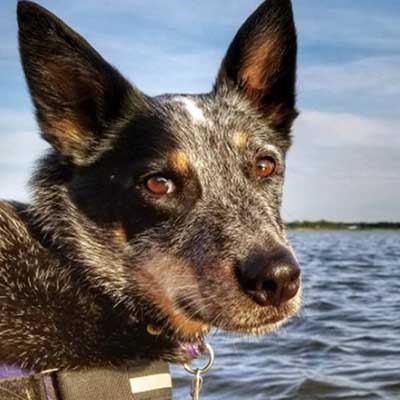
Australian Cattle Dog
The Australian Cattle Dog emerged in the early 1800s, a time when extensive areas of land in Australia became suitable for cattle ranching. The herding breeds available at the time were not equipped to handle the specific challenges associated with Australian cattle, which prompted the creation of a strong, intelligent, and highly active herding dog. Although it is relatively small, the Australian Cattle Dog demonstrates exceptional bravery in herding and is well-suited to the rugged terrain of the country. This medium-sized breed is characterized by its high energy and loyalty, making it a wonderful family companion, as long as its exercise requirements are met and it has activities to keep it stimulated.
Read more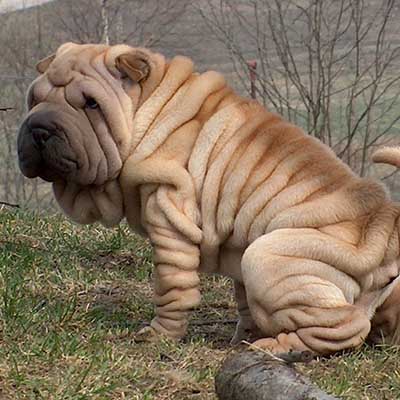
Chinese Shar-Pei
The Chinese Shar-Pei is a large dog breed distinguished by its unique wrinkled head and face. Typically, these dogs weigh around fifty pounds and stand about eighteen inches tall. There is a belief that the Chinese Shar-Pei shares a lineage with the Chow-Chow, as both breeds feature a blue-black tongue, which often causes confusion between them. Traditionally, the Chinese Shar-Pei was a multifunctional farm dog in China, employed for various tasks such as hunting, tracking, herding, and protecting livestock. Unfortunately, some people misused the breed for dogfighting, as its distinctive wrinkled skin and coarse fur were thought to hinder opponents' grip. The breed came perilously close to extinction during the Communist Revolution, but a businessman from Hong Kong played a vital role in reviving interest in the Shar-Pei among American dog lovers. In 1992, the American Kennel Club officially recognized the Chinese Shar-Pei, and it has since gained popularity as one of the favored dog breeds in the United States.
Read moreRegister
Your kids have been begging for a pet forever, and you've recently decided that it's time for your family to get a new addition -- a dog! While everyone is excited for the new arrival, you're wondering if you need to have a dog license. How much does it cost? Is it required? Where do you get one?
Member Clubs

PETINNATE
Other
Height & Weight
Weight
50 lbs (23 kg)Male: 53 lbs (24 kg) , Female: 48 lbs (22 kg)
Height
19 inches (48 sm)Male: 20 inches (51 sm) , Female: 19 inches (48 sm)
6 Months
23 lbs ( m 23 lbs, f 23 lbs )
8 inches ( m 8 inches, f 8 inches )
12 Months
33 lbs ( m 33 lbs, f 33 lbs )
14 inches ( m 14 inches, f 14 inches )
18 Months
47 lbs ( m 47 lbs, f 47 lbs )
18 inches ( m 18 inches, f 18 inches )
Eye Colors
Brown

Amber
Nose Colors
Black
Brown
Isabella
Coat Colors
Brindle

Gray

Brown

Blue

Pied

Red