Great Dane
Dane, Gentle Giant, German Mastiff, Deutsche Dogge
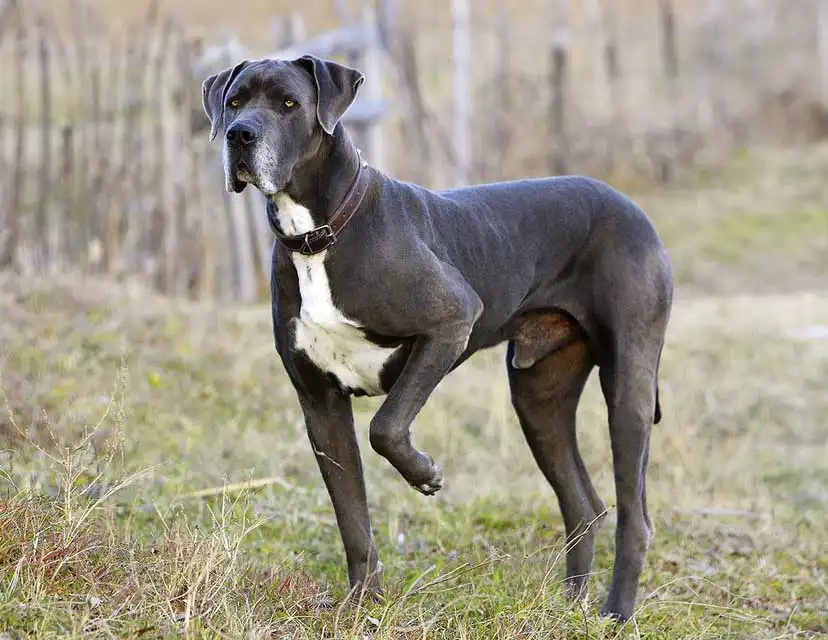
The Great Dane is commonly known as the "gentle giant" due to its calm and thoughtful demeanor. These dogs thrive on love and often try to snuggle in their owner's lap, resembling a smaller lapdog. They have a strong desire to please their families and are typically easy to train. However, it's crucial to keep in mind that their large size enables them to reach elevated surfaces, such as tables and kitchen counters. Moreover, their tails can be a hazard, as they might accidentally knock over objects within their reach, which makes them more suitable for homes with ample space. Unfortunately, like many larger breeds, they generally have shorter lifespans.
Breed Origin
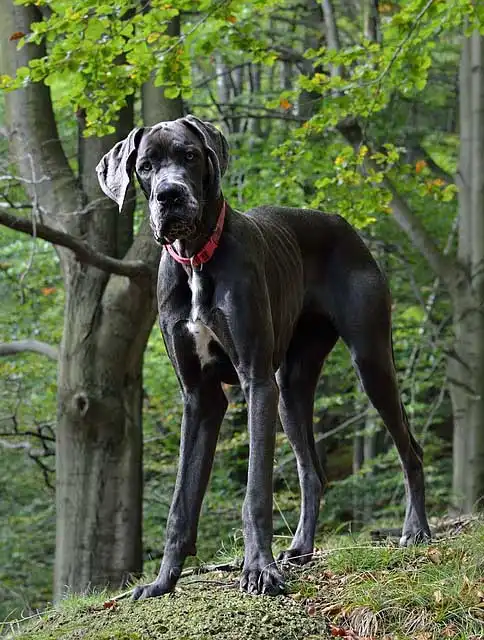
The history of these majestic dogs dates back to around 3000 B.C., with early representations of similar breeds discovered in Babylonian temples from approximately 2000 B.C. There is also evidence indicating that related dogs may have existed in Tibet, with mentions in Chinese literature around 1121 B.C. The Assyrians are believed to have played a crucial role in spreading the Great Dane breed worldwide by trading these dogs with the Romans and Greeks, who then crossbred them with various other breeds. The lineage of the Great Dane is thought to include the Irish Wolfhound, English Mastiff, and Irish Greyhound. Initially known as Boar Hounds, these dogs were specifically bred for hunting wild boars, and to protect their ears from injury by tusks, they often had their ears cropped. In the 16th century, their name evolved to English Dogges. During the same period, German nobility began to keep these impressive animals as companions, leading to another name change to Kammerhunde, which translates to Chamber Dogs. In the 1700s, a French naturalist visiting Denmark encountered a variant of the Boar Hound that had a more slender physique, resembling the Greyhound. He dubbed these dogs Grand Danois, a name that eventually evolved into Great Danish Dog. The larger examples of this breed were referred to as Danish Mastiffs. German breeders are often credited with refining the breed, and in 1880, a gathering of breeders and judges decided to classify it separately from the English Mastiff, adopting the name Deutsche Dogge, or German Dog. This designation eventually transformed into Great Dane, a name that has endured despite the breed's non-Danish origins. The Deutsche Doggen-Klub was founded in Germany, and the breed retained its name in many countries. However, in regions that did not adopt this terminology, particularly in most English-speaking nations, they are known as the Great Dane. Despite this extensive history, modern Great Danes are quite different from their ancestors. Originally bred for hunting, they displayed a more aggressive and fierce temperament. Wealthy German breeders sought to temper this nature, successfully cultivating a gentler and more docile disposition. Consequently, these noble dogs are now beloved as affectionate family pets. The Great Dane Club of America was established in 1889.
Breed Appearance
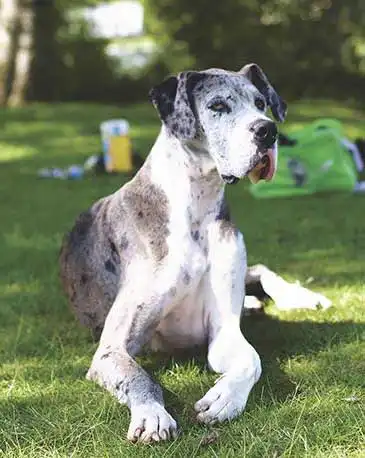
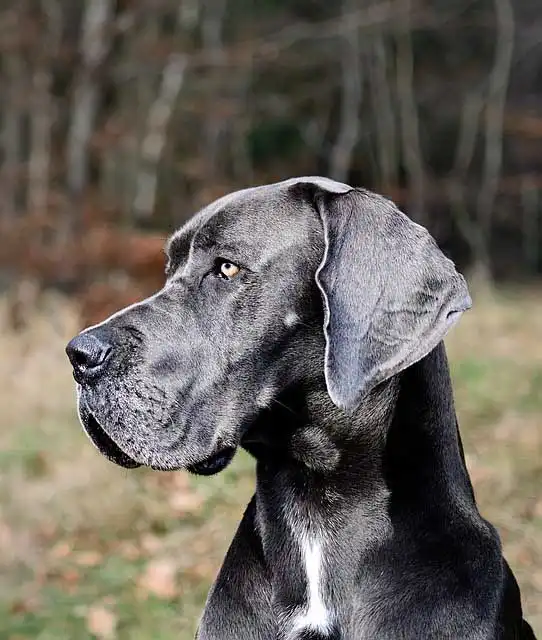
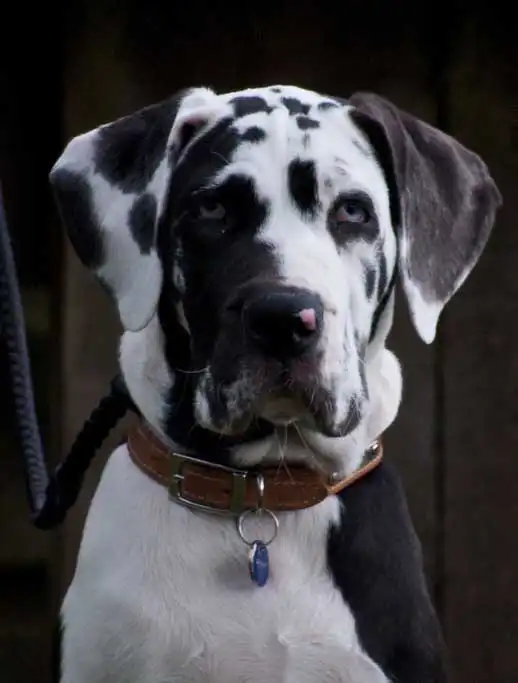
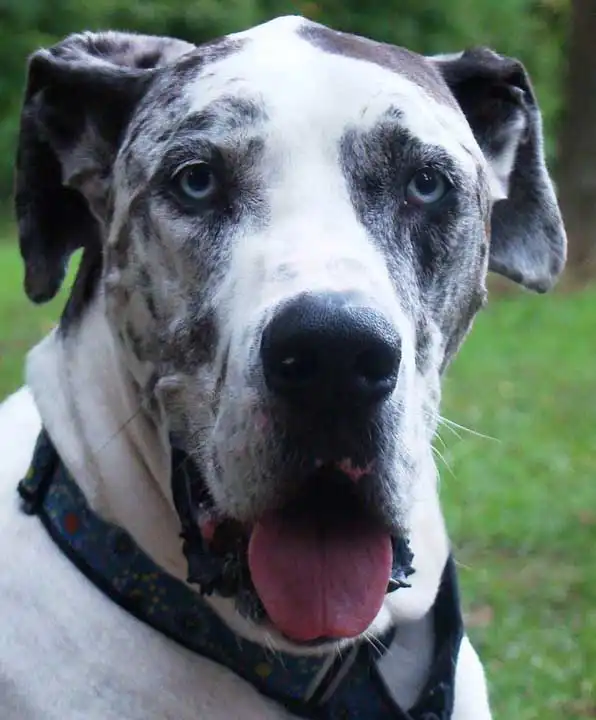
These large canines exhibit a sleek and athletic physique, marked by muscular bodies and impressively elongated, narrow heads. Their necks are long and graceful, positioned high on their frames. Typically, their body length is similar to their height, though females may have slightly longer bodies. They possess deep muzzles with noses that can be black, blue/black, or black with spots, paired with medium-sized, dark eyes. The ears are set high and are of medium length, either cropped to stand erect or left natural, where they fold forward and rest against the cheeks. Their front legs are perfectly straight, ending in round feet with dark toenails. The tails are thick, tapering to a point, and are held high. Their coats are short and dense, available in various colors such as fawn, black, blue, brindle, merle, chocolate, and harlequin.
Care Routine
Unexpectedly, these dogs can make wonderful indoor companions and should not be left outside for long periods, especially in colder weather, as they are sensitive to the cold. A dog jacket or sweater can be a nice addition for winter strolls. Due to their size, Great Danes are not ideal for small living environments like apartments, as they may inadvertently cause damage. Generally, they are calm and well-behaved indoors, displaying moderate energy levels. However, they do need at least one long walk each day, along with some playtime in a securely fenced yard. While puppies and younger dogs require about 90 minutes of exercise daily, adults can manage with 30 minutes to an hour. The nutritional requirements of your Great Dane will depend on their age and gender, so it's important to provide food specifically designed for large breeds. Puppies under five months should be fed three times a day, while those older can switch to two meals. Although these dogs do shed significantly, regular grooming can help keep it under control. A firm bristle brush works best for their coat, and frequent brushing can decrease the need for baths. It's recommended to brush their teeth two to three times a week, with daily brushing being ideal. Nail trimming should occur once or twice a month unless they naturally wear down. Additionally, cleaning their ears with a cotton ball dampened with an ear cleaning solution can be helpful.
Behavior & Temperament
The Great Dane is certainly one of the most gentle and friendly dog breeds today. Renowned for their affectionate demeanor, they are especially good with children, despite their large size. These gentle giants are typically calm around young kids, particularly if they have been raised with them from a young age; their only potential drawback is their impressive stature. Training them is generally easy, as they have a strong inclination to please their owners. Great Danes are very sociable and welcome affection from both family members and strangers alike. However, they can become protective if they perceive a threat to their owners. Their ability to get along with other pets can vary; while some may struggle to coexist with other animals, most Great Danes can live harmoniously with proper socialization and time to adjust. Although they are not usually very vocal, they have deep barks and will defend their family fiercely. Despite their large size, these loving dogs often seek closeness with their owners, sometimes viewing themselves as lapdogs and eagerly jumping into their laps. They are intelligent and respond well to training, learning quickly and effectively.
Play & Exercise
Things to Know
Cups Per Day
3.5 Cups
Daily Activity
60 Minutes
Average Lifespan
9 Years
Origin
3000 BC
Type
Pure Breeds
Size
Giant
Origin Country
Germany
Brush Frequency
Weekly
Coat Texture
Straight
Register
Your kids have been begging for a pet forever, and you've recently decided that it's time for your family to get a new addition -- a dog! While everyone is excited for the new arrival, you're wondering if you need to have a dog license. How much does it cost? Is it required? Where do you get one?
Member Clubs

PETINNATE
Guardian Dog

AKC
Working Group

UKC
Guardian Dog
Height & Weight
Weight
138 lbs (63 kg)Male: 160 lbs (73 kg) , Female: 115 lbs (52 kg)
Height
31 inches (79 sm)Male: 32 inches (81 sm) , Female: 30 inches (76 sm)
6 Months
77 lbs ( m 77 lbs, f 77 lbs )
24 inches ( m 24 inches, f 24 inches )
12 Months
92 lbs ( m 92 lbs, f 92 lbs )
27 inches ( m 27 inches, f 27 inches )
18 Months
115 lbs ( m 115 lbs, f 115 lbs )
30 inches ( m 30 inches, f 30 inches )
Eye Colors
Brown

Nose Colors
Blue
Black
Coat Colors
Brindle
Sable
Blue
Fawn
Red
Brown
Black
Characteristics
Mixes
American Foxy Dane
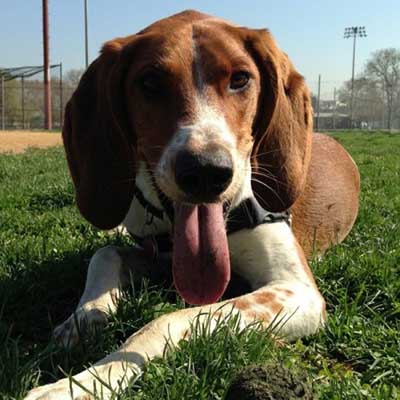
The American Foxy Dane is a newly developed hybrid breed, created through the deliberate crossbreeding of the Great Dane and the American Foxhound. This breed seeks to merge the best traits of both parent breeds, resulting in a devoted, affectionate, and easygoing pet that excels in family environments, particularly with young children. The Great Dane lends a commanding presence, while the American Foxhound contributes to a more refined temperament and a sleeker, more agile physique, making the dog eager to please. The American Foxy Dane is quick to grasp new commands and responds positively to training; however, it is essential to approach training with patience and a positive attitude, as the dog can pick up on frustration in your tone, which may lead to misunderstandings. These dogs thrive under the leadership of a consistent and confident owner.
Read more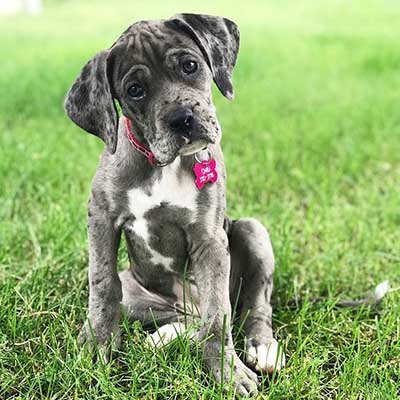
Boxane
Numerous owners consider the Boxane, a crossbreed between the Boxer and Great Dane, to be a remarkable combination of both parent breeds. The characteristics and behavior of these hybrids can vary widely, even among puppies born in the same litter, primarily due to the dominance of certain genes. Typically categorized as a large breed, Boxanes usually weigh anywhere from 60 to 150 pounds. Renowned for their lively disposition, these dogs need consistent exercise, which includes long walks and trips to the dog park. If you are in search of a devoted companion with a notable presence, the Boxane might be the ideal choice for you.
Read more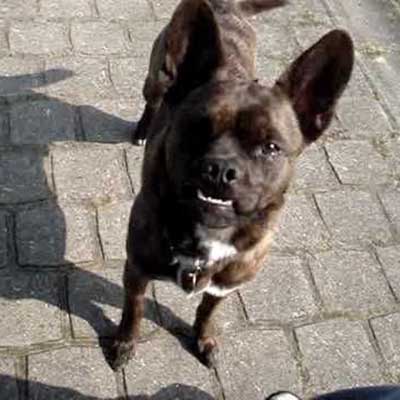
French Bull Dane
The French Bull Dane is an intriguing hybrid, merging the exceptional traits of two notable breeds: the Great Dane and the French Bulldog. Each breed brings its own unique strengths to the mix, resulting in a playful, affectionate, and loyal companion that provides steadfast love to its family. While this breed is still relatively new and not extensively documented, we can draw conclusions about its health and temperament based on the characteristics of its parent breeds. However, due to the considerable differences in size, weight, and energy levels between the Great Dane and the French Bulldog, it can be difficult to predict the exact appearance and activity needs of this designer dog.
Read more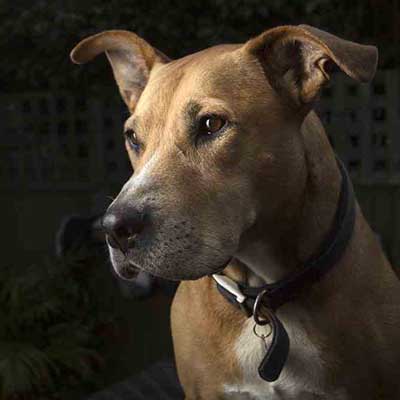
Great Danebull
When exploring the characteristics of Great Danebulls, it’s essential to look past their striking size. Although they may appear intimidating due to their large stature, these dogs are actually affectionate and gentle companions for families. They possess a moderate level of energy and flourish with love and attention from their owners. Generally, Great Danebulls can live up to 14 years, weighing between 60 and 90 pounds. Once they reach maturity, their height ranges from 24 to 28 inches. Their coat is short, dense, smooth, and shiny, available in solid shades or various combinations such as black, white, blue, fawn, bronze, liver, red, and brown, with possible patterns like harlequin, mantle, sable, merle, or brindle. While this breed is recognized as a prominent large designer dog, it has not yet achieved widespread popularity. Furthermore, Great Danebulls can display a diverse array of appearances and temperaments, which contributes to their lack of official recognition by the American Kennel Club (AKC).
Read more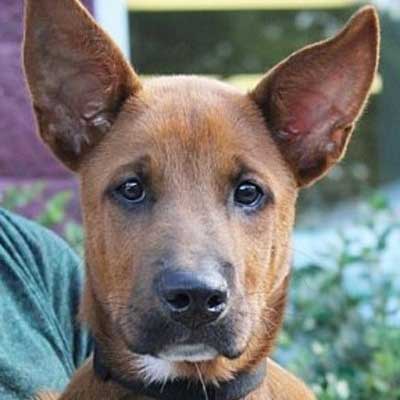
Great Dasenji
Great Dasenjis are a lively and independent hybrid of Great Danes, known for their affectionate nature towards their owners and their love for physical activity. On average, these dogs have a lifespan of 6 to 14 years, typically weigh between 60 and 85 pounds, and reach a height of 22 to 24 inches. Their coat is short, fine, and smooth, showcasing a range of patterns and colors that inherit characteristics from both parent breeds. Within the category of large designer dogs, the Great Dasenji is relatively uncommon and not widely recognized. Many owners find them to be playful and easy to train, though they may display a more reserved attitude when meeting new people.
Read more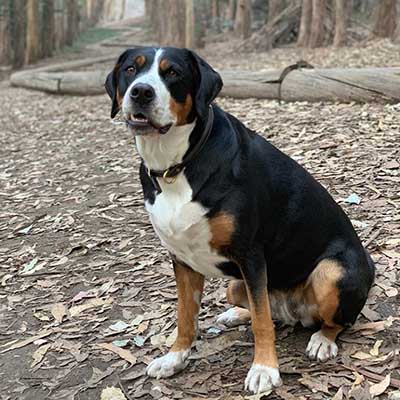
Greater Swiss Mountain Dane
The Greater Swiss Mountain Dane is a hybrid breed that emerges from the confident Greater Swiss Mountain Dog and the gentle Great Dane. As a relatively new breed, there is not much information available about it. To better understand what a Greater Swiss Mountain Dane puppy might be like, it’s useful to look at the characteristics of its parent breeds. The Greater Swiss Mountain Dog is a large, active breed recognized for its loving disposition towards people. This breed generally gets along well with children, particularly if they have been socialized with them during their early development. However, the Greater Swiss Mountain Dog can be somewhat headstrong, which requires its owner to provide consistent and assertive guidance. In contrast, the Great Dane is known for its serene nature and loyalty; despite its large stature, it often acts like a lapdog. Owners of the Greater Swiss Mountain Dane describe it as a big, affectionate companion, eager to both give and receive love.
Read more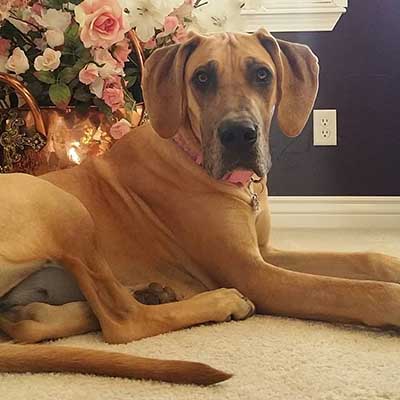
Great Golden Dane
The Great Golden Dane is a large, intelligent, and loyal hybrid breed, born from the union of the Great Dane and the Golden Retriever. This mix is generally very sociable, welcoming both people and other pets, including children of all ages. However, their playful nature, particularly in their youth, can sometimes result in minor mishaps when they engage with smaller kids. Although their impressive size might imply they could function as guard dogs, their inherently friendly nature usually keeps them from exhibiting protective behaviors, with a few exceptions to this trend.
Read more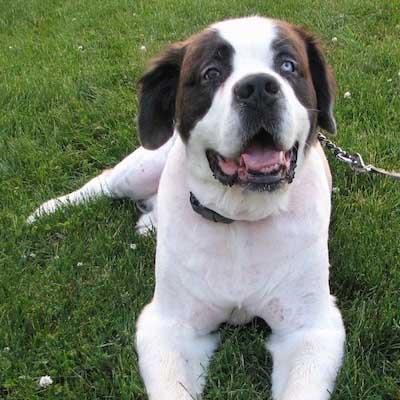
Saint Dane
The Saint Dane may not be the ideal pet for everyone. This designer breed results from crossing a purebred Saint Bernard with a purebred Great Dane, both known for their large size, gentle nature, and protective instincts, making them excellent family companions. However, prospective owners should consider a few important factors: these dogs are prone to drooling, need plenty of living space, and generally have shorter lifespans. Their significant appetite also means that only those prepared to invest time, resources, and energy into their care should think about adding one to their family. For those who decide to bring a Saint Dane into their home, they will discover a loving, friendly, and protective companion who is particularly fond of children and very affectionate. Often called Great Bernards or Bernadanes, these dogs do shed considerably, so regular grooming is essential to keep their coats healthy. Their fur is usually short and silky, with common colors including black, white, fawn, and brindle.
Read more