Weiler Dane
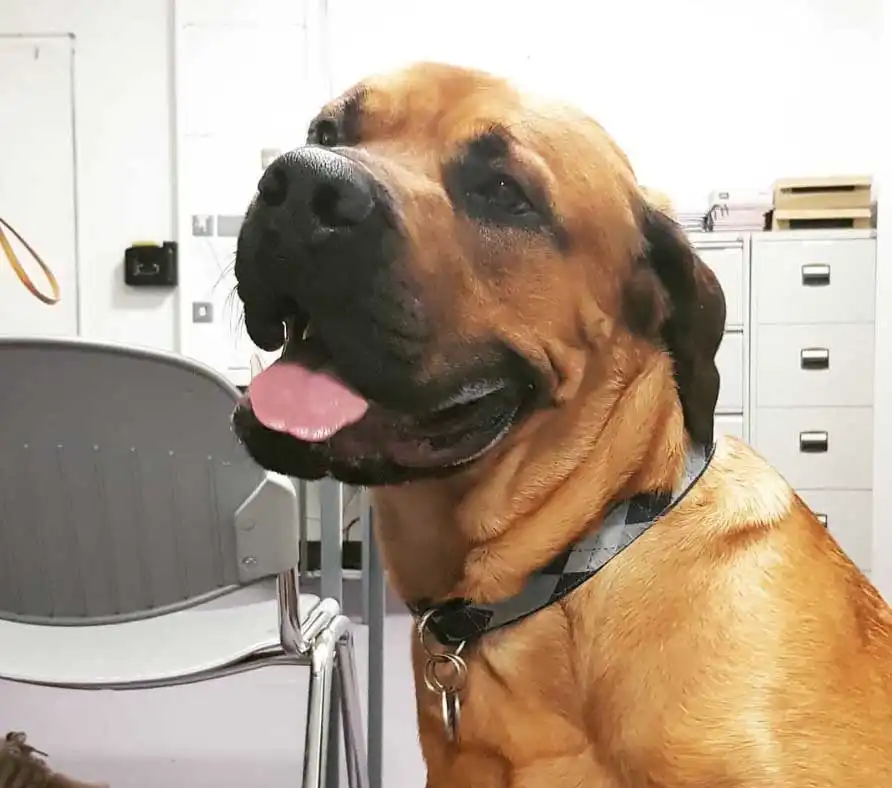
The Weiler Dane is a hybrid breed created by crossing a Rottweiler with a Great Dane. This distinctive combination results in a dog that exhibits characteristics from both breeds, blending protectiveness with a gentle demeanor. Renowned for his loyalty, this gentle giant forges deep connections with his family, often appearing somewhat aloof around strangers. With a height of up to 33 inches at the shoulder and a weight ranging from 145 to 175 pounds, his impressive physique can be quite imposing. One challenge that may arise with the Weiler Dane is his tendency towards stubbornness, as he possesses a strong-willed nature. However, despite his considerable size, his calm temperament enables him to adapt well to smaller living environments, as long as he receives adequate exercise.
Breed Origin
The Weiler Dane exemplifies a unique combination of characteristics derived from its esteemed parent breeds. The Rottweiler, renowned for its strong guarding instincts, was originally bred as a herding dog, taking its responsibility of safeguarding livestock very seriously. This breed is believed to have ancient origins, dating back to the Roman Empire. As Roman soldiers moved through the Swiss Alps into German lands, they brought the Rottweiler with them, which soon became prized for its ability to drive cattle. Known as Rottweiler Metzgerhunds, or "butcher dogs," this breed faced a decline in numbers by the 19th century as the need for cattle herding waned, rendering it quite rare by the 1880s. However, the outbreak of World War I sparked a revival in the breed's popularity, as they were employed as police and military dogs. The American Kennel Club officially recognized the Rottweiler in 1931, placing it within the Working Group. Conversely, the Great Dane's ancestry can be traced back to approximately 3000 BC, with its roots thought to lie in Egypt. The Assyrians significantly contributed to the breed's global spread through their conquests, while the Romans and Greeks also engaged in selective breeding. As the breed gained traction throughout Europe, it became known as the Boar Hound, reflecting its role in hunting wild boars. By the 1700s, the sturdy dogs from Denmark were officially designated as Great Danes. The American Kennel Club recognized this breed in 1889, including it in the Working Group. Consequently, the Weiler Dane inherits a wealth of admirable traits from both parent breeds, establishing it as an outstanding mixed breed.
Breed Appearance
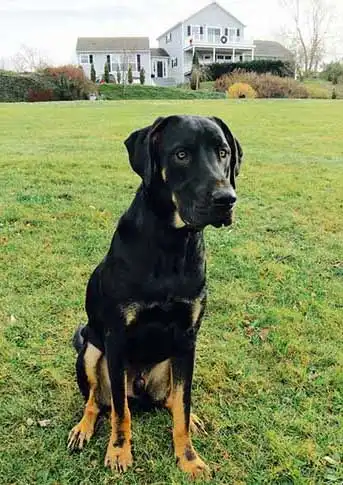
The Weiler Dane is a striking and powerful breed that merges the impressive height of a Great Dane with the muscular physique of a Rottweiler. This breed typically boasts a large, square head and often displays the Rottweiler's distinctive reddish-brown and black coloration, although some individuals may have a more brownish tint. Unlike the Great Dane, the Weiler Dane is characterized by an exceptionally broad chest. Its ears are substantial and hang down, while the tail is long and straight, similar to that of the Great Dane. With its commanding size and presence, the Weiler Dane can be quite intimidating to onlookers. Its movements exude confidence and a regal demeanor.

Care Routine
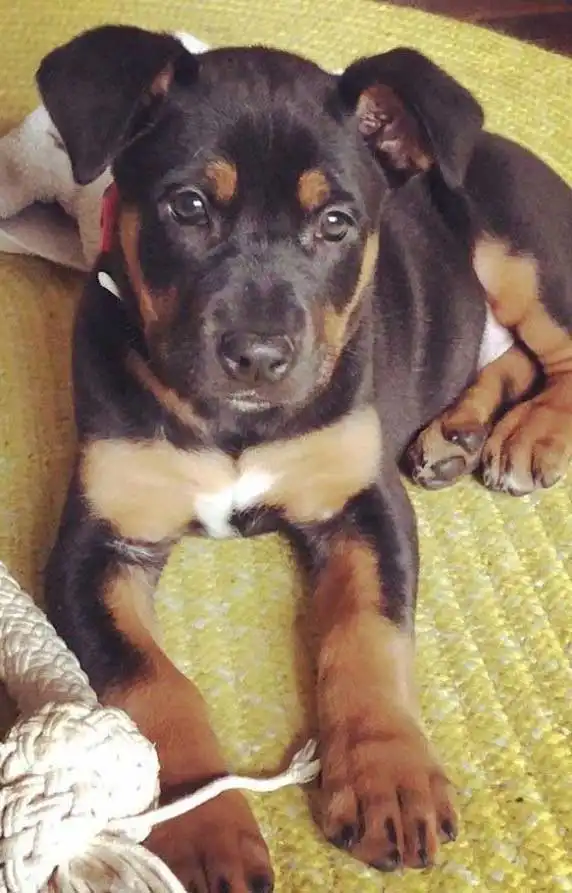
The Weiler Dane is characterized by a coat that is similar to the short fur of a Great Dane or the slightly longer fur of a Rottweiler, with a moderate shedding pattern. To keep his coat glossy and manage loose hair, it is recommended to brush him once or twice a week. His floppy ears also require care; a weekly wipe with a cloth can help remove any accumulated earwax or debris. Thankfully, he does not have a strong dog odor and usually only needs a bath about once a month. Many pet owners opt to brush their dog's teeth regularly to maintain cleanliness and promote fresh breath. Brushing every few days can also aid in preventing plaque buildup and gum disease as he ages. Furthermore, due to his relatively laid-back lifestyle, his toenails typically need to be clipped or filed monthly, as they do not wear down naturally.
Behavior & Temperament
If you’re looking for a loyal companion that may seem intimidating but is actually quite gentle, the Weiler Dane is a fantastic choice. At heart, he is affectionate and loves children, making him a wonderful addition to any family. However, his stubbornness means that early obedience training is essential to maintain control, especially as he grows into a strong adult—you wouldn’t want to be dragged around on a leash. When raised with smaller pets, he usually adapts well and learns to live harmoniously with them. His strong-willed nature can pose some challenges in management, but he thrives under consistent leadership. Moreover, regular training and socialization are vital to ensure he interacts appropriately with other dogs.


Play & Exercise
While the Weiler Dane is a sizable and sturdy breed, it doesn't require an excessive amount of physical activity. A simple daily walk usually meets its exercise needs. If you enjoy long runs, this dog might not be the ideal companion, as it prefers moderate activity over vigorous running. Despite its impressive size, the Weiler Dane typically gets along well with other animals, making visits to the dog park a pleasant experience, as it enjoys socializing. At home, this breed is generally quite relaxed, often choosing to lounge and take naps. Unaware of its own bulk, this gentle giant frequently tries to cuddle in bed with you or jump onto the couch for some downtime.
Things to Know
Cups Per Day
3.0 Cups
Daily Activity
30 Minutes
Average Lifespan
14 Years
Origin
Unknown
Type
Crossbreeds
Size
Giant
Origin Country
Unknown
Brush Frequency
Weekly
Coat Texture
Straight
Register
Your kids have been begging for a pet forever, and you've recently decided that it's time for your family to get a new addition -- a dog! While everyone is excited for the new arrival, you're wondering if you need to have a dog license. How much does it cost? Is it required? Where do you get one?
Member Clubs

PETINNATE
Other
Height & Weight
Weight
158 lbs (72 kg)Male: 160 lbs (73 kg) , Female: 155 lbs (70 kg)
Height
33 inches (84 sm)Male: 33 inches (84 sm) , Female: 33 inches (84 sm)
6 Months
70 lbs ( m 70 lbs, f 70 lbs )
15 inches ( m 15 inches, f 15 inches )
12 Months
155 lbs ( m 155 lbs, f 155 lbs )
32 inches ( m 32 inches, f 32 inches )
18 Months
155 lbs ( m 155 lbs, f 155 lbs )
32 inches ( m 32 inches, f 32 inches )
Eye Colors
Brown

Nose Colors
Black
Brown
Coat Colors
Brown
Black