Great Golden Dane
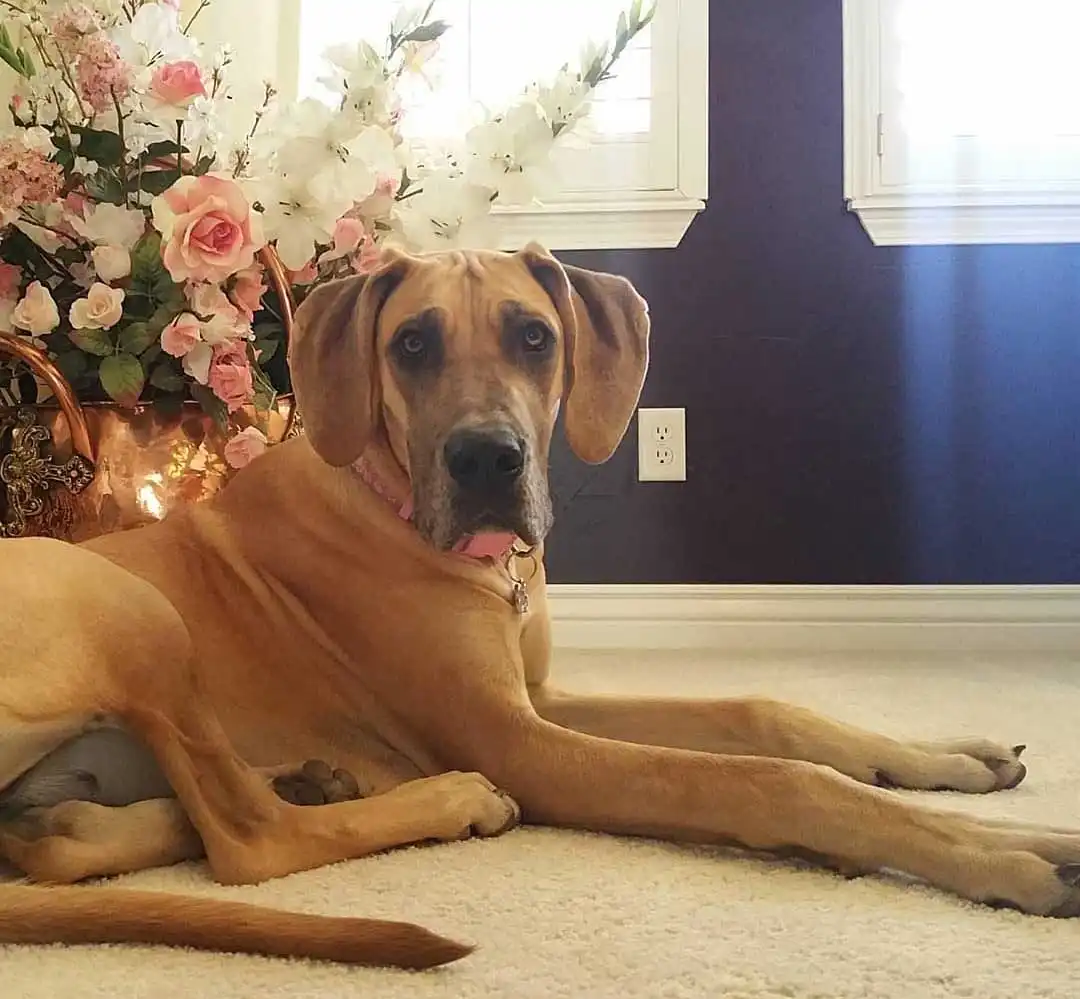
The Great Golden Dane is a large, intelligent, and loyal hybrid breed, born from the union of the Great Dane and the Golden Retriever. This mix is generally very sociable, welcoming both people and other pets, including children of all ages. However, their playful nature, particularly in their youth, can sometimes result in minor mishaps when they engage with smaller kids. Although their impressive size might imply they could function as guard dogs, their inherently friendly nature usually keeps them from exhibiting protective behaviors, with a few exceptions to this trend.
Breed Origin
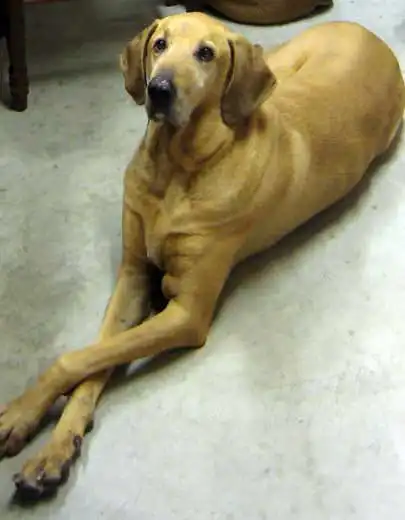
The Great Golden Dane is a designer breed intentionally created by crossing the friendly and dependable Great Dane with the spirited and devoted Golden Retriever. The Great Dane boasts a rich lineage, having been selectively bred for more than 400 years. It is believed to be a descendant of a combination of English Mastiffs and Irish Wolfhounds, originally bred for hunting the formidable European boar. This breed gained significant popularity in Germany as early as the 1500s and was officially designated as the National Dog of Germany in 1876, where it is known as the Deutsche Dogge. The Great Dane was introduced to the United States in the late 19th century, with the American Kennel Club recognizing it in 1887. In contrast, the Golden Retriever is a more recent breed, developed in the mid to late 1800s by Scottish politician Dudley Marjoribanks. In 1865, Marjoribanks acquired a distinctive yellow puppy from a litter of black Wavy-Coated Retrievers. After returning to Scotland, he bred this puppy, named Nous, with a Tweed Water Spaniel named Belle. The Tweed Water Spaniel, now extinct, was a sturdy, liver-colored water dog with traits similar to retrievers. The four puppies from this pairing were all golden and are considered the foundation of the Golden Retriever breed. Later, other breeds, including Wavy and Flat-coated Retrievers, Red Setters, and Bloodhounds, were likely added to further enhance the breed.
Breed Appearance
The Great Golden Dane is a large breed, typically exceeding two feet in height at the shoulder. This dog is known for its long legs and a square body shape, although some individuals may be slightly longer than they are tall, a trait more commonly seen in females. Males, on the other hand, tend to be taller and more muscular than females. They have a broad, somewhat rectangular head with a long, deep muzzle and striking brown, almond-shaped eyes. Their ears are positioned high on the head and hang down along the sides of their face. The coat of the Great Golden Dane can vary widely; it may consist of a short, single-layer coat like that of the Great Dane or feature a short, dense undercoat topped with a robust, weather-resistant layer of medium-length, glossy fur. This outer coat is adorned with feathering on the legs, feet, front of the neck, and the underside of the tail, reminiscent of the Golden Retriever.

Care Routine
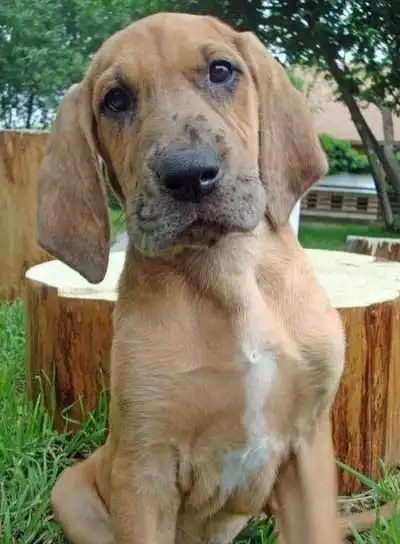
At first glance, this hybrid might appear to be a low-maintenance breed, but that’s not entirely true. Great Danes generally require only occasional baths, whereas Golden Retrievers can develop a strong odor if they aren’t bathed regularly—ideally at least once a month. This likely holds true for the Great Golden as well. Furthermore, daily brushing is crucial; although the Great Dane has a shorter coat, it sheds quite a bit, and the Golden Retriever’s undercoat is prone to tangling and matting. It’s also vital to regularly check and clean their ears, as the long, drooping ears of this breed can be a breeding ground for infections, which can be uncomfortable for the dog and unpleasant for those around them.
Behavior & Temperament
This crossbreed is widely recognized for its amiable and outgoing disposition, though it may also inherit some protective instincts from specific Great Dane lineages. It’s essential to monitor interactions between this breed, other dogs, and young children to ensure safety for all involved. Thankfully, both Great Danes and Golden Retrievers are generally well-suited for families with kids. However, the energetic nature of Golden Retrievers and the Great Golden Dane can sometimes be too much for very young children who are still growing. Typically, this breed's natural friendliness extends to other pets, but there may be occasions where they display assertive or dominant behavior towards other animals. This crossbreed is generally quite receptive to training, but it’s best to begin obedience training early to curb any unruly behavior as they grow. Utilizing positive reinforcement techniques is vital, as harsh training methods can foster distrust in the dog.


Play & Exercise
Although Golden Retrievers may not possess the same level of energy as some other retriever breeds, they still require a considerable amount of physical exercise. On the other hand, Great Danes generally have lower exercise demands, which can reduce the overall activity needs of this mixed breed. Young Great Danes tend to be quite playful, but engaging in overly strenuous activities, particularly those that involve jumping, can put stress on their joints and lead to injuries. Therefore, it is wise to keep walks short and to limit excessive rough play. The Great Golden Dane thrives on human companionship and needs plenty of space to move freely; this breed struggles when left alone for long periods and is typically too large and energetic for apartment living.
Things to Know
Cups Per Day
4.0 Cups
Daily Activity
60 Minutes
Average Lifespan
10 Years
Origin
Unknown
Type
Crossbreeds
Size
Giant
Origin Country
Unknown
Brush Frequency
Daily
Coat Texture
Straight
Register
Your kids have been begging for a pet forever, and you've recently decided that it's time for your family to get a new addition -- a dog! While everyone is excited for the new arrival, you're wondering if you need to have a dog license. How much does it cost? Is it required? Where do you get one?
Member Clubs

PETINNATE
Other
Height & Weight
Weight
102 lbs (46 kg)Male: 117 lbs (53 kg) , Female: 88 lbs (40 kg)
Height
27 inches (69 sm)Male: 28 inches (71 sm) , Female: 26 inches (66 sm)
Eye Colors
Brown

Nose Colors
Black
Coat Colors
Black
White
Blue
Brindle