Taylor's Bulldane
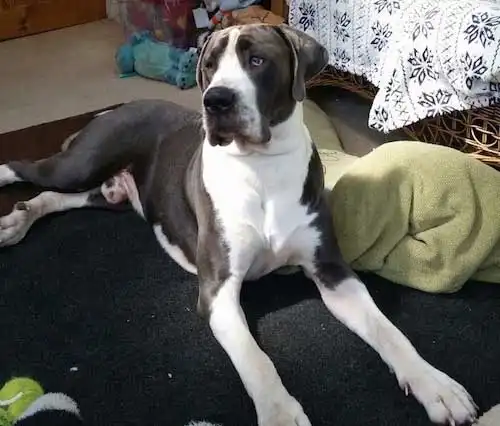
The Taylor’s Bulldog is a unique hybrid of the Old Tyme Bulldog and the Great Dane. The rarity of the Old Tyme Bulldog enhances the distinctiveness of this breed. Typically, these large dogs weigh between 150 and 200 pounds and stand around 25 to 30 inches tall. Their short, fine coat requires little maintenance, and they are generally sturdy, often living into their teenage years. While they can be excellent family companions, they are best suited for spacious homes with a fenced yard that provides plenty of room for play. This breed is recognized for its ability to be trained easily and usually gets along well with other dogs and older children.
Breed Origin
The history of the Taylor’s Bulldane is somewhat disjointed, largely due to the lack of comprehensive documentation regarding the Old Tyme Bulldog, which only surfaced in the 1980s. A Bulldog aficionado named Steve Barnett took the initiative to recreate this breed in a manner that echoed its historical forms. He carefully chose specific Victorian Bulldogs from breeder Ken Mollett, who was recognized for producing dogs with notable strength and athleticism. Through meticulous selective breeding over several generations, the Old Tyme Bulldog has transformed into a loyal and loving companion, characterized by a charming personality that fits well within various family settings. Distinctively, the Old Tyme Bulldog is known for its elongated body and more refined appearance, while still embodying the core traits of its Bulldog ancestry, which dates back to the 1200s in England. These dogs were originally bred from Asian Mastiffs and local breeds, primarily for bull-baiting, which instilled in them exceptional bravery, a high tolerance for pain, abundant energy, and remarkable endurance. Although the American Kennel Club does not officially recognize the Old Tyme Bulldog, the Bulldog itself has been acknowledged as a breed since 1886 and is currently the fourth most popular breed in the United States. In contrast, the Great Dane is thought to have originated around 3000 B.C., as indicated by illustrations found in ancient Egyptian tombs. Historically, these imposing dogs were employed in battles against bulls and bears, but today they are valued more for their companionship than their fighting abilities. The breed has its roots in Germany, descending from the Greyhound, Old English Mastiff, and Wolfhound. Some ancient texts from 1121 B.C. hint at the existence of similar dogs in Tibet, although this remains speculative. Initially known as the Boar Hound due to their role in hunting wild boar, their name evolved to English Dogges in the 16th century and later to Kammerhunde, or "Chamber dogs," in the 1600s. In the 18th century, a dog resembling the Kammerhunde was found in Denmark and was dubbed Grand Danois, which eventually transformed into Great Danish Dogs or Danish Mastiffs. By the late 1880s, breeders and judges in Germany officially adopted the name Great Dane. However, these early dogs were quite different from the Great Danes we know today, as they were bred to be more aggressive. Over the years, German breeders worked to create a gentler temperament, leading to the breed's acceptance by the AKC in 1887. Presently, the Great Dane holds the position of the 14th most popular dog breed in America.
Breed Appearance
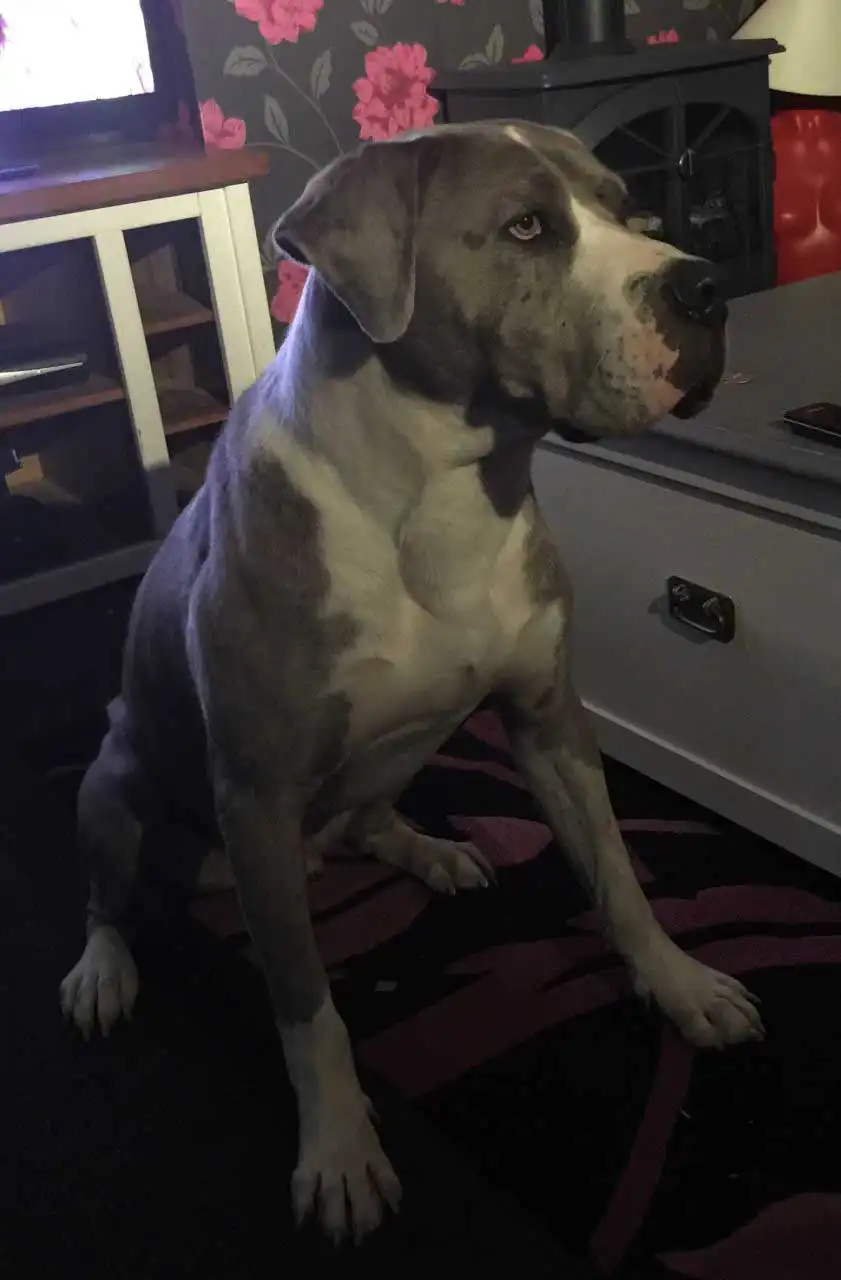
The Taylor’s Bulldane is a striking breed, generally weighing around 200 pounds and reaching a height of approximately 30 inches. Its coat is short, straight, and fine, coming in a wide array of colors and patterns such as blue, gray, pied, brindle, sable, red, black, chocolate, liver, merle, speckled, orange, white, and lemon. This breed is known for its strong and muscular build, featuring well-defined legs, a broad chest, small ears, and a large head with a black nose and almond-shaped brown eyes. Like the Bulldog, the Taylor’s Bulldane has a significant amount of loose skin that may be wrinkled, requiring regular maintenance to prevent irritation and rashes.


Care Routine
The Taylor’s Bulldane is quite easy to care for, thanks to its sleek and slender coat. To keep it in good condition, it's recommended to brush your dog’s fur three to four times a week with a rubber curry mitt or a slicker brush, which aids in circulation and reduces shedding. You can bathe your dog once a month or as needed, using a mild conditioning shampoo. Make sure to dry your dog’s skin thoroughly to prevent pyoderma or other skin issues that can occur in their skin folds. Additionally, remember to trim your dog’s toenails as needed and brush their teeth weekly to help avoid dental problems.
Behavior & Temperament
Taylor's Bulldane typically thrives in the presence of other dogs and older children, but they may struggle to get along with other pets, especially cats. Due to their size, it's advisable not to leave them unsupervised with young children. To promote positive interactions with other dogs, early socialization is crucial. This breed is generally recognized for its friendly, affectionate, and calm demeanor, which makes training them relatively straightforward. Even novice dog owners should find it manageable to train this breed. However, they do need significant attention and can be susceptible to separation anxiety.

Play & Exercise
The Taylor’s Bulldane does not demand an excessive amount of exercise, but they do require sufficient space to move around, which makes them ill-suited for small apartments without a yard. Ideally, they should have at least 30 to 45 minutes of vigorous physical activity each day, complemented by an hour or more of mental stimulation from their owner. A large, enclosed yard is perfect for this breed, providing them the opportunity to run freely every day. They particularly thrive on activities like agility training, obedience training, tracking, fly-ball, socializing with other dogs at the park, and enjoying walks in the neighborhood.
Things to Know
Cups Per Day
4.5 Cups
Daily Activity
30 Minutes
Average Lifespan
12 Years
Origin
2000s
Type
Crossbreeds
Size
Giant
Origin Country
United States
Brush Frequency
Weekly
Coat Texture
Straight
Register
Your kids have been begging for a pet forever, and you've recently decided that it's time for your family to get a new addition -- a dog! While everyone is excited for the new arrival, you're wondering if you need to have a dog license. How much does it cost? Is it required? Where do you get one?
Member Clubs

PETINNATE
Other
Height & Weight
Weight
175 lbs (79 kg)Male: 188 lbs (85 kg) , Female: 163 lbs (74 kg)
Height
28 inches (71 sm)Male: 29 inches (74 sm) , Female: 27 inches (69 sm)
6 Months
62 lbs ( m 62 lbs, f 62 lbs )
25 inches ( m 25 inches, f 25 inches )
12 Months
100 lbs ( m 100 lbs, f 100 lbs )
26 inches ( m 26 inches, f 26 inches )
18 Months
162 lbs ( m 162 lbs, f 162 lbs )
27 inches ( m 27 inches, f 27 inches )
Eye Colors
Brown

Nose Colors
Black
Coat Colors
Brindle

Sable

Pied

White
Blue

Fawn

Cream
Red

Brown

Gray

Black